Does Air Duct Cleaning Require Access Holes?
A thorough air duct cleaning doesn't always require cutting into the ductwork. Many systems have enough access through supply registers, return grilles, the air handler, and existing service openings.
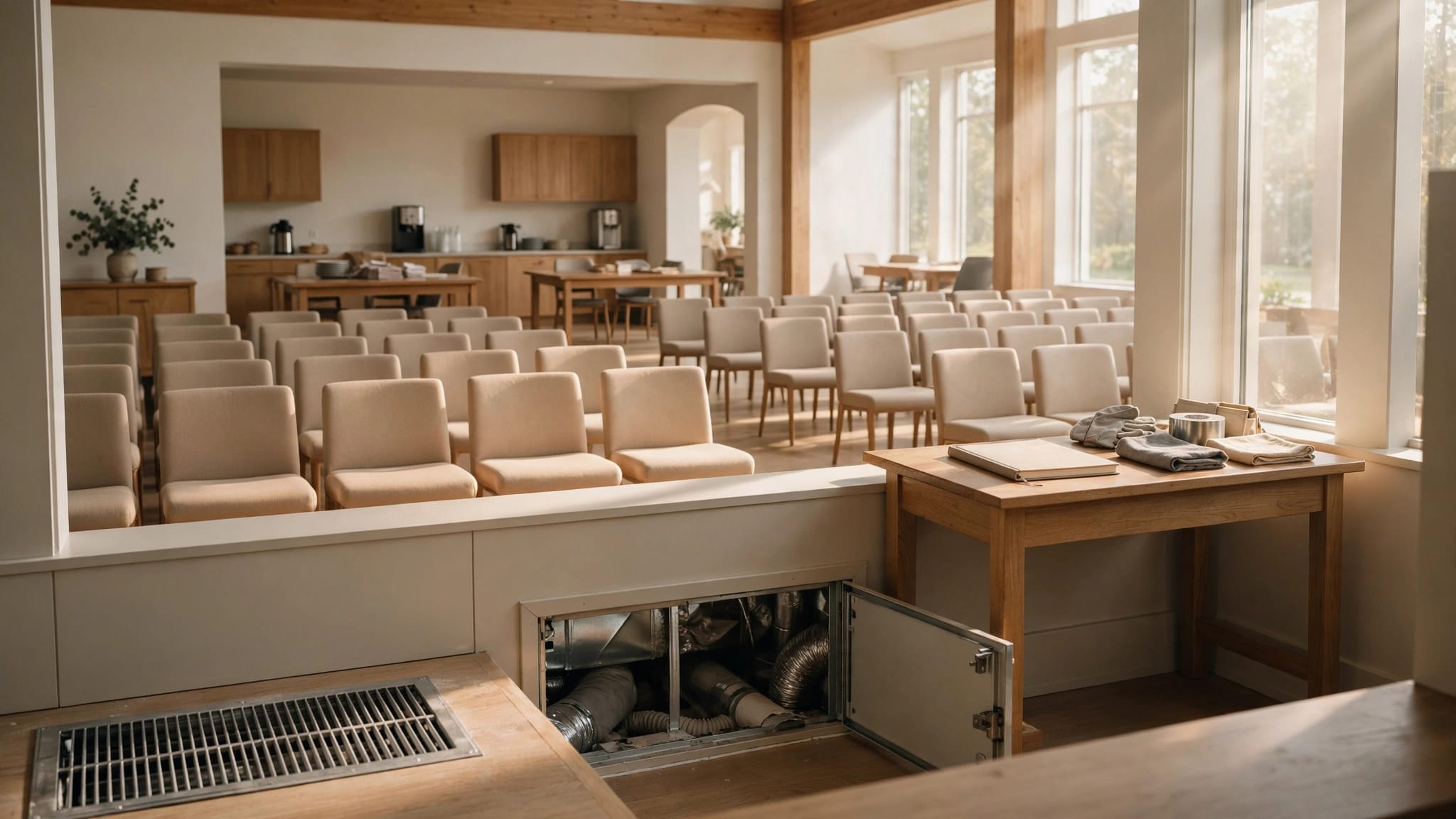
However, air duct cleaning access holes can be necessary when important sections of the system can't be reached with professional equipment. A qualified technician should create only appropriately sized, strategically located openings, then seal them with code-appropriate plugs or panels.
The right answer depends on your duct design, insulation, equipment layout, and local requirements. Before scheduling service, ask how the company plans to reach and seal every section of your HVAC system.
Key Takeaways
- Technicians can often clean some systems through existing registers and service openings.
- New access holes may be needed when long, blocked, or poorly reachable duct sections require direct cleaning.
- Openings should be limited, carefully placed, and sealed with approved materials.
- A professional should explain the access plan before cutting anything.
- Dryer vent cleaning usually uses the vent connection and exterior termination, not random holes in the vent line.
When Air Duct Cleaning Needs New Access Points
Duct cleaning equipment must reach the areas where dust, pet hair, construction debris, or other buildup has collected. A vacuum hose may enter through a return grille, but that opening might not provide a clear path through the entire system.
Supply ducts often branch in several directions. Some runs are long, narrow, or hidden behind finished walls and ceilings. A technician may need a better entry point to place agitation tools inside the duct and remove debris instead of pushing it farther down the line.
The air handler can create another access challenge. Dust may collect near the blower compartment, coil cabinet, supply plenum, or return box. These areas often have factory panels, but older equipment may lack convenient openings. In that situation, a small additional opening can help the technician clean the system more thoroughly.
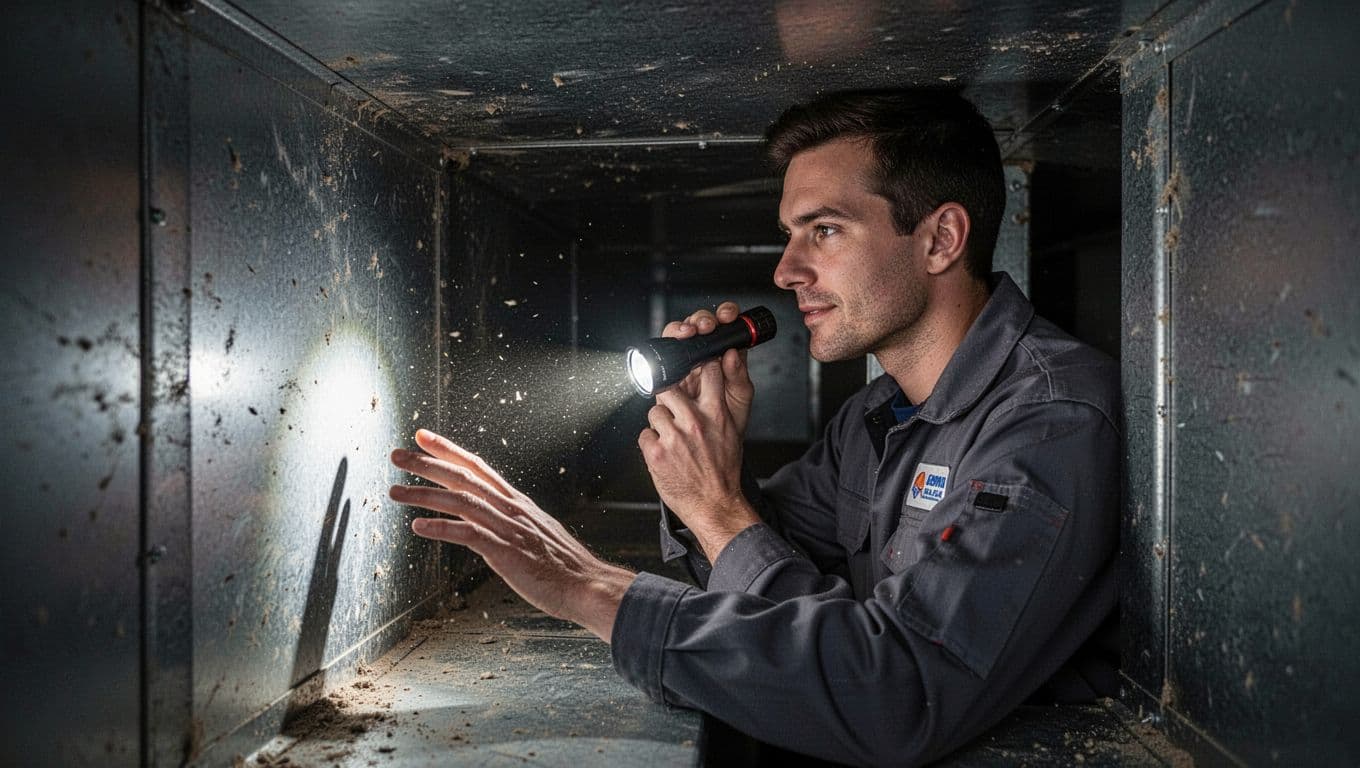
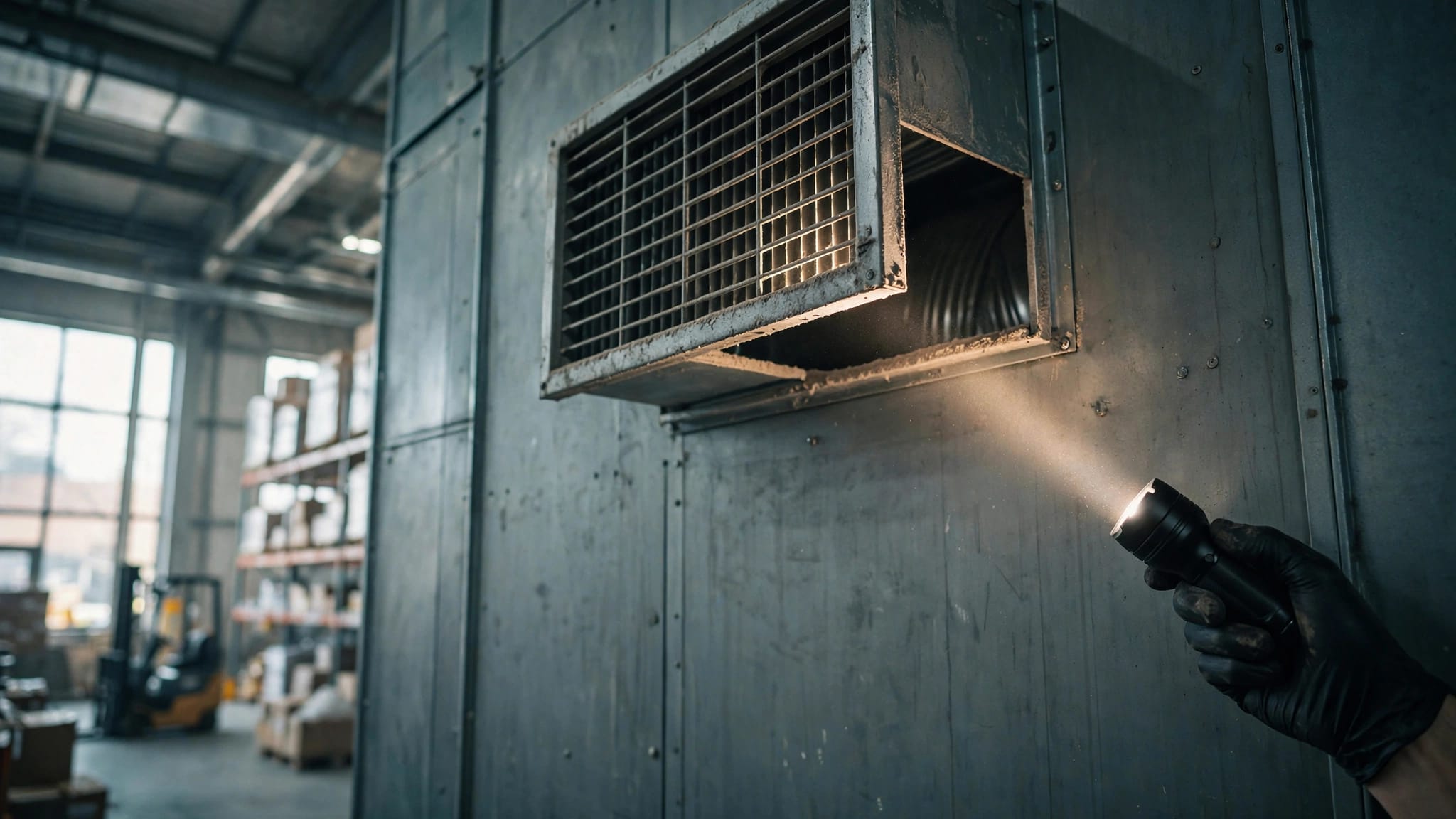
Access also matters when a duct contains visible contamination. If a camera inspection shows heavy debris in a section that tools cannot reach through a register, opening that section may be reasonable. The same applies when a duct has a collapsed liner, loose insulation, or an obstruction that needs direct attention.
Still, cutting isn't automatically part of every cleaning job. A technician who proposes several openings without first checking existing access points should explain the reason for each one.
A proper cleaning plan may include:
- Inspecting the HVAC cabinet, plenums, returns, supplies, and accessible duct runs.
- Identifying areas that equipment cannot reach through existing openings.
- Choosing access locations that avoid wiring, refrigerant lines, plumbing, and structural components.
- Cutting only the openings needed for effective cleaning.
- Installing suitable covers or plugs after the work is complete.
The goal is source removal, not creating holes for appearance. If an opening doesn't improve equipment access or cleaning coverage, it may not be necessary.
What a Proper Duct Access Hole Should Look Like
A professional access opening should look intentional. Its size and location should match the equipment the technician needs to use, while keeping the duct structurally sound.
Technicians may use access panels, removable covers, or purpose-made plugs. The correct choice depends on whether the duct is sheet metal, fiberglass-lined, externally insulated, or flexible. A cover that works on rigid metal ductwork may not work on a flexible duct or an insulated air handler cabinet.
The opening also needs an airtight seal. Gaps can allow conditioned air to escape, draw dusty air into the system, or create whistling sounds when the blower runs. Approved mechanical fasteners, sealants, gaskets, or panels may be used according to the duct material and local code requirements.
A homeowner should be able to see what was installed before the technician leaves. Ask to inspect the finished opening. The cover should fit securely, and the surrounding insulation should remain intact when insulation is present.
A good technician won't leave exposed fiberglass, sharp metal edges, loose foil tape, or an uncovered hole. Ordinary cloth duct tape isn't a reliable long-term repair for ductwork. The sealing method should suit the surface and remain secure under normal heating and cooling cycles.
The opening should also be accessible for future service when possible. A panel hidden behind a permanent wall finish creates another problem later. However, the best location isn't always the most visible one. A technician may need to balance access, airflow, safety, and the home's construction.
Ask these questions before work starts:
- Where do you expect to create an opening?
- Why can't you reach that area through an existing register or service panel?
- What type of cover or plug will you install?
- How will you seal the opening?
- Will the work affect insulation, airflow, or the finish around the duct?
- Can you show me the completed repair before you leave?
The answers should be clear and specific. If a company can't describe its access method, it may not have a careful plan for the job.
When Cutting Holes May Not Be the Right Answer
Access holes aren't a cure for every duct problem. Sometimes the duct is damaged, contaminated with suspect material, or located where cutting could cause greater harm than benefit.
Flexible ductwork needs careful handling. Its inner liner can tear if a technician forces a brush or rotary tool through it. Creating an opening may also weaken the vapor barrier or insulation if the repair isn't completed properly. The cleaning method should match the duct's construction.
Older buildings may contain materials that require additional caution. Suspected asbestos-containing insulation, unusual insulation board, or deteriorated duct liner shouldn't be disturbed casually. A technician should stop and recommend appropriate testing or specialist help when the material's safety is uncertain.
Mold-like growth creates another decision point. Cleaning alone may not solve the source if moisture continues entering the system. A professional should look for condensation, leaks, poor drainage, or other moisture conditions before applying a treatment. No company should promise that a sanitizer or antimicrobial product will fix every indoor air quality problem.
Some areas may be inaccessible without opening walls or ceilings. That doesn't mean the technician should cut through finished surfaces without your approval. Ask whether the proposed opening is in the duct itself, the surrounding drywall, the ceiling, or another building material. Those are separate repairs with different costs and responsibilities.
A duct cleaning company should also explain what it won't clean. For example, removing dust from the air handler and main trunks doesn't automatically mean every branch duct received the same level of attention. Request a written description of the areas included in the service.
For homes and businesses along Florida's Gulf Coast, humidity can add another concern. Moisture near an air handler or poorly insulated duct may contribute to odors and surface growth. Duct access can help with inspection, but it won't replace correcting the moisture problem.
You can review a provider's professional air duct cleaning solutions to see whether the company also handles related HVAC and indoor air quality services. Then ask which service applies to the condition found in your system.
How to Choose a Company That Handles Access Carefully
The safest approach is to choose a company that discusses access before the appointment, not after the technician has already started cutting.
Ask whether the estimate includes an inspection. A technician should understand the system layout before deciding how to reach it. Photos, equipment details, and the age of the ductwork can help, but an on-site inspection gives a clearer picture.
Next, ask whether the company uses negative-pressure vacuum equipment and mechanical agitation when appropriate. The exact method depends on the HVAC system, duct material, and contamination. A large vacuum alone may not remove debris stuck to the interior surface.
You should also ask what happens if the technician finds damaged insulation, standing water, pest debris, or heavy microbial growth. The company should explain the condition, document it when possible, and obtain your approval before adding work.
A written estimate should identify:
- The HVAC systems and duct sections included
- Existing access points the technician plans to use
- Possible new openings and their purpose
- The materials used to close and seal openings
- Any treatment or repair that costs extra
- The steps taken to protect floors, furniture, and finished surfaces
Be cautious with promises that every home needs a fixed number of holes. Duct systems vary too much for a universal access plan. Likewise, a quote that excludes sealing or cleanup may not reflect the full cost of the service.
If you need a clear starting point, you can Get a Free Estimate for air duct or dryer vent cleaning. Ask the company to explain the access plan, the sealing materials, and the areas included before approving the work.
Dryer vent cleaning follows a different path. Technicians typically disconnect the dryer, clean the vent line, and inspect the exterior termination. Access holes may be unnecessary unless the vent has a difficult layout, a blockage, or a condition that requires a targeted inspection. Any opening should still be sealed properly after service.
Conclusion
Air duct cleaning doesn't automatically require cutting access holes. Existing registers and service panels may provide enough entry, but some systems need carefully placed openings for a complete cleaning.
The strongest protection for your home is a clear access plan. Qualified technicians should limit the number of openings, avoid hidden utilities and structural components, and close each opening with a secure, code-appropriate plug or panel. Ask those questions before service begins, and you'll know exactly what work your duct system needs.