Why Dust Returns Fast After You Clean Your Home
You wipe the shelves, vacuum the floor, and by the next day the gray film is back. That cycle can make your home feel harder to manage than it should.
Some dust is normal. But fast dust buildup at home often means particles are being made, stirred up, and recirculated faster than your cleaning routine can trap them. Once you know why that happens, you can slow it down.
Most dust starts inside the house
A lot of people blame open windows or dirty shoes. Those matter, but much of household dust starts indoors. It includes fabric fibers, skin flakes, pet dander, paper bits, lint, and tiny crumbs from daily life.
Normal activity creates more of it than most people realize. Making the bed shakes loose fibers. Sitting on the couch releases lint from upholstery and clothing. Walking across carpet lifts old dust back into the air. A room can act like a snow globe that never fully settles.
Freshly cleaned rooms can even seem dustier at first. Bare surfaces make the next light layer easier to spot, especially in sunlight. Some cleaning tools also stir particles up, so what looked gone may simply be floating until it settles again.
Some dust is normal in every home. Heavy dust that comes back within a day or two may point to airflow, filtration, or maintenance issues.
Outdoor dust still matters too. Pollen, soil, and fine grit come in through shoes, pets, open doors, and window screens. If you live near a busy road, a construction site, or a sandy area, that traffic can add up fast.
Flat, dark, or shiny surfaces show dust first, so coffee tables, TV stands, and baseboards often look dirty before the rest of the room does. Electronics can make the film stand out even more because static attracts fine particles.
Soft surfaces hold on to dust and then release it again. Rugs, curtains, mattresses, and upholstered chairs are common storage spots. Bedding is a big one too, which is why washing sheets and pillowcases every week helps more than many people expect.
Pets can speed the cycle up. So can crafts, paper clutter, and frequent laundry. The more fibers and debris your home produces, the faster dust comes back.
Airflow problems can speed up dust buildup at home
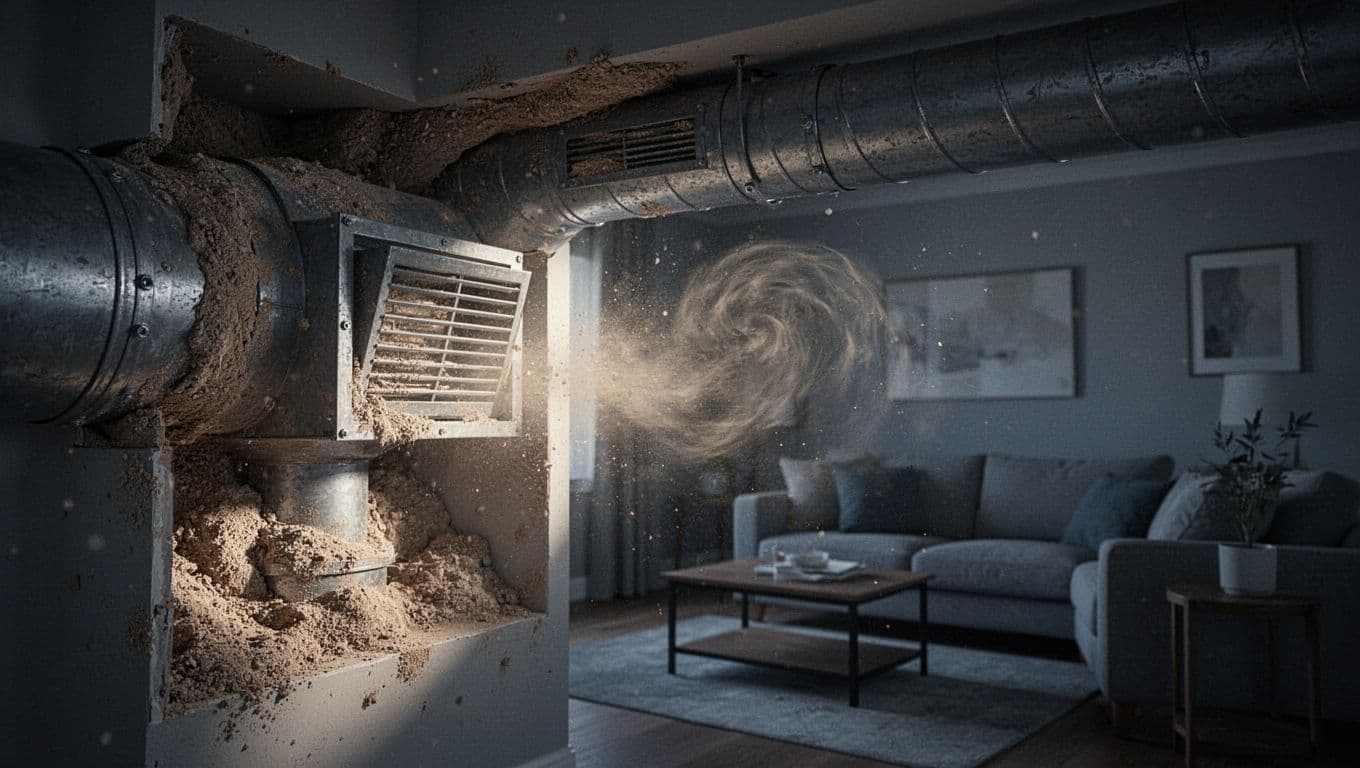
Cleaning habits matter, yet airflow often decides how fast dust returns. If your HVAC system is moving air all day, it can also move fine particles all day. When the filter is cheap, clogged, or the wrong fit, some of that dust keeps circulating instead of getting trapped.
A filter only works if air goes through it. Gaps around the filter frame, a loose return grille, or a poor fit can let particles bypass the system. Renovation dust is even finer, and it can linger for weeks if it gets inside the ductwork.
Return vents are easy to overlook, yet they pull air from the room back into the system. When they are coated with dust, blocked by furniture, or drawing air from leaky wall or attic spaces, the whole house can feel dustier. Dark lines around vent edges sometimes mean air is sneaking through gaps.
Leaks around doors, windows, attic openings, and vent boots can add to the load. In warm climates, where the AC runs for long stretches, that extra air movement can keep dust floating and settling again. If one room gets dusty much faster than the others, that is often a clue that the issue is local.
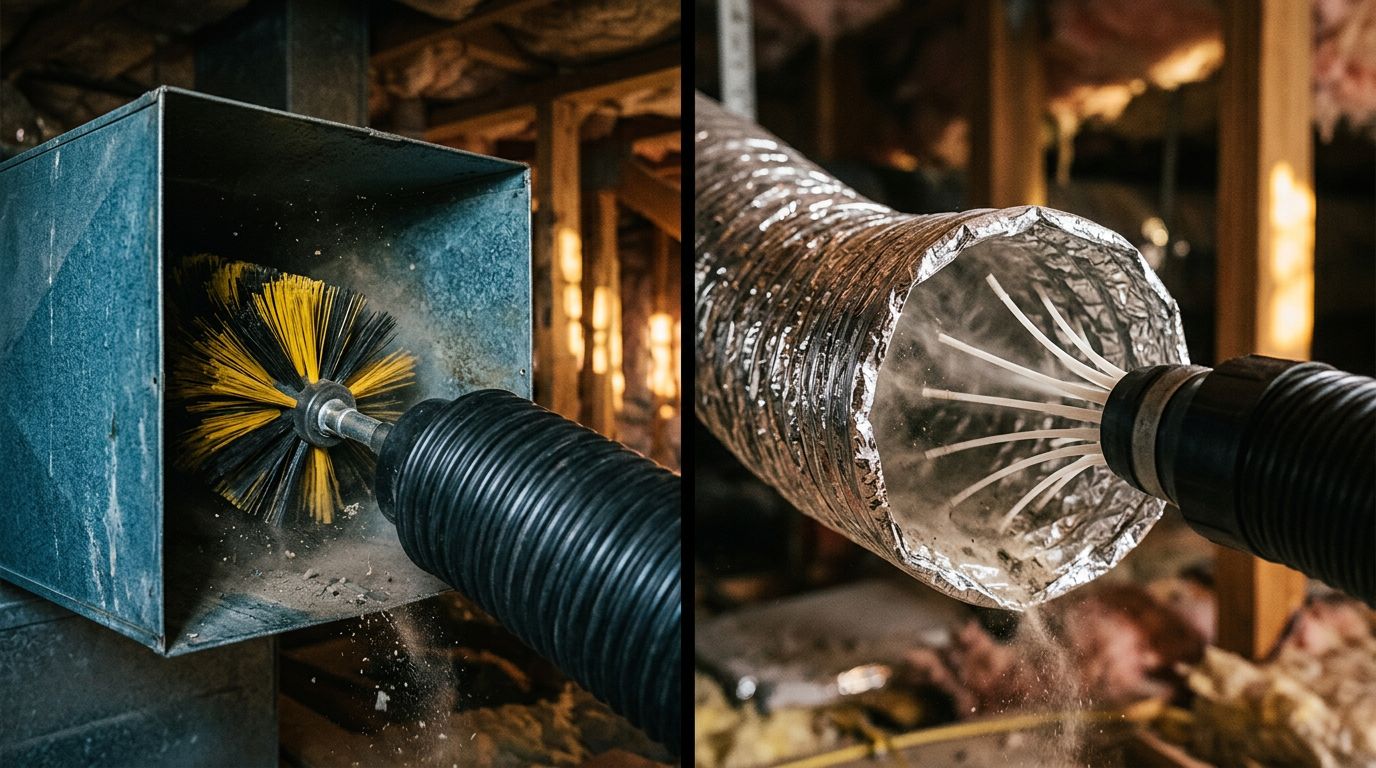
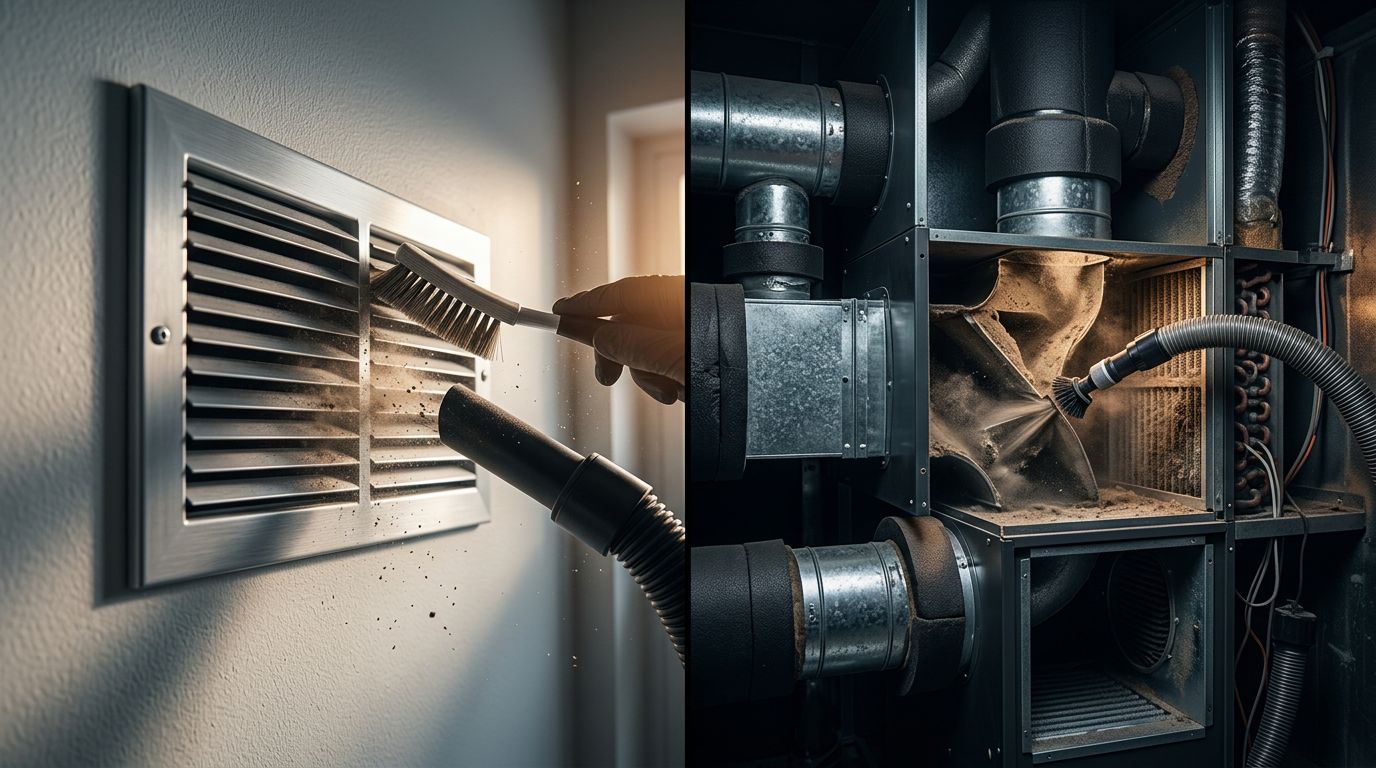
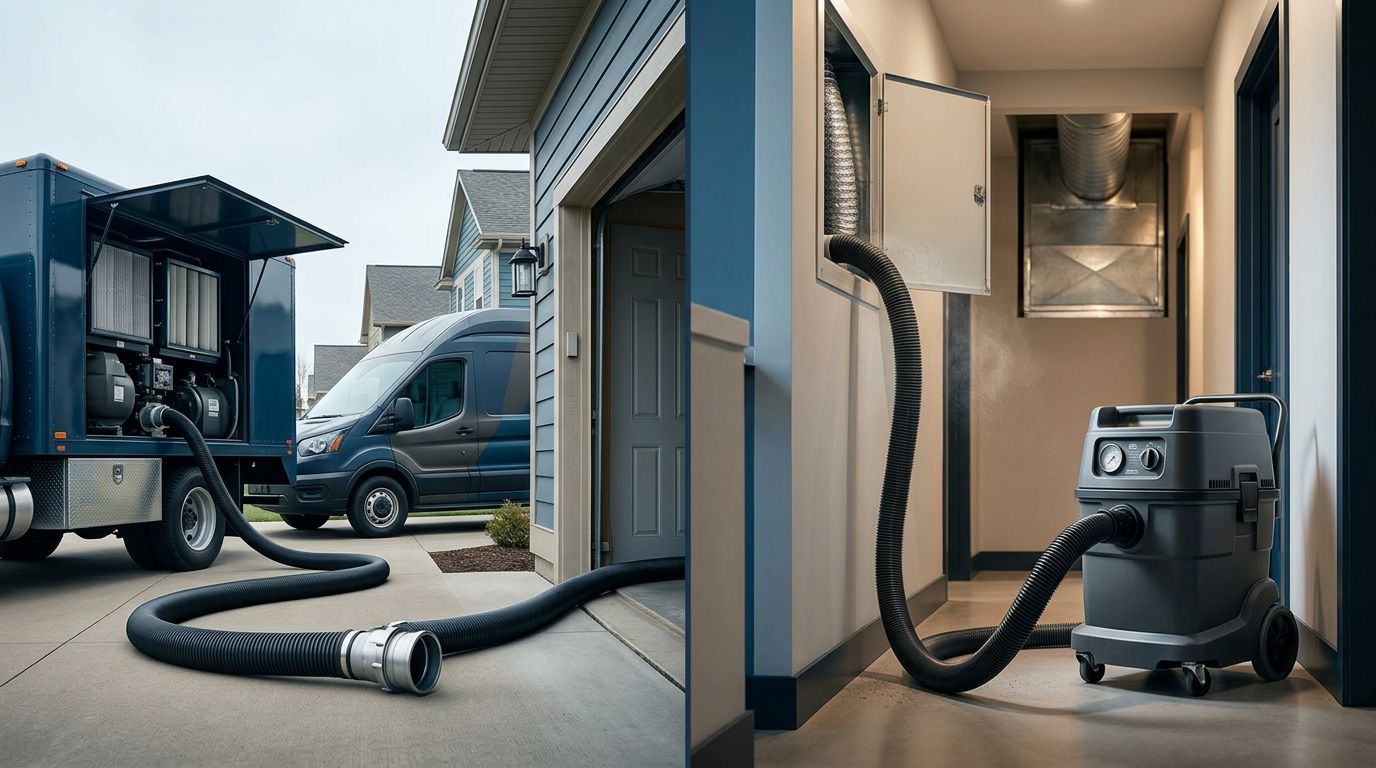
Dirty supply vents and return grilles can also feed the cycle. So can ductwork that has built up debris over time. If you are noticing constant dust around vents, musty airflow, or allergy flare-ups, the health benefits of duct cleaning are worth reading.
Laundry adds another hidden source. Dryer lint is made of tiny fibers, and some of it can escape into the home if the vent is restricted, disconnected, or overdue for service. Clothes taking longer to dry, a hot laundry room, or lint around the machine can all point to a problem. This is one reason why dryer vent cleaning matters for both cleanliness and safety.
Simple fixes that slow dust buildup at home
You will never stop dust completely, and that is okay. The goal is to trap more of it before it lands on every surface.
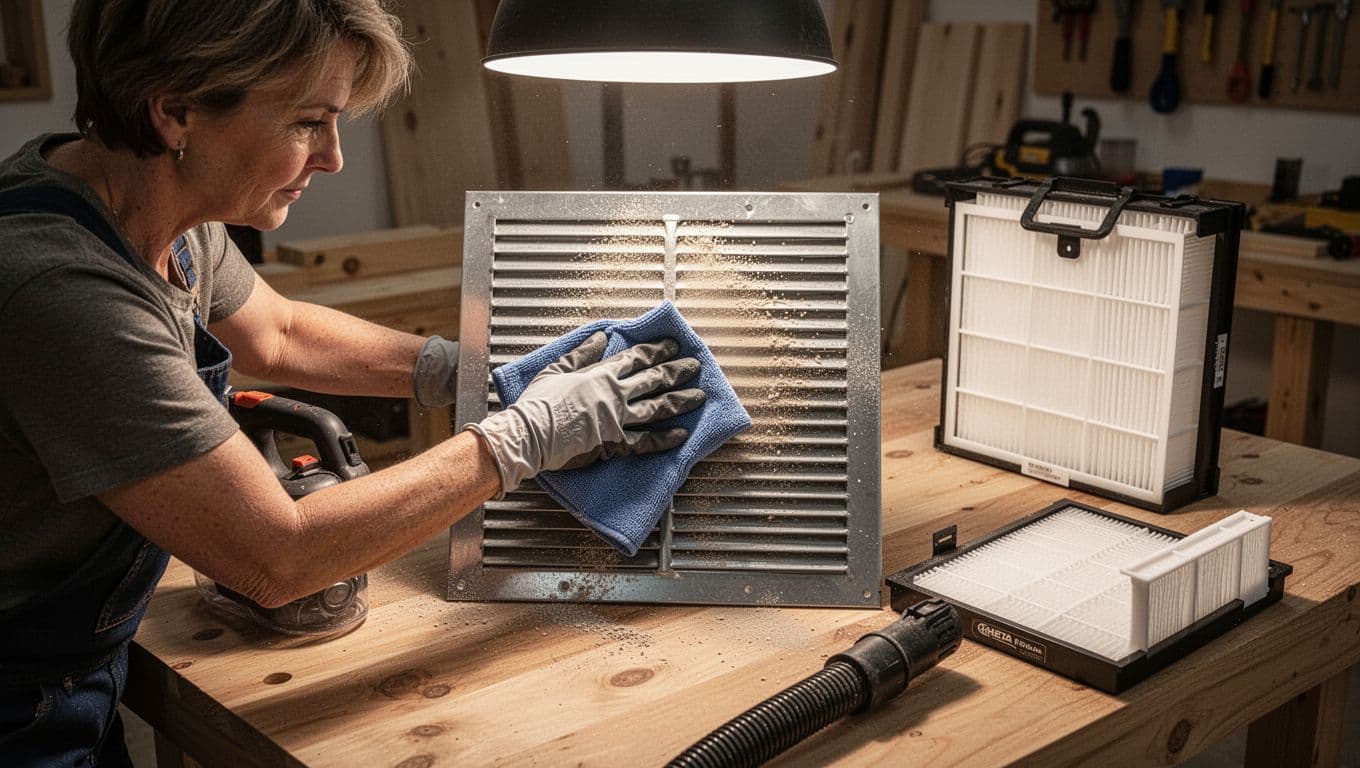
Start with your cleaning order. Dust high spots first, then lower surfaces, then vacuum, and mop last. A damp microfiber cloth works better than a dry duster because it grabs particles instead of pushing them back into the air.
A few practical habits make a real difference:
- Use a better pleated HVAC filter, and change it on schedule.
- Vacuum carpets, rugs, and upholstery with a HEPA-filter vacuum.
- Wash bedding often, including comforters, pillow covers, and pet beds.
- Reduce clutter on shelves and around vents, since more objects collect more dust.
- Check supply and return vents for buildup, and keep furniture from blocking airflow.
- Seal obvious leaks around windows and doors, especially if you feel drafts.
If your system can handle it, ask an HVAC pro what filter level makes sense. The best filter on the shelf is not always the best choice if it chokes airflow. A properly fitted filter that gets changed on time usually beats an expensive one left in too long.
Simple entry habits help too. Door mats catch grit before it spreads, and taking shoes off indoors cuts down on soil and pollen. In homes with pets, regular brushing and clean pet bedding can lower the amount of hair and dander that ends up in the air.
Also pay attention to what keeps feeding dust back into the room. Ceiling fans, blinds, fabric headboards, and even vent covers collect fine particles fast. If you skip them, the rest of your work does not last as long. Bathrooms, kitchens, and nearby hallways can get dusty faster too when grilles are dirty and air keeps moving debris around.
When dust keeps returning soon after you clean, it helps to look past the furniture and toward the system moving air through the house. If vents seem dirty, airflow feels uneven, or the laundry area stays linty, it may be time to Get a Free Estimate for a closer look.
Dust comes back fast because homes are always making it, and air is always moving it. When you improve filtration, clean from top to bottom, and fix vent or leak issues, the cycle slows down.
That is the real goal, a home that stays cleaner longer with less chasing and less guesswork. Some dust is normal , but nonstop buildup usually means there is a cause you can address.