Air Duct Cleaning for Florida Condos and High-Rise Units

Adkins Duct Cleaning • April 30, 2026

Florida condos and high-rises put HVAC systems under a different kind of stress. Humidity, shared construction, and limited access can all change what a cleaning job should look like.

That matters if you own, manage, or lease a unit. Dust in one condo may stay local, but moisture, drywall grit, and odors can spread through the system if the work is rushed.

Before you book service, it helps to know where the ductwork ends and the building system begins. That line changes the scope, the price, and the cleaning plan.

Why condo ductwork needs a different approach

A condo HVAC setup is not the same as a single-family home. In many buildings, the unit owner controls only part of the system. The HOA or property manager may control the rest.

That means the first question is simple: what belongs to the unit, and what belongs to the building?

System part Who usually controls it Why it matters
In-unit ducts Owner, landlord, or tenant access rules Often can be cleaned with building approval
Shared risers or central shafts HOA or building management May need broader approval before any work
Air handler and coil Often inside the unit Dust here can keep circulating after duct cleaning
Dryer vent Usually separate from supply ducts Needs its own plan and access route

Shared risers, central shafts, and in-unit ducts are not the same job. The cleaning plan should match the system.

A good contractor will ask for unit access details before quoting the work. If they do not, that is a red flag. If you want a pricing baseline, a Florida air duct cleaning cost guide can help you compare bids with more confidence.

Florida humidity changes the cleaning conversation

Humidity is part of life on the Gulf Coast, and it affects ductwork. Moist air can settle in cool spaces, especially near coils, returns, and utility closets. Over time, that can leave behind a musty smell or visible residue.

Seasonal owners face another problem. A unit that sits closed for months can collect stale air, light dust, and moisture. When the AC starts up again, those odors show up fast.

The biggest concerns in Florida condos are usually practical, not dramatic:

  • Humidity control gets harder when the system runs often.
  • Pet dander can build up in occupied units.
  • Renovation dust can spread after floor, kitchen, or bath work.
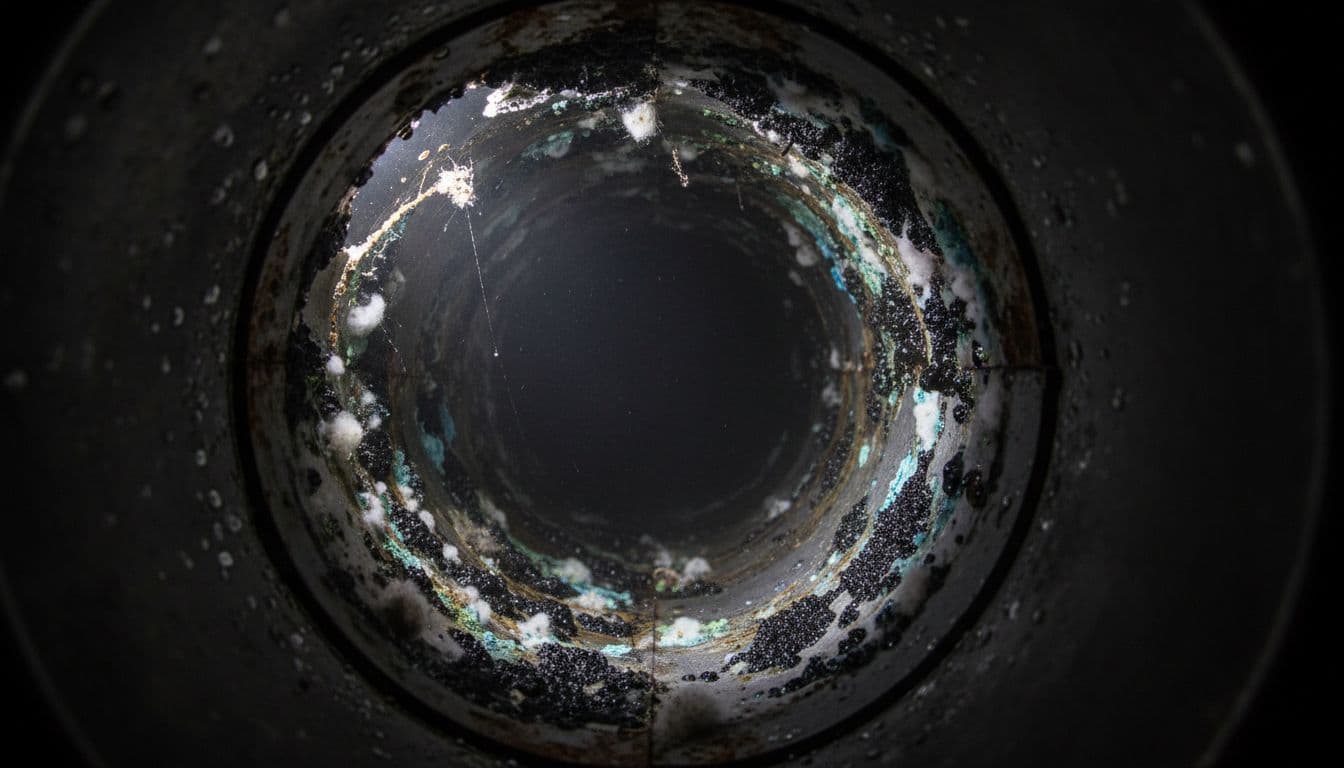
  • Mold concerns rise when there is past water intrusion or poor drainage.

EPA guidance on indoor air quality treats duct cleaning as useful when there is a clear reason, like debris or contamination. That fits condo life well. The goal is source control, not a promise that one service fixes every air problem.

If a unit has recurring odor, visible growth, or moisture problems, cleaning should be paired with inspection. Otherwise, the issue may come back.

Signs your unit may be ready for service

Some signs are easy to miss because condo systems are compact. You may notice dust on vents soon after cleaning the unit. Or you may smell a damp odor when the system first turns on.

Other clues are more direct. A remodel can leave drywall dust in returns. Pets add fur and dander. In a part-time unit, long quiet periods can let debris settle in place.

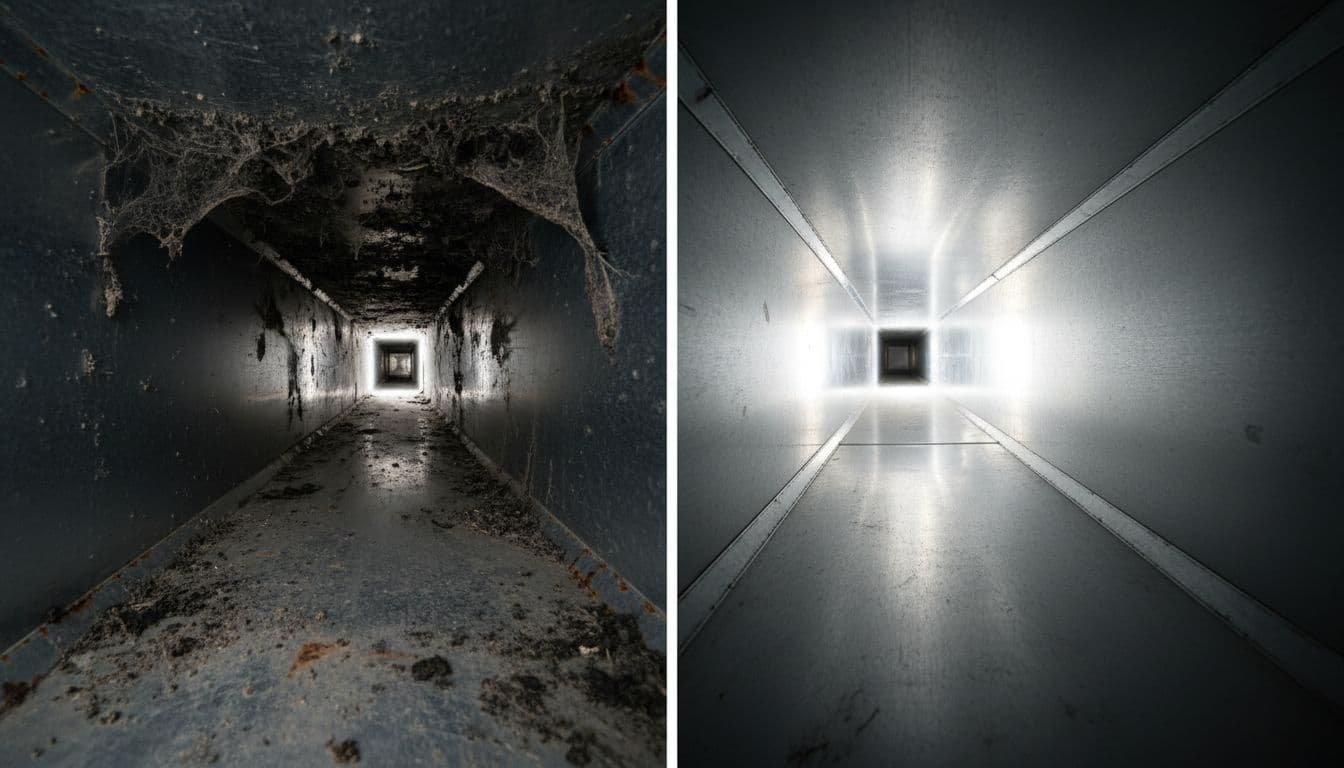
A before-and-after view helps here. It shows whether the work changed the system or just the surface.

Cleanings make the most sense when you can point to a reason, such as:

  • visible dust buildup at registers
  • musty smells after the AC starts
  • post-renovation debris
  • pet hair in returns
  • water intrusion or past condensation issues

If the only issue is a light layer of dust, a full system cleaning may not be needed right away. A good company should say that clearly.

What a proper high-rise cleaning should include

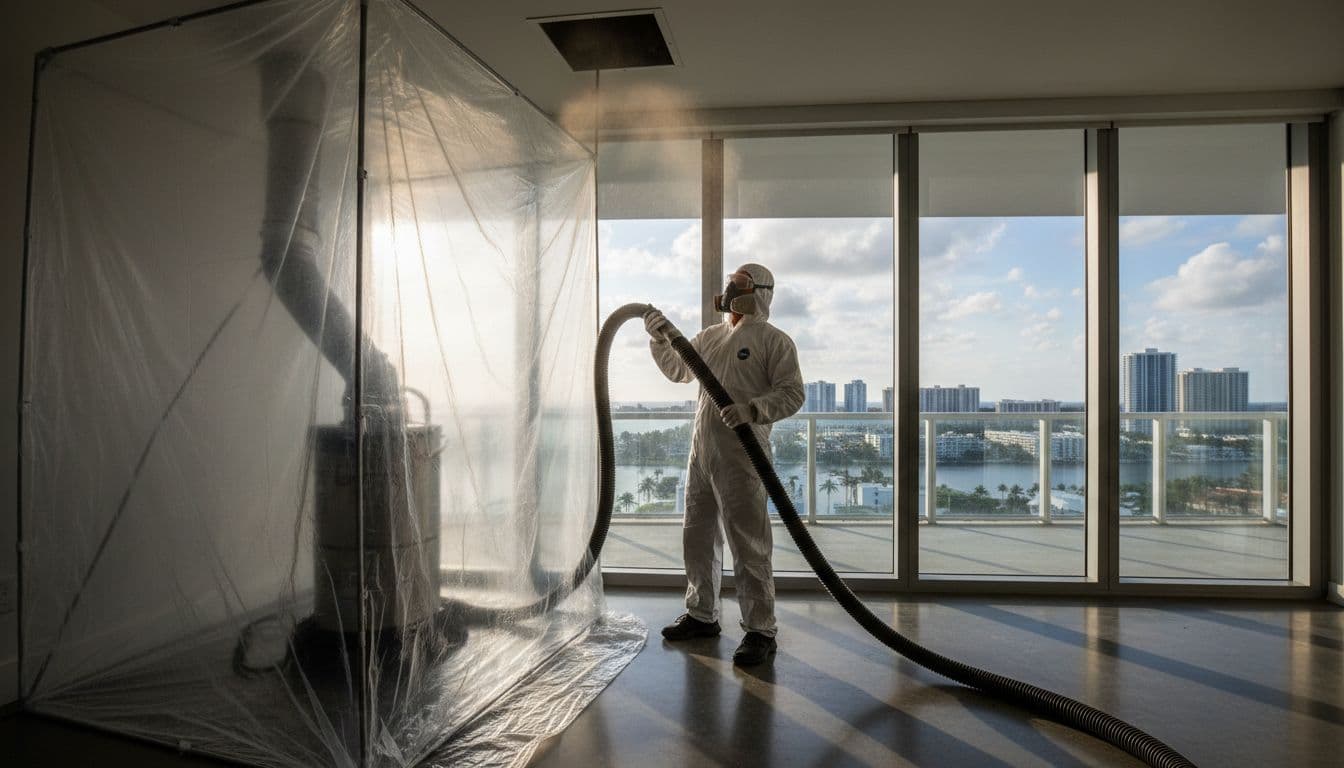
Condo work should be contained. That starts with protecting flooring, sealing access points, and using negative-pressure equipment so loosened dust is pulled into the vacuum system instead of back into the unit.

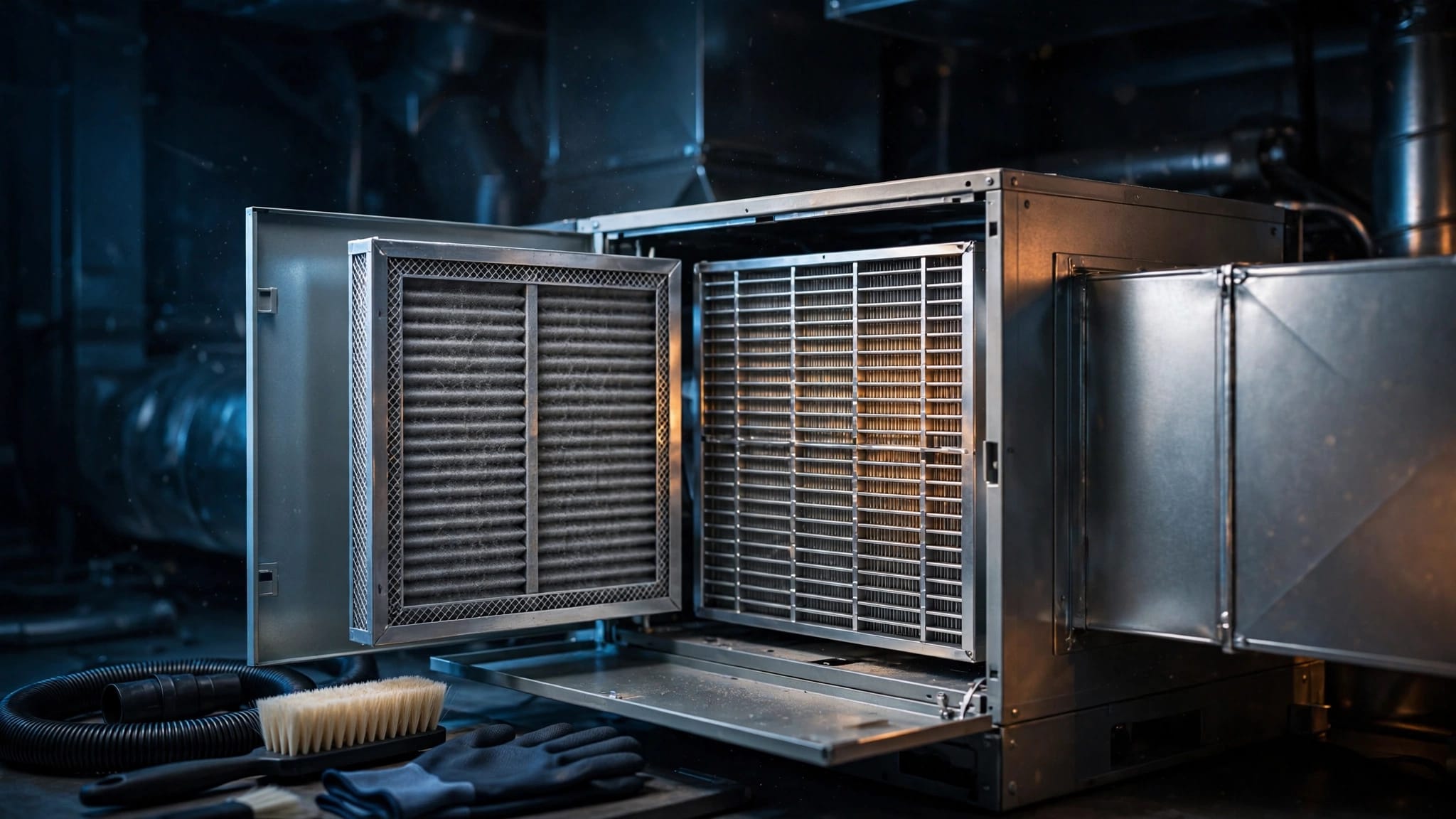
The technician should also inspect the air handler, returns, supply runs, and nearby components. If the coil or blower cabinet is dirty, cleaning the ducts alone will not solve the problem.

A sound process usually includes before-and-after photos. That matters in condos because owners may be off-site, and managers need proof that the job matched the scope.

For buildings with tight access, ask how the crew will move equipment, protect common areas, and control dust. The answer should be specific. If it sounds vague, keep asking.

NADCA's ACR standard is a useful benchmark here. It focuses on assessment, cleaning, and verification, which is exactly what a condo job needs.

Working with HOA boards and property managers

In a high-rise, coordination matters as much as cleaning skill. The HOA may require advance notice, COI paperwork, elevator reservation, or approved work hours. Property managers may also need the contractor's scope before they allow access.

That is normal. It protects the building and keeps neighbors from dealing with dust in the hallway or noise at the wrong time.

A solid contractor should be comfortable with that process. They should also know when a shared system is outside the unit owner's control. If risers or central air components are involved, the cleaning plan may need to be approved at the building level.

This is where the right company helps most. Look for one that understands Florida duct cleaning services in condos, not just single-family homes. If your building allows it, you can also Get a Free Estimate and ask how access, containment, and documentation will be handled.

A few good questions can save a lot of trouble:

  • Will you clean only in-unit ductwork, or the air handler too?
  • How do you contain dust during the job?
  • Do you provide photos before and after?
  • What building approvals do you need first?

The practical takeaway for Florida condos

Florida condo duct cleaning works best when the scope matches the building. That means knowing who controls the system, checking for moisture or debris, and planning around HOA rules before the first vent is opened.

When the process is handled well, you get cleaner airflow, less dust, and fewer surprises for owners or tenants. In a high-rise, that level of coordination matters as much as the cleaning itself.

By Adkins Duct Cleaning April 29, 2026
A burning smell from air vents can be harmless for a few minutes, or it can point to a real problem. The hard part is telling the difference before a small issue turns into a safety risk. If the smell shows up when you first turn on heat after months of use, dust may be burnin...
By Adkins Duct Cleaning April 28, 2026
New homes can hide more dust than older ones. Fresh paint and clean floors don't mean the ductwork is ready for move-in. In Florida, that matters even more because HVAC systems run hard and humidity hangs around. Drywall dust, sawdust, insulation fibers, and packaging debris c...
By Adkins Duct Cleaning April 27, 2026
Hurricane season doesn't end when the wind stops. In many Florida homes, the bigger issue shows up later, when damp air, attic leaks, and storm debris linger inside the HVAC system. That doesn't mean every house needs duct cleaning after a storm. But if water got into the syst...