Should You Clean Air Ducts After Buying a Florida Home?
Buying a house in Florida comes with sunshine, salt air, and a few hidden questions about the HVAC system. One of the biggest is whether the ducts need cleaning right away.
The short answer is no, not always. If the home is dry, the system has been maintained, and the vents look normal, an inspection may be enough. But if you find mold, pests, heavy dust, smoke smells, or renovation debris, duct cleaning moves from optional to smart.
Before you schedule anything, it helps to know what actually calls for service and what does not.
When a New Florida Home Really Needs Duct Cleaning
The EPA does not recommend routine cleaning on a fixed schedule. It says ducts should be cleaned as needed. If you want a deeper look at the value question, see whether duct cleaning makes a difference.
For new Florida homeowners, the real test is what the system looks and smells like. A clean-looking house can still hide a dirty blower, clogged coils, or a return line packed with debris.
| Situation | What it usually means | Best next step |
|---|---|---|
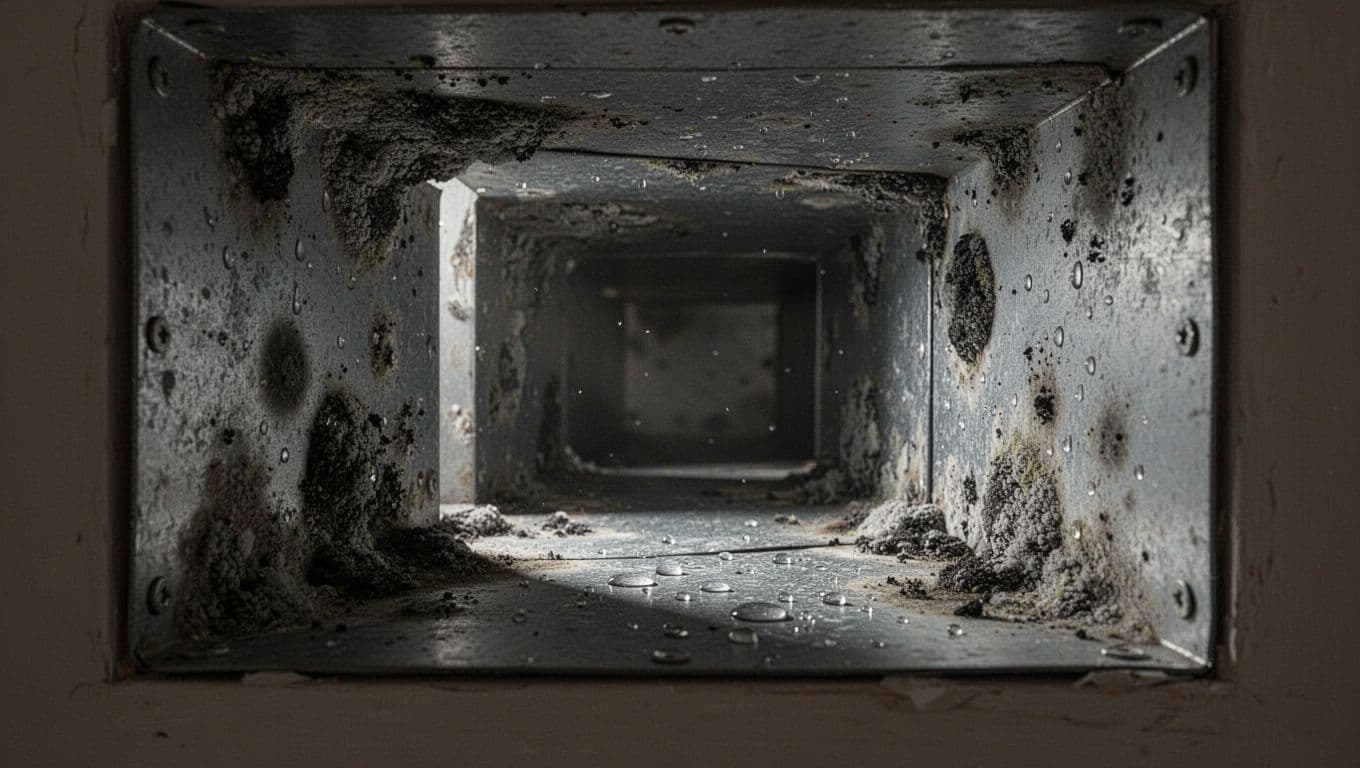
| Visible mold, pest droppings, or wet insulation | Cleaning is likely needed, and damaged materials may need replacement | Schedule an inspection and service quickly |
| Dust at vents, mild odor, or no service records | The system may need a closer look | Inspect the ducts, coils, and drain line first |
| Clean vents, steady airflow, recent maintenance | The ducts may be fine | Keep up with filters and annual HVAC checks |
That simple split saves money and keeps panic out of the process. You do not need a cleaning just because you bought the home. You do need one when the system shows signs of trouble.
Florida Humidity Changes the Math
Florida homes deal with moisture all year. Air conditioners run often, which means more condensation, more wear, and more chances for mold to grow where you cannot see it.
That is why duct cleaning in Florida often comes with a bigger checklist. The ducts matter, but so do the coils, drain lines, filters, duct insulation, and duct sealing. If any of those parts trap water or leak air, the problem can return after a cleaning.
In other words, cleaning dry dust out of a wet system is like sweeping a leaky porch. It helps for a moment, then the mess comes back.
NADCA's current approach is practical. Get the system inspected, clean the whole HVAC system when contamination is present, and fix the moisture source first. That matters in Florida because humidity can turn a small issue into a bigger one fast.
If moisture is still getting into the system, cleaning alone won't solve the problem.
Signs It Is Time to Clean, Not Guess
A new owner does not need to open every vent and worry about what might be inside. The better move is to look for clear signs.
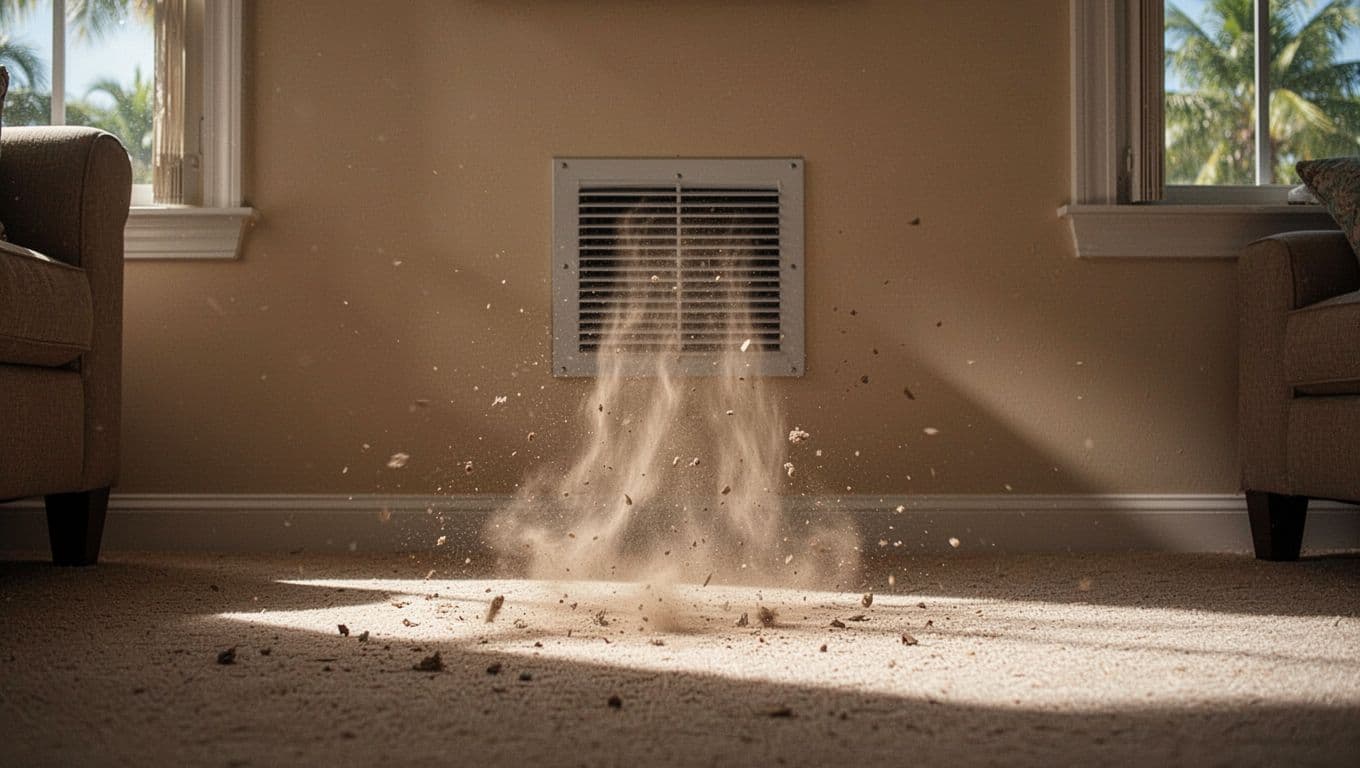
- Visible dust or debris blowing from vents
- Musty, moldy, or stale smells from the AC
- Pest contamination, such as droppings or nesting material
- Smoke odors that linger after moving in
- Heavy buildup after remodeling or flooring work
- Poor HVAC maintenance history, especially with old filters
If one of those sounds familiar, a cleaning starts to make sense. If several do, it makes even more sense.
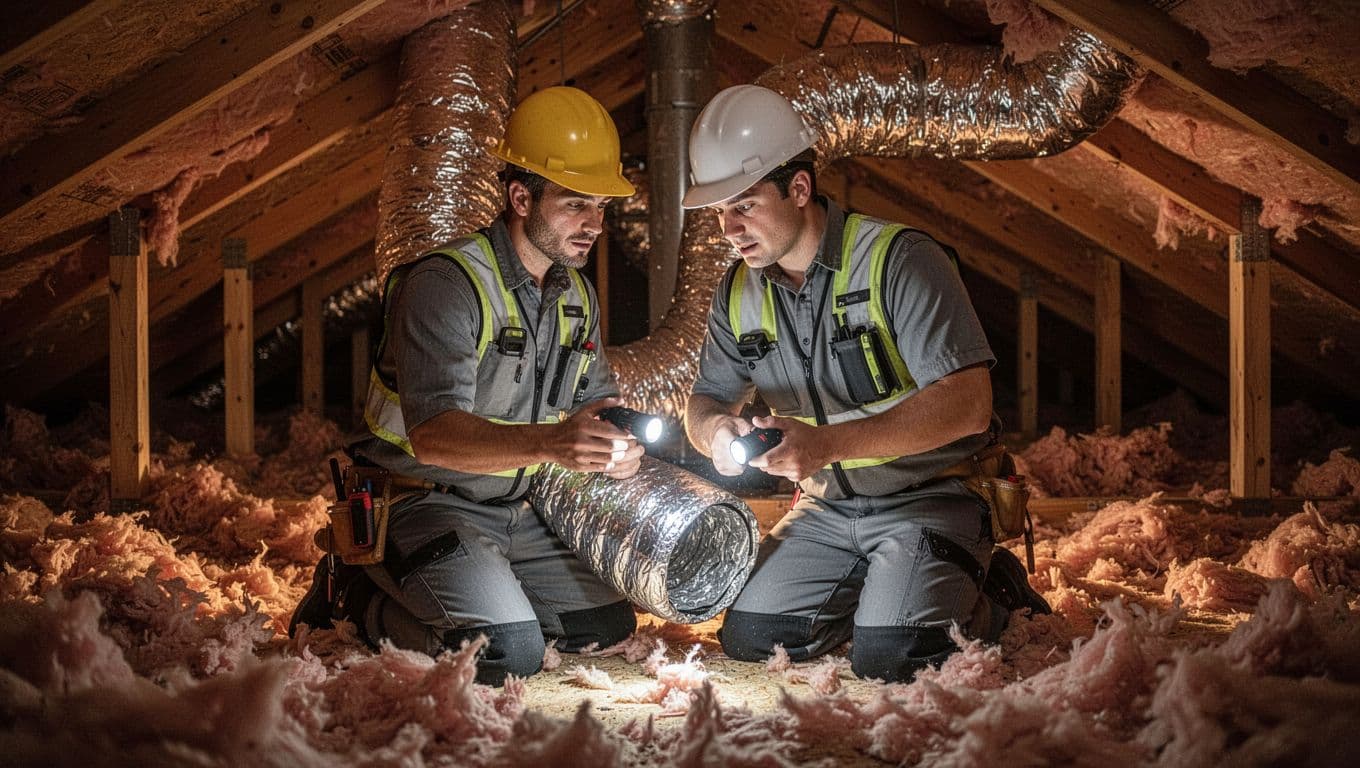
This is also where a professional inspection helps. A good tech can tell the difference between normal dust and a real problem. For homeowners who want a broader view of indoor air quality, regular duct cleaning for healthier air explains how clean ductwork can support the rest of the home.
The key is to stay calm and look at evidence. Dust alone does not always mean the ducts are dirty enough for a full cleaning. However, dust plus odors, moisture, or pest signs is a different story.
How to Choose a Reliable Pro
Not every company follows the same standard. That matters, because duct cleaning done poorly can stir up debris without fixing the source.
Look for a company that follows NADCA-aligned methods or has a strong reputation for full HVAC cleaning. Ask what is included. The answer should cover the supply and return ducts, registers, grilles, blower area, coils, and drain line checks, not just the vents you can see.
Also ask how they protect your home from dust, and whether they will point out damaged insulation or leaky ducts. Those details matter in Florida. If the insulation is wet or the ducts are poorly sealed, cleaning is only part of the job.
A trustworthy pro will not push fear. They will explain what they found, what needs attention now, and what can wait. If you want a local estimate, you can Get a Free Estimate and ask about inspection, cleaning, and related HVAC concerns at the same time.
That kind of visit gives you more than a sales pitch. It gives you a clear picture of the system you just inherited.
Conclusion
So, should you clean air ducts after buying a Florida home? Sometimes, yes. Not because every new homeowner needs it, but because Florida heat and humidity can turn hidden buildup into a real issue.
If the home shows mold, pests, smoke odor, heavy dust, or post-renovation debris, cleaning is a smart move. If the system looks sound, start with an inspection and keep an eye on the coils, drain lines, filters, and sealing.
A good decision here is simple: clean when the system needs it, inspect when it does not . That keeps your new home comfortable without falling for scare tactics.