Can You Clean Air Ducts Yourself in Florida Homes?

Adkins Duct Cleaning • May 9, 2026

Most air duct cleaning Florida questions come down to one thing, what can you clean safely without opening the system too far? In a Florida home, the answer is usually yes for registers, grilles, and a small stretch of accessible duct, but no for deep runs, mold, or anything tied to the air handler.

Humidity changes the rules. Once moisture, pests, or damaged insulation enter the picture, the job stops being simple upkeep and becomes an HVAC issue. That is where careful inspection matters more than a vacuum.

The short answer for Florida homes

Yes, you can clean some parts of your air system yourself, but only the easy-to-reach parts. That means the visible covers, return grilles, and the first section of duct you can reach without forcing tools through the system.

For most homeowners, the safe line is clear. If you can see it, reach it, and clean it without disturbing insulation or sealed joints, it may be a DIY task. If you cannot, it belongs to a pro.

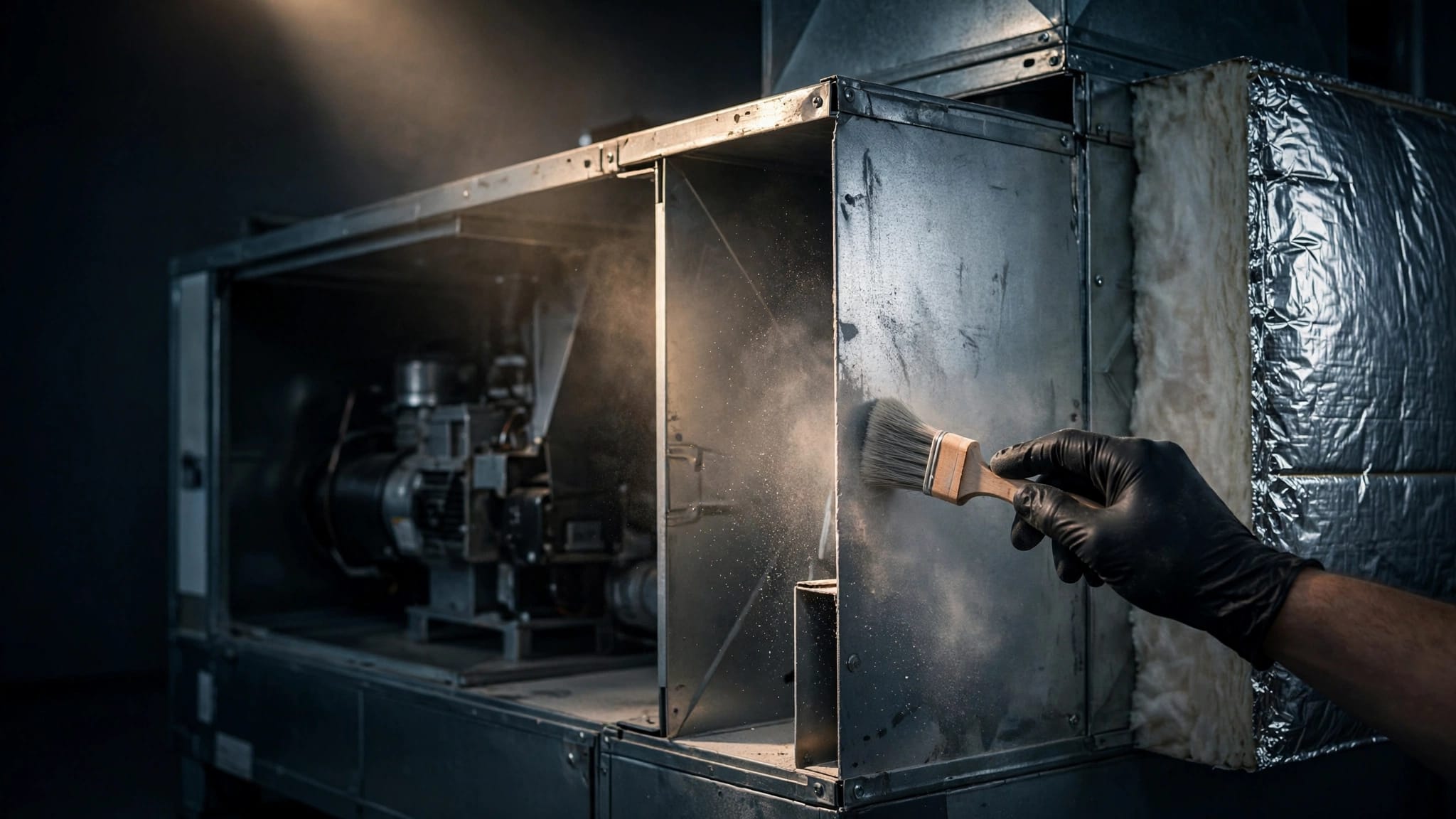
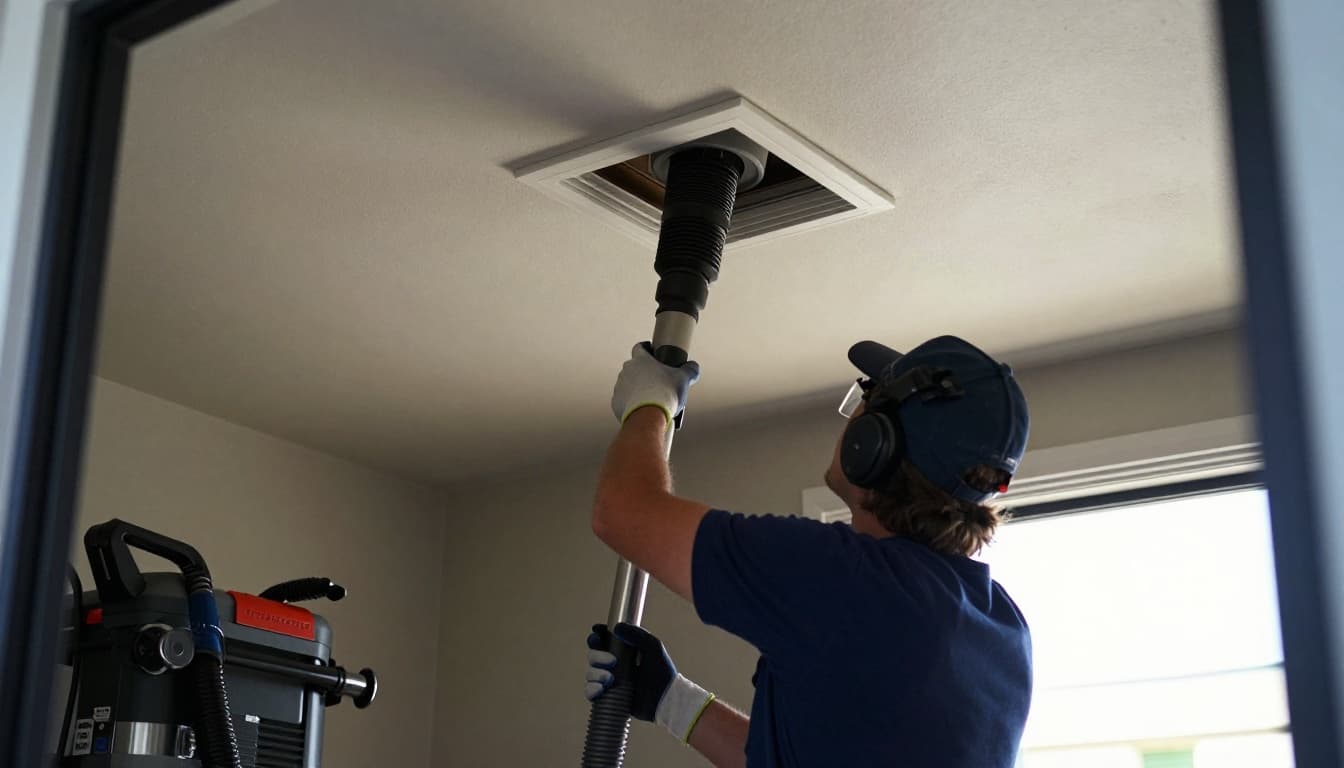
Deep duct cleaning, mold contamination, damaged ducts, and air handler or coil issues usually require a licensed HVAC professional. Those parts are easy to damage and hard to clean well without the right equipment. A household vacuum can help with surface dust, but it cannot replace proper containment and negative-pressure cleaning.

If you can reach it safely, clean it. If you have to pull apart the system, stop there.

Simple DIY tasks you can handle

A few basic jobs are fair game for most Florida homeowners. They do not solve every air quality issue, but they do keep dust from piling up around the parts you see every day.

  1. Turn off the HVAC system first. This keeps loose dust from moving through the house while you work.
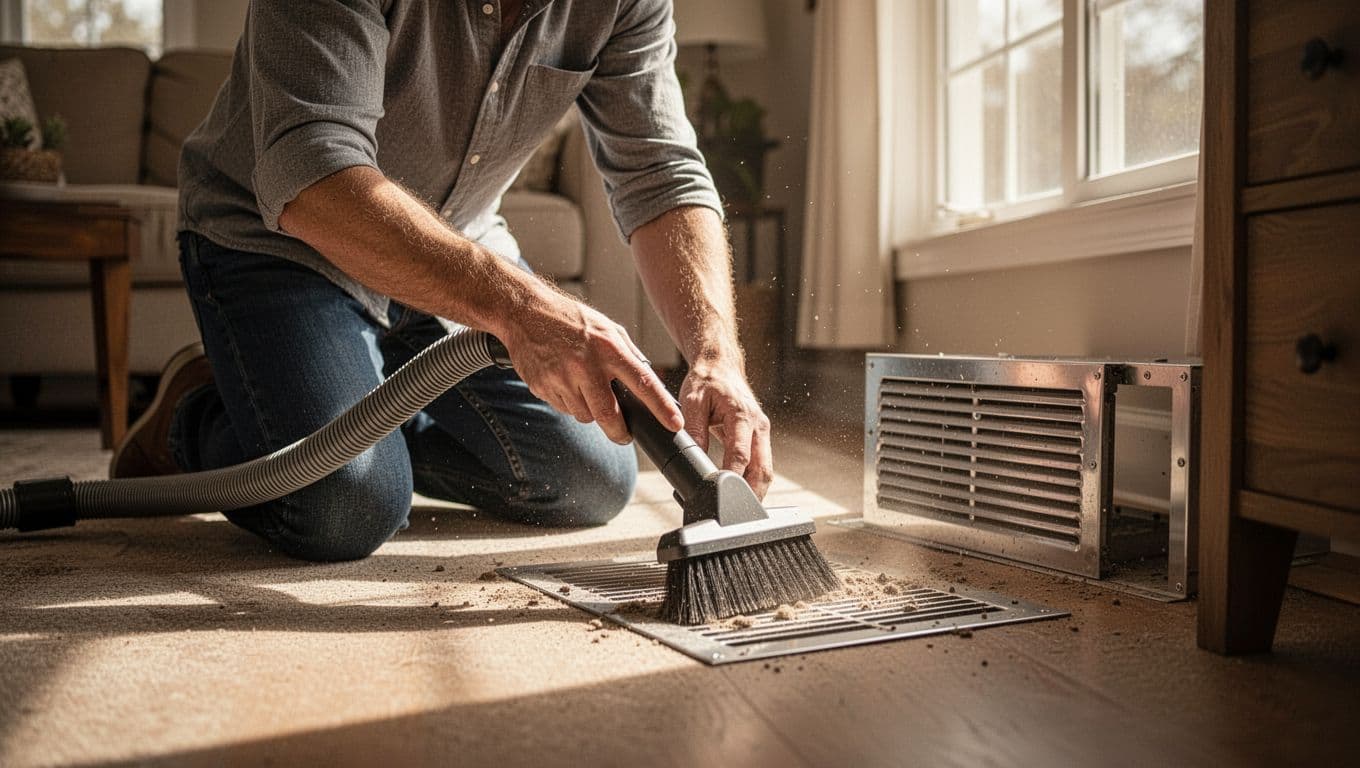
  2. Remove the vent covers and wash them. Warm water, mild soap, and a soft brush are usually enough for metal grilles.
  3. Vacuum the visible opening. Use a brush attachment and clean only the section you can clearly see.
  4. Replace the air filter. A fresh filter helps keep new dust from moving through the system.
  5. Check the area around each vent. Look for moisture stains, loose tape, torn insulation, or signs of pests.

These jobs are small, but they matter. Clean registers and filters can improve airflow and make the rest of the system easier to maintain. They also help you spot trouble before it spreads.

The important part is restraint. Do not push brushes deep into flex duct. Do not spray household cleaners inside the ductwork. Do not break open sealed sections just to see what is inside.

Why Florida ducts get dirty faster

Florida homes deal with conditions that make duct problems show up sooner. Heat, humidity, attic space, and storm season all work against a dry, clean system.

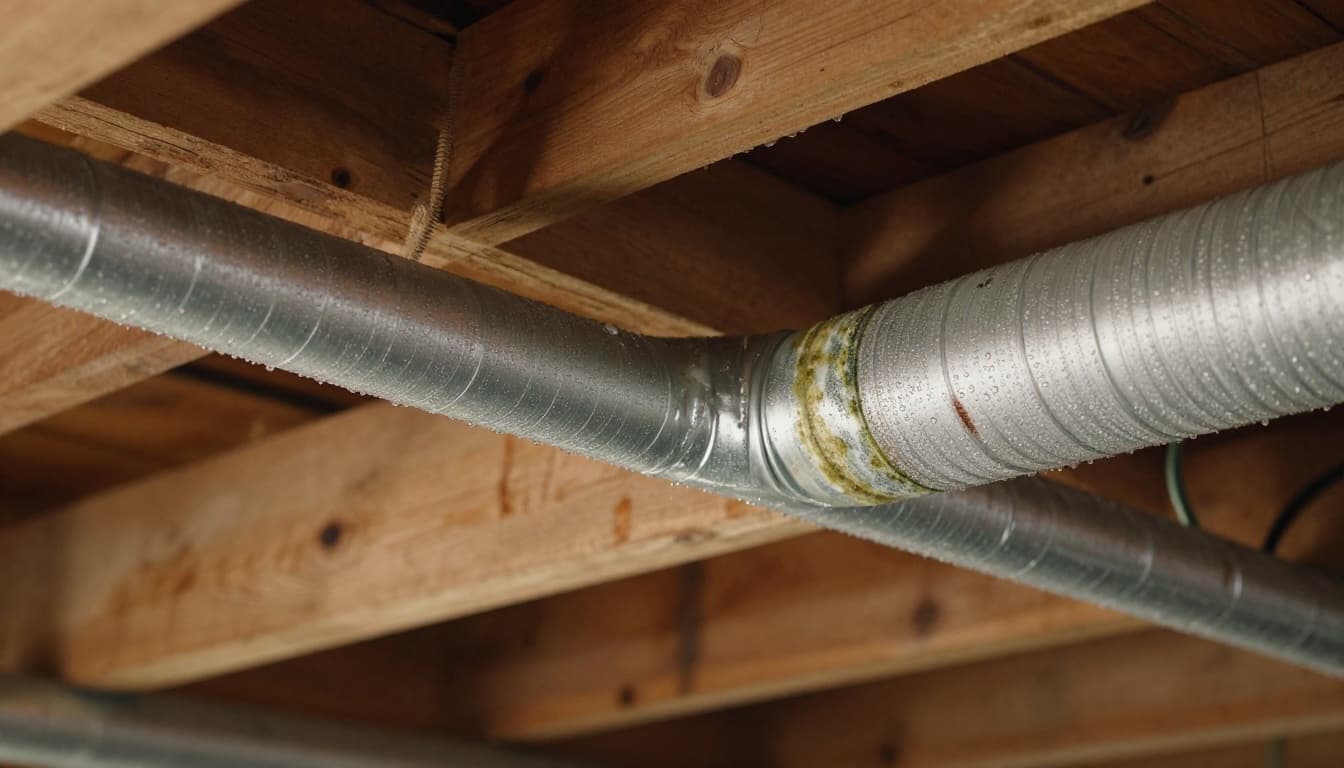
Attic ductwork is a big one. In many homes, ducts sit in spaces that get hot in the afternoon and cooler when the AC runs. That temperature swing can lead to condensation on cold surfaces. When moisture collects, dust sticks more easily, and mold has a better chance to grow.

Florida weather also brings pollen, sand, and fine debris into the home. Add a few roof leaks, a damp attic, or a clogged drain pan, and the ducts can start to smell musty. That smell is often a moisture clue, not just a dust problem.

Pests create another layer. Small gaps can let insects or rodents get into attic runs or return spaces. Once that happens, droppings, nesting material, and odor can move through the system. Cleaning the vent face will not fix that.

For a plain-language take on when duct cleaning makes sense, the EPA's duct cleaning guidance is useful. It points homeowners toward visible mold, vermin, and heavy debris rather than a fixed cleaning schedule. NADCA's proper cleaning methods also stress cleaning the whole HVAC system, not only the parts you can see.

When DIY stops being a good idea

There is a clear point where a weekend project turns into a repair job. If the issue goes beyond dust on a vent cover, it is time to slow down and inspect the bigger system.

Here is a quick way to sort the problem:

Situation DIY? Best move
Dust on registers and grilles Yes Remove, wash, and vacuum
First few inches of visible duct Sometimes Clean only if you can reach it safely
Dust deep inside ducts No Use a licensed HVAC professional
Visible mold or wet insulation No Find and fix the moisture source
Rodent droppings or insect nests No Get professional cleanup and sealing
Air handler, coil, or blower dust No Leave it to HVAC service

The table says most of the story. Surface dust is manageable. Hidden contamination is not.

If you see dark growth, wet insulation, loose duct connections, or crushed flex duct, stop. Those problems often trace back to a leak, poor sealing, or a drainage issue. Cleaning alone will not solve them.

That is also where the rest of the HVAC system matters. The air handler, evaporator coil, drain pan, and blower compartment all need the right handling. A pro can inspect those parts without spreading debris through the house. If the job is bigger than basic upkeep, our air duct cleaning services are a better fit than a do-it-yourself pass with a shop vac.

A good Florida HVAC pro should also know how to handle attic access, moisture checks, and containment. That matters because a bad cleaning job can stir up dust and leave the real issue untouched. Ask about licensing, insurance, and whether the company checks for moisture before cleaning.

How to keep ducts cleaner between cleanings

Once the system is clean, the goal is to keep it that way as long as possible. Small habits help more than most people think.

  • Change filters on time. A clogged filter lets more dust settle in the system.
  • Keep return grilles clear. Furniture and rugs should not block airflow.
  • Watch for condensation. Water around vents or in the attic needs attention fast.
  • Check after storms. Roof leaks and attic moisture can spread through ductwork.
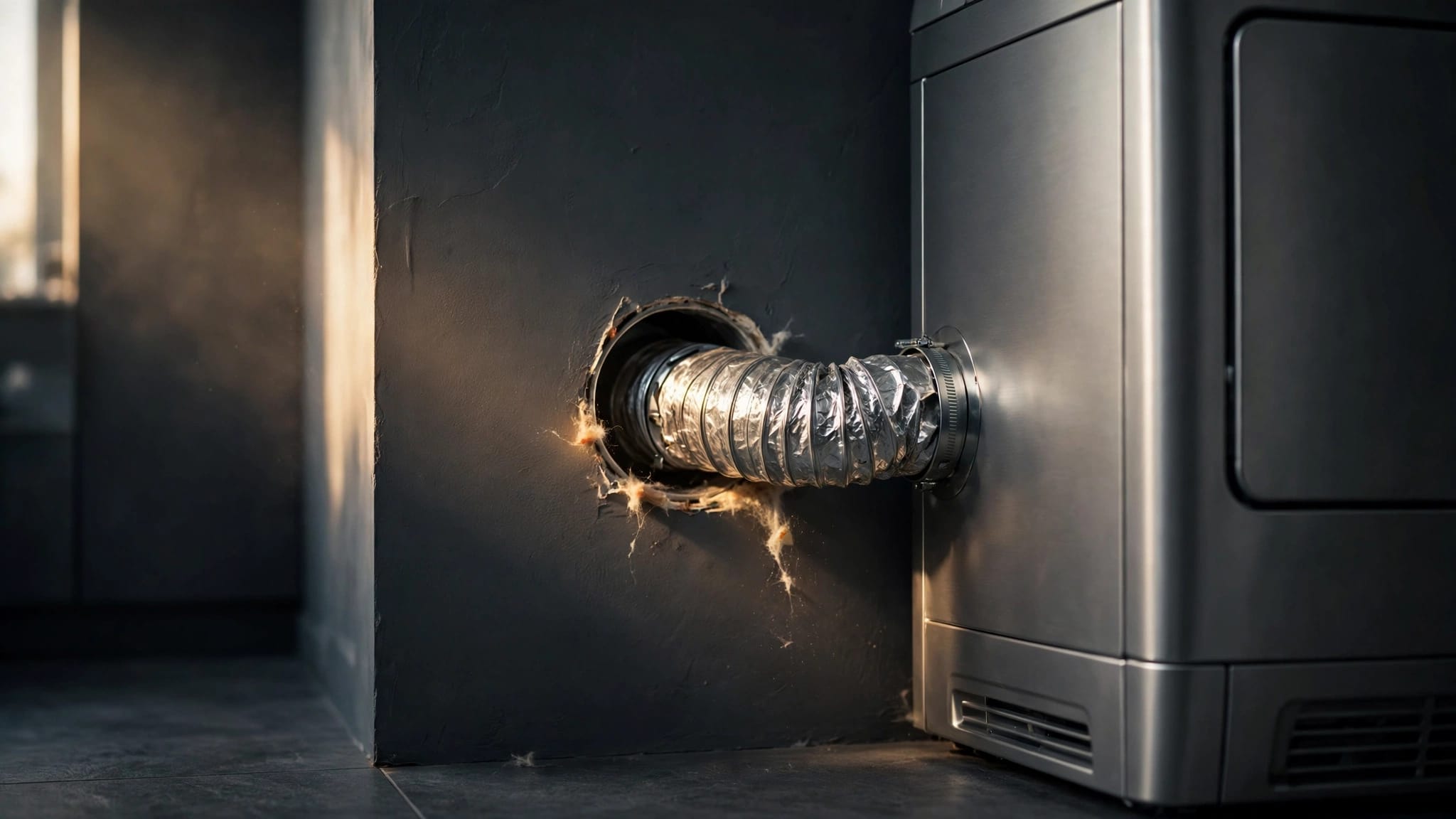
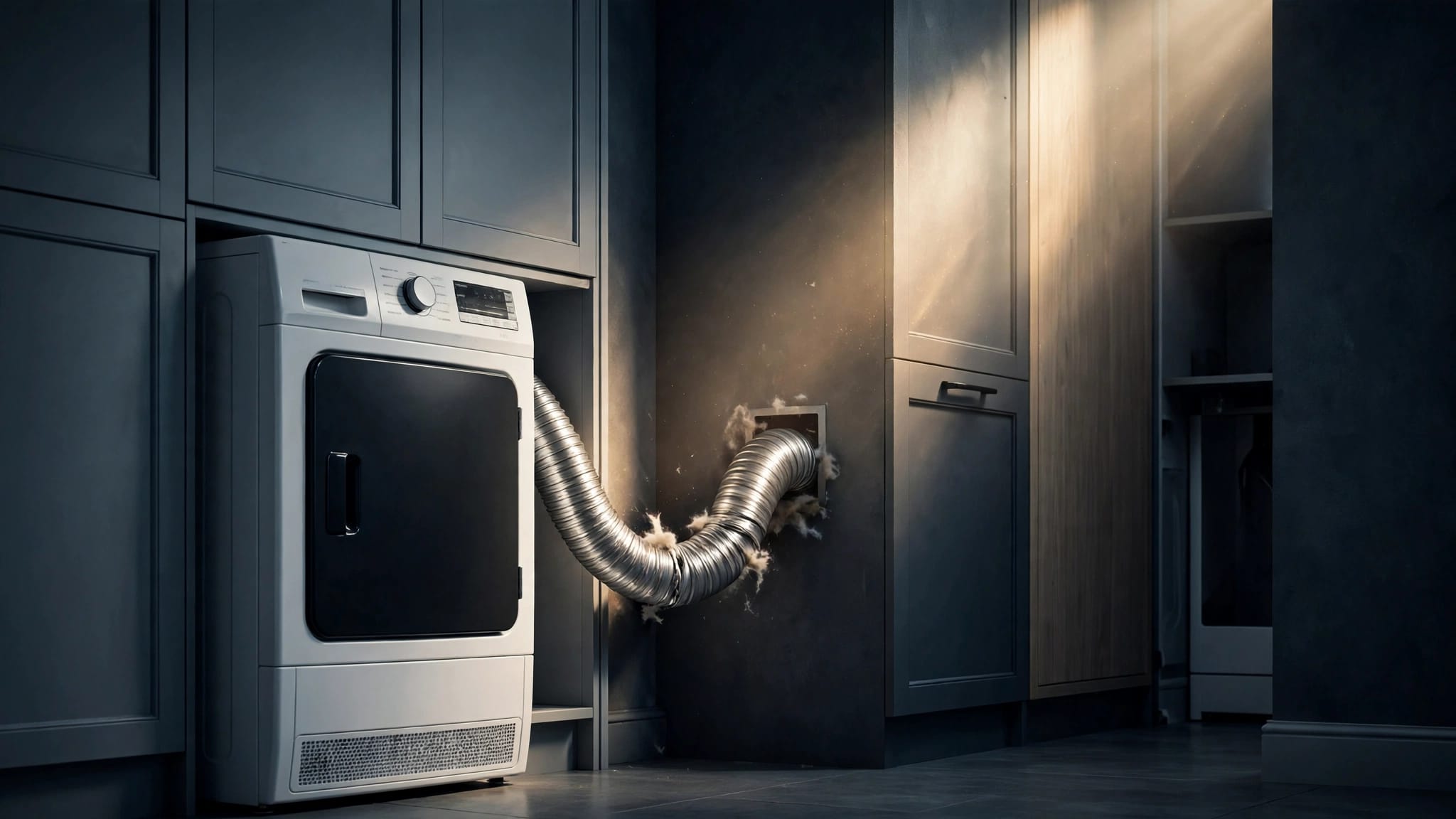
  • Clean the dryer vent separately. Slow drying times often point to lint buildup, not duct dust.

Those steps do not replace a full cleaning when the system needs one. They do reduce the odds of another problem showing up soon.

If your vents still smell musty after a filter change, or if dust keeps returning fast, the issue may be deeper than surface buildup. In that case, Get a Free Estimate and have the system checked before the problem grows.

Conclusion

You can clean parts of your air ducts yourself in a Florida home, but only the easy parts. Registers, grilles, and short visible sections are fair DIY work. Deep duct runs, mold, damaged flex duct, and air handler or coil issues are not.

Florida homes face extra pressure from humidity, attic heat, and pests. That makes moisture control just as important as cleaning. If you can reach it safely, handle it. If you find signs of water, mold, or hidden damage, bring in a licensed HVAC professional and keep the system on the right track.

By Adkins Duct Cleaning May 8, 2026
Rust around air vents in a Florida home often starts small. A little discoloration on a grille can be nothing more than condensation, but it can also point to a moisture problem hiding nearby. Humidity, cold AC air, and coastal salt all work against metal vent covers. If the r...
By Adkins Duct Cleaning May 7, 2026
If you're comparing air duct cleaning cost in Florida , a realistic budget matters more than a flashy coupon. Most homeowners will land in a mid-range price, but the final bill shifts with home size, vent count, access, and whether the job stays basic or turns into a heavier c...
By Adkins Duct Cleaning May 6, 2026
A musty duct system does not always need a strong chemical fix. In many homes, air duct microbial treatment is used only after cleaning, when there is a real concern about mold, mildew, bacteria, or odor on internal surfaces. That matters because the spray or fog is not the ma...