UV Light vs. Air Purifier for Florida HVAC Systems
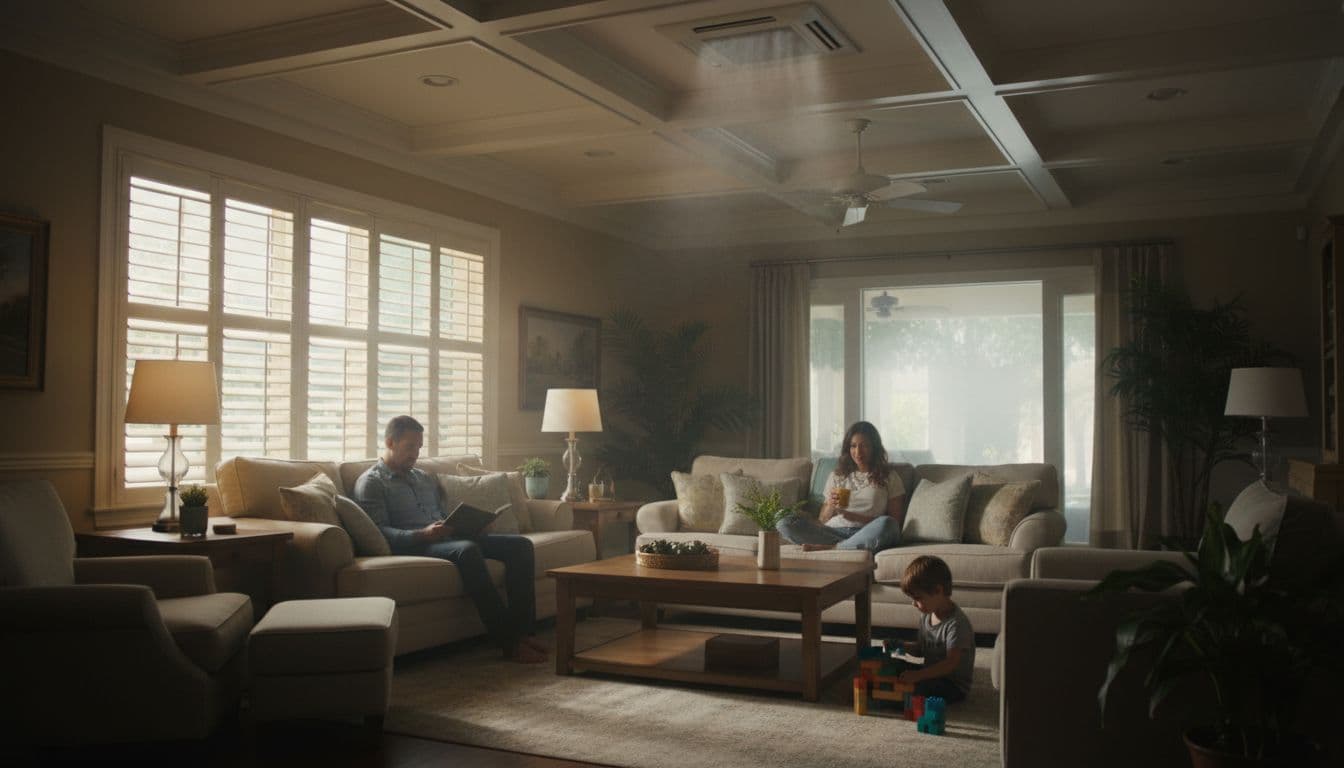
Florida homes put HVAC systems to work almost nonstop. That steady runtime keeps rooms cool, but it also leaves coils, drain pans, and air handlers damp for long stretches. When homeowners compare UV light vs. air purifier , the real question is simple: where is the problem, on wet system parts or in the air itself?
UV lights and air purifiers do different jobs. UV is aimed at biological growth near the HVAC system, while purifiers are better at catching dust, pollen, pet dander, and other particles. The right choice depends on your symptoms, your system, and whether you need help in one room or the whole house.
What UV lights do inside a Florida HVAC system
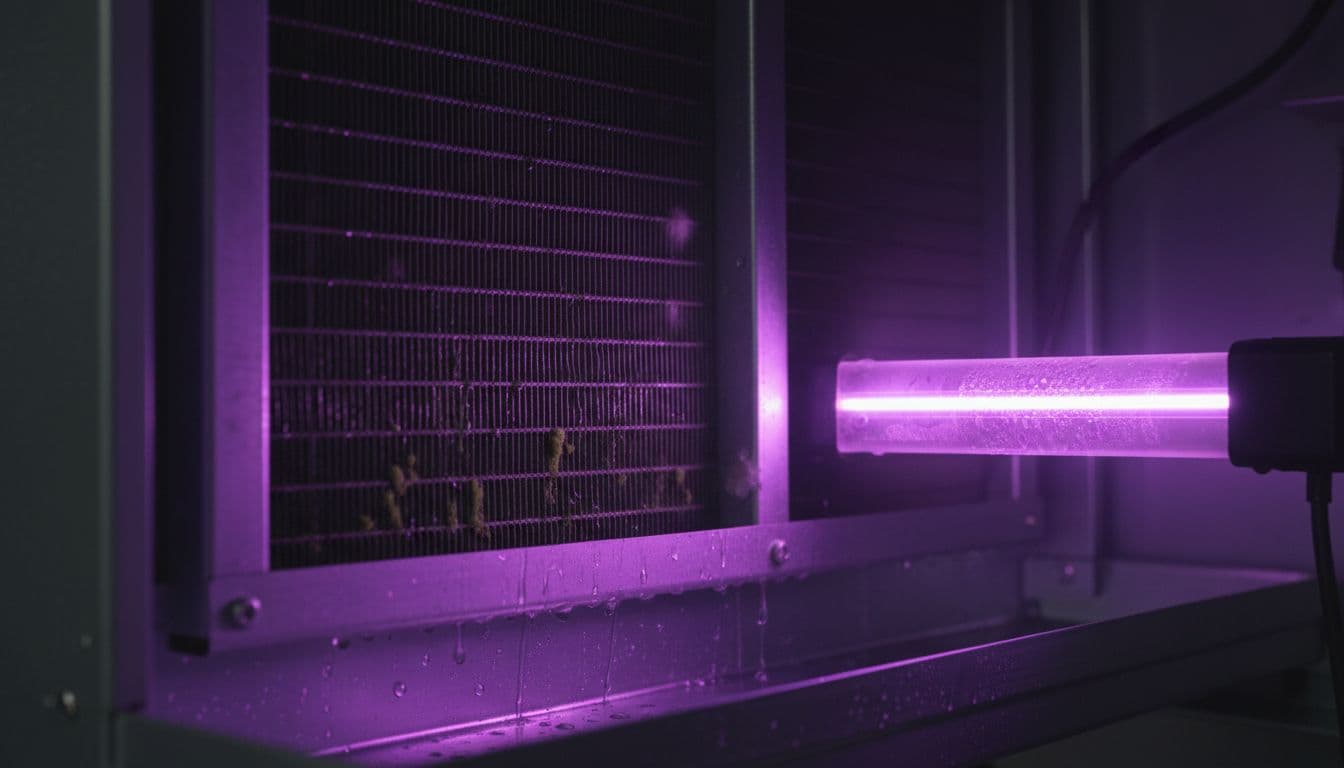
A UV light is usually installed near the evaporator coil or drain pan. That spot stays damp, especially in Florida, so it can become a home for mold and mildew. The light does not scrub dust off the coil. Instead, it helps keep that wet surface from becoming a breeding ground.
That matters because a cleaner coil can help airflow stay steady and can reduce musty smells tied to microbial growth. It also gives the system less grime to deal with during long cooling cycles. For a deeper look at the setup, see how UV purification works in HVAC.
UV lights are strongest when the problem starts on a surface. They do less for dust floating through a room. They also work best when the rest of the system is in decent shape. If the air handler is coated with debris or the ducts are dirty, UV alone won't solve the bigger issue.
What air purifiers catch, and what they miss
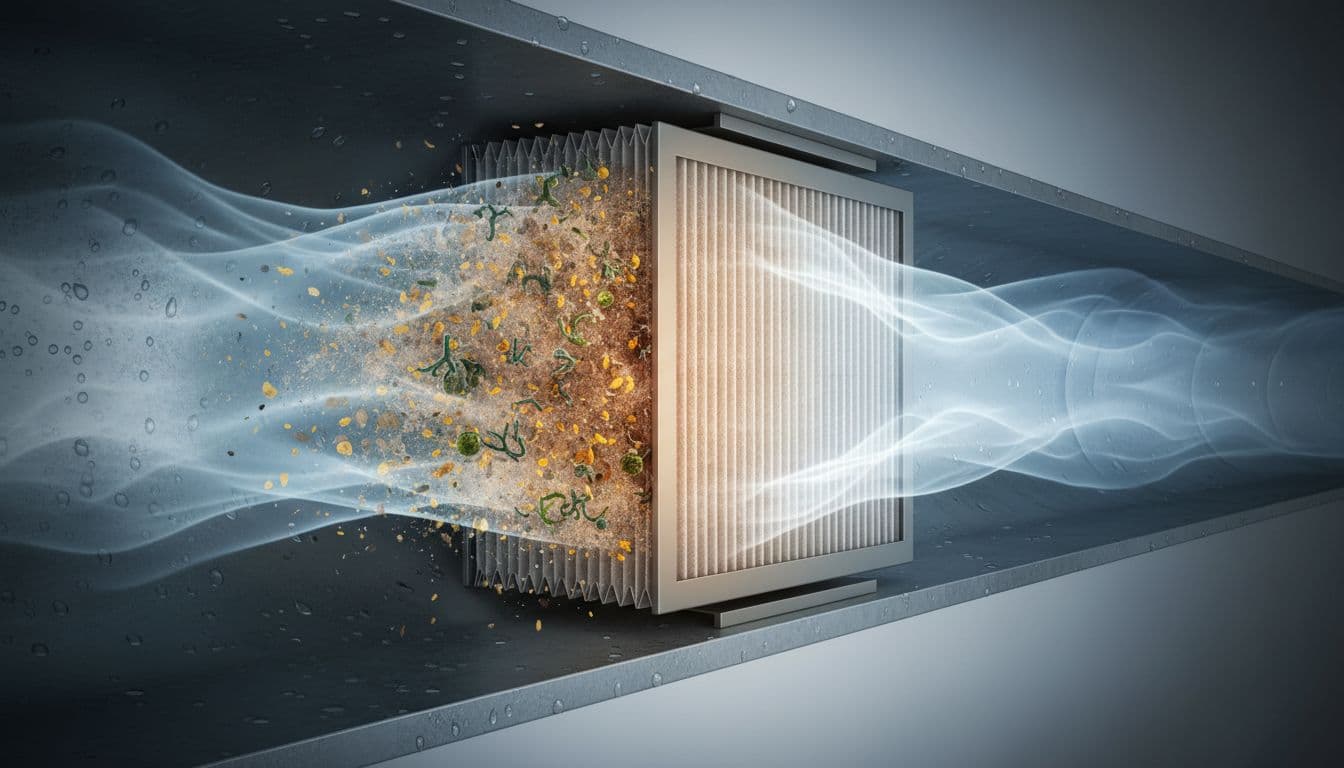
Air purifiers handle a different side of indoor air quality. Their main job is to trap particles that move through the air, which makes them a better fit for pollen, dust, and pet dander. Depending on the model, they may also help with some odors or gases. The results depend on the type of purifier, though. A true HEPA unit does very different work than a basic fan-and-filter box.
Portable room purifiers
Portable purifiers work best in one room at a time. A bedroom unit can help at night. A living room unit can help where the family spends the most time. These are a good fit if you want targeted relief and don't need to change the HVAC system itself.
Whole-home and in-duct systems
Whole-home air cleaning systems connect to the HVAC path. They treat the air that moves through the system, so they can help more than one room at once. Some rely on higher-grade filters, while others add UV or other cleaning methods. If your ducts are dusty or the air handler has buildup, professional air duct cleaning in Florida may need to come first.
Some homeowners assume every purifier does the same thing, but that isn't true. A purifier with a strong filter can do a lot for airborne particles. A purifier with weak filtration may only move air around. If your main problem is pollen, dust, or pet hair, the filter quality matters more than the brand name.
UV light vs. air purifier: a side-by-side comparison
A quick comparison makes the difference easier to see.
| Feature | UV Light | Air Purifier |
|---|---|---|
| Main job | Targets biological growth on wet HVAC parts | Captures airborne particles, depending on the filter |
| Best for | Mold on coils, drain pans, and musty odors | Pollen, dust, pet dander, and some odors |
| Where it works | Inside the HVAC system | One room or the whole home, depending on the setup |
| What it doesn't do | It doesn't trap dust or pollen | It doesn't stop growth on coils or drain pans |
| Maintenance | Lamp replacement and periodic service | Filter changes, pre-filters, and sometimes carbon media |
| Florida fit | Good for damp systems that run often | Good for allergy-heavy homes and bedrooms |
A UV lamp can help stop growth on damp parts of the system. A purifier can help clean the air people breathe. They solve different problems.
The takeaway is plain. UV is a surface tool. An air purifier is an airborne particle tool. If you need both jobs done, one device usually won't cover everything well.
Which setup fits common Florida homes
Florida homes often deal with a mix of heat, humidity, and pollen. That makes the right choice easier when you match the tool to the symptom.
- If your AC smells musty after long cooling runs, UV is worth a look. The smell often starts near a wet coil or drain pan.
- If you sneeze more in spring or notice dust settling fast, a purifier is the better first step. It helps with particles already floating indoors.
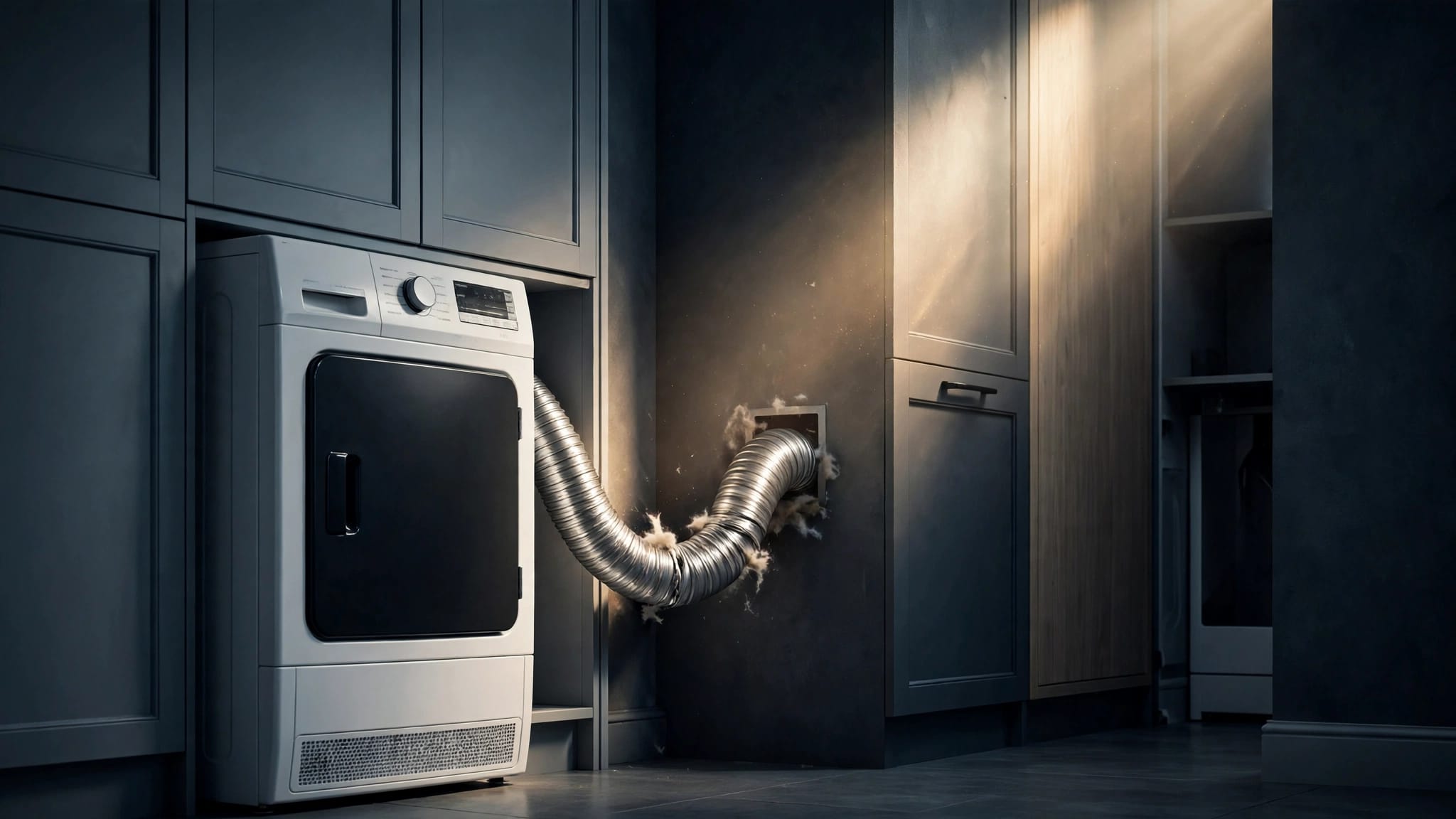
- If your ducts are packed with dust or the air handler is dirty, cleaning should come before any add-on device. UV and filtration work better on a clean system.
- If your home has both a damp HVAC cabinet and allergy issues, the best answer may be a combination.
Humidity changes the picture in Florida. Moisture gives mold a place to grow, and long AC runtimes keep parts of the system cool and damp. At the same time, pollen, dust, and humidity-related odors still move through the home. That is why one homeowner may need UV help near the coil, while another gets more value from a room purifier in a bedroom.
If you are trying to decide whether the issue is in the ductwork or the air handler, air handler vs duct cleaning in Florida is a useful next read.
When combining both makes sense
Many Florida homes benefit from a two-part approach. UV helps protect the wet parts of the HVAC system. A purifier handles the particles that keep moving through the air. That pairing can make sense when you have mold concerns and allergy concerns at the same time.
This is where type matters. A portable room purifier can help one bedroom or office. A whole-home or in-duct system can help more of the house, but only if the filter and fan setup are right for the HVAC system. Some high-MERV filters work well for particles, yet they can also strain airflow if the system wasn't built for them. That is why the match between equipment and home matters.
Combining both also makes sense after a cleanup. If dust and grime are already thick in the ducts or air handler, cleaning first gives the new equipment a better shot at doing its job. A UV lamp won't fix debris. A filter won't stop mold on a wet coil. Together, though, they can cover both sides of the problem.
What to ask before you buy or install either one
Before you spend money, ask a few direct questions. They can save you from buying the wrong fix.
- Is this a coil UV light, a whole-home purifier, or a portable room unit?
- Does it target particles, microbial growth, or both?
- How often do the lamp or filters need replacement?
- Can your HVAC system handle the filter rating without hurting airflow?
- Is there already buildup in the ducts, air handler, or drain pan?
If cost is part of the decision, the Florida air duct and vent cost guide can help you compare options before you commit. And if you want a professional opinion on whether the issue starts in the ducts, the air handler, or both, Get a Free Estimate.
Conclusion
Florida humidity changes the whole conversation. A UV light is a smart choice when you want to reduce growth on wet HVAC parts. An air purifier is the better pick when the goal is to capture particles in the air you breathe.
For many homes, the best answer is not one or the other. It is the right mix of clean ducts, a clean air handler, good filtration, and, when needed, UV protection near the coil. That is the practical way to handle UV light vs. air purifier in a Florida HVAC system.