Weak Airflow in Ducts: Dirty Ducts or Hidden Leaks?

Adkins Duct Cleaning • April 25, 2026

Weak airflow can make a clean-looking home feel uncomfortable fast. If one room stays warm or a vent barely pushes air, it's easy to blame dirty ducts.

Sometimes that is the issue, but often it isn't. Leaky ducts, clogged filters, closed dampers, blocked registers, and blower problems are usually more common, so the best fix starts with the right diagnosis.

Once you know where the air is getting lost or slowed down, comfort and efficiency are much easier to restore.

What weak airflow usually points to

Most homes with weak airflow in the ducts don't have one dramatic failure. Air can lose strength because the system can't move enough volume, or because conditioned air escapes before it reaches the room.

Supply-side issues show up as weak air at the register. Return-side issues often make the whole system feel starved, because the blower can't pull enough air back to the unit. You may hear doors press shut when the system starts or notice one room feels stuffy with the door closed.

A dirty filter is still the first thing to check. When it's packed with dust, the blower has to push against extra resistance. Closed supply dampers, furniture over registers, and collapsed flex duct can do the same thing. In some homes, the blower wheel or evaporator coil is dirty, which cuts airflow through the whole system.

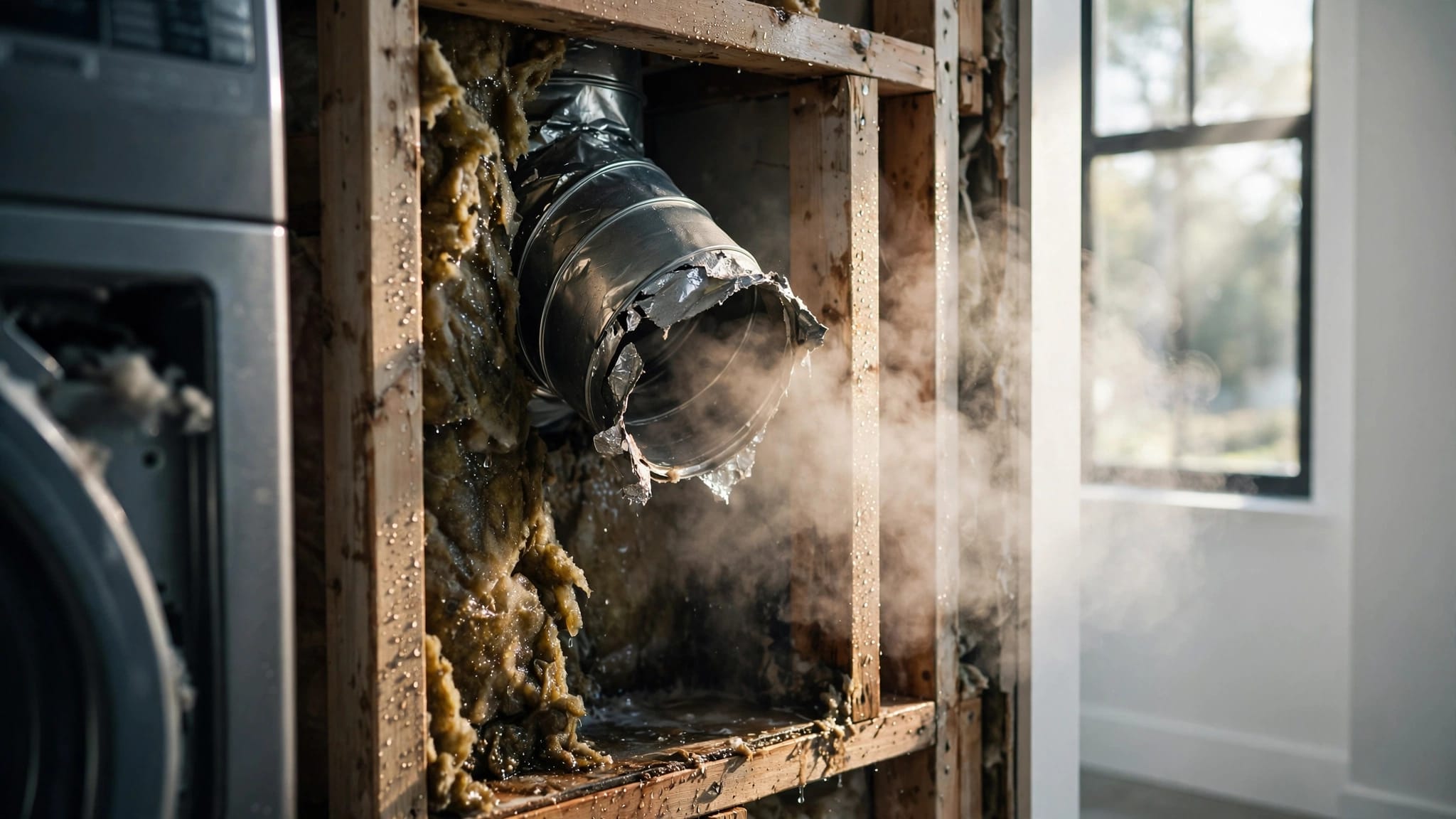
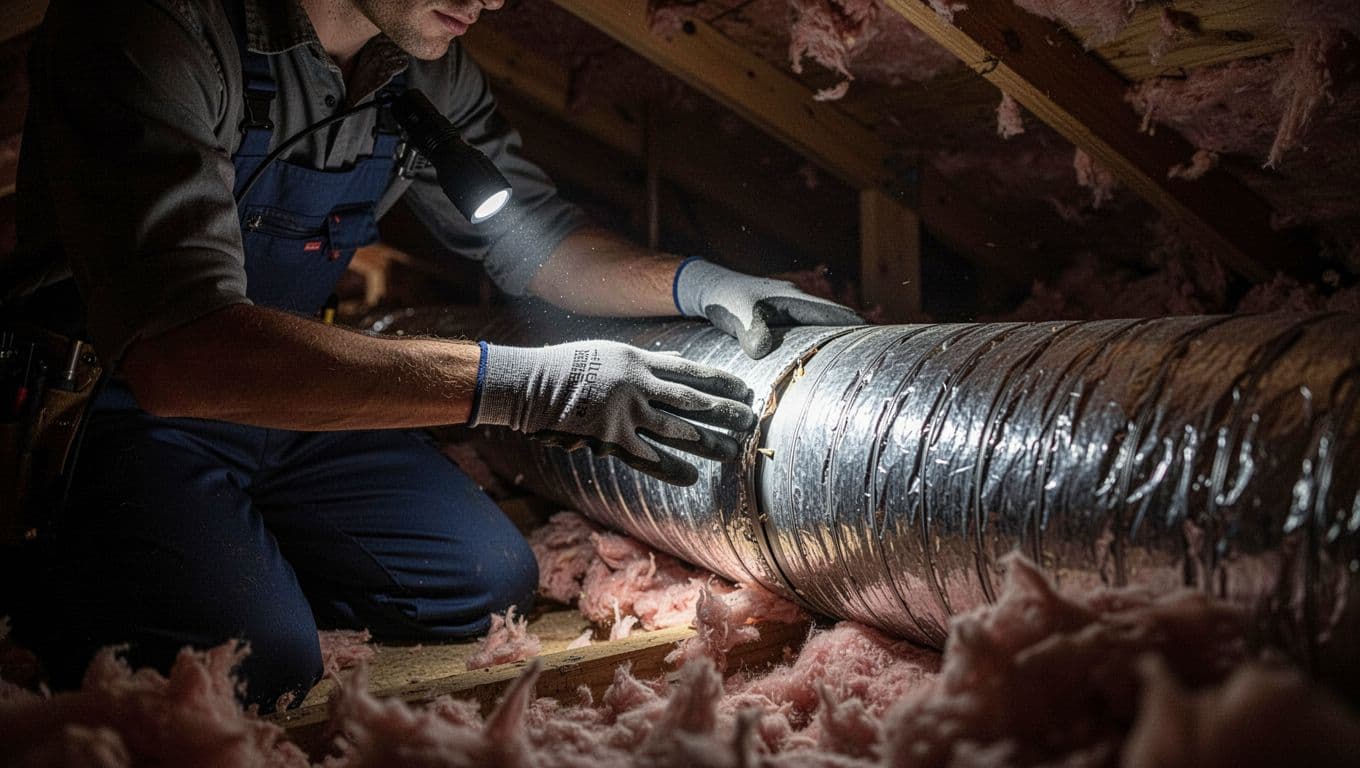
In hot attics, flex ducts can sag, kink, or pull loose at the collar. Then the system runs harder while the room still feels stuffy.

You may also notice uneven rooms, longer run times, or vents that hiss but don't deliver much air. If only one branch line feels weak, the problem may be local. A crushed duct, loose connection, or even rodent nests causing weak airflow can choke off air to a single room.

Weak airflow doesn't automatically point to dirty ducts. Pressure loss and simple blockages are often the bigger issue.

That's why guessing can waste time. A house can have dusty ducts and still suffer most from leakage. It can also have clean ducts and poor airflow because the return side is starved for air. In other words, airflow problems are about the whole path, not only what sits inside the duct.

Dirty ducts vs. duct leaks

Dirty ducts and duct leaks can both reduce airflow, but they don't behave the same way. One restricts the path inside the system, while the other lets conditioned air escape before it arrives.

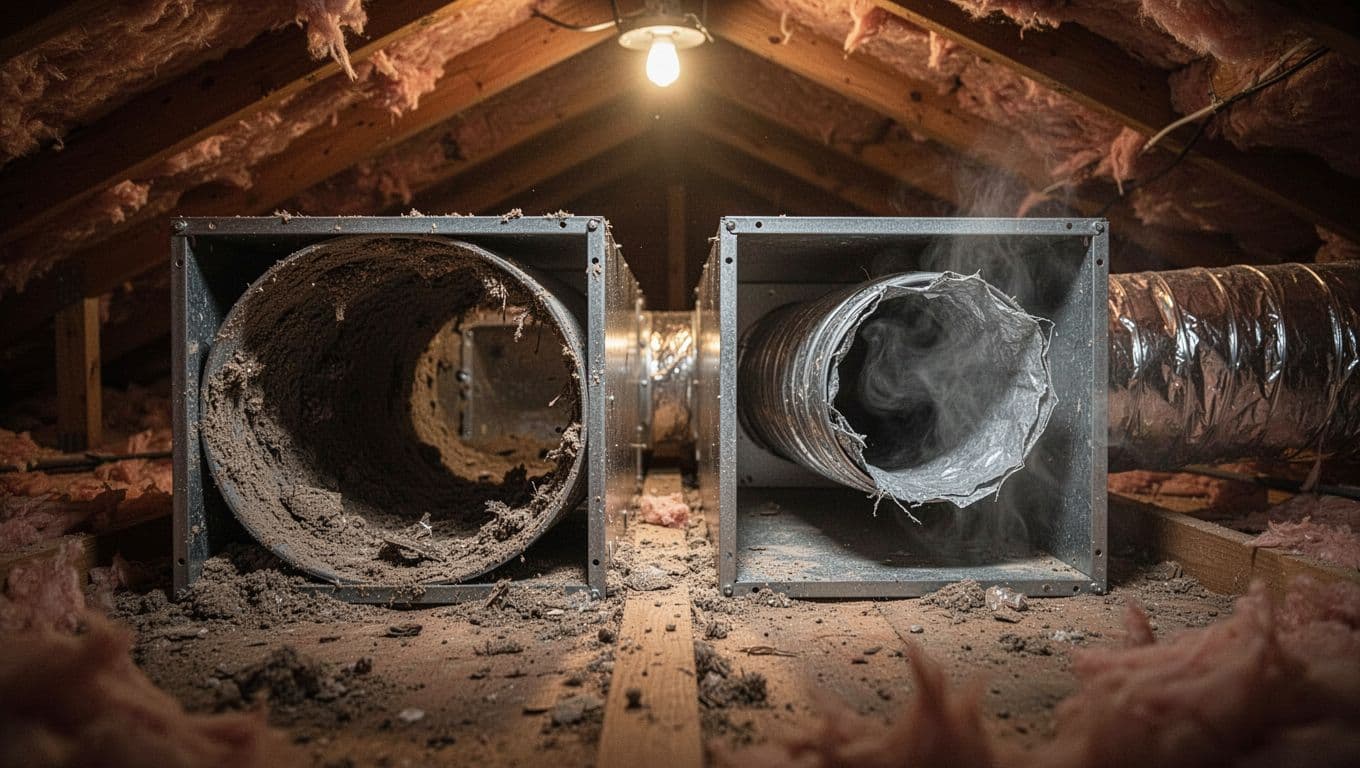
Dirty ducts matter most when buildup is heavy enough to narrow the passage, or when debris has entered the system. Construction dust, fallen insulation, pest nesting, and wet contamination are stronger reasons to clean. A light film of dust on duct walls usually isn't the main cause of weak airflow.

This quick comparison helps separate the two:

Issue What you notice Why airflow drops Best fix
Dirty ducts Dust, debris, musty odors, one blocked branch The air path narrows or gets obstructed Inspect, then clean if buildup is heavy
Duct leaks Weak vents, uneven rooms, higher bills Air escapes before the register, or return pulls in attic air Seal, repair, then retest

A leak often creates warm or cool spots and sends conditioned air into the attic or crawlspace. A dirty duct restriction tends to be more local unless buildup is widespread. Also, return leaks can pull attic dust, insulation fibers, and humidity into the system, which is why sealing can help indoor air quality as much as comfort.

Cleaning is most appropriate when an inspection shows substantial dust buildup, debris, mold concerns, or a real blockage. If air is leaking out at joints, seam failures, or torn flex ducts, cleaning alone won't fix weak airflow in the ducts. Repair and sealing usually give the bigger payoff.

A short checklist and when to call a pro

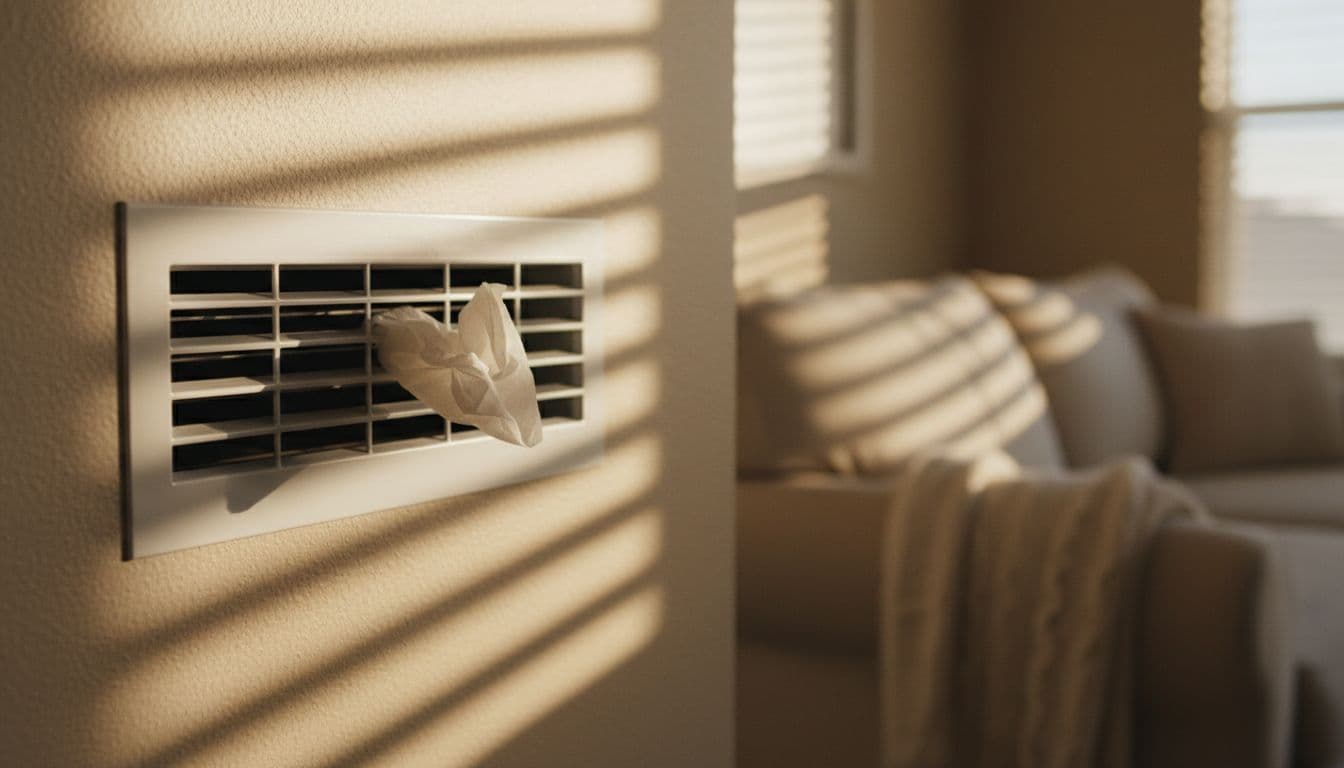
Before you book service, do a fast room-by-room check. Make sure every register is open and not blocked by rugs or furniture. Replace a loaded filter. If you can safely see attic ducts, look for sagging, disconnected, or torn sections.

Closing vents to force more air elsewhere usually backfires. It can raise static pressure and make weak airflow worse. The same goes for repeated filter neglect. Small restrictions stack up.

Symptoms that deserve closer attention include:

  • One or two rooms always have weaker airflow than the rest.
  • Airflow dropped after attic work, a remodel, or a pest problem.
  • Dust blows from vents, or you notice musty odors.
  • The system runs longer, but rooms still don't feel right.
  • Filters load up unusually fast, or the blower sounds strained.

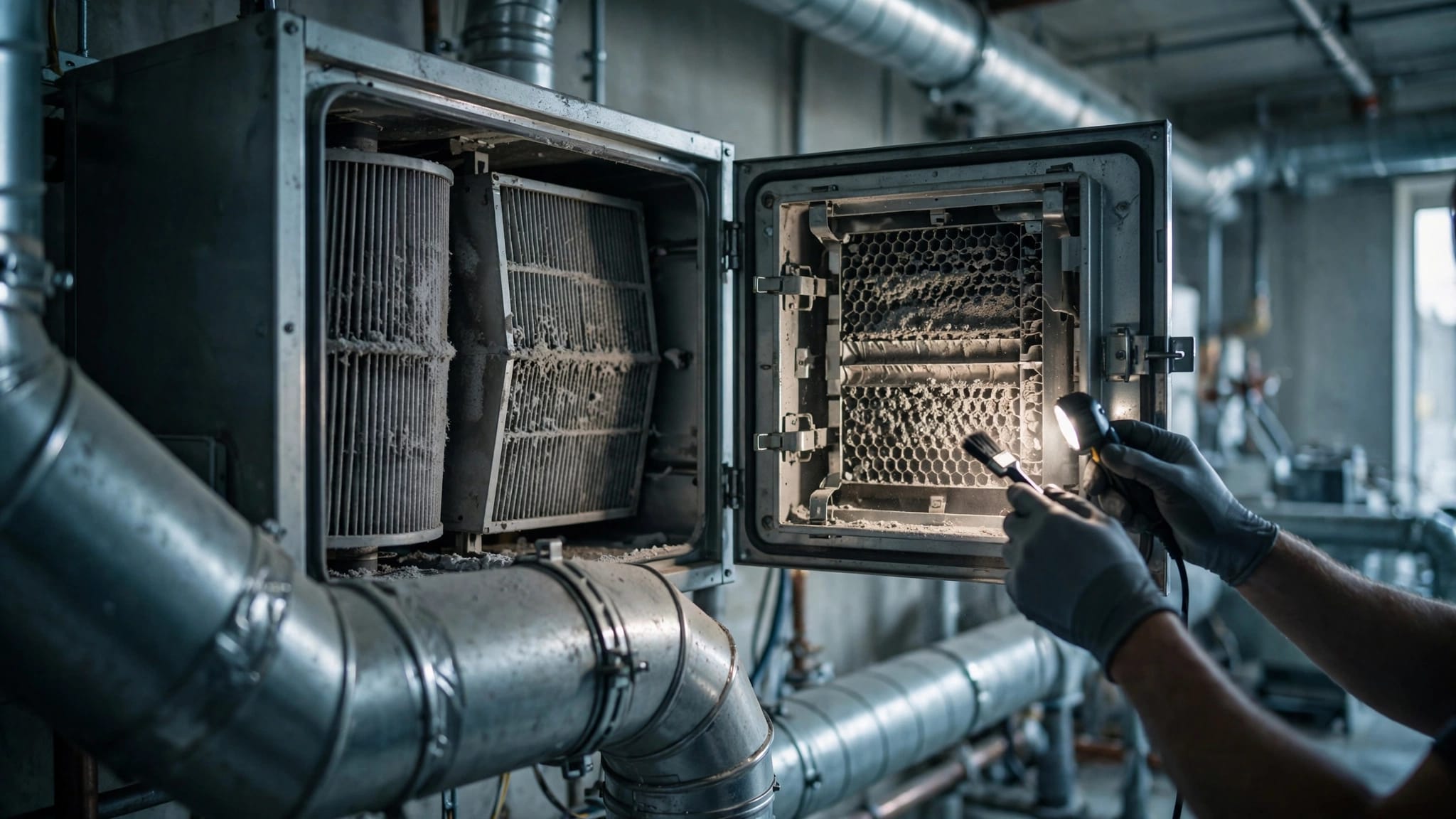
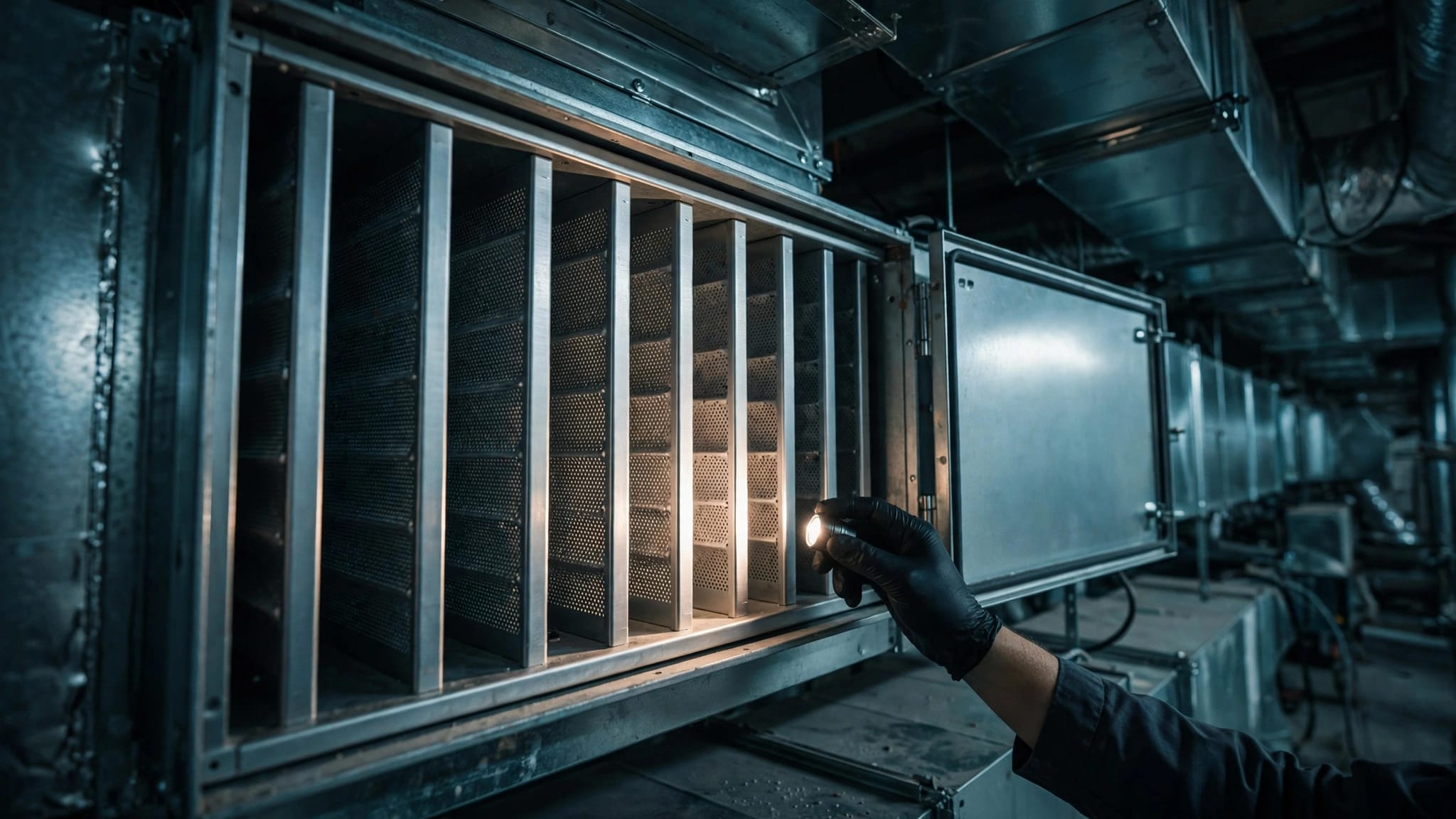
If the easy checks don't fix it, call an HVAC pro. Ask for a full duct inspection, plus static pressure testing when airflow is low throughout the house. Static pressure testing helps find hidden restrictions, such as a clogged coil, undersized return, dirty filter, or closed damper.

If leakage is suspected, duct leakage testing can show how much air escapes and where it goes. A technician can also check blower speed, motor condition, and coil cleanliness. Those steps give you a clearer answer than guessing based on dust alone.

Cleaning makes sense when an inspection shows substantial dust buildup, debris, pest contamination, mold concerns, or an actual obstruction. If the issue is leakage, sealing and repairing the ducts will help more than cleaning alone. Homeowners in Southwest Florida who want local help can look into air duct cleaning Fort Myers or Get a Free Estimate for an inspection.

Conclusion

When airflow is weak, dirty ducts are only one possibility. More often, the problem comes from lost pressure, blocked paths, or air leaking into places you don't want to cool.

A careful inspection beats a guess. If ducts are heavily contaminated, cleaning can help comfort and indoor air quality. If the real problem is leakage or blower performance, repair and testing will do more for your home than cleaning alone.

The goal is simple, get the air where it belongs.

By Adkins Duct Cleaning April 23, 2026
You wipe the shelves, vacuum the floor, and by the next day the gray film is back. That cycle can make your home feel harder to manage than it should. Some dust is normal. But fast dust buildup at home often means particles are being made, stirred up, and recirculated faster t...
By Adkins Duct Cleaning April 22, 2026
You head south to your Florida snowbird home after months away. The AC kicks on, and dust clouds fill the air. Stale odors linger. That's the reality for many owners of seasonal homes. Vacant properties collect problems fast in humid spots like Fort Myers or Naples. Long absen...
By Adkins Duct Cleaning April 21, 2026
You've noticed more dust in your home lately. Rooms feel stuffy, and your energy bills creep up. Cleaning air ducts seems like a quick fix, but sometimes it falls short. Air duct replacement beats cleaning when damage runs deep. Florida's humidity speeds up wear on HVAC system...