Whistling Air Vents in Florida Homes: What Causes the Noise

Adkins Duct Cleaning • May 10, 2026

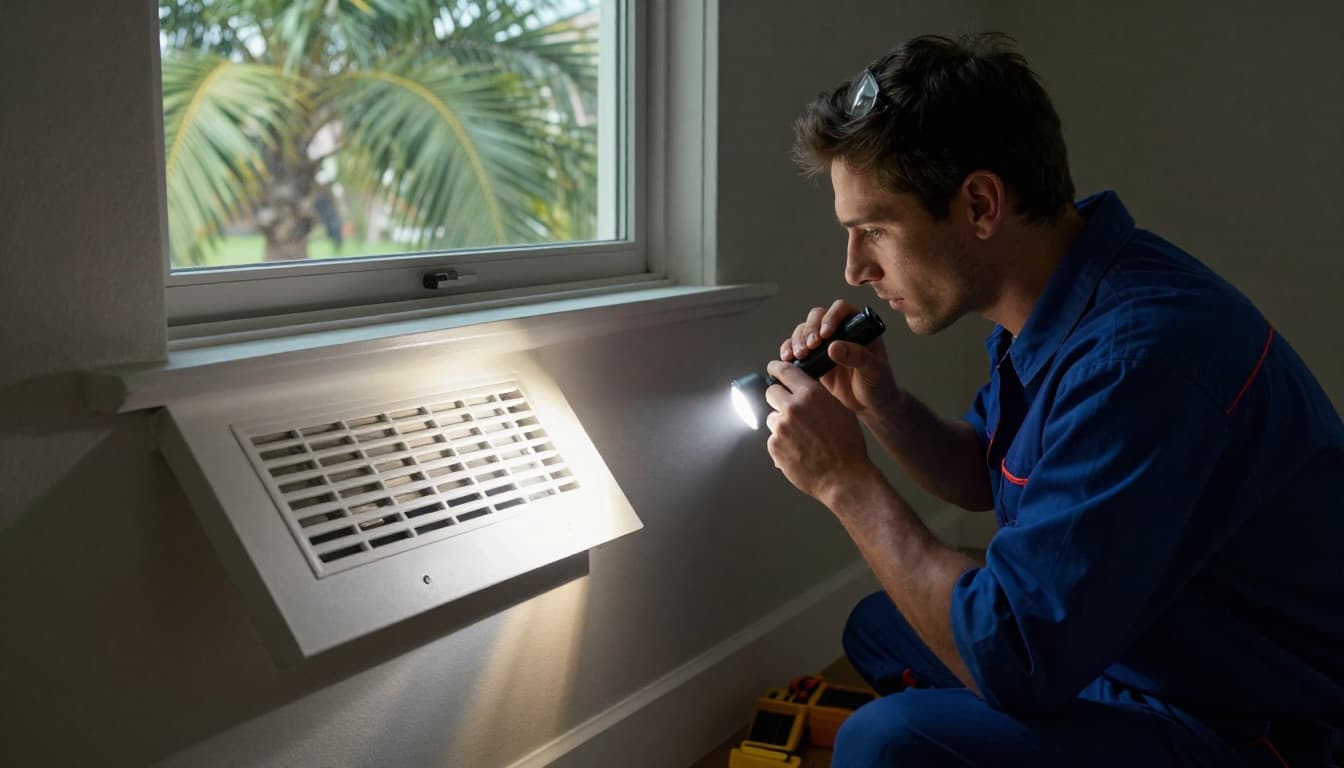
A whistling vent can turn a quiet evening into a headache fast. In many Florida homes, that sound means air is being forced through a narrow opening somewhere in the HVAC system.

The good news is that the noise often points to a fixable airflow problem. Sometimes the issue is simple, like a clogged filter or a blocked grille. Other times, it means the system needs a closer look.

Why a vent starts whistling

Air should move through ductwork with steady pressure. When something narrows the path, the air speeds up and can create a high, sharp whistle.

That sound is common at supply vents, return vents, and even around filter slots. It can show up after a filter change, after furniture gets moved, or when the system has to work harder during a long Florida cooling season.

A whistle usually means air is squeezing through a space that's too tight. The noise is a clue, not a diagnosis.

In homes along the Gulf Coast, HVAC systems often run for months without much of a break. That makes small airflow issues easier to hear and harder to ignore.

Common causes in Florida homes

Several problems can lead to whistling air vents , and some are more common than homeowners expect.

A dirty air filter is one of the first places to look. When dust, lint, and pet hair clog the filter, the blower has to pull harder for air. That extra pressure can create a whistle at the return grille or around the filter frame.

Blocked supply vents are another common cause. A couch pushed against a vent, thick curtains over a grille, or a rug covering a floor register can restrict airflow. In a humid Florida house, people sometimes close vents in rooms they rarely use, then notice noise in other parts of the home.

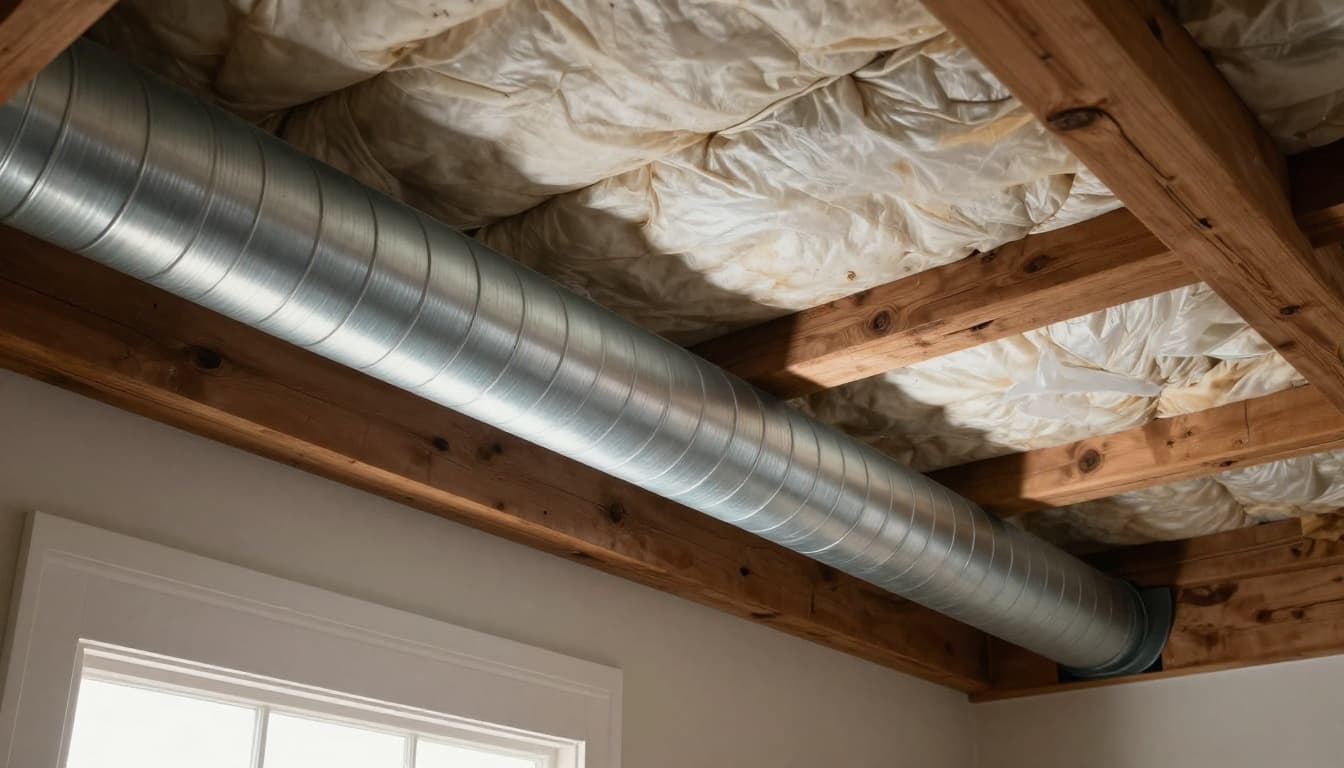
Loose or damaged duct parts can also whistle. A bent metal collar, a poor seal, or a crushed flex duct can narrow the passage enough to make air sing as it moves through.

Florida dust patterns can make the problem show up sooner. Sand, pollen, and fine debris can collect faster in homes with doors opening often or windows left open on mild days.

The same thing can happen in condos and townhomes, where shorter duct runs and tighter spaces can make pressure changes more noticeable. If you live in one of those setups, our air duct cleaning services can help restore cleaner airflow and reduce some of the strain that causes noise.

Simple checks you can do safely

A few quick checks can tell you whether the problem is minor. These steps are safe for most homeowners and do not require opening the system.

Here's a simple place to start:

What you can check What to look for Safe next step
Air filter Dark dust, a bent frame, or a filter that looks packed Replace it with the correct size
Supply vents Furniture, rugs, or curtains blocking the opening Clear a few feet around the vent
Return grilles Heavy dust or a closed nearby door Vacuum visible dust and open the space
Room doors A closed door making the room feel pressurized Open the door and listen for changes

If the noise softens after one of these changes, airflow was probably the issue. If nothing changes, the problem may be deeper in the duct system.

Do not remove panels, cut into ductwork, or poke around in the attic unless you know exactly what you're doing. Florida attics get hot fast, and a small mistake can make airflow problems worse.

When the noise points to a deeper HVAC issue

Some whistling sounds mean the system has a design or mechanical issue, not just a dirty vent. If the whistle comes from several rooms at once, the problem may be in the main return, the blower, or the duct layout itself.

A whistle that appears after you changed the filter can also be a clue. If the new filter is too restrictive for the system, it may choke airflow instead of helping it. That happens more often when homeowners choose a high-resistance filter without checking the system's needs.

Whistling plus weak cooling is another warning sign. If one room feels warm, the system runs longer than usual, or your electric bill climbs, the airflow problem may be hurting comfort and efficiency.

The same goes for odd smells, rattling, or a return vent that seems to "pull" air too hard. Those signs can point to a hidden duct leak, a crushed section, or a blower that needs service.

The table below can help you sort out what you can watch and what needs a pro.

Symptom Likely concern Best response
Whistle only at one vent Blockage or a small grille issue Check the vent and clear nearby items
Whistle at many vents Main airflow restriction Schedule HVAC service
Whistle with weak cooling Duct or blower problem Have the system inspected
Whistle after filter change Filter may be too dense or not seated right Recheck the filter and call for help if it continues

If the sound sticks around after the easy fixes, the issue is usually beyond a simple homeowner repair. At that point, the safest move is a professional inspection.

Where duct cleaning fits in

Duct cleaning helps when dust and debris are part of the airflow problem. It can clear buildup that narrows passages, smooth out weak airflow, and remove material that makes a system strain.

That said, cleaning won't fix every whistle. A damaged duct, an undersized return, or a blower issue needs the right repair. Cleaning is one piece of the larger picture, not a cure-all.

For Florida homes that deal with long cooling seasons, regular service can make a real difference. Cleaner ducts and vents help air move more freely, which can reduce noise and improve comfort in rooms that always seem too warm or too stuffy.

If your vents whistle after the filter is changed, if the noise keeps coming back, or if the system feels off, Get a Free Estimate. That gives you a clear next step without guessing at the cause.

Conclusion

Whistling vents usually mean one thing, airflow is being squeezed somewhere it shouldn't be. In many Florida homes, the fix starts with simple checks like the filter, the grille, and any blocked vents.

If the sound stays after those basics, the system may need professional attention. The sooner you trace the source, the easier it is to protect comfort, efficiency, and the quiet you expect from your home.

FAQ About Whistling Air Vents

Is a whistling vent dangerous?

Usually, the sound itself is not dangerous. It does, however, signal restricted airflow, and that can make your system work harder than it should. If the whistle comes with burning smells, shutdowns, or weak airflow, call for service right away.

Why does my vent whistle more at certain times of day?

You may notice it more when the system runs longer or when other household noise is lower. It can also get louder when the filter is dirtier or more rooms are closed up. In Florida, long cooling cycles often make the problem easier to hear.

Can duct cleaning stop the whistle?

It can help when buildup is part of the problem. Dust, lint, and debris can narrow the air path and create extra pressure. If the whistle comes from a crushed duct, a bad return, or an equipment issue, cleaning alone won't solve it.

Should I replace the filter first?

Yes, that's usually the best first step. Use the right size and the type your system can handle. If the whistle gets worse after the replacement, the filter may be too restrictive or not seated correctly.

By Adkins Duct Cleaning May 9, 2026
Most air duct cleaning Florida questions come down to one thing, what can you clean safely without opening the system too far? In a Florida home, the answer is usually yes for registers, grilles, and a small stretch of accessible duct, but no for deep runs, mold, or anything t...
By Adkins Duct Cleaning May 8, 2026
Rust around air vents in a Florida home often starts small. A little discoloration on a grille can be nothing more than condensation, but it can also point to a moisture problem hiding nearby. Humidity, cold AC air, and coastal salt all work against metal vent covers. If the r...
By Adkins Duct Cleaning May 7, 2026
If you're comparing air duct cleaning cost in Florida , a realistic budget matters more than a flashy coupon. Most homeowners will land in a mid-range price, but the final bill shifts with home size, vent count, access, and whether the job stays basic or turns into a heavier c...