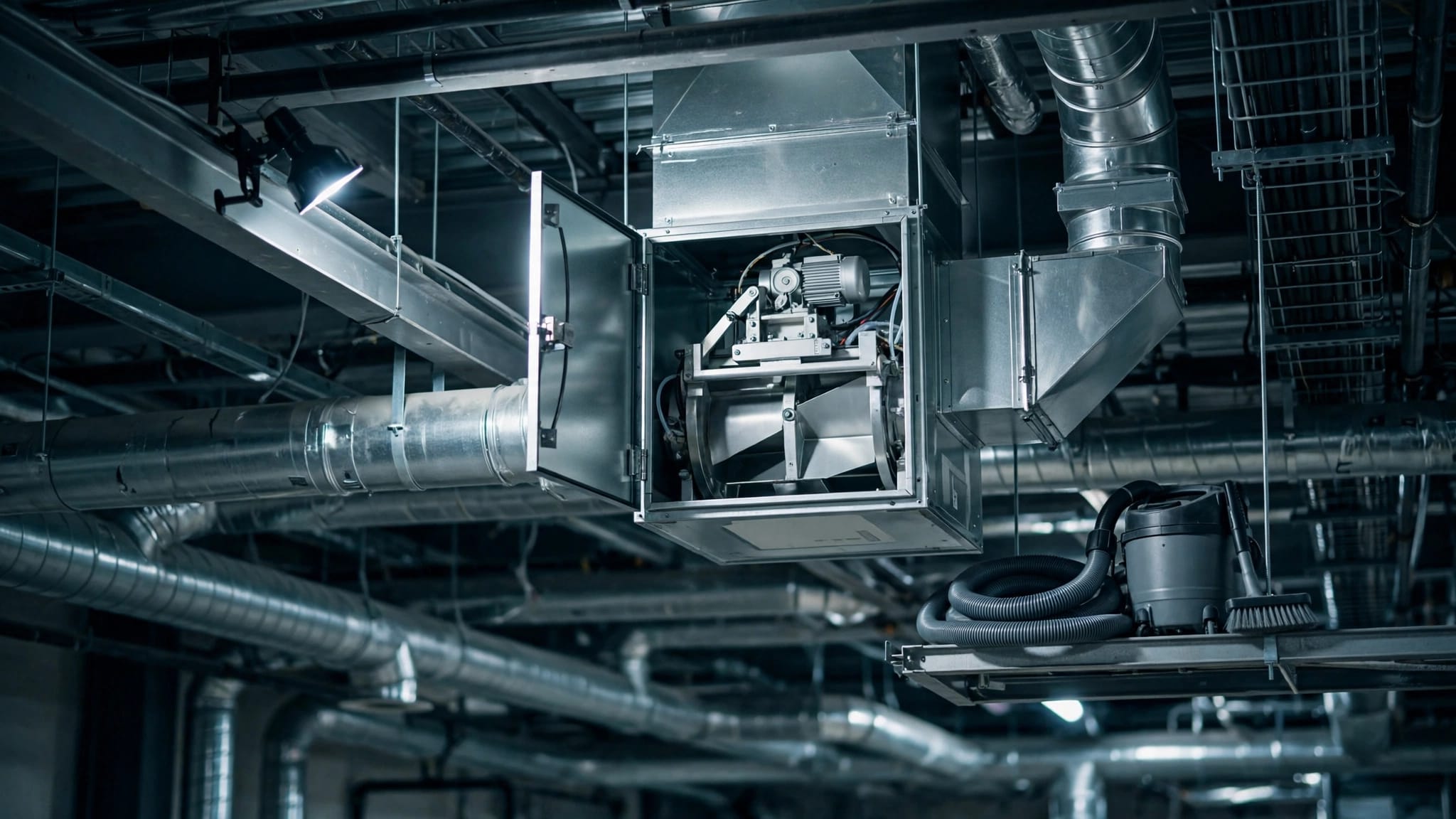
Why Black Dust Around Air Vents Appears on Ceiling Vents
Those dark marks around a ceiling vent can look worse than they usually are. In most homes, black dust around air vents is not a sign of something dangerous spreading through the house.
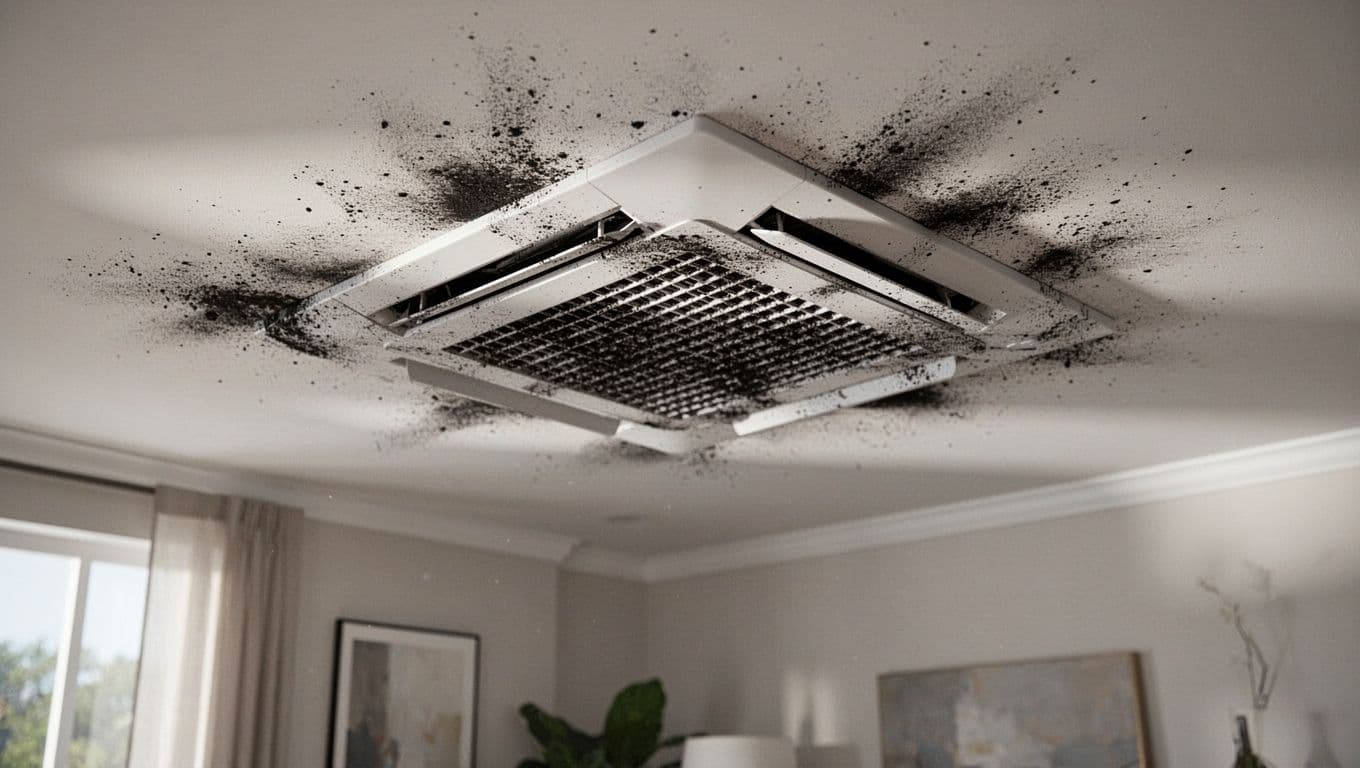
Most of the time, it is fine dust or soot collecting where air moves fast, changes direction, or slips through small gaps. The pattern around a ceiling supply vent is often different from the buildup around a ceiling return, and that difference tells you a lot.
Why ceiling supply vents get black rings
The most common cause is a mix of airflow, fine dust, and small gaps around the register. A ceiling supply vent pushes conditioned air into the room. As that air spreads across the ceiling, it carries tiny particles with it. Some stick to the paint near the vent, especially if the surface is a little rough or cool.
If the metal boot above the vent is not sealed well to the drywall, the problem gets worse. Air can leak at the edges, and the ceiling starts acting like a filter. Over time, that leaves a gray or black halo around the grille.
The color often turns darker when the home has soot in the air. Candles are a big reason. So are fireplaces, incense, oil-based cooking residue, and smoking. Normal house dust is usually tan or gray. When that dust mixes with soot, it looks much blacker and more dramatic.
A soft, dry ring around a ceiling supply vent usually points to airflow and particle buildup, not mold.
Filters matter here too. If your filter is overdue, loose, or too cheap for the dust load in your home, more fine particles stay in circulation. A higher MERV filter can help, but only if your HVAC system is designed for it. Many homes do well with a mid-range pleated filter, while a filter with too much resistance can reduce airflow. Check your system manual or ask an HVAC pro before moving up in MERV.
Return vents stain for a different reason
A ceiling return vent works the other way. It pulls room air back into the system, so dust tends to collect on the face of the grille first. If the return is on the ceiling, the surrounding drywall can also darken because the vent is constantly drawing in fine particles from the room.
That means black buildup around a return often points to a dust-heavy room or an airflow issue. An overdue filter, a leaky return box, blocked supply vents, or closed interior doors can all make the return pull harder than it should.
Location also matters. A return near a kitchen may gather greasy dust faster. A return near a hallway with heavy foot traffic can load up with lint and fine dirt. If your whole house feels dusty and the return grille gets dirty quickly, it may be time to read more about does air duct cleaning make a difference and whether your system needs a closer look.
Other causes, from most likely to less likely
This quick table can help you match the symptom to the likely cause.
| What you see | Most likely cause | What to check next |
|---|---|---|
| Dry black ring around a ceiling supply vent | Fine dust or soot sticking where supply air hits the ceiling | Check for candles, filter condition, and gaps around the register |
| Dark dust packed on a ceiling return grille | Return air pulling room dust into the grille | Replace the filter, clean the grille, improve airflow to the room |
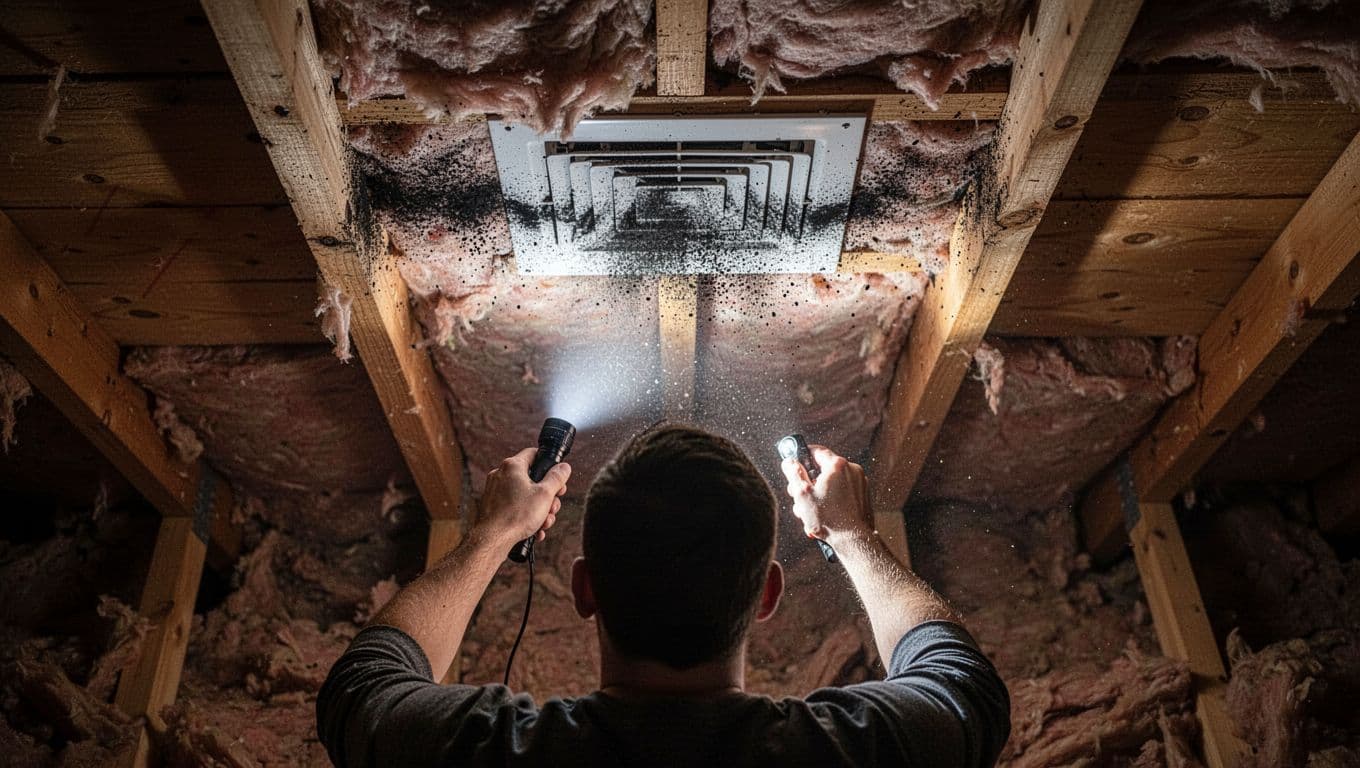
| One upstairs vent stains more than the others | Leaks around the boot, attic dust, or insulation near the register | Inspect the attic side of the ceiling register and seal gaps |
| Dark marks return fast after cleaning | Ongoing soot source or poor filtration | Cut back on candles, confirm filter fit, verify MERV compatibility |
| Patchy, damp, musty growth instead of dry dust | Moisture issue, possible microbial growth | Check for condensation, water intrusion, and consider testing |
Top-floor ceiling vents deserve extra attention because the attic is right above them. If loose insulation sits around the vent boot, or if the drywall gap was never sealed, attic dust can get pulled into the living space. In humid climates, slight condensation around a cold supply boot can also make particles stick faster.
Mold is possible, but it is not the first thing to assume. Dry, even dust rings are usually not mold. If the material looks fuzzy, keeps coming back in damp patches, smells musty, or appears on insulation and framing as well as the vent, then testing may make sense. The goal is to confirm the source, not guess.
How to stop it from coming back
Start with the simple fixes. Clean the vent cover, then watch how fast the stain returns. If it comes back within days, the system is still feeding the problem.
A few steps usually help:
- Replace filters on schedule, based on usage and manufacturer guidance.
- Make sure the filter fits tightly, with no air slipping around the edges.
- Check that the MERV rating matches what your system can handle.
- Seal gaps around ceiling registers and duct boots.
- Reduce soot sources, especially candles burned often indoors.
- Keep supply vents open and furniture clear so air can move freely.
- Inspect attic insulation around ceiling registers on upper floors.
If buildup keeps showing up, or if you also notice weak airflow, extra dust on furniture, or debris inside the vent, professional help is worth it. You can review available air duct cleaning services or learn more about why air duct cleaning matters.
When you want a second opinion on persistent black dust, hidden duct leaks, or dirty returns, Get a Free Estimate.
Black marks around ceiling vents usually come from ordinary particles meeting moving air in the wrong place. Supply vents tend to leave rings, while return vents tend to load up at the grille, and that pattern helps narrow the cause.
Once you check the filter, airflow, soot sources, duct sealing, and attic conditions, the mystery usually clears up fast. Black dust around air vents is often fixable with steady maintenance and a careful inspection.