
Why Your AC Closet Smells Musty in Florida

Adkins Duct Cleaning • June 3, 2026

Florida heat makes a small AC closet work harder than most homeowners realize. When that closet starts to smell musty, the problem is usually moisture, not dust alone. A damp drain pan, a clogged line, or wet insulation can keep the odor alive long after the thermostat is set.

Because AC runs so often here, that smell can spread into bedrooms and hallways fast. The good news is that many clues are easy to spot before the problem gets worse. The key is knowing what you can check yourself and what belongs in a licensed tech's hands.

Why Florida homes get a musty AC closet smell

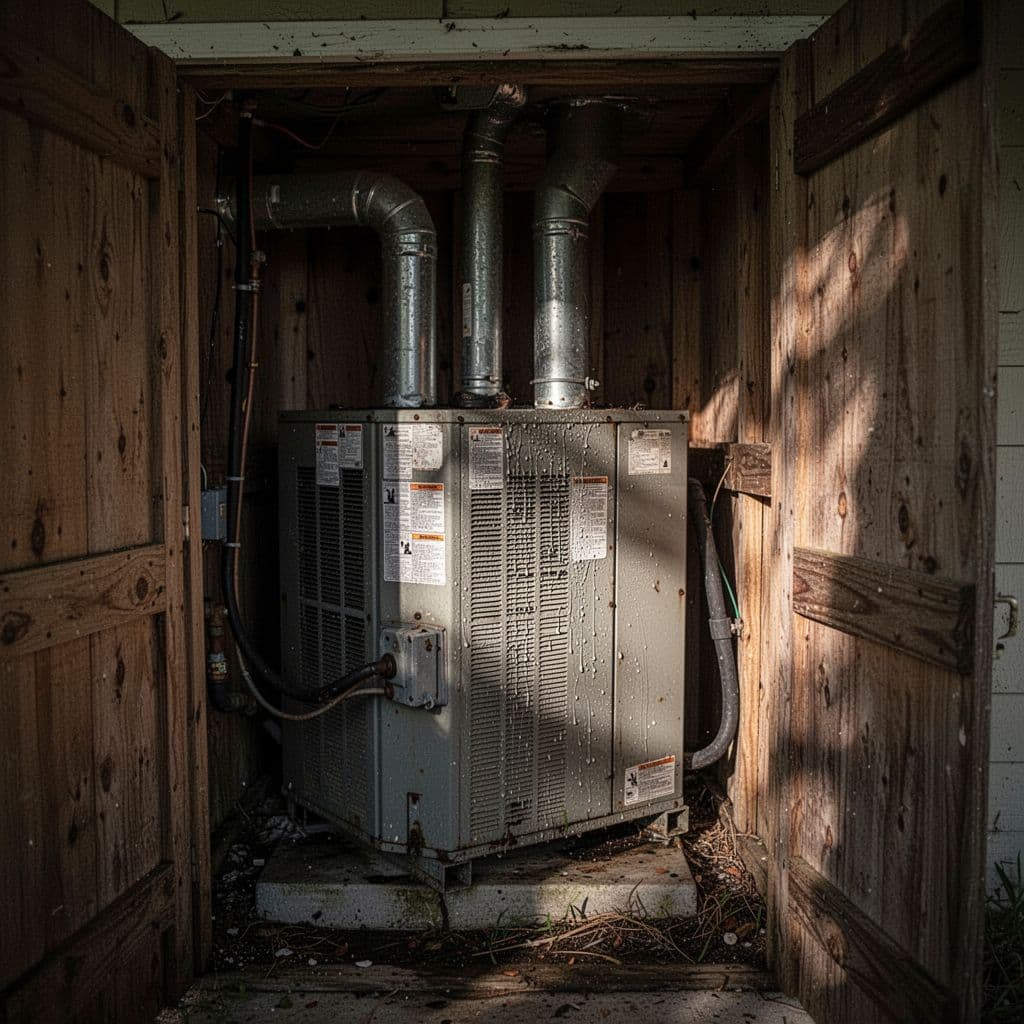
In Florida, the air handler lives in a space that rarely gets a break from humidity. Warm outdoor air leaks in whenever the closet opens, and cold metal parts inside the cabinet can sweat. Add year-round cooling, and you get a small room where moisture can hang around for hours.

A musty smell is often the first sign that water is sitting where it shouldn't.

A closet can smell stale for another reason too. Older drywall, dusty insulation, or a past leak can hold odor even after the water is gone. That is why Florida homeowners often notice the smell during the hottest months, when the system runs longer and pulls more moisture out of the air.

For families with allergies, that odor can do more than annoy. It can make indoor air feel heavy and can add to sneezing, coughing, or eye irritation. Even when the smell seems small, it usually points to a damp space that needs attention.

What the smell is telling you

A musty odor is a clue, not a diagnosis. The pattern of the smell often tells you where to look first.

Clue What it often points to What it means
Smell gets stronger when the AC starts Wet coil, dirty drain pan, or moldy cabinet surfaces The odor is likely coming from the air handler
Water near the unit or on the floor Clogged condensate line or overflow Drainage needs attention fast
Musty smell stays in one room Leaky duct run or dirty branch line The problem may be in the ducts
Closet smells damp even when the system is off Wet insulation, old water damage, or closet materials that hold odor The closet itself may need cleanup

The biggest warning sign is repeated moisture. If the smell keeps coming back after a dry spell, something in the system is staying wet. That is common in Florida homes, where high humidity gives odor a place to settle.

A dirty filter can make the problem worse. So can a drain line that backs up after long cooling cycles. In both cases, the AC closet becomes a small, damp box with poor air movement. That is the perfect setup for a stale smell.

DIY checks that are safe for homeowners

You can learn a lot without opening sealed parts of the system. Start with simple checks that do not put you at risk.

  • Replace a dirty air filter if it looks clogged or gray.
  • Make sure boxes, mops, and cleaning supplies are not crowding the closet.
  • Look for standing water, rust, or dark stains around the base of the unit.
  • Check that the closet door and nearby return openings are not blocked.
  • Listen for gurgling, dripping, or a drain line that seems to be overflowing.

If you see water on the floor, turn the system off and let it sit until help arrives. A small overflow can turn into damaged flooring or soaked insulation if it keeps running. That is especially true in Florida, where the AC can run for hours at a time.

Do not spray air freshener into the cabinet. It only masks the smell for a short time. Bleach can also damage parts inside the unit, so it is a poor fix for a mechanical problem. A musty AC closet needs a moisture answer, not perfume.

When the air handler or ducts need service

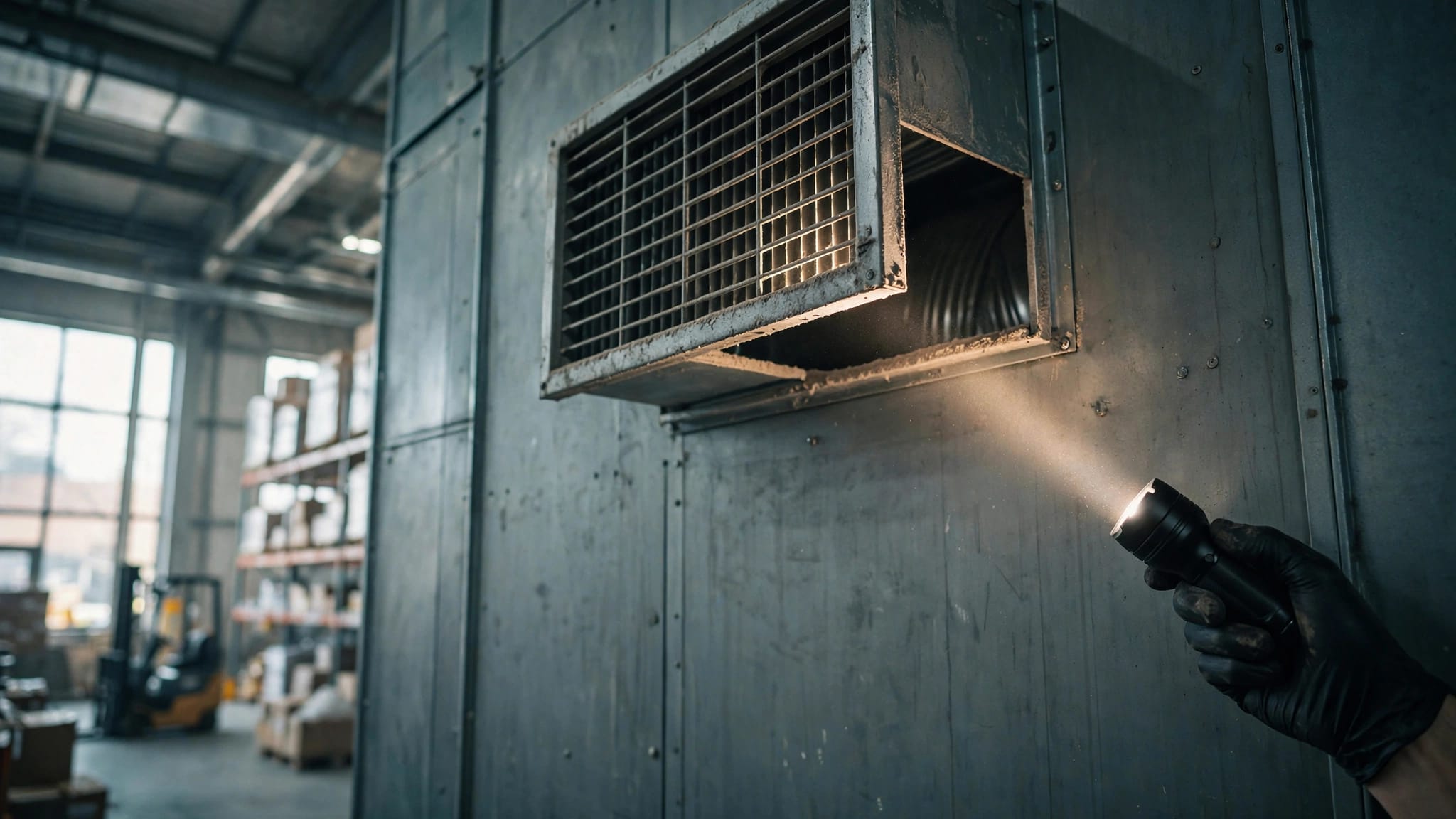
If the odor keeps coming back, the air handler usually needs a closer look. A licensed HVAC tech can inspect the evaporator coil, flush the condensate line, check the drain pan, and look for insulation that has stayed damp too long. If the smell is strongest right at the closet, that is where the search should begin.

The fix changes depending on where the odor starts. Air handler vs duct cleaning helps sort out whether the cabinet, the ductwork, or both need attention. That matters because a clean filter will not solve a dirty coil, and a clean coil will not fix a dusty duct run.

A tech should also check for rust, loose panels, and signs of repeated drain trouble. In Florida, those problems can return fast if humidity stays high and the system keeps pulling moisture through the cabinet.

If the smell is still there after your basic checks, Get a Free Estimate and have the system looked at before the odor spreads deeper into the house.

How to keep the closet dry and clean

Once the source is fixed, keeping the space dry matters just as much. Florida homes need steady HVAC care because the system is fighting humidity almost every day.

Start with the filter. Change it on schedule, and choose the right size for your system. A clogged filter slows airflow, which can leave the coil wetter for longer. That extra moisture gives odor a better place to grow.

Next, keep the closet clear. Storage in front of the unit limits airflow and makes inspections harder. A few boxes or cleaning supplies may seem harmless, but they can trap heat and block quick checks for leaks or stains.

It also helps to keep indoor humidity in a normal range. When the home stays damp, the closet often follows. If your house feels clammy even with the AC running, ask a technician whether the system needs better drainage, better sealing, or added moisture control.

Some homes need another layer of help near the coil. UV lights versus air purifiers explains which option fits a system that keeps collecting damp odors. A purifier can help with particles in the air, but it won't dry a wet pan or stop a clogged drain line. UV can help with growth near the coil, which is often where the smell begins.

The best prevention is routine attention. Watch for stains, listen for new drain noise, and treat small leaks as urgent. In Florida, a small damp spot can become a long-running odor faster than most homeowners expect.

Conclusion

A musty AC closet in Florida usually points to moisture around the air handler, not a random odor. The smell often starts with a wet drain pan, a clogged line, dirty insulation, or ductwork that needs attention.

If the smell is light, start with the filter, the drain area, and the space around the unit. If it keeps returning, the problem is probably deeper in the system. A dry, clean closet is one of the easiest ways to keep your home more comfortable and your indoor air easier to breathe.

By Adkins Duct Cleaning June 2, 2026
A room that never feels quite right often points to airflow, not the thermostat. If one bedroom stays stuffy, the hall feels fine, and the system runs and runs, your home may need an additional return vent . Return vents pull air back to the HVAC system so it can be cooled or...
By Adkins Duct Cleaning June 1, 2026
A pop from the ductwork when the AC starts can sound minor, or it can be the first sign of a real airflow problem. In many homes, that sound comes from metal parts shifting as the system changes temperature and pressure. Still, air ducts popping is worth paying attention to wh...
By Adkins Duct Cleaning May 31, 2026
A blocked return vent can make a home feel off in ways that are hard to pin down. One couch, bookcase, or storage bin can slow airflow, throw off room balance, and make the AC work harder than it should. The problem often starts small. You may notice one room feels stale, anot...