How Long Does Air Duct Cleaning Take in Florida Homes?
Most Florida homeowners can expect air duct cleaning to take two to four hours , but the actual appointment depends on the home's size, duct layout, system condition, and the amount of buildup. A small condo may need less time, while a large house with multiple HVAC systems can take most of a day.
High humidity, near-constant air conditioning use, renovation dust, pests, and moisture problems can all affect the schedule. Standard cleaning is also different from mold inspection, remediation, or HVAC repair. Knowing the difference helps you book the right service and avoid unrealistic time estimates.
Key Takeaways
- A typical Florida home takes about two to four hours for standard air duct cleaning.
- Larger homes, multiple HVAC systems, restricted access, and heavy debris can extend the appointment.
- Mold concerns require inspection and moisture control, not a cleaning shortcut.
- Dryer vent cleaning often takes less time, but combining it with duct cleaning adds to the visit.
- An on-site assessment gives you the most accurate time and price estimate.
Typical Air Duct Cleaning Times in Florida Homes
A professional crew usually begins with an inspection, protects floors and furniture, connects powerful vacuum equipment, and cleans accessible duct sections and HVAC components. The team may use agitation tools, air whips, or rotating brushes to loosen dust before the vacuum collects it.
For a typical single-system home, the cleaning itself often takes two to four hours . That estimate assumes the crew can reach the main trunk lines, supply vents, return vents, and air handler without major obstacles.
The home size matters, but square footage is only one part of the calculation. A 1,500-square-foot house with a simple duct layout may take less time than a smaller home with tight attic access and a complicated system.
| Home or service condition | Common appointment range |
|---|---|
| Small condo or compact single-system home | 1.5 to 3 hours |
| Average single-family home | 2 to 4 hours |
| Large home with one complex system | 3 to 5 hours |
| Home with two HVAC systems | 4 to 7 hours |
| Dryer vent cleaning alone | 30 to 90 minutes |
These are planning ranges, not guarantees. Heavy contamination, damaged ductwork, inaccessible sections, or additional HVAC cleaning can change the schedule. A company that promises the same short appointment for every house may be skipping important steps.
During your estimate, ask whether the quoted time includes the air handler, blower compartment, return side, supply side, registers, and cleanup. Some companies clean only the visible vent openings, which can make the visit seem faster but leaves debris deeper in the system.
For a useful comparison between routine filter changes and duct service, review this guide on when to clean air ducts. The right service depends on what is causing the problem.
What Makes Air Duct Cleaning Take Longer?
Several conditions can add time to a Florida duct cleaning appointment. A careful technician should identify these factors before work begins, rather than rushing through the home.
The number of HVAC systems is one of the clearest factors. Each system has its own air handler, duct network, supply runs, returns, and access points. Cleaning a two-story home with separate upstairs and downstairs systems takes longer than cleaning a compact home with one unit.
Duct accessibility also affects the schedule. Technicians may need to work in an attic, crawl space, garage, closet, or tight mechanical area. If access panels are difficult to reach, the crew must spend more time protecting the area and positioning equipment. Flexible ductwork requires controlled handling because excessive pressure or rough tools can damage the inner lining.
The amount and type of debris matter as well. Loose household dust is generally easier to remove than construction debris, pet hair, insect activity, or material packed into bends and connections. A home that recently underwent drywall work or flooring replacement may need additional cleaning time.
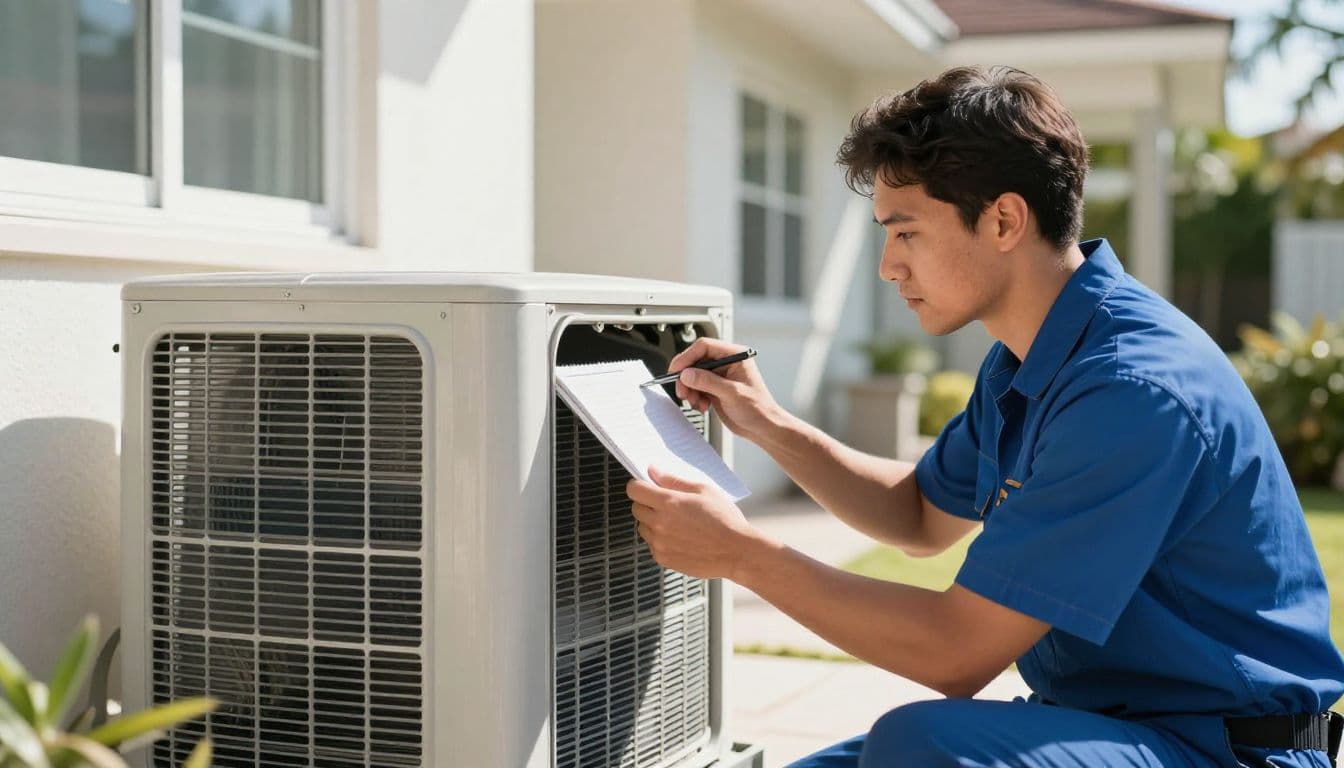
HVAC component cleaning can extend the visit. If the blower compartment, evaporator coil area, drain pan, or return box contains buildup, the technician may recommend addressing those areas. Cleaning the duct interiors while leaving a heavily contaminated air handler untouched can limit the value of the service.
Finally, the crew may find damaged insulation, disconnected ducts, crushed flex duct, or gaps around access panels. Those issues require a repair discussion, not a rushed cleaning. A reputable provider should explain the finding and separate any repair recommendation from the standard cleaning estimate.
A proper visit includes containment and cleanup. Floors, registers, nearby furniture, and equipment should receive protection. The crew should also review the work with you before leaving. You can see the usual steps in this explanation of what to expect from a duct cleaning service.
Why Florida Conditions Can Affect the Timeline
Florida homes place heavy demands on HVAC systems. Air conditioners often run for long periods, especially during hot months, and indoor humidity can rise when drainage, airflow, or equipment performance is poor.
Humidity does not automatically mean your ducts need cleaning. However, moisture can support microbial growth when dust, organic debris, and a damp surface are present. If you notice a persistent musty smell, staining, visible growth, or recurring moisture near the air handler, standard duct cleaning may not be the first step.
The technician should inspect the suspected source. That may include the air handler cabinet, evaporator coil area, drain pan, condensate line, insulation, and nearby duct surfaces. A moisture problem can come from a clogged drain, poor insulation, a refrigerant issue, inadequate airflow, or an air leak. Cleaning alone will not correct those causes.
Florida's coastal areas bring another concern: fine outdoor particles and salt-laden air can enter through leaks or poorly sealed return connections. Homes near construction zones may also collect more dust. Frequent HVAC cycling moves that material through the system, especially when filters are overdue for replacement or do not fit correctly.
Season affects scheduling more than cleaning time. During the hottest months, homeowners may need to plan around HVAC availability because the system should be turned off while sections are opened and cleaned. Your provider can explain how long the equipment will remain off and whether the work requires special preparation.
Standard Cleaning, Mold Remediation, and HVAC Repairs Are Different
Homeowners often use "duct cleaning" to describe several different services. Separating them helps you understand both the appointment length and the possible next steps.
Standard air duct cleaning removes accumulated dust and debris from duct surfaces and connected HVAC areas. It may make sense after remodeling, when debris blows from supply vents, after a pest issue, or when inspection finds substantial contamination. It does not automatically solve odors, leaks, poor airflow, or high indoor humidity.
An inspection is needed when you suspect mold, water damage, pest activity, or damaged duct materials. The inspection should look beyond the register cover. A dark mark on a vent does not prove mold inside the duct system, and a musty odor can come from an air handler, drain pan, carpet, wall cavity, or another source.
Mold remediation involves addressing confirmed microbial growth and its moisture source. Depending on the location and material, remediation may require removal of affected porous insulation, cleaning of suitable surfaces, containment, or repairs. A sanitizer or antimicrobial treatment should never be presented as a substitute for correcting a leak or removing damaged material.
HVAC repair is a separate need. Poor cooling, weak airflow, water around the unit, frequent shutdowns, or unusual mechanical sounds may point to equipment or duct problems. The system might need a drain-line service, electrical repair, refrigerant diagnosis, duct sealing, insulation work, or component replacement.
These added services can turn a two-hour cleaning into a longer appointment or a multi-visit project. Ask for an explanation of the finding, photos when available, and a written price for each recommended service. Avoid approving expensive treatments based only on a smell or a vague claim of contamination.
How to Prepare for the Appointment
A little preparation can help the crew work efficiently. Clear boxes, stored items, and furniture away from supply vents, return grilles, the air handler, and attic access points. Tell the company about recent remodeling, pets, pest activity, water damage, allergies, cigarette smoke, or recurring odors.
Replace the filter only if the provider asks you to do so after cleaning. The technician may need to inspect the old filter first, since its condition can help identify airflow or maintenance problems. Keep pets away from work areas, and make sure someone can provide access to every part of the duct system.
If you also need dryer vent cleaning, mention it when you schedule. A dryer vent service often takes 30 to 90 minutes, depending on vent length, roof or wall termination, blockage, and access. A long vent with several bends or a roof outlet can require more time than a short, direct connection.
Ask these questions before booking:
- How many technicians will arrive?
- Does the service cover the full duct system and air handler?
- What equipment and access methods will the crew use?
- Will the company inspect for moisture, mold indicators, or damaged ducts?
- What happens if the technician finds a repair or remediation issue?
- Is the estimate based on an on-site assessment or a general price range?
An accurate quote should account for the home, not only the number of bedrooms. If you want the company to evaluate both air ducts and the dryer vent, you can Get a Free Estimate before setting aside time for the visit.
Conclusion
For most Florida homes, air duct cleaning takes about two to four hours. Larger systems, difficult access, heavy debris, and additional HVAC work can extend that window.
Humidity and mold concerns deserve careful inspection because cleaning cannot fix leaks, damaged insulation, or equipment problems. The most reliable schedule comes from an on-site assessment that identifies the actual condition of your ductwork before work begins.