What To Expect During Air Duct Cleaning In Florida Homes
A duct cleaning visit shouldn't feel like a mystery. If you're booking air duct cleaning Florida homeowners often want the same thing, a clear picture of what will happen, how long it may feel, and what a good crew should do.
In Florida, that matters even more. Your AC runs hard for much of the year, and that steady airflow can pull in pollen, dust, pet hair, and even a bit of coastal sand. The process should be careful, contained, and easy to follow from start to finish.
Florida homes have a few extra duct cleaning challenges
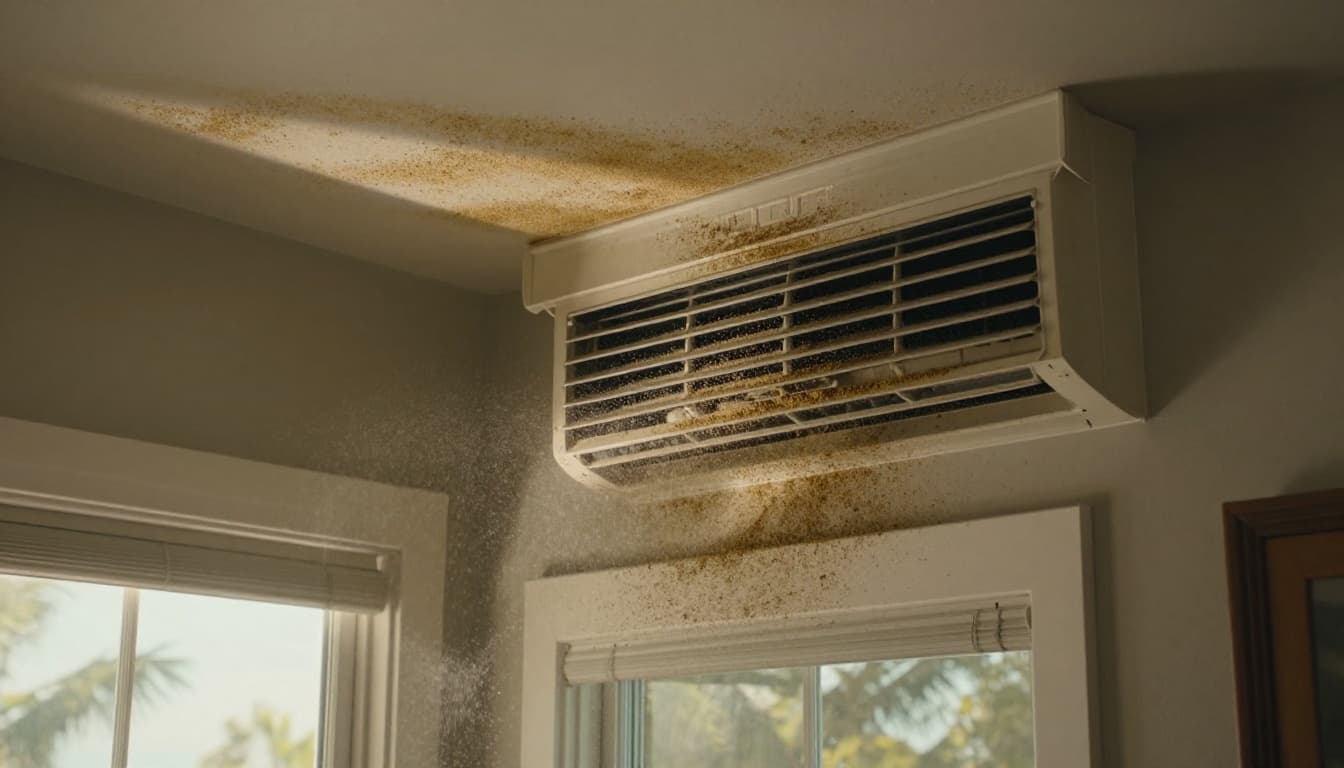
Florida homes put HVAC systems through a lot. Long cooling seasons, high humidity, and frequent storms can all affect what ends up in the ductwork. In coastal areas, fine sand and salt-heavy dust may collect faster. Inland, heavy pollen seasons and year-round AC use can keep debris moving through the system.
Humidity also changes the conversation. Moisture doesn't mean every duct has mold, but it does mean a technician should stay alert for musty odors, residue near vents, or damp areas around the air handler. If you want a better feel for the common warning signs, this guide on signs your ducts need professional cleaning is a helpful starting point.
That said, not every home needs duct cleaning on a schedule. A good company won't use scare tactics. Instead, they should ask about dust buildup, recent remodeling, pest issues, uneven airflow, visible debris at registers, or odors tied to the HVAC system. They should also be insured, explain their process clearly, and, when relevant, tell you whether the crew follows NADCA standards or holds NADCA certification.
What usually happens during the appointment
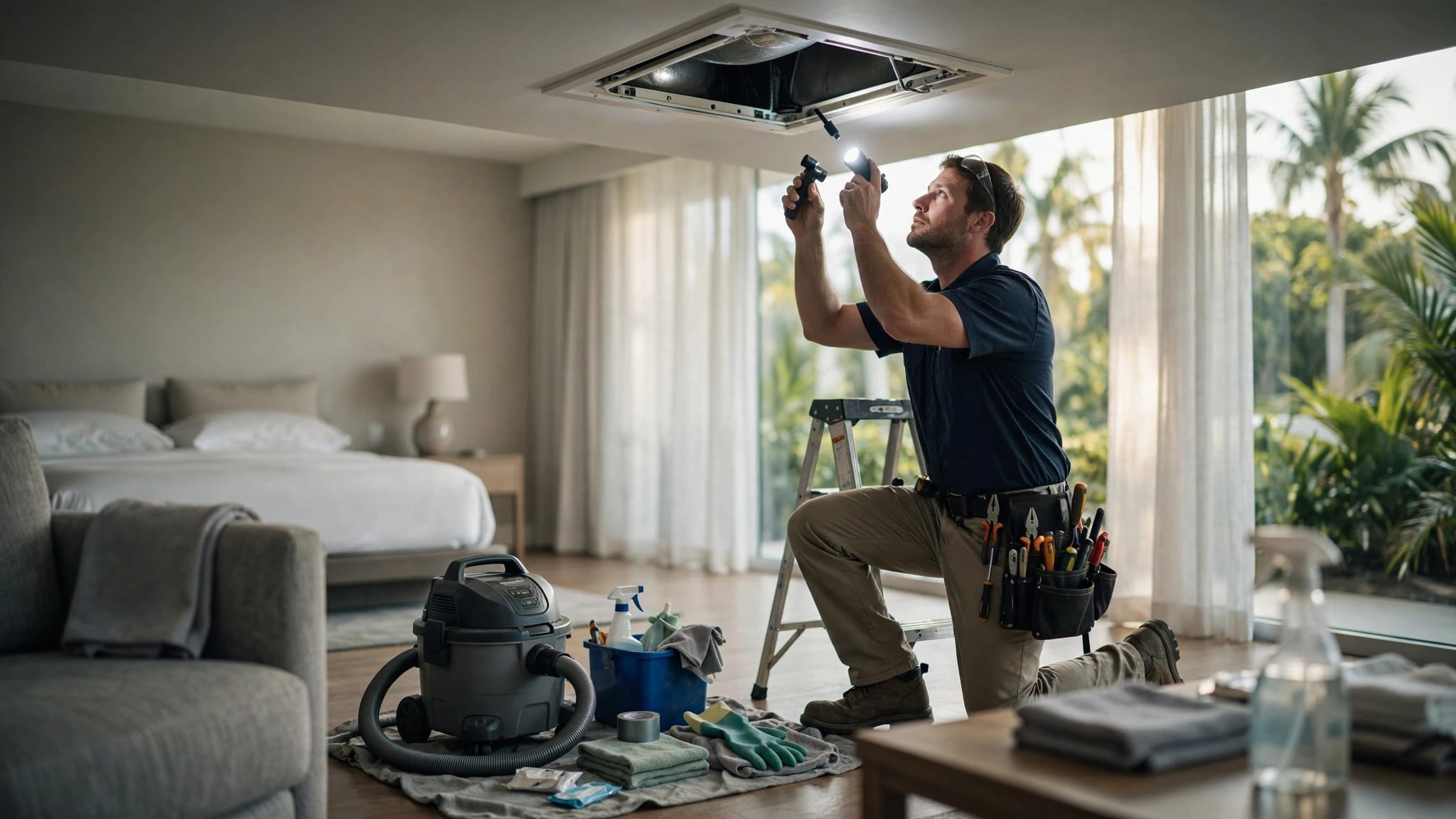
Once the crew arrives, the visit should feel organized, not rushed. Expect some noise from the equipment and access requests for vents, returns, the air handler, and sometimes the attic.
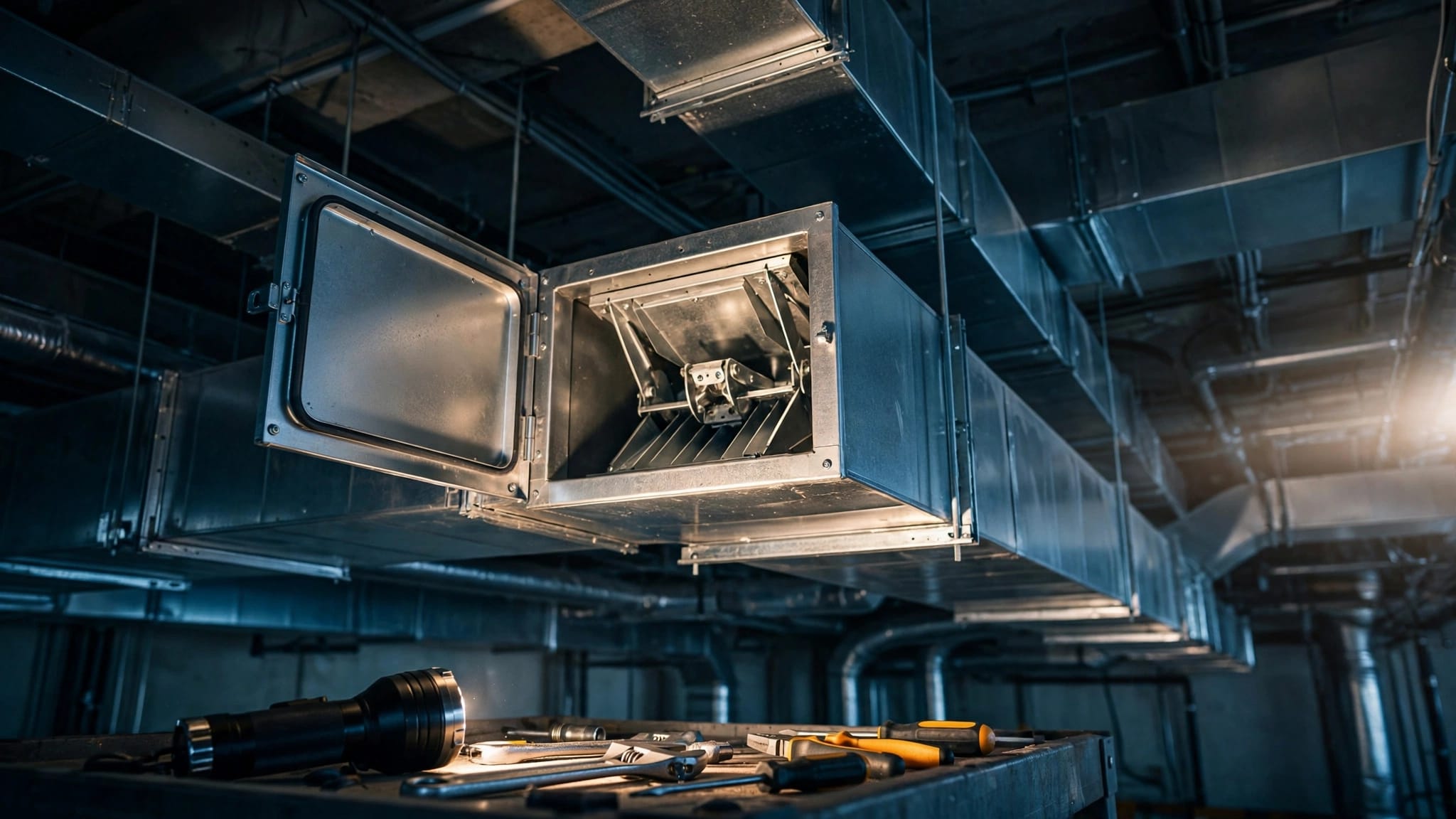
- The first step is an inspection. The technician looks at supply and return ducts, registers, the air handler area, and overall access. In some homes, they may show you problem spots before work begins.
- Next, they'll protect the work areas. Register covers may come off, nearby floors may be protected, and furnishings close to vents may be moved or covered. This part matters because the job should not spread dust through the house.
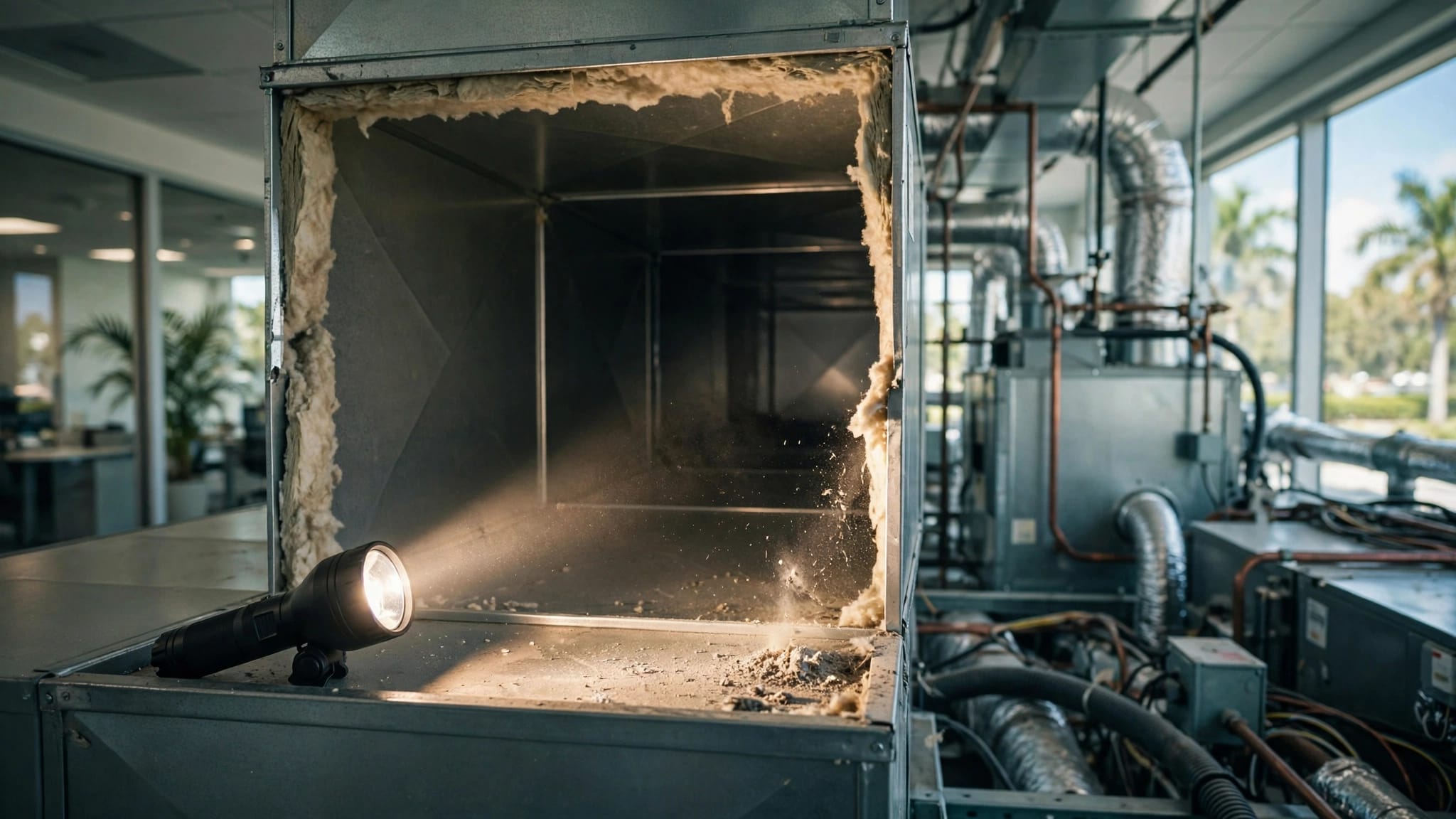
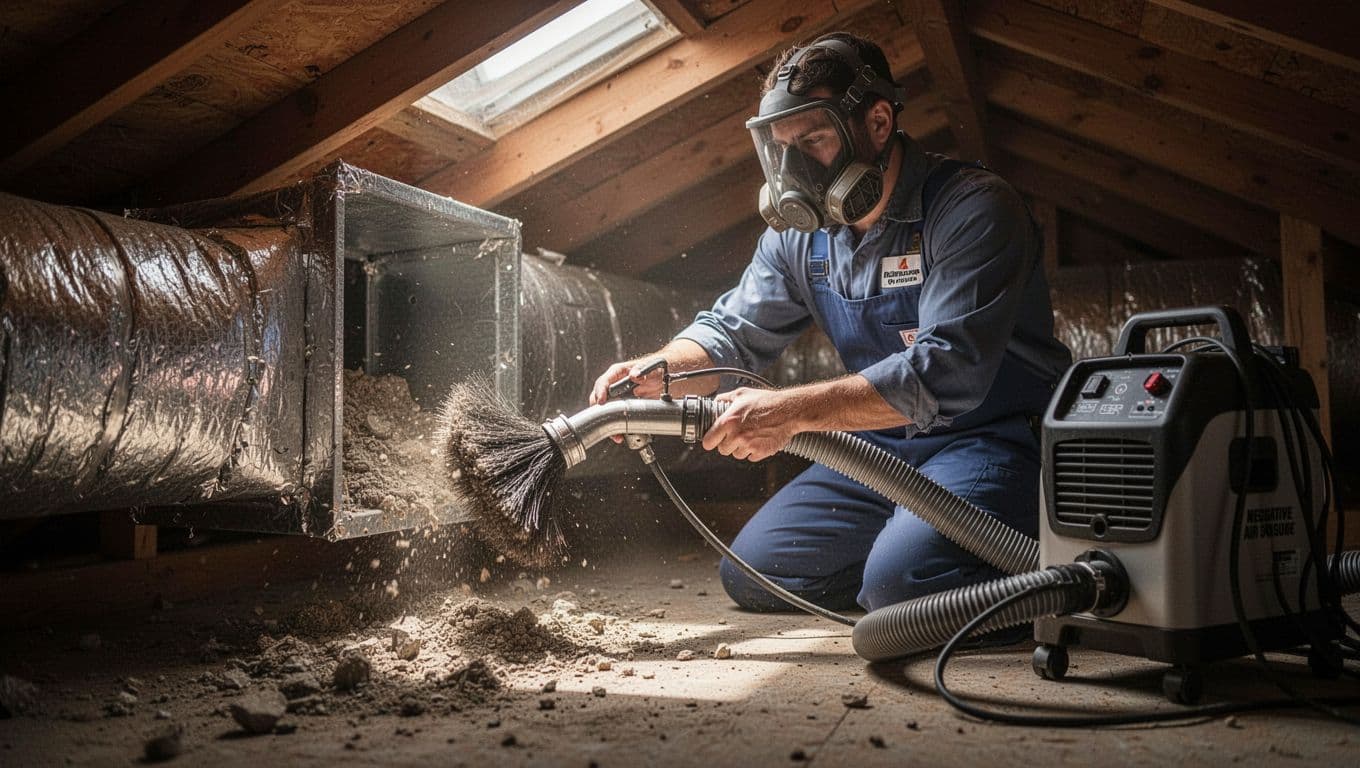
- Then the crew sets up negative pressure equipment. In plain terms, that means a strong vacuum system is attached to the ductwork so loosened debris gets pulled out instead of drifting into rooms. This is one of the main signs you're getting a real cleaning, not a quick blow-through.
- After that, they loosen buildup inside the ducts. Pros often use agitation tools such as rotary brushes, air whips, or compressed-air tools. These break dust and debris free from the duct walls while the vacuum pulls it away.
- Registers, returns, and accessible sections of the system are cleaned as the crew moves room by room. Depending on the setup, they may also clean parts near the air handler where dust tends to collect. If a technician finds damage, disconnected ducts, or heavy moisture, they should point it out instead of working around it in silence.
- Sometimes a sanitizer or antimicrobial treatment comes up. That shouldn't be automatic. A trustworthy company should explain why it's being suggested, what product would be used, and whether the issue is debris, odor, or suspected microbial growth. If there's a real mold concern, source moisture control matters as much as cleaning, and duct cleaning alone may not solve it.
- The appointment should end with a walkthrough. You should be able to see what was cleaned, ask questions, and review before-and-after photos or a service checklist if offered.
A good duct cleaning feels a bit like cleaning the inside of a vacuum hose you use every day. You may not see most of it, but the process should be methodical, contained, and easy to verify.
How to prepare, and how to tell the job was done right
Before the visit, clear space around vents, the thermostat area, and the indoor unit if you can. Secure pets, and expect some equipment noise while the system is under suction. If attic access is needed, make that path easy too.
When you're choosing a company, ask a few direct questions. Are they insured? Will they provide a clear scope of work? Can they show before-and-after photos or a checklist? If the job may involve more than cleaning, ask whether the right licensed professional is involved. It also helps to review a Florida air duct cleaning cost guide so you know what affects pricing.
Some homeowners schedule dryer service at the same time, especially when they're already making room for equipment. If that's on your list, here's how dryer vent cleaning works. And if you're ready to price out the visit, you can Get a Free Estimate.
A solid duct cleaning visit shouldn't leave you guessing. You should see a careful inspection, protected registers and floors, proper negative pressure equipment, controlled debris removal, and a clear final review.
For Florida homes, the best results come from a company that respects the climate, explains the process, and skips the hype. Clean ductwork isn't about drama, it's about knowing the job was done carefully and for the right reasons.