Air Duct Cleaning After a Florida Home Renovation
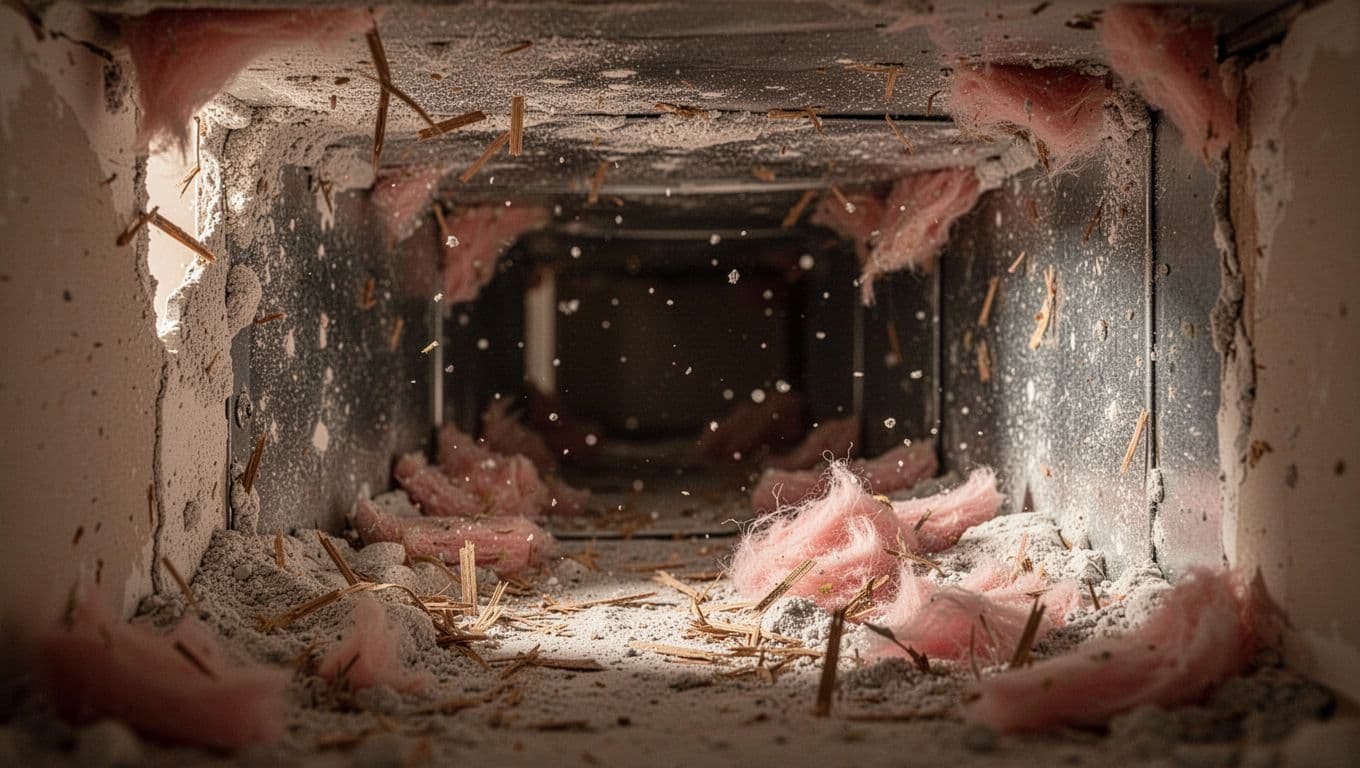
Your remodel may be done, but your ductwork can still look like a job site. Fine drywall dust, sawdust, insulation fibers, and pet dander often travel farther than you think.
In Florida, that leftover debris matters even more because the AC runs hard for much of the year. If dust and moisture get pulled into the system, comfort can drop and indoor air can feel stale fast. That's where a smart post-renovation HVAC check comes in.
Why renovation dust often ends up inside your ducts
Home projects create a mess you can see, and a second mess you usually can't. When workers sand drywall, cut trim, or open attic spaces, tiny particles float through the house. Return vents can pull that debris into the HVAC system, especially if the air conditioner runs during the job.
Drywall dust is the big troublemaker. It's light, fine, and easy to spread. Sawdust, insulation particles, and loose dirt from foot traffic can join it. Even pet dander gets stirred up during a renovation, then moves through the system with everything else.
That doesn't mean every remodel calls for full duct cleaning. A small paint job usually won't. A kitchen gut, flooring replacement, drywall repair, or attic work is different. In those cases, air duct cleaning is most useful when you notice clear signs of buildup or system trouble.
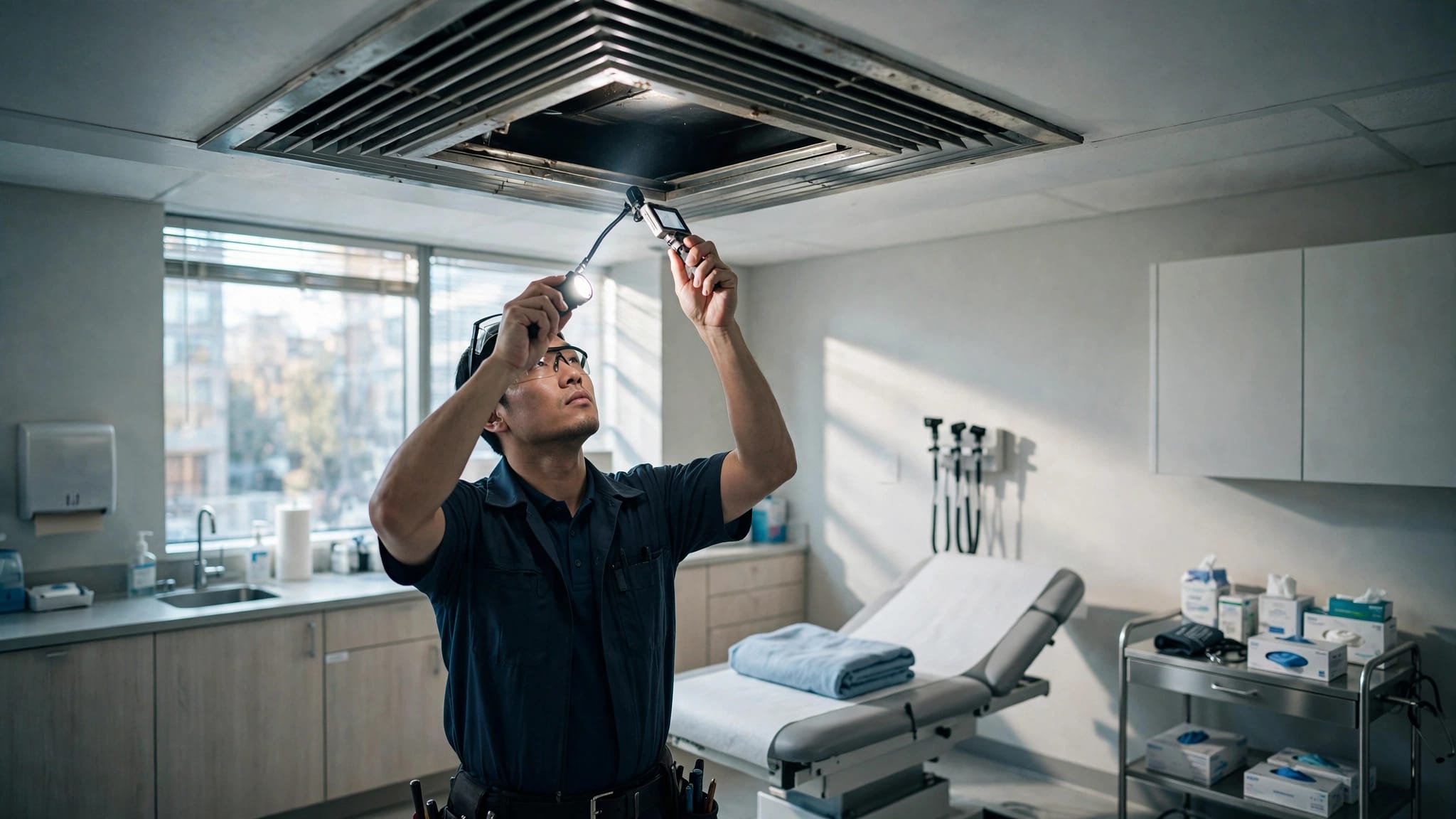
Look for clues such as dust collecting around registers, weak airflow in one or more rooms, or a filter that turns gray fast after the work is done. If dust puffs from a vent when the AC starts, that's another sign the system needs attention.
Post-renovation cleaning makes the most sense when there's visible dust, debris, airflow trouble, or suspected contamination.
That practical approach matters for homeowners searching for air duct cleaning Florida services after a remodel. The right first step is often an inspection, not an automatic sales pitch.
Florida homes add humidity, moisture, and mold concerns
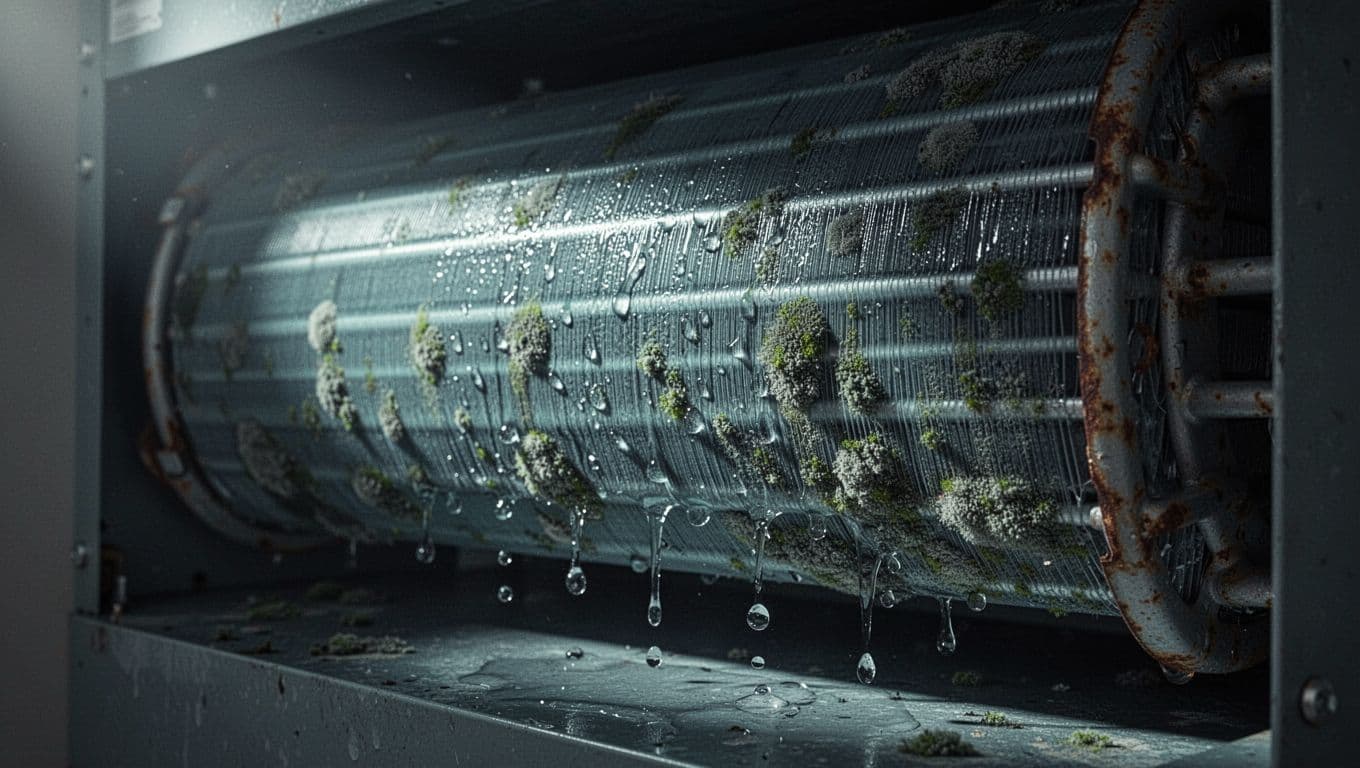
Florida homes face a second challenge after renovation: humidity . Fresh paint, joint compound, open doors, and heavy AC use can add moisture to the mix. If damp air lingers in the system, the problem may go beyond dusty ducts.
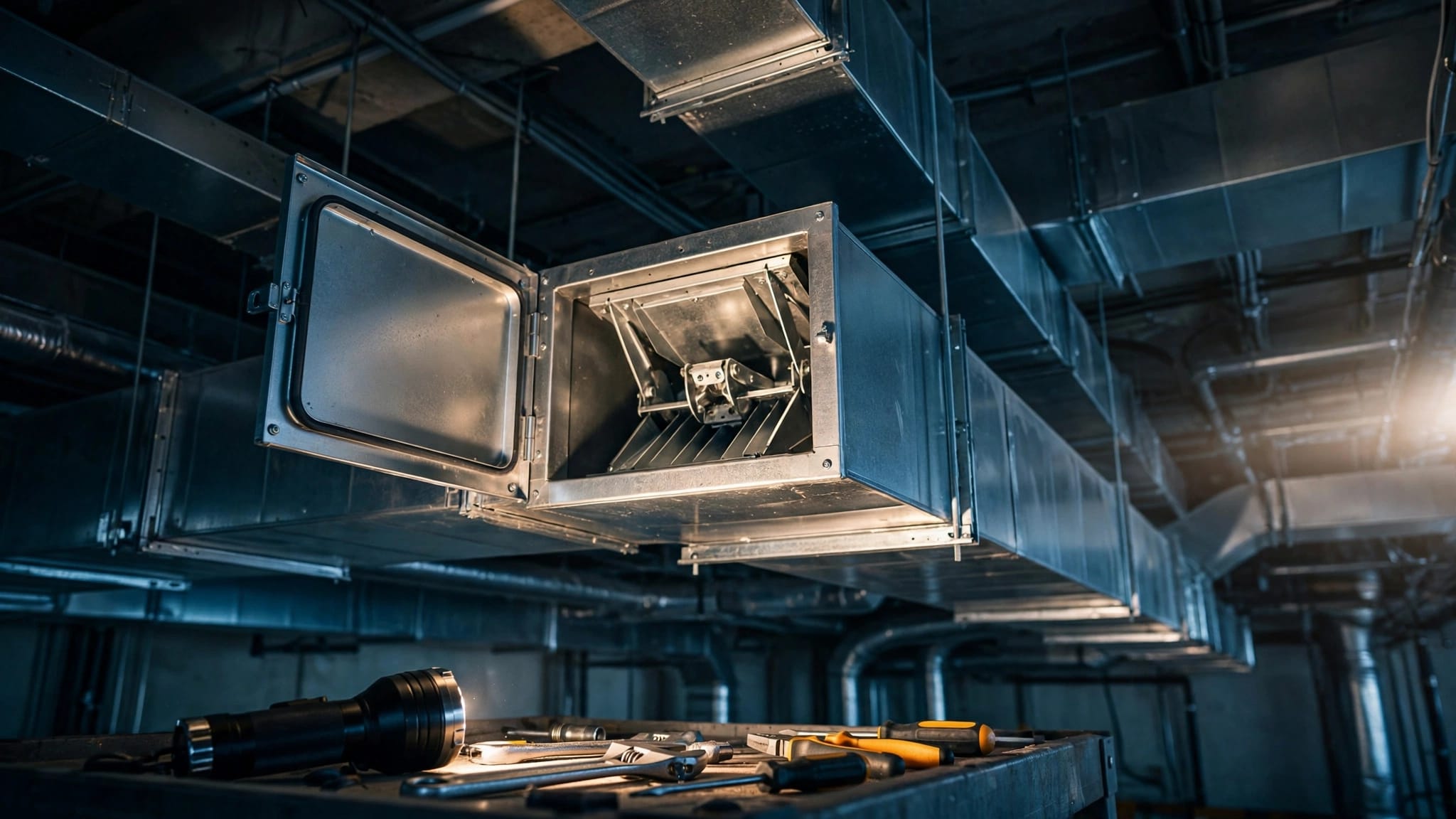
That's why post-renovation service should look at the whole HVAC system, not only the duct runs. The air handler, evaporator coil, drain line, and filter all affect airflow and indoor air quality. If moisture sits on dirty surfaces, mold growth becomes more likely.
A simple inspection can help you spot the biggest issues. Here's what to check after the dust settles:
| Area | What to look for | Why it matters |
|---|---|---|
| Supply and return vents | Visible dust, debris, or dark buildup | Shows what may be moving through the system |
| Air filter | Heavy loading or clogging | Restricts airflow and lets dust pile up faster |
| Evaporator coil | Dirt, dampness, or musty odor | Dirty coils can hurt cooling and hold moisture |
| Air handler and drain area | Condensation, standing water, or grime | Moisture problems can lead to odors and mold growth |
The takeaway is simple. Duct cleaning works best as part of a broader HVAC check, not as a stand-alone fix for every air problem.
That's also why many homeowners notice comfort gains after the system gets cleaned and inspected. Cleaner components can help reduce recirculated dust and improve airflow. There can also be real health benefits of regular duct cleaning when a dirty system keeps moving allergens through the home.
What professional air duct cleaning should include after renovation
A good post-renovation job should be thorough and plainspoken. The crew should inspect the vents and ductwork, explain what they see, and clean only what needs cleaning. No scare tactics, no wild claims.
Professional cleaning usually involves high-powered vacuum collection, agitation tools, and careful removal of dust from supply and return ducts. In some homes, the service should also include the registers, air handler cabinet, and coil area if those parts are dirty. That full-system view matters more than a quick pass at the vents.
Realistic expectations also help. Duct cleaning won't fix leaky ducts, bad insulation, or an aging AC unit. It also won't replace routine filter changes. Still, after a renovation, it can remove leftover debris that your HVAC system was never meant to handle.
When comparing companies, look for a provider that is NADCA-aligned or follows similar industry standards. You should also ask a few direct questions:
- Do they inspect the system before quoting the work?
- Will they check the filter, coil, vents, and air handler too?
- Can they explain what cleaning method they use?
- Are they insured, and can they show clear pricing?
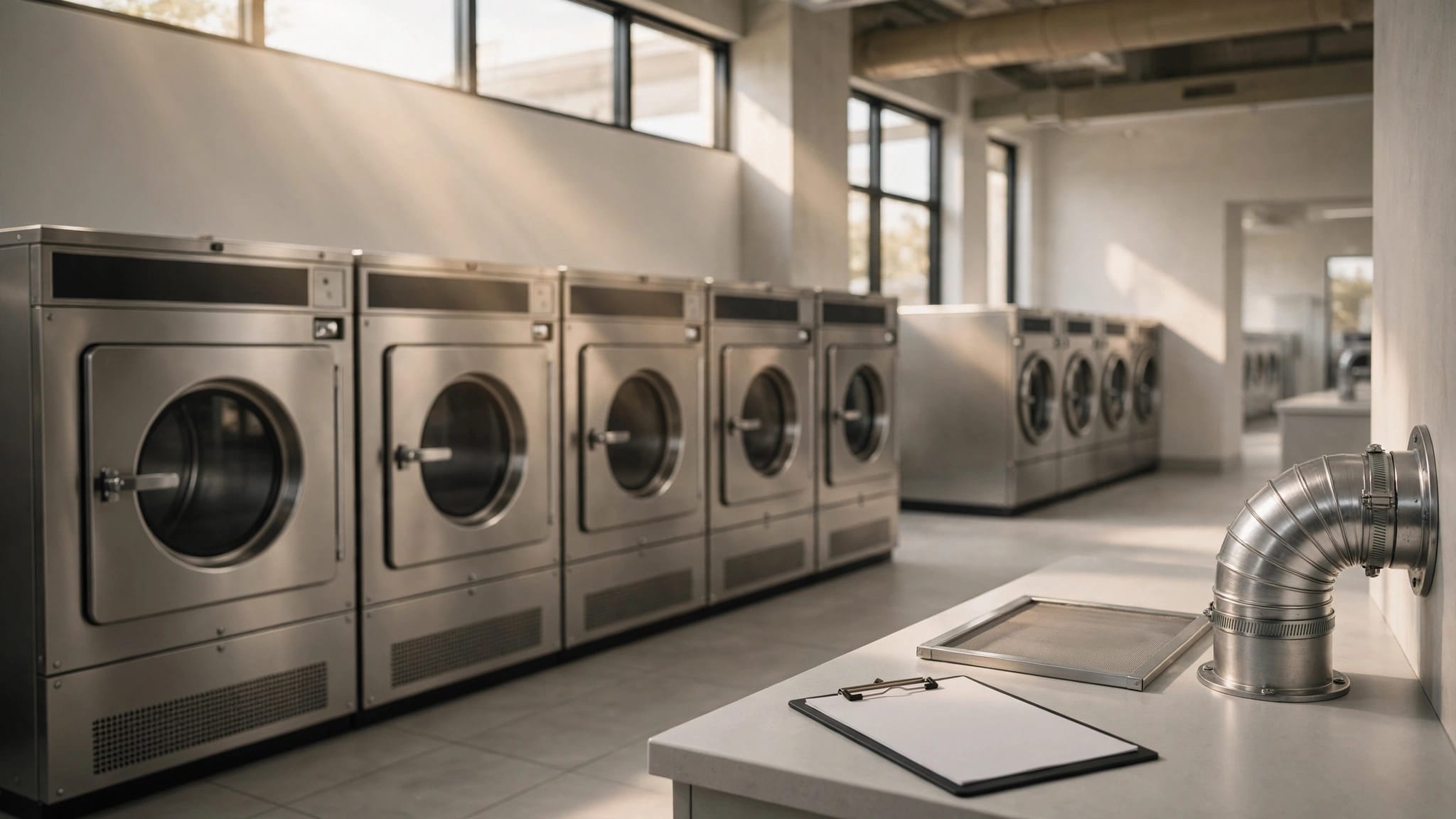
If you want a ballpark before you book, this Florida air duct cleaning cost guide can help set expectations. And if your project included the laundry area, it makes sense to ask about the dryer vent during the same visit.
For homeowners ready to schedule service, you can Get a Free Estimate once you've checked the vents and confirmed the system needs attention.
Fresh paint and new floors feel great, but the job isn't fully finished if renovation dust is still cycling through your AC. In Florida, where cooling systems run long hours and moisture can linger, a careful HVAC inspection after remodeling is often the smartest move.
The best results come from a simple rule: clean what's dirty, inspect what affects airflow, and don't ignore humidity . That approach keeps post-renovation duct cleaning practical, useful, and worth the call.