Can Duct Leaks Pull Garage Fumes Into Your Home?
Yes, they can. If your home has an attached garage, even small duct leaks can help pull air from that space into bedrooms, halls, and living areas. That air may carry carbon monoxide, gasoline vapors, solvent odors, and other pollutants you do not want indoors.
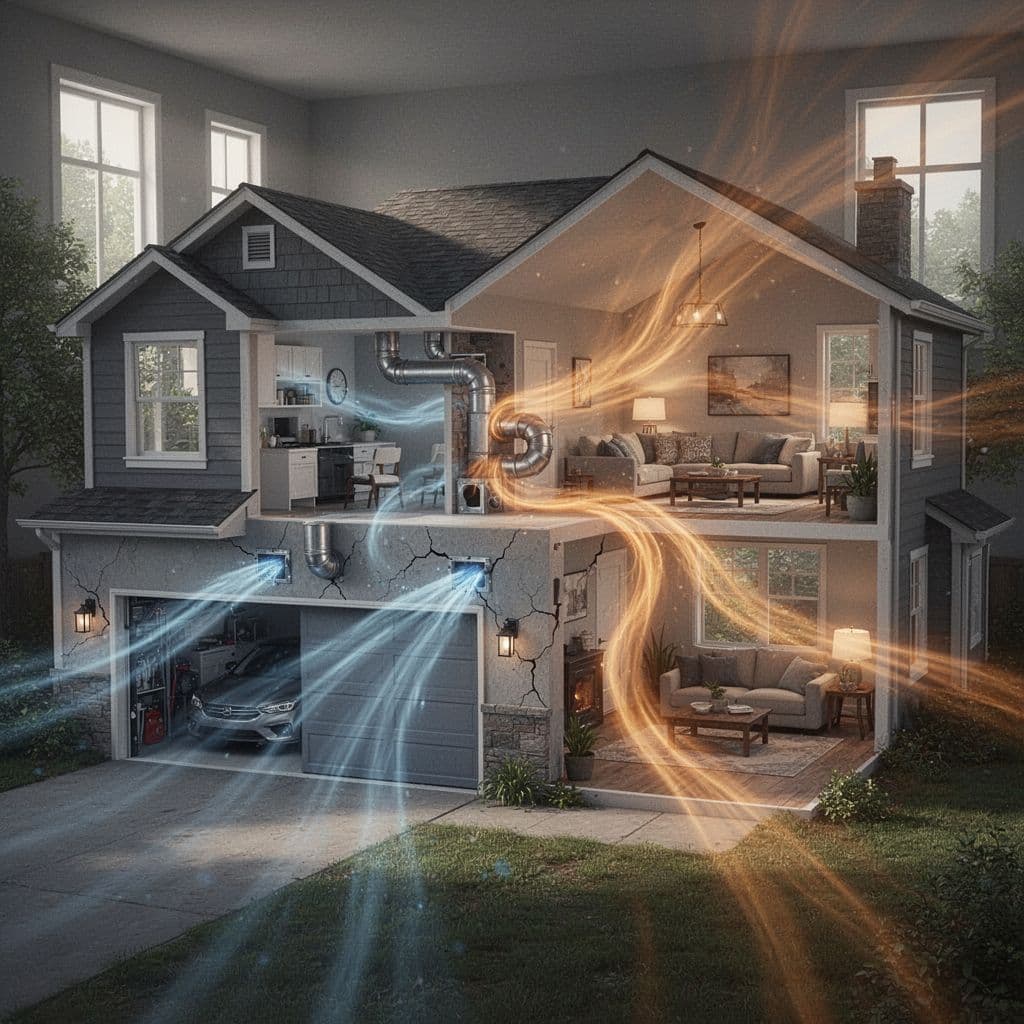
The risk grows when return ducts run through rooms next to the garage or pass through a shared wall. A small crack, loose joint, or gap around a duct boot can act like a tiny straw. Here is how that happens, what to watch for, and how to lower the risk.
How garage air gets into the HVAC system
When your HVAC blower runs, it creates pressure changes inside the house. Return ducts draw air back to the air handler, and they do that with enough force to pull nearby air through openings. If a return line leaks inside a wall cavity, closet, attic, or garage-adjacent space, it can pull in whatever air is around it.
That matters because attached garages are not clean storage spaces. Cars leave exhaust residue. Gas cans can off-gas fuel. Paint, cleaners, and lawn chemicals can release fumes for hours. Even after a car is off, a garage can hold lingering exhaust components, including carbon monoxide .
A garage may look sealed, but air moves through tiny gaps, wall openings, and loose duct joints.
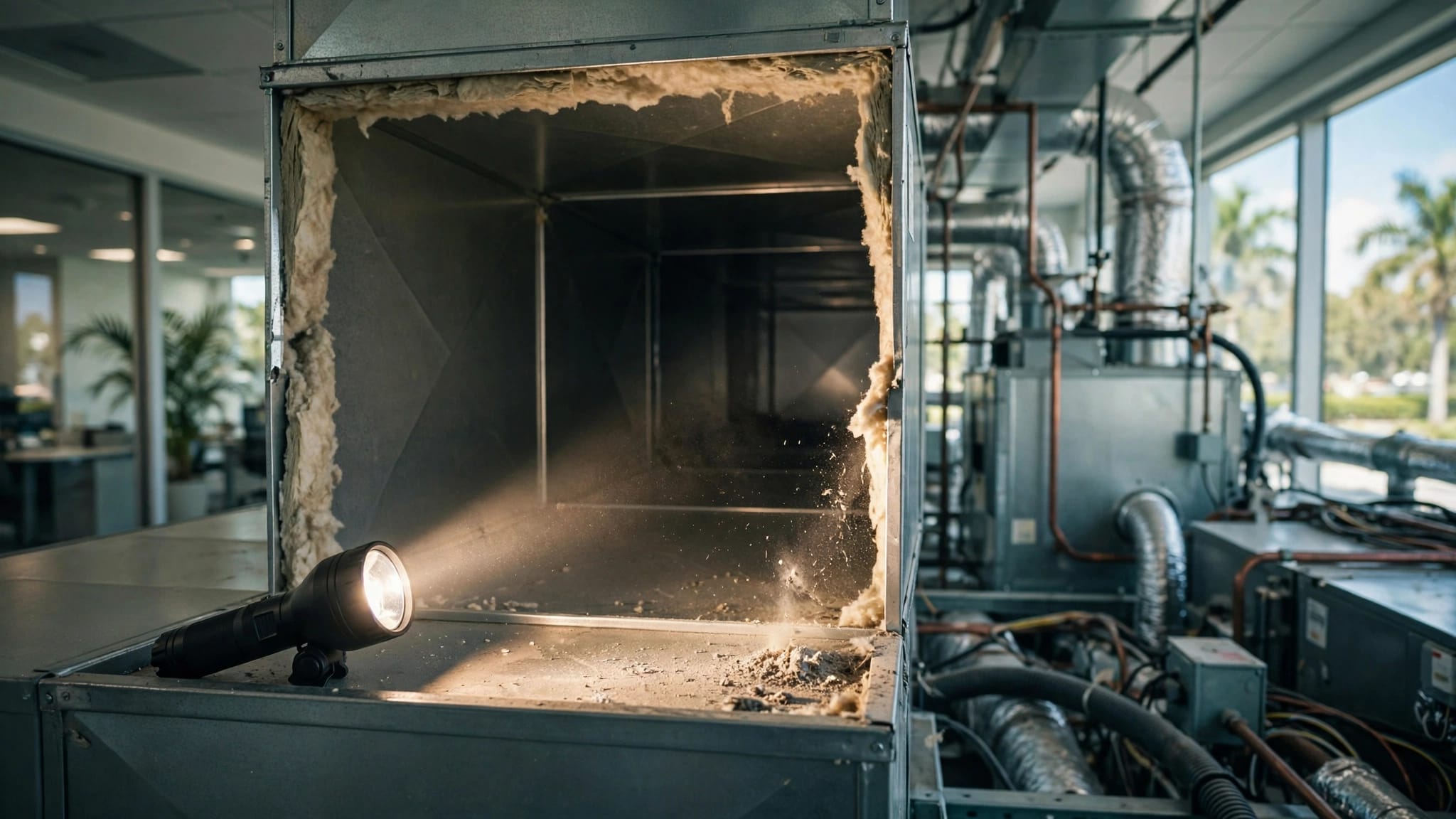
A house does not need a huge hole to have a problem. A cracked return boot, a torn flex duct, or a missing seal around a duct chase can be enough. When the HVAC system cycles on, those leaks can spread garage air to parts of the home that never touch the garage directly.
Why attached garages are a bigger indoor air quality risk
A detached garage is easier to isolate. An attached garage shares a wall, ceiling, or utility path with the house, so fumes have a shorter route indoors. That route gets even easier when the home has pressure imbalances from bath fans, kitchen hoods, clothes dryers, or a strong return-air pull.
The mix inside a garage can be messy. It may include:
- Car exhaust and carbon monoxide
- Gasoline vapors from fuel cans or recent refueling
- Solvents from paint, glue, and cleaners
- Dust, dirt, and tire residue
- Moisture and moldy odors after rain or flooding
If the return duct work near that space is leaky, the HVAC system can move those pollutants through the house. In plain terms, your air handler may be pulling from the wrong room.
The concern is not only smell. Some garage fumes irritate eyes and throats. Others can cause headaches, dizziness, or nausea. If those symptoms show up more often when the system runs, pay attention.
Warning signs that point to a duct leak near the garage
Some clues are easy to miss at first. A garage odor near a vent may seem like a one-time issue, but repeated smells often point to a pattern.
| Warning sign | What it may mean |
|---|---|
| Fuel, exhaust, or solvent smell near supply vents | Air from the garage may be entering the duct system |
| Odors that get stronger when the HVAC fan runs | A return leak or pressure issue may be pulling air inward |
| Headaches, nausea, or throat irritation after the car runs | Garage fumes may be reaching living spaces |
| Dust buildup around garage-adjacent registers | Duct leaks can pull dusty air through openings |
| Whistling, rattling, or loose duct noise | Joints may be open or damaged |
If the odor gets worse after parking a car, running a mower, or storing chemicals in the garage, that is a strong clue. The same is true if the smell is strongest near returns, hallways, or rooms on the garage side of the house.
A garage problem can also show up as a comfort issue. Rooms may feel stuffy. Airflow may seem weak. Certain vents may smell different from the rest of the house. Those small changes are often the first sign that the system is moving air where it should not.
What homeowners can check before calling for help
A basic inspection can reveal a lot. Start with the easy stuff first.
- Run the HVAC fan and walk through the rooms next to the garage.
- Notice whether the smell changes when the fan turns on.
- Check visible duct runs in the attic, closet, or laundry area for loose tape, gaps, or disconnected sections.
- Inspect the wall and ceiling line between the garage and the house for openings around pipes, wires, and ducts.
- Look at garage doors and weatherstripping, because a bad seal gives fumes an easier path.
Do not use a candle or open flame for testing. A flashlight, a tissue, or a piece of thin paper is safer for spotting airflow around vents and seams. If a tissue moves when it should not, that area may need sealing.
Also check the garage itself. Keep gasoline in approved containers, store solvents tightly closed, and avoid idling a car inside, even with the door open. Those habits lower the amount of pollutant air the house has to deal with.
How to reduce the risk of garage fumes entering your home
The best fix is usually a mix of sealing, cleaning, and better airflow control. Duct sealing with mastic or proper foil tape can close many small leaks. Damaged flex duct or crushed duct runs may need replacement. Open gaps around wall penetrations should be sealed so the garage cannot feed air into the return side of the system.
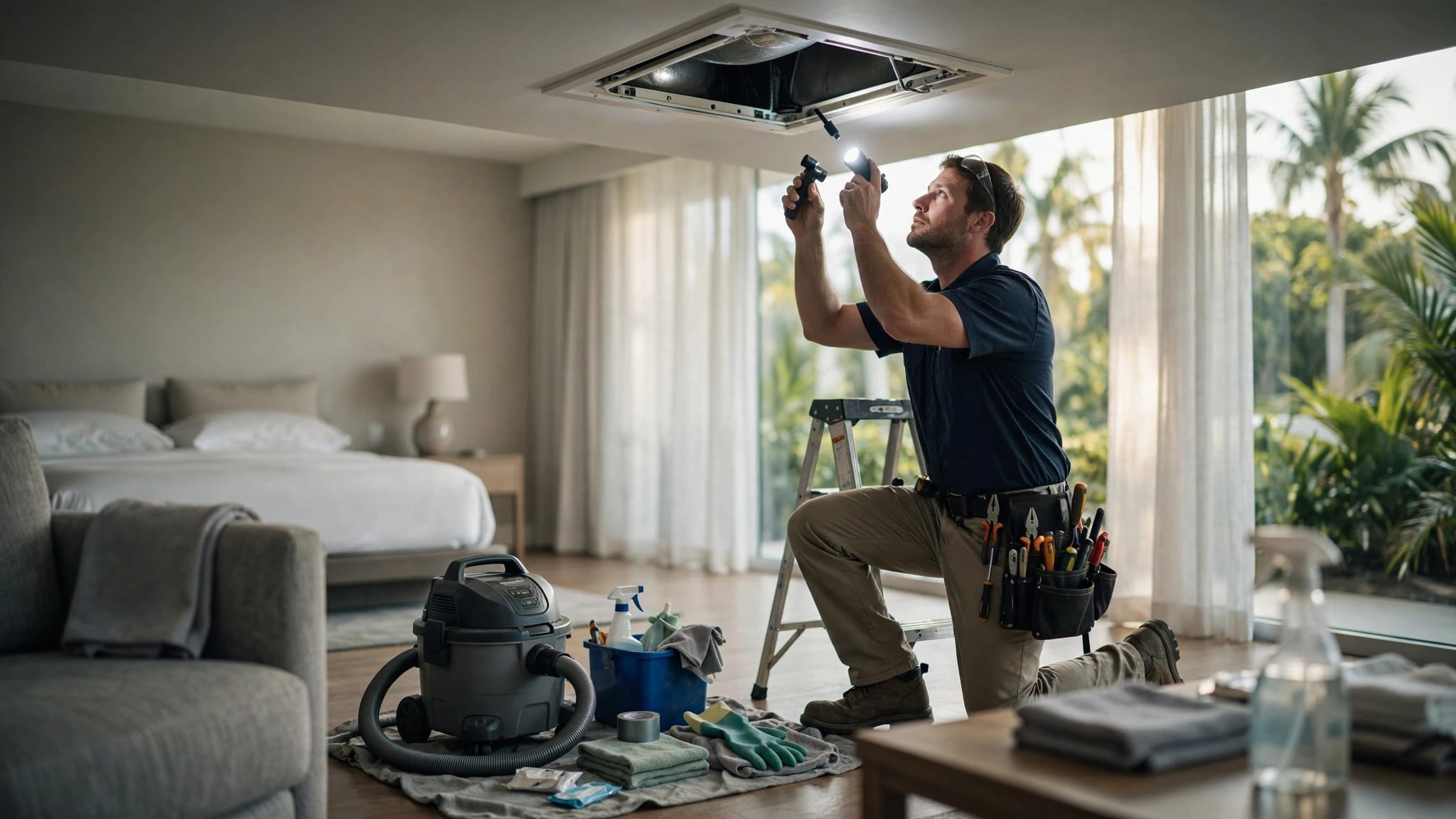
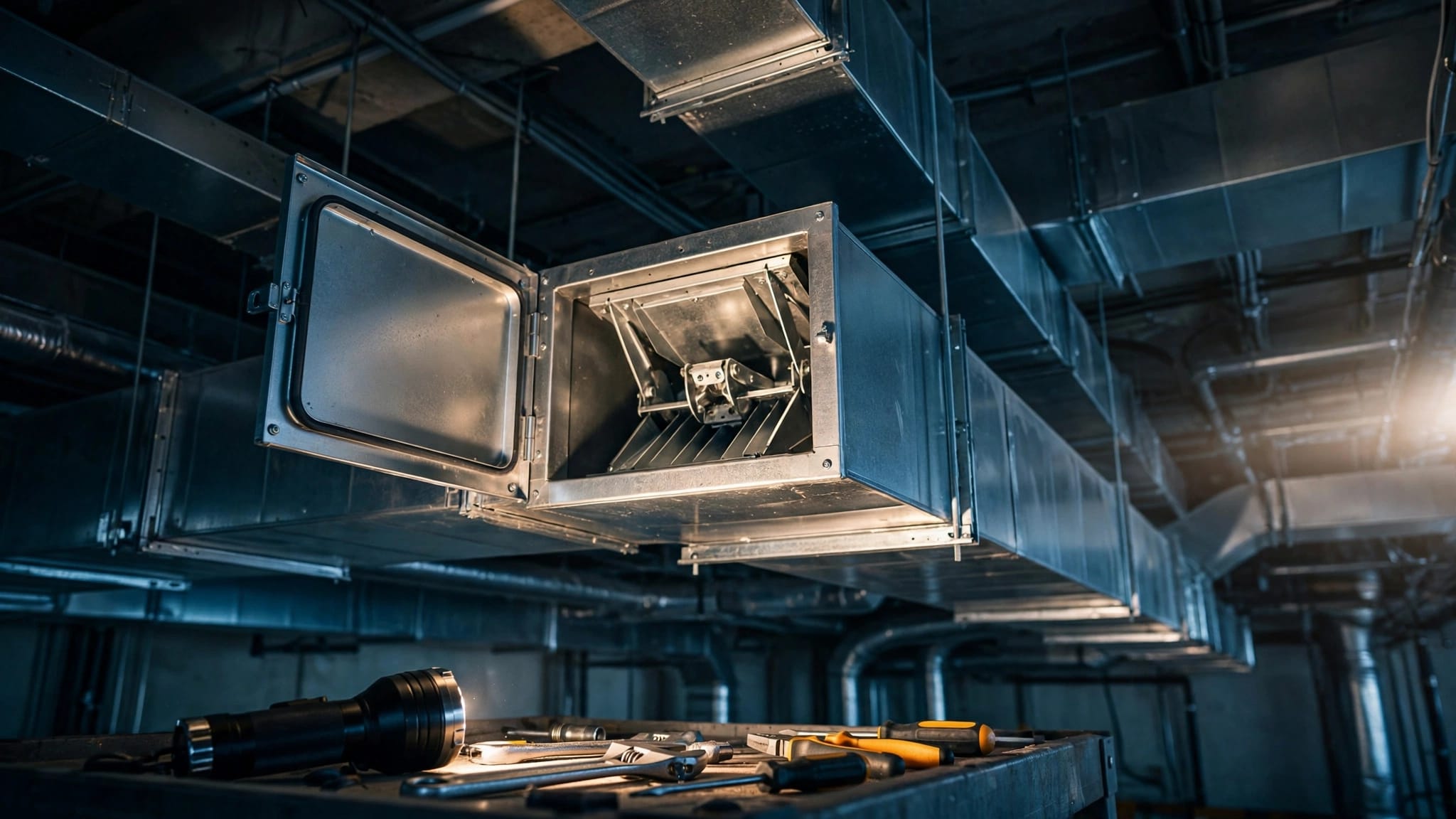
A professional duct inspection helps when the problem keeps coming back. A technician can find leaks you cannot see, including returns hidden in walls or ceiling spaces near the garage. If the system needs service, professional air duct cleaning services can also help remove buildup that traps odors and dust inside the ducts.
If you suspect the issue is tied to both odor and dirty airflow, ask about duct cleaning and sealing together. In homes with attached garages, that combined approach often gives better results than cleaning alone.
Conclusion
Yes, duct leaks garage fumes can become a real indoor air quality problem, especially in homes with attached garages and return ducts near shared walls. The system does not need a major break to create trouble. Small gaps, loose joints, and pressure changes can move polluted air into the home.
Start with a visual check and pay attention to smells that show up when the HVAC runs. If you notice fuel odors, headaches, or weak airflow near the garage side of the house, treat those signs as useful clues. For a closer look, Get a Free Estimate and have the ducts and garage separation checked before the problem gets worse.