Airflow Balancing Checklist After a New AC Installation

Adkins Duct Cleaning • July 9, 2026

A new AC system can cool fast and still leave one bedroom warm, one hallway chilly, and the living room stuck in the middle. That usually means the system needs airflow balancing after installation, not that the unit itself is bad.

This step matters because comfort depends on more than the thermostat. Duct layout, return air, filter condition, and blower setup all shape how the air moves through your home. A short checklist after install can catch small problems before they turn into daily hot spots.

Key Takeaways

  • A new AC installation should be checked for airflow balance within the first few days of use.
  • Weak vents, hot and cold rooms, noisy ducts, and blocked returns are common signs of an uneven system.
  • A clean filter and open registers are simple first checks that often reveal obvious airflow issues.
  • Some balancing fixes need a licensed HVAC technician, especially when dampers, duct sizing, static pressure, or blower settings are involved.
  • If buildup in the ductwork is part of the problem, airflow and indoor air quality should be evaluated together.

Why airflow balancing matters after a new AC installation

Fresh equipment does not automatically mean even comfort. A system can be sized correctly and still move air unevenly if the ducts are restrictive, the returns are undersized, or the blower setup does not match the house.

That is why a new installation should be followed by a real-world check. Walk through the home during the first several days of operation and notice which rooms cool quickly and which ones lag behind. The thermostat may be satisfied while a back bedroom still feels sticky.

Balancing also affects the system itself. When air gets stuck in the wrong places, the unit can run longer than needed, make more noise, or strain to reach the set temperature. Over time, that can hurt efficiency and shorten equipment life.

If a room seems weak because the filter is packed with dust, compare the symptoms with duct cleaning vs changing filters. Sometimes the fix is simple. Other times, the duct system needs a closer look.

Airflow balancing checklist for your home

Use this checklist during the first week after installation. Take your time, because small patterns matter.

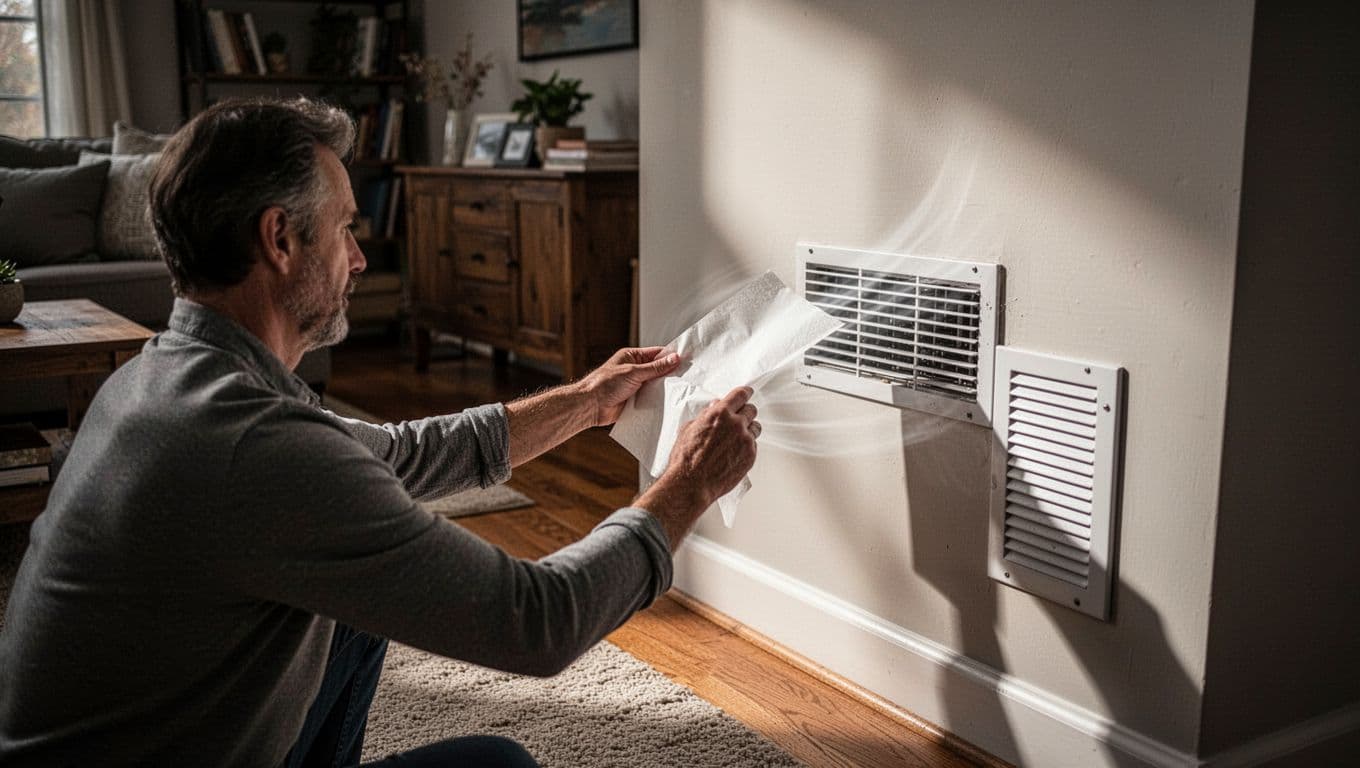
  • Check for weak vents. Hold a tissue or a light piece of paper near each supply register. Strong vents should push air with similar force. If one room barely moves the paper, that branch may need attention.
  • Compare room temperatures. Measure the same rooms at the same time each day. Morning, afternoon, and evening readings can show whether one space stays consistently warmer or colder than the rest.
  • Make sure registers are open. Walk the house and look at every supply vent. A half-closed register or a vent blocked by furniture can throw off the whole airflow pattern.
  • Clear return airflow paths. Return grilles need open space around them. If a return is covered by a couch, blocked by a rug, or hidden behind a closed door, the system struggles to pull air back in.
  • Inspect the air filter. A filter that is dirty, the wrong size, or installed backward can choke airflow. Check it soon after the installation and again after a few days if the home is dusty.
  • Listen for noisy ducts or whistling vents. Whistling often points to restricted airflow. Rattling or booming can also mean the ducts are under stress.
  • Document hot and cold spots. Write down which rooms feel off, when they feel off, and whether the issue changes with time of day. A few notes can help a technician zero in on the problem faster.
  • Watch how closed doors affect comfort. Bedrooms often cool better with the door open if the return path is weak. If a room changes a lot when the door opens, airflow may need to be rebalanced.
  • Check supply and return balance together. A strong supply register means little if the room cannot get air back out. Comfort depends on both directions moving well.
  • Repeat the check after the system runs for a while. Some issues show up only after the house has been occupied and the AC has cycled several times.

A home can feel "mostly fine" and still be out of balance. The trouble usually shows up in the same few rooms, over and over again.

What off-balance airflow looks like in daily use

Uneven airflow often hides in plain sight. You may notice a guest room that stays muggy, even though the thermostat says the house is cool. A hallway might feel fine, while the room at the end of the run feels stale and slow to recover after the afternoon heat.

In Florida homes, this shows up fast because the AC works hard for long stretches. A south-facing room, a space over the garage, or a room with a long duct run can drift out of step with the rest of the house. That does not always mean the AC is undersized. More often, it means air is not being distributed evenly.

Another clue is how the system sounds. If some vents are quiet and others whistle, the system may be forcing air through a path that is too tight or too open. When the airflow is balanced, the home feels calmer. The temperature difference from room to room is smaller, and the system does not have to fight itself.

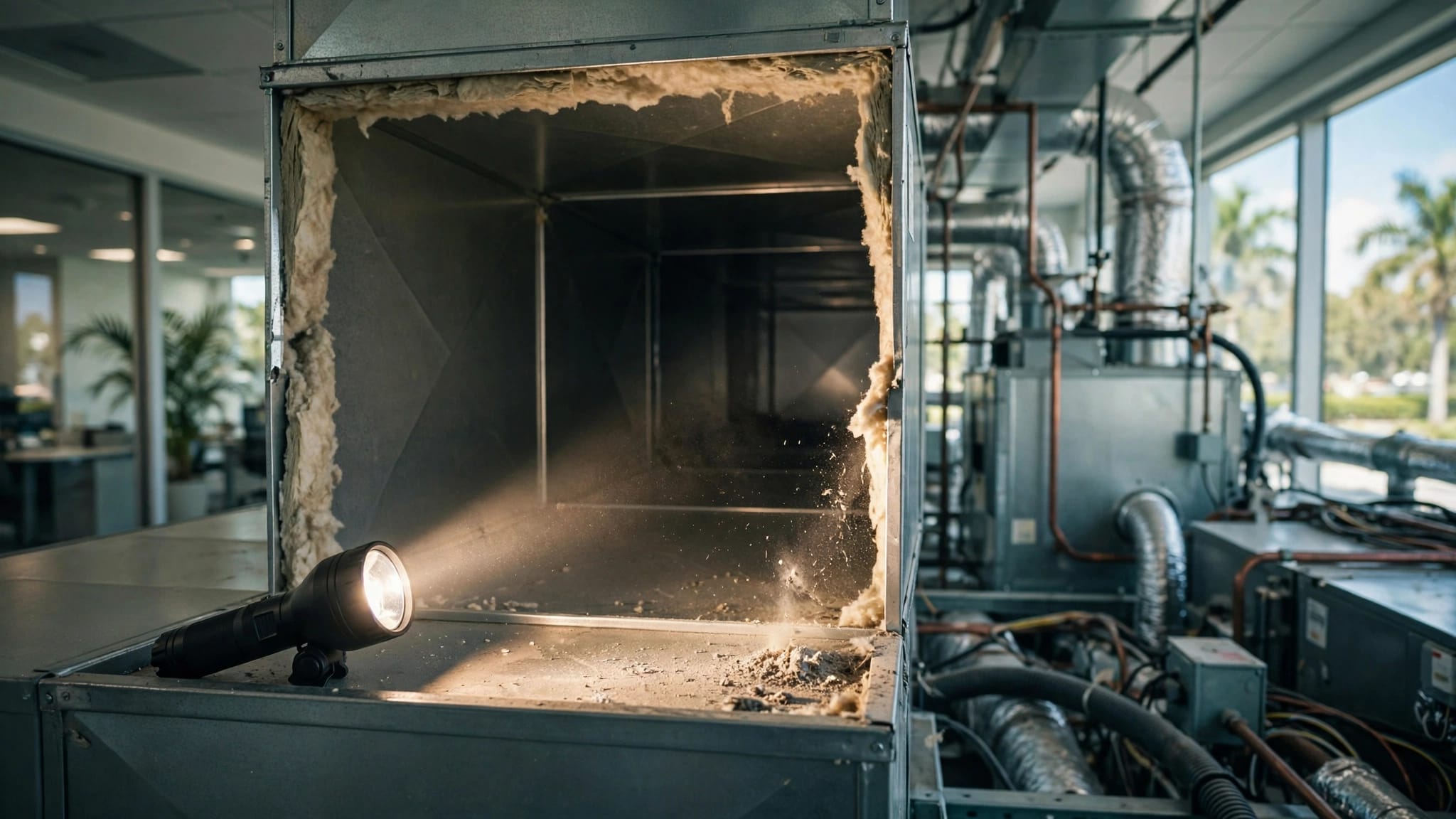
If dust or odor comes back right away after installation, the issue may be tied to the ductwork. In that case, professional air duct cleaning Fort Myers can be part of the fix, especially when buildup is restricting movement through the system.

When a licensed HVAC technician should make the adjustments

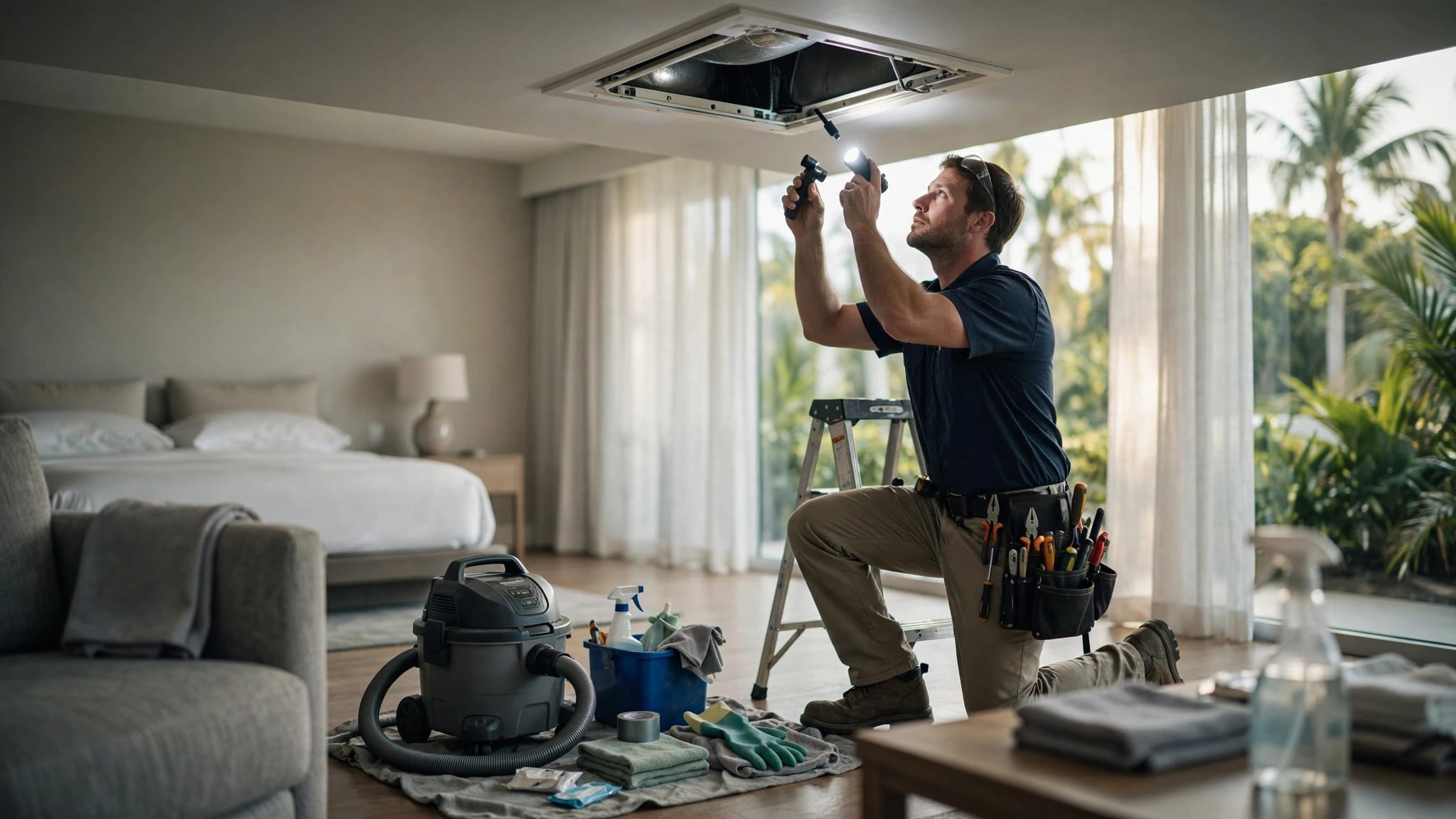
Homeowners can spot the symptoms, but some balance issues need tools and training. Dampers, duct sizing, static pressure, and blower setup all affect airflow in a way that is hard to judge by feel alone.

A licensed HVAC technician can measure how much air each branch is getting and then make controlled changes. That matters because one adjustment can improve one room while hurting another. A damper turned too far, or a blower setting changed without testing, can create a new problem.

Call a technician when the basics do not fix the issue, or when the same room stays uncomfortable no matter what you try. That also applies if you hear repeated whistling, feel poor airflow at several vents, or notice the system running longer than expected.

If you want a pro to inspect the airflow after a new install, Get a Free Estimate before small comfort problems turn into a long-term annoyance.

Conclusion

A new AC installation should leave your home more comfortable, not more uneven. The fastest way to spot trouble is to follow a simple airflow balancing checklist and look at the home as a whole, not just the thermostat.

Start with the easy checks, weak vents, room temperatures, open registers, return paths, filters, and noise. Then bring in a licensed HVAC technician if the system needs damper work, blower changes, or a closer look at static pressure and duct design.

When the airflow is balanced, the house feels steadier, the system works with less strain, and every room gets a better shot at staying comfortable.

By Adkins Duct Cleaning July 8, 2026
Putting a filter in a supply vent sounds sensible at first. If dust comes out of the register, why not catch it there and keep the room cleaner? In most homes, though, supply vent filters are the wrong place for the job. The filter usually belongs at the return grille or insid...
By Adkins Duct Cleaning July 7, 2026
Your AC can be running nonstop, yet some rooms still feel warm and sticky. That often points to static pressure , a hidden airflow problem that makes the system work harder than it should. In Florida, weak airflow is more than an annoyance. It can affect comfort, humidity cont...
By Adkins Duct Cleaning July 6, 2026
A good duct sealant comparison starts with one simple fact, cloth duct tape is not built for permanent HVAC sealing. When ducts leak, you lose conditioned air, pull in dust from attics or crawlspaces, and make the system work harder than it should. The real choice is between m...