
Air Duct Cleaning Florida: When to Clean Ducts vs. Change Filters
Your AC runs hard in Florida, often for most of the year. So when dust builds up or allergies flare, it's easy to assume the ducts need cleaning.
In many homes, the first fix is simpler. Air filter changes are routine preventive care , while duct cleaning is a situational service that should follow clear evidence. That difference matters, especially in a humid state where HVAC systems rarely get a long break.
The real difference between filter changes and duct cleaning
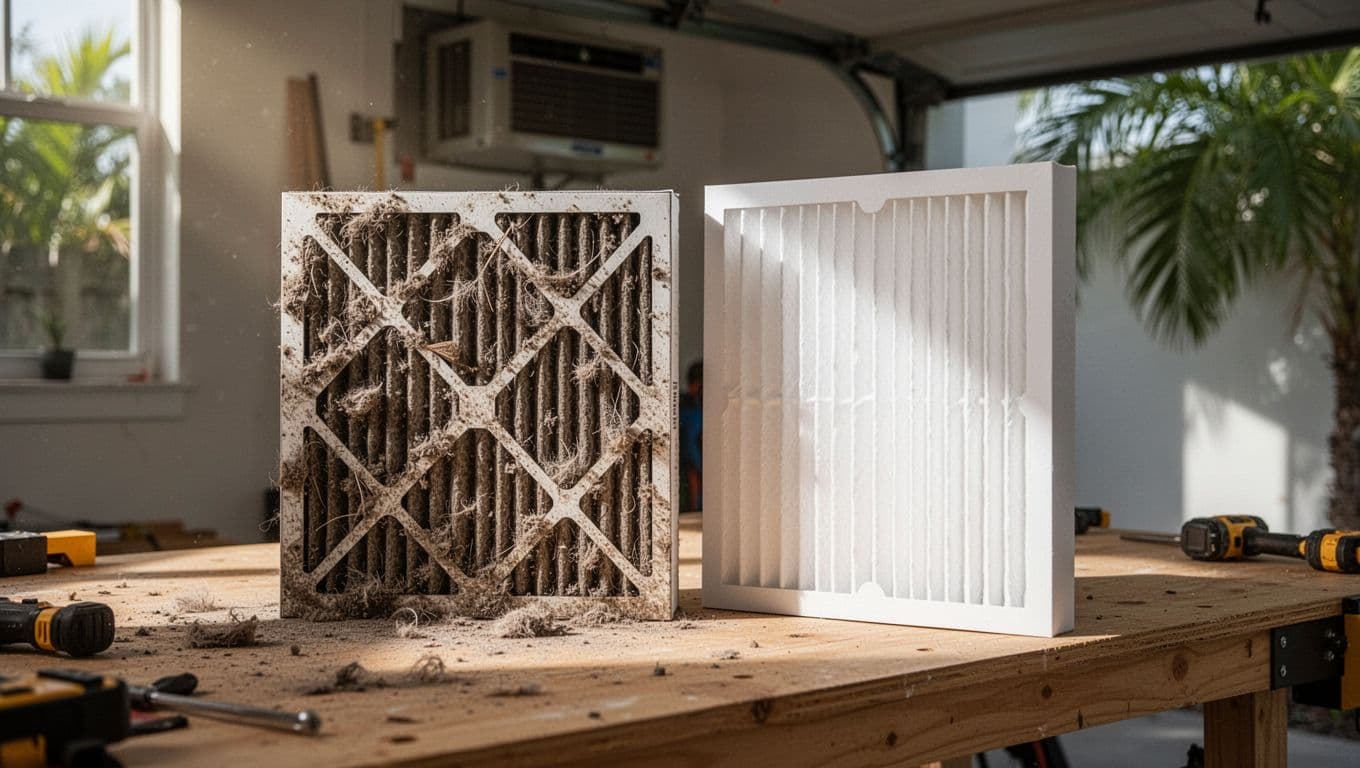
A filter change is regular upkeep. It helps trap dust, pollen, pet dander, and other particles before they move deeper into the system. In a Florida home, that job matters more because the AC cycles so often.
Air duct cleaning does something else. It removes contamination already sitting inside the ductwork or HVAC system. That can help in the right situation, but it isn't a monthly or even annual chore for every house.
In most Florida homes, staying on top of filter changes does more for day-to-day HVAC health than routine duct cleaning.
When people search for air duct cleaning florida , they often want relief from dust, odors, or weak airflow. Sometimes duct cleaning is the right answer. Still, an overdue filter, high indoor humidity, or a struggling air handler may be the bigger issue.
Florida also adds a few twists. Long cooling seasons load filters faster. Spring pollen can hit hard. Coastal homes may deal with extra salt and fine debris. Because of that, a filter that looks fine after a month in another state may look tired much sooner here.
Why air filters matter more in day-to-day Florida homes
Filters protect the blower, coil, and duct system every time the AC turns on. Since Florida homes often run cooling for long stretches, filters collect more material and lose airflow faster than many homeowners expect.
A good habit is simple: check the filter every month , even if you don't replace it monthly. Homes with pets, smokers, frequent window use, nearby construction, or strong allergy concerns usually need more frequent changes. Coastal homes can benefit from closer checks too, because salt air and fine grit can add to the load.
This quick guide helps set expectations:
| Filter type | Typical change interval | Common fit for Florida homes |
|---|---|---|
| Basic fiberglass | 30 days | Budget option, light filtration |
| 1-inch pleated | 60 to 90 days | Most common choice |
| 4 to 5-inch media filter | 6 to 12 months | Better dust capture, if system supports it |
The best interval still depends on your home. Heavy AC runtime, pets, and allergy seasons can shorten it.
MERV rating matters too. For many homes, MERV 8 to 11 is a good balance of filtration and airflow. A higher rating can catch smaller particles, but it can also strain a system that isn't built for it. If a filter whistles, bows, or seems to reduce airflow, the rating may be too high for that setup. An HVAC pro can confirm what your system can handle.
When air duct cleaning makes sense in Florida
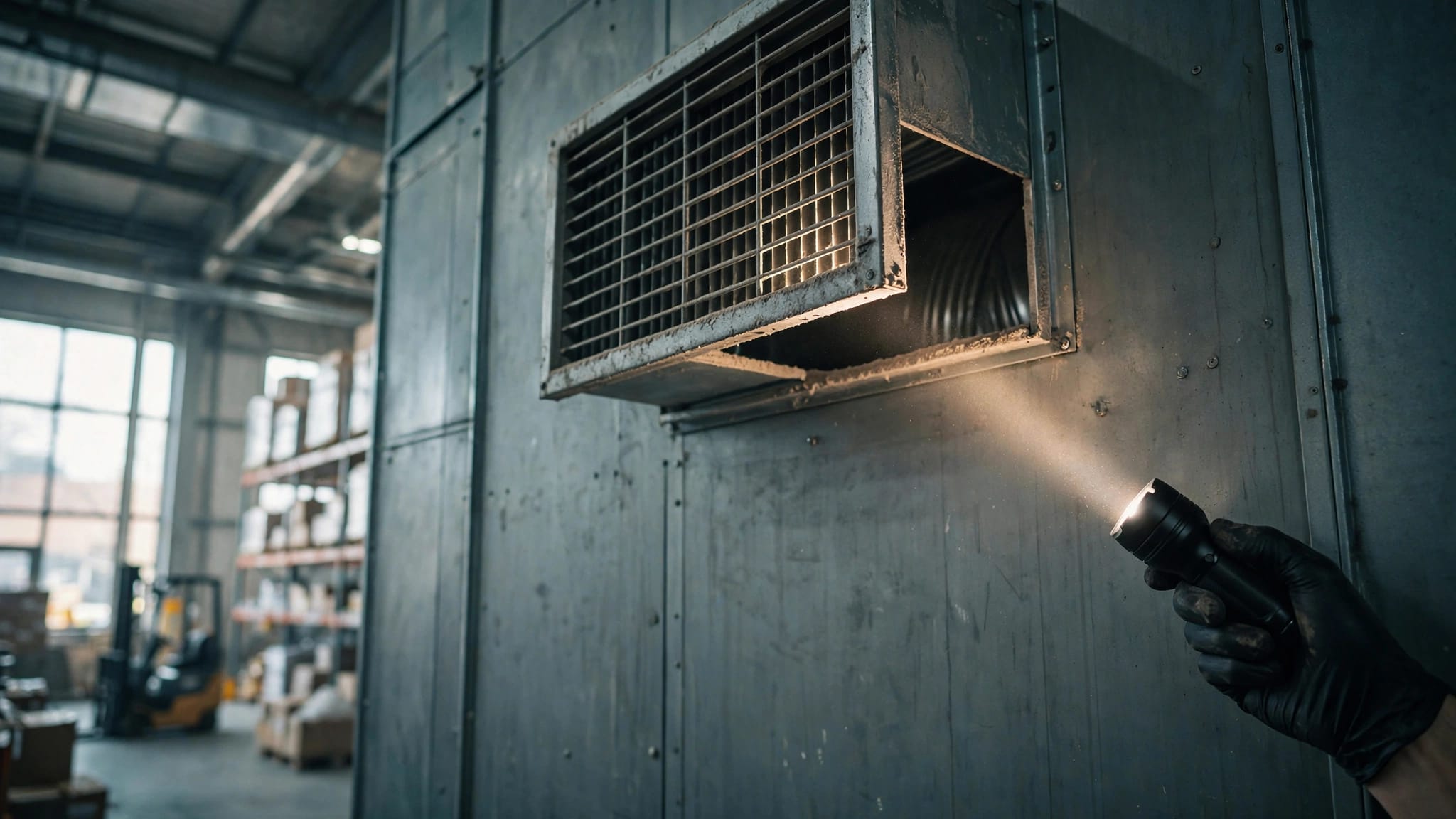
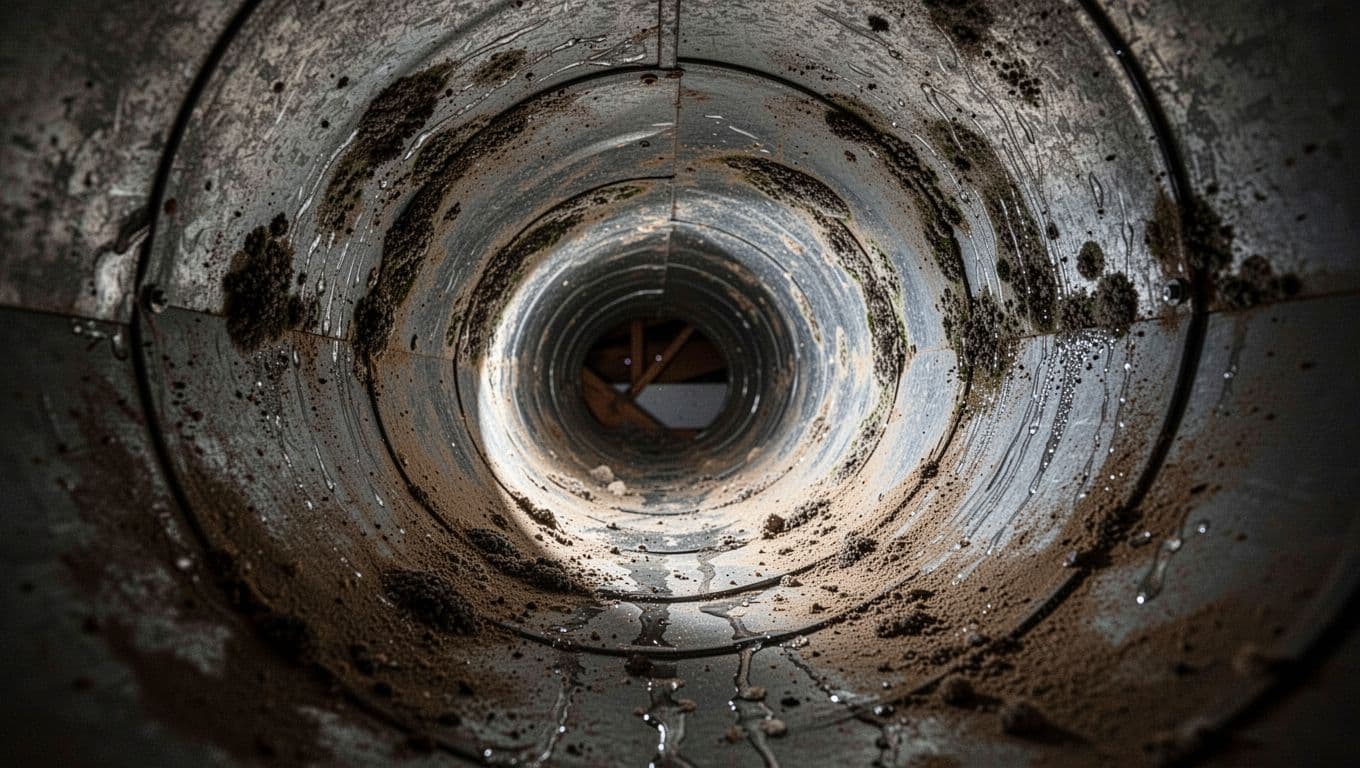
Duct cleaning makes sense when there's a reason for it, not because a calendar says so. The strongest reasons are visible contamination, suspected mold tied to moisture, pest activity, post-renovation debris, or dust blowing from supply vents despite proper filter care.
Florida attics and garages can be hot and damp, so moisture problems deserve close attention. If you notice musty smells, staining near vents, or condensation around duct connections, the next step is inspection, not guesswork. Mold concerns call for a professional evaluation, because the moisture source has to be fixed along with any cleaning.
Pest issues are another clear trigger. Rodents or insects can leave droppings, nesting material, and odors inside ductwork. Renovation dust is also a common reason to clean, especially after drywall sanding, flooring work, or a major remodel.
On the other hand, a little dust on a vent cover doesn't always mean the whole system is dirty. Sometimes the problem is loose return-air sealing, high humidity, or a filter that went too long. If you want a closer look at common warning signs, these signs needing pro duct cleaning in Florida can help you judge the next step.
How to decide what your home needs first
A simple process keeps you from paying for the wrong service.
- Start with the filter. Check the size, condition, and MERV rating. Replace a loaded filter before blaming the ductwork.
- Look at the easy clues. Check supply vents, return grilles, and the area around the air handler for dust buildup, moisture, or musty odor.
- Think about recent events. Remodeling, pest problems, water intrusion, and long-neglected maintenance raise the odds that duct cleaning may help.
- Ask for proof before booking. A solid inspection should point to visible debris, mold concern, airflow issues, or other clear findings.
This approach saves money and avoids fear-based sales tactics. It also helps you focus on the real issue, whether that's filter maintenance, humidity control, duct leakage, coil cleaning, or full duct cleaning.
Cost matters too, so it's smart to review a Florida air duct cleaning cost guide before scheduling service. And if you suspect mold, airflow trouble, or post-renovation debris, you can Get a Free Estimate after an inspection confirms the need.
One more note: dryer vent cleaning is separate from duct cleaning. Lint problems belong in the dryer exhaust line, not your AC duct system.
Florida homes need steady HVAC care, but that doesn't mean every problem points to the ducts. Filter changes are routine , and they carry most of the day-to-day load.
Duct cleaning helps when the evidence supports it, such as visible contamination, mold concerns, pests, renovation debris, or ongoing dust that doesn't improve after basic maintenance. In a state with long cooling seasons and high humidity, the smartest move is often the simplest one first: check the filter, then follow the facts.