
Can Dirty Air Ducts Make Seasonal Allergies Worse at Home?
Spring pollen doesn't stay outside. Once it gets into your home, your HVAC system can keep it moving.
If you're searching for dirty air ducts allergies , the honest answer is "sometimes." Dirty ducts may add dust, pet dander, or other irritants to the air, but they aren't always the main reason seasonal symptoms flare.
Knowing when ducts matter, and when another indoor air issue is to blame, can save time and frustration.
Dirty ducts can add irritants, but they aren't always the main cause
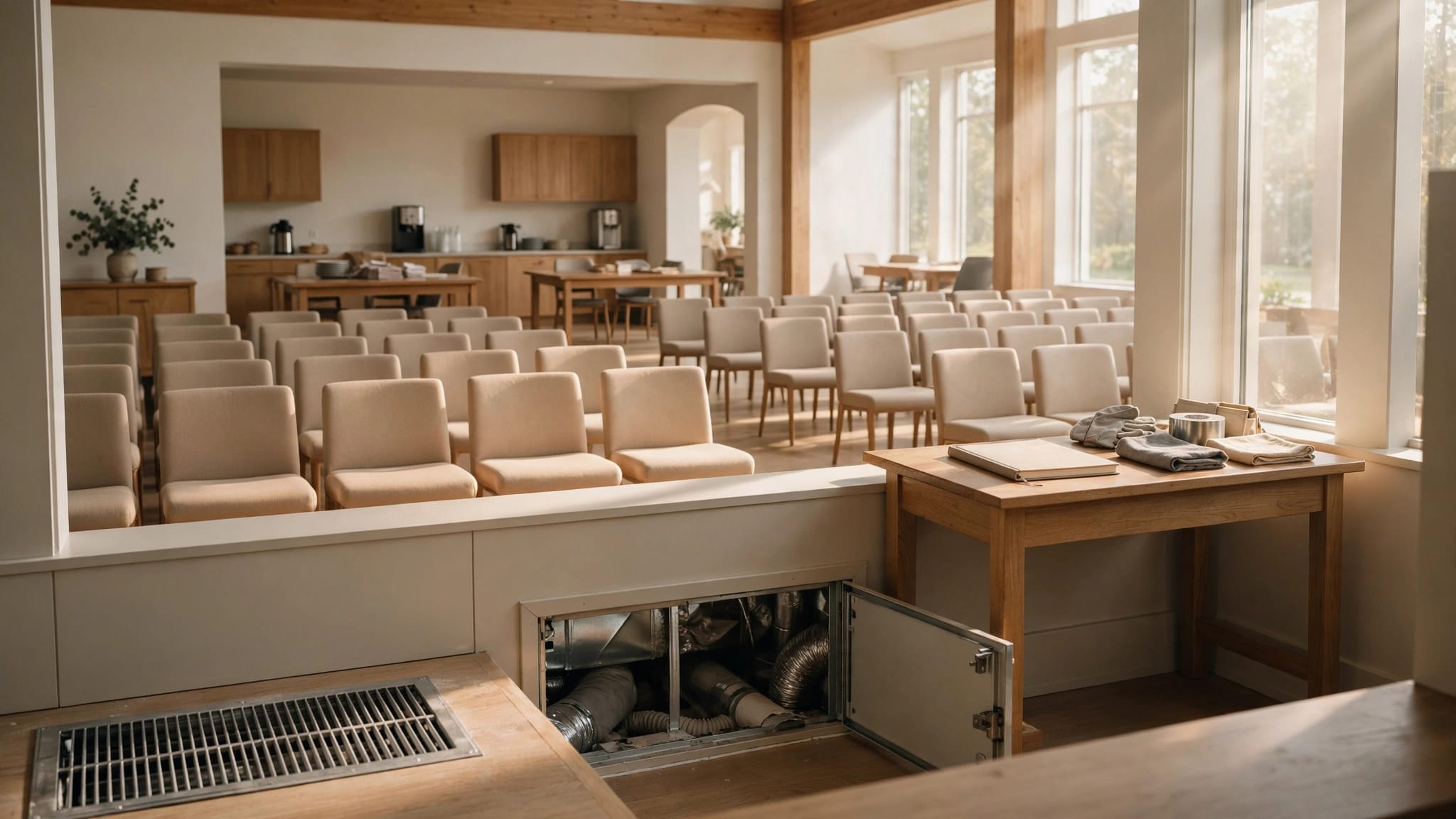
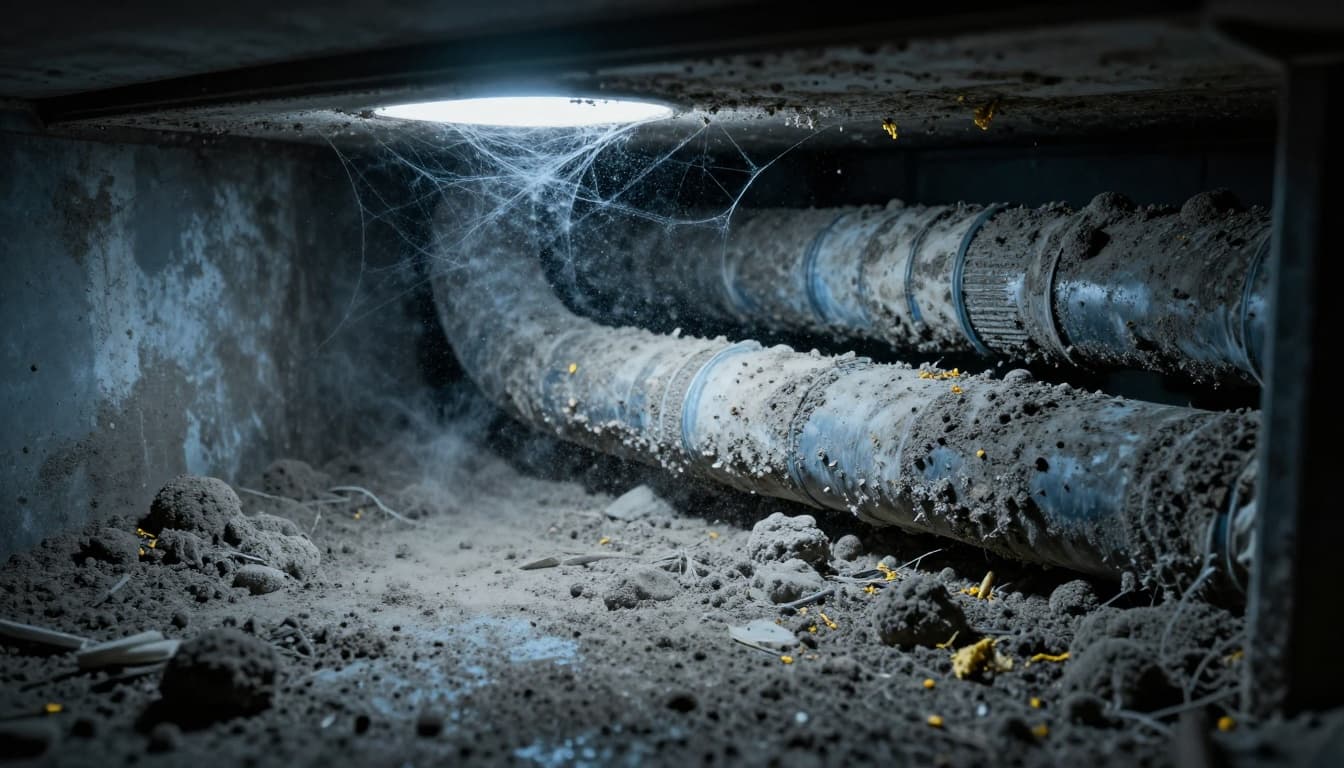
Air ducts move air through your home all day. Over time, they can collect dust, construction debris, pet hair, and pollen that slips past doors, windows, and filters. When the system turns on, some of that material can get stirred up and recirculated.
That doesn't mean every dusty duct causes symptoms. The EPA says routine duct cleaning isn't a cure-all, and it doesn't recommend it for every home. A lot of debris stays stuck to duct surfaces. Seasonal allergies are often driven first by outdoor pollen, then by indoor triggers that let those particles hang around longer.
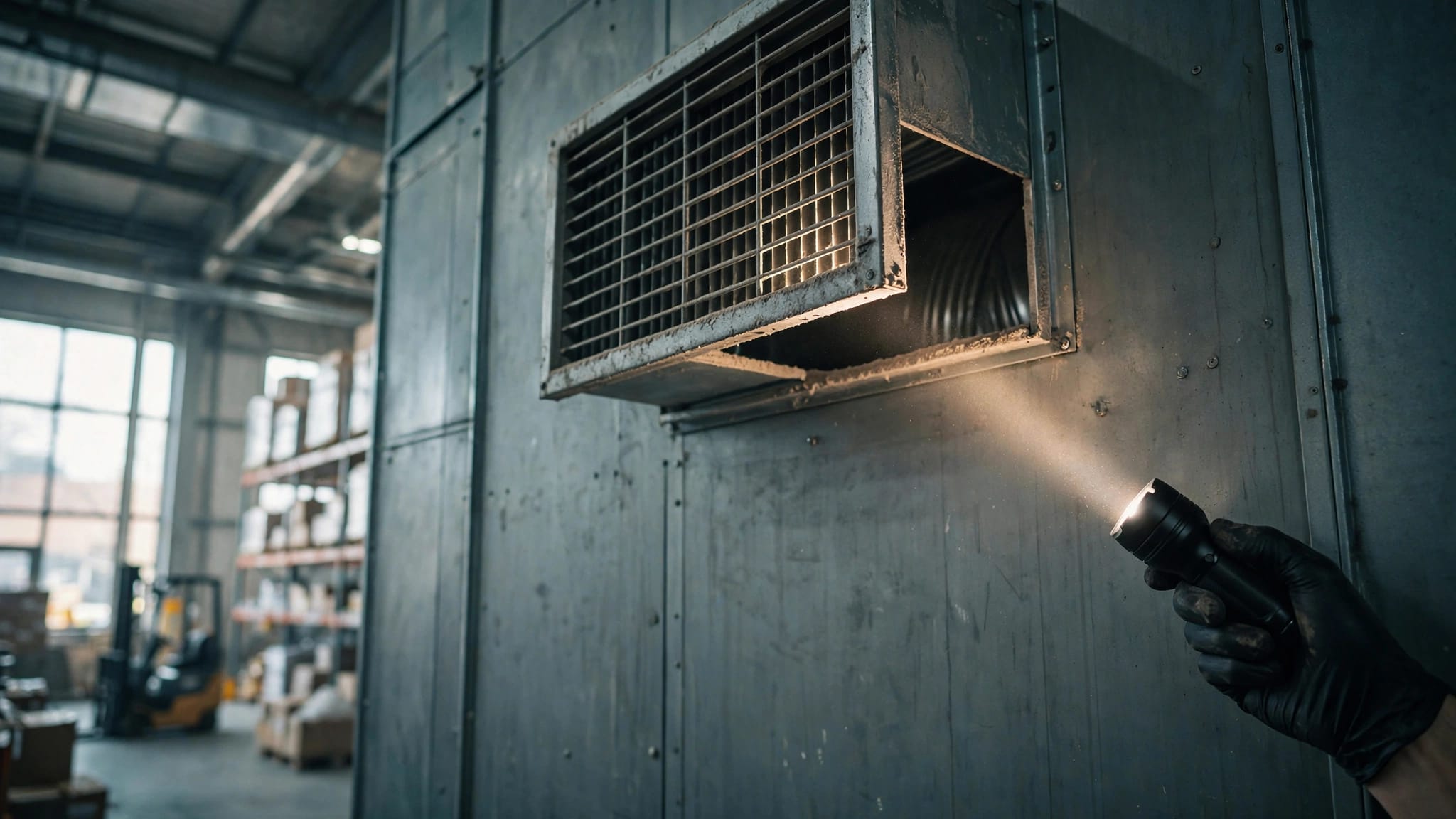
Still, dirty ducts can make a bad allergy season feel worse in some homes. That's more likely when you have visible dust blowing from vents, heavy buildup after remodeling, signs of pests, or moisture that has led to mold growth.
A simple way to picture it is this: ducts are part of the highway, not always the source of the traffic. If pollen, dust, and dander keep entering the house, dirty ductwork can help move them around, but it may not be the starting point.
If you want more background on the importance of air duct cleaning for healthy air , it helps to look at the whole HVAC system, not only the vents.
Dirty ducts may contribute to allergy symptoms, but filters, humidity, mold, and outdoor pollen often play a bigger role.
Other indoor air problems often trigger the same symptoms
Sneezing, itchy eyes, congestion, and a scratchy throat don't point to one cause. Several indoor issues can look the same, which is why homeowners often blame the ducts first.
A clogged or low-quality HVAC filter is a common problem. If the filter can't catch particles well, more dust and pollen stay in circulation. Pet dander is another big trigger. So are dust mites in carpets, bedding, and upholstery. In humid climates, moisture can also lead to mold growth around coils, drain pans, vents, or nearby building materials.
The CDC's mold guidance is clear on one point: moisture needs attention fast. If ducts are dirty because the system has a moisture problem, cleaning alone won't fix the root cause. The same goes for musty smells. Odor can come from microbial growth, a dirty coil, a wet crawl space, or a clogged drain line.
AAFA also stresses that indoor air quality matters for allergy control. That means practical habits matter as much as cleaning. Change filters on schedule. Vacuum with a HEPA filter if possible. Keep windows closed on high-pollen days. Groom pets often, and wipe them down after time outside. Try to keep indoor humidity in a moderate range, often around 30 to 50 percent.
If your home feels dusty no matter how much you clean, does air duct cleaning improve air quality becomes a fair question. The answer depends on what else is happening in the house.
When air duct cleaning makes sense, and what to do next
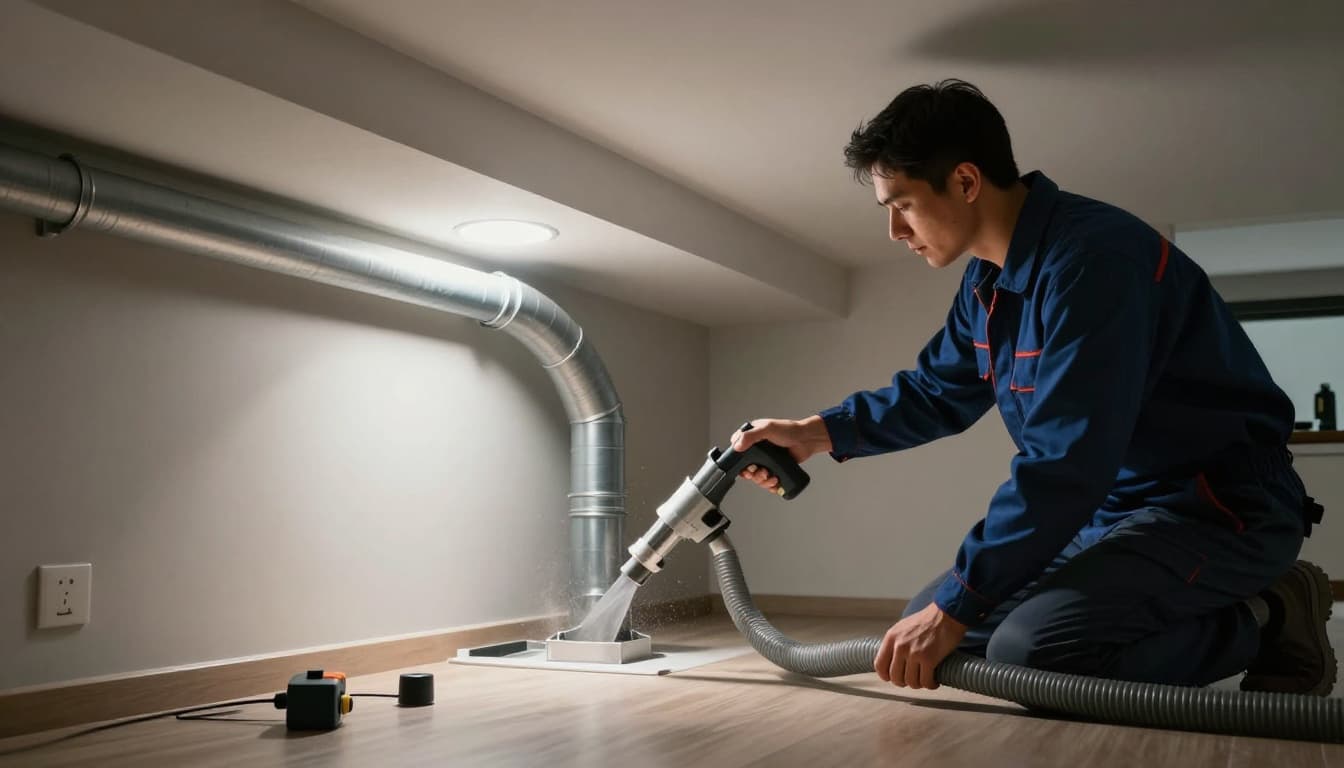
Cleaning is usually most helpful when there's a clear reason. Look for dust puffing out of registers, dark buildup around vents, recent construction, pest droppings, or allergy symptoms that spike when the system starts. A musty smell can matter too, especially if it shows up with high humidity or visible mold nearby.
A good inspection should come before any big promise. The EPA says cleaning makes the most sense when there is visible mold in hard-surface ducts, vermin in the system, or excessive dust and debris that actually enters the living space. That's a practical standard, and it makes sense for homeowners.
You can also reduce symptoms with a few simple habits:
- Replace HVAC filters on time, especially during peak pollen season.
- Seal obvious duct leaks so dusty attic or crawl-space air stays out.
- Clean supply and return grilles, but don't push debris deeper inside.
- Keep moisture under control, because damp systems invite mold.
- Don't ignore your dryer vent if it dumps lint or moisture indoors. This guide on why dryer vent cleaning prevents fires also explains why proper airflow matters.
When the signs point to buildup inside the system, it may be time to Get a Free Estimate and have the ductwork inspected.
FAQ
Can dirty air ducts cause seasonal allergies?
They can add to seasonal allergy problems by moving dust, pollen, and dander through the house. Still, they aren't always the main trigger.
Will duct cleaning cure my allergies?
No. Allergy relief usually depends on several things, including pollen levels, filter quality, pet dander, dust mites, humidity, and mold control.
How do I know if my ducts need cleaning?
Warning signs include visible debris at vents, dust blowing out when the system runs, pest evidence, musty odors, or heavy buildup after remodeling.
Is mold in ducts more serious than dust?
Usually, yes. Dust is irritating, but mold points to a moisture problem. That source needs to be fixed, or the problem can return.
Seasonal allergies often start outside, but your home can keep the irritation going. Dirty air ducts may contribute , especially when dust, debris, mold, or poor filtration are already in the mix.
The best approach is simple: fix moisture, use the right filter, control dust, and clean ductwork when there's a clear reason. Cleaner air usually comes from treating the whole system, not chasing one symptom.