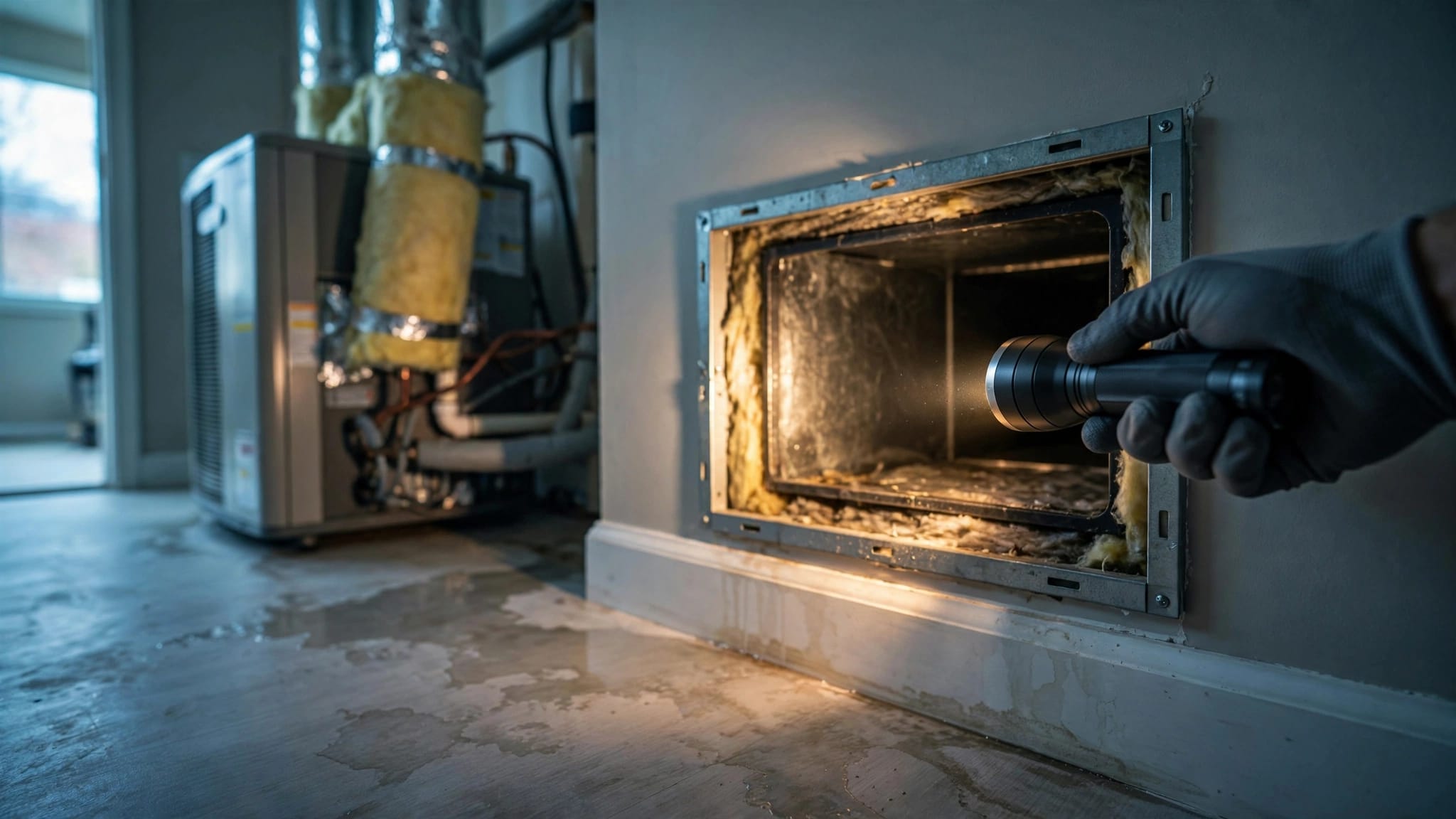
Should You Put Filters in Supply Vents?
Putting a filter in a supply vent sounds sensible at first. If dust comes out of the register, why not catch it there and keep the room cleaner?
In most homes, though, supply vent filters are the wrong place for the job. The filter usually belongs at the return grille or inside the air handler, where it can protect the system before air moves through the blower and coil.
That difference matters more than most homeowners realize. The wrong filter location can reduce airflow, create comfort problems, and make the equipment work harder than it should.
Key Takeaways
- In most homes, filters belong at the return grille or air handler, not the supply vent.
- Supply vent filters can catch some dust, but they also add resistance and reduce airflow.
- Less airflow can lead to uneven comfort, higher strain on the blower, and lower efficiency.
- Temporary or manufacturer-approved supply filtering can make sense, but it's the exception.
- Regular main filter changes, duct sealing, register cleaning, and source dust control usually work better.
The Short Answer: Usually No
A typical HVAC system is built to pull air in, filter it, condition it, and send it back out. That's why the filter goes on the return side or in the air handler cabinet.
If the filter is placed after the system has already done its work, it can catch dust, but it can also slow the air that your home needs.
Here's the simplest way to look at the common filter locations:
| Filter location | What it mainly does | Main downside |
|---|---|---|
| Return grille | Catches dust before it reaches the blower and coil | Needs regular replacement, but protects the system |
| Air handler cabinet | Same job, often with a better seal | Works best when the system was designed for it |
| Supply vent/register | Catches particles after air leaves the equipment | Can reduce airflow and upset comfort |
The table tells the story clearly. Filters do their best work before air reaches the equipment, not after it leaves. That's why most HVAC pros will point you back to the return filter first.
What Supply Vent Filters Are Trying to Do
The idea behind supply vent filters makes sense. They try to trap dust right where air enters the room, which can help with visible debris, pet hair, or dust around one troublesome register.
For a homeowner, the appeal is obvious. A supply vent filter feels like a small, simple fix. It seems easier than opening the air handler, and it can look like a way to give one room extra protection.
The problem is that HVAC systems are balanced around a certain amount of airflow. Add a filter at the supply vent, and you add resistance where the system was not expecting it.
That extra resistance can do a few things at once. It can reduce the amount of air reaching the room, change how evenly air moves through the house, and make the filter catch less than you hoped if the fit is loose.
A supply vent filter also does nothing to protect the blower, evaporator coil, or furnace from dirt already in the system. So even if the room looks a little cleaner, the equipment may still need better filtration upstream.
Why They Often Create More Problems
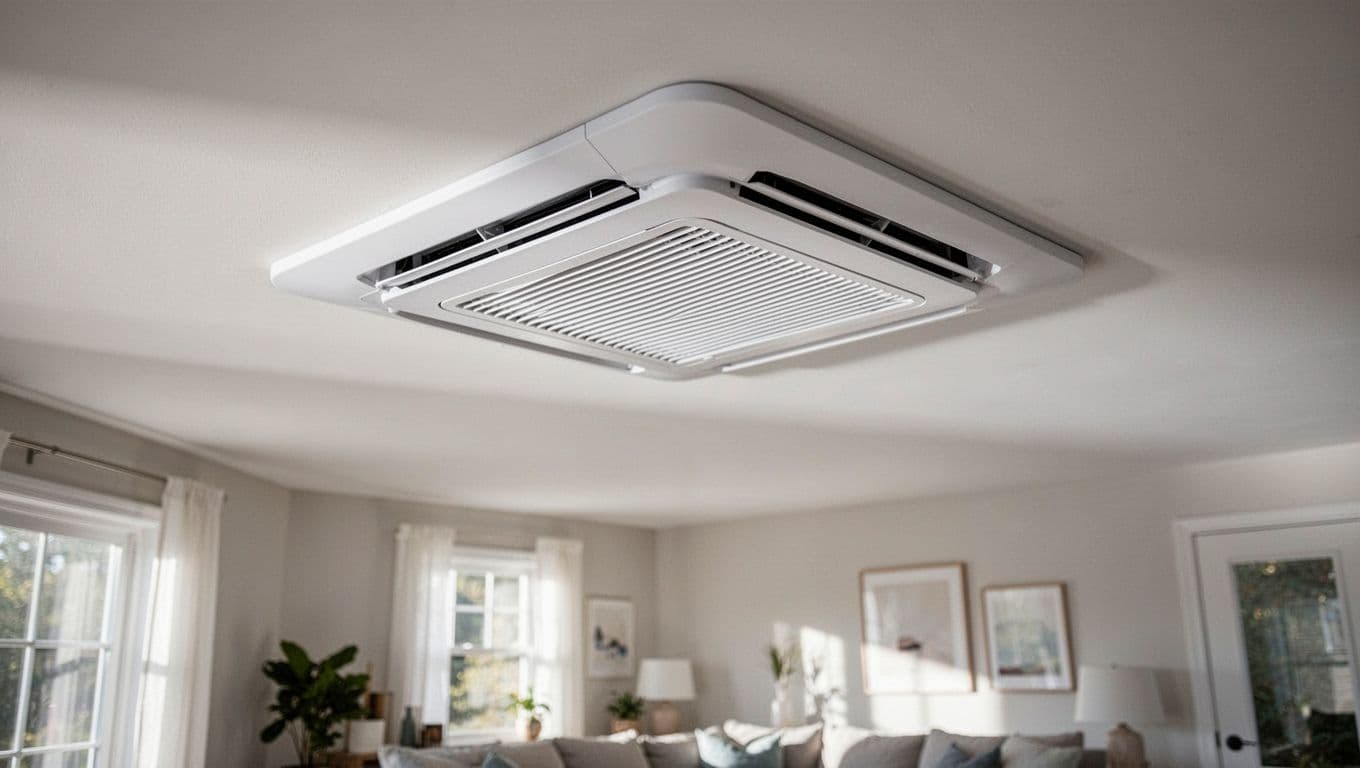
The biggest issue is airflow. When air has to pass through a filter at the register, the blower has to push harder to move the same volume of air. That can lead to weaker supply air, more noise at the vent, and uneven temperatures from room to room.
In cooling season, poor airflow can make comfort worse even when the thermostat is set correctly. In heating season, reduced airflow can create hot spots in the equipment and, in some systems, contribute to safety shutdowns. That is not a problem you want to guess about.
Supply vent filters can also clog fast. A filter in one room may collect lint, pet hair, or construction dust long before the main filter would. Once it loads up, airflow drops even more.
There's another issue people miss. If the filter does not seal tightly against the grille, some air slips around the edges. In that case, the filter looks useful but only catches part of what passes through. The rest of the dust keeps moving into the room.
Some homeowners try one filter on a single register and leave the others open. That can create a lopsided system, where one branch of the ductwork gets more resistance than the rest. The room with the filter may feel weaker right away.
A vent filter that barely breathes is a warning sign, not a victory.
When a Supply Vent Filter Can Make Sense
There are a few situations where a supply vent filter can be useful. Temporary use during a remodel is one example. If a room is getting sanding dust or light construction debris, a register filter may catch some of it for a short period.
Some specialty systems also call for filtered supply grilles, but those are the exception. If the equipment manufacturer or grille manufacturer specifies that setup, follow that guidance. The manual matters more than advice from a hardware-store aisle.
Even then, keep an eye on performance. If airflow drops, the room starts feeling stuffy, or the vent begins to whistle, the filter may be too restrictive for that system. At that point, it's time to stop experimenting and check the design.
If you're unsure, a licensed HVAC professional can tell you whether your system can handle a register filter or whether it needs a different fix. Guessing is a bad strategy when airflow is involved.
Better Ways to Cut Dust Without Hurting Airflow
If the goal is cleaner air and less dust on furniture, start with the basics. They work better than adding filters where the system doesn't want them.
- Change the main filter on the schedule your system calls for. In dusty homes or homes with pets, that often means checking it more often.
- Seal duct leaks so the system doesn't pull dust from attics, crawlspaces, or wall cavities.
- Clean supply registers and return grilles with a vacuum and a damp cloth, especially after seasonal use.
- Reduce source dust by trimming down shoe dirt, pet hair, fabric lint, and heavy indoor dust loads.
- Keep humidity in a reasonable range, because damp, dirty surfaces hold more dust and debris.
If the dust seems to come from inside the ductwork, cleaning the system may be a better next step than adding more filters. In that case, professional air duct cleaning solutions can remove loose debris from the ducts, registers, and related HVAC components.
That kind of service does not replace a good filter. It supports one. A clean system plus the right filter location usually gives better results than piling on extra filters at the vents.
For homes with stubborn buildup, odors, or recent construction dust, a closer look can save time and frustration. Get a Free Estimate if you want a clear answer about what your system needs.
Conclusion
In most homes, the answer is simple: don't put filters in supply vents. Use the return grille or air handler instead, because that's where filtration protects the system and keeps airflow steady.
If dust is still a problem, focus on the real sources first. A good main filter, sealed ducts, clean registers, and less dust entering the home will do far more than a weak filter at the vent.
When a supply vent filter is part of a manufacturer-approved setup or a short-term renovation fix, it can work. For everything else, the safer move is to keep the filter where the system was built to use it.