Flex Duct vs Sheet Metal in Florida Attics
Florida attics punish ductwork. Heat builds fast, humidity hangs around, and your system runs longer to keep up. That makes the choice between flex duct vs sheet metal important, but the install matters just as much.
If you're comparing materials for a hot attic, focus on airflow, condensation, support, and long-term durability. The attic sets the rules before the first piece of duct is even hung.
Key Takeaways
- Florida attics create extreme heat and moisture stress, so duct material alone does not solve everything.
- Flex duct is easier to route and can work well on shorter branches, but sagging and kinks hurt airflow fast.
- Sheet metal moves air smoothly and holds shape better, although it needs strong insulation and careful sealing in hot attics.
- Proper sizing, support, and sealing often matter more than the material choice.
- Coastal homes need extra attention to corrosion resistance and moisture control.
Why Florida Attics Are So Hard on Ductwork
A Florida attic can feel like an oven on a summer afternoon. Roof decks absorb heat, then radiate it into the attic space for hours. When your ducts sit in that environment, every weakness shows up faster.
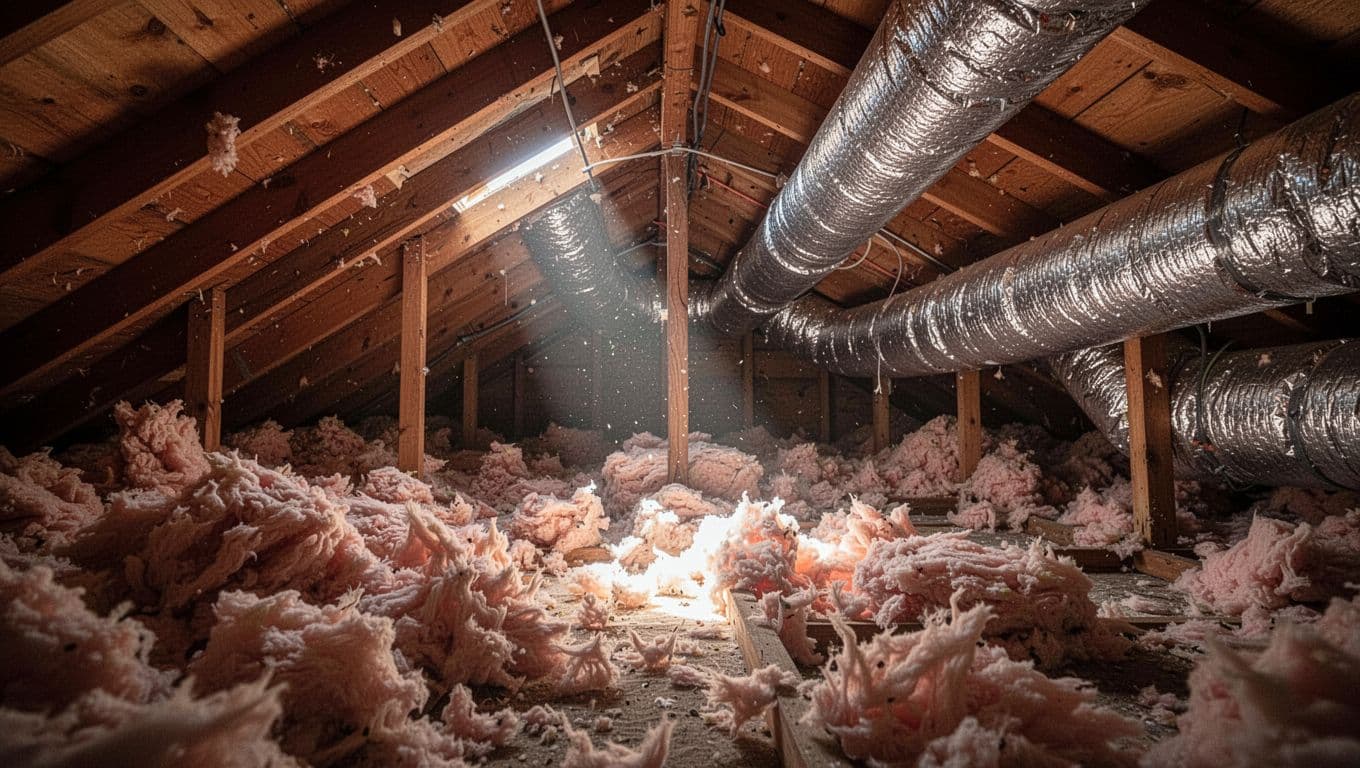
High humidity adds another layer of trouble. Cold supply air passes through a space that is hot and damp, so any missed insulation or leaky joint can invite condensation. That moisture can soak insulation, stain drywall, and create conditions that nobody wants inside a house.
In coastal parts of Florida, salt-laden air can make the problem worse. Exposed metal parts, fasteners, and supports need to hold up against corrosion. If they don't, the system starts aging from the outside in.
That is why attic ductwork in Florida needs more than a decent material. It needs a design that can handle heat, moisture, and constant cooling demand without falling apart.
Flex Duct in Florida Attics: Where It Works and Where It Fails
Flex duct has a clear advantage in tight attic spaces. It bends around framing, reaches awkward spots, and often costs less to install than custom sheet metal runs. For short branch lines, it can be a practical choice.
The trouble starts when flex duct is installed poorly. A run that sags between supports creates drag inside the duct. A sharp bend, a crushed section, or a stretched outer jacket can choke airflow just as much as a wrong-size blower. In a Florida attic, that extra resistance means the air handler works harder and the rooms feel less even.
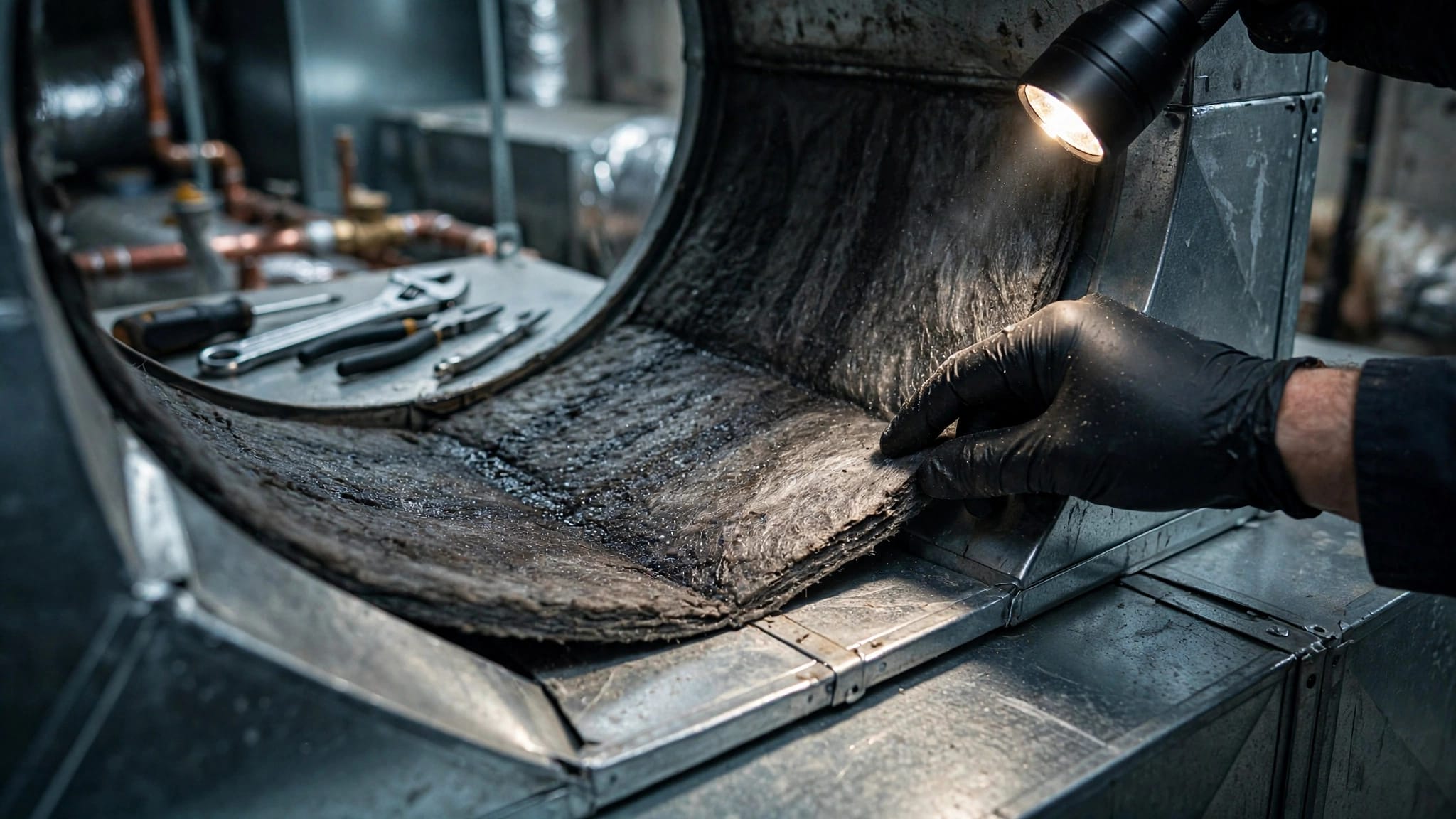
Flex duct also depends on its insulation jacket staying intact. If the outer layer gets torn, compressed, or left hanging in hot attic air, the duct loses thermal protection. That can lead to warmer supply air and more condensation risk around connections.
When flex duct is used the right way, it should stay pulled tight, supported correctly, and routed with gentle curves. It works best as a clean, short path, not a lazy shortcut.
Sheet Metal in the Heat: Strengths and Tradeoffs
Sheet metal has a different feel altogether. It keeps its shape, has a smoother interior surface, and usually allows air to move with less friction. That makes it a strong choice for long runs, main trunks, and systems where airflow needs to stay predictable.
Its weakness shows up in a Florida attic if the metal is not insulated well. Bare metal absorbs heat quickly. Then the cool air inside meets a hot outer surface, and condensation can form where the system is least protected. If sealing is sloppy, moisture finds joints and seams fast.
Noise is another consideration. Metal can carry vibration if the system is not designed and supported properly. Good insulation, solid hangers, and clean transitions make a big difference here.
For coastal homes, sheet metal needs care at the connections. Galvanized parts, protected fittings, and tight sealing help the system resist rust and moisture damage over time. The material itself is sturdy, but only if the details are handled with the same care.
Flex Duct vs Sheet Metal at a Glance
A side-by-side comparison makes the tradeoffs easier to see.
| Factor | Flex Duct | Sheet Metal | Florida Attic Takeaway |
|---|---|---|---|
| Airflow | More resistance if it sags or bends too tightly | Smoother interior and better airflow | Metal usually wins on airflow, but only if sized correctly |
| Heat Control | Depends heavily on intact insulation | Needs insulation to avoid heat gain | Both need insulation in attic spaces |
| Durability | More vulnerable to damage and sagging | Stronger and holds shape well | Metal lasts longer when installed right |
| Installation | Easier around tight framing | More labor and planning | Flex can fit tricky spaces more easily |
| Best Use | Short branches and complex routes | Main trunks and long straight runs | Many Florida homes use a mix of both |
The takeaway is simple. Sheet metal has the edge on airflow and durability, while flex duct can be useful where routing is difficult. The wrong install can erase either advantage.
What Matters More Than the Material Itself
A great duct material can still perform badly if the system is undersized, loose, or badly sealed. That is the part many homeowners miss. The best material in the world won't fix weak airflow if the duct is too small for the load.
Static pressure matters here. If the duct system creates too much resistance, the air handler struggles and rooms stop getting the airflow they need. Flex duct often raises resistance when it is stretched, kinked, or unsupported. Sheet metal can do the same if the layout is cramped or the transitions are abrupt.
Sealing is another big one. Joints should stay tight, and connections should be sealed with proper materials. Gaps pull in attic dust, leak cooled air, and invite moisture problems. In a house that already has dirty ducts or a musty smell, those leaks can make the problem worse.
Insulation finishes the job. In Florida attics, exposed ductwork should be insulated well enough to handle the surrounding heat. Without that protection, the system loses cooling before it ever reaches the rooms.
A well-sealed, well-supported duct run can outperform a better-looking material that was installed carelessly.
If you're dealing with weak airflow, uneven rooms, or attic dust around vents, it may be time for a repair plan instead of another patch. Get a Free Estimate before you choose a material or replace sections you may still be able to save.
Choosing the Right Setup for a Florida Home
Many Florida homes do best with a mixed system. Sheet metal often works well for the main trunk, where airflow and durability matter most. Flex duct can handle shorter branch runs, especially in attics with tight framing or awkward access points.
That mix makes sense when each material is used for the job it handles best. Metal keeps long paths stable. Flex reaches rooms without forcing awkward turns. When both are installed cleanly, supported well, and insulated properly, the system usually performs better than a one-material setup chosen for convenience alone.
If your attic has moisture stains, torn insulation, or a persistent mildew smell, the duct issue may be part of a bigger problem. Leaks, poor ventilation, and condensation often show up together. In that case, cleaning the system and checking for damage can reveal whether you need repairs, replacement, or both.
Homeowners near the coast should ask about corrosion-resistant parts and sealed connections. Inland homes still need the same attention to heat and humidity, because Florida weather is hard on every attic.
Conclusion
In a Florida attic, flex duct vs sheet metal comes down to more than price or appearance. Heat, humidity, and salt air punish weak installation work, so the best system is the one that stays sealed, insulated, and properly supported.
Flex duct can fit tight spaces and work well on shorter runs. Sheet metal can move air more smoothly and last longer on main lines. The real win comes from choosing the right material for each part of the system, then installing it with care.
When the attic is hot enough to test every weakness, the ductwork that holds up is the one built with airflow and moisture control in mind.