What a Duct Cleaning Completion Report Should Show
Dust around a supply register is easy to see. The work inside the duct system is harder to verify, which is why a duct cleaning completion report matters.
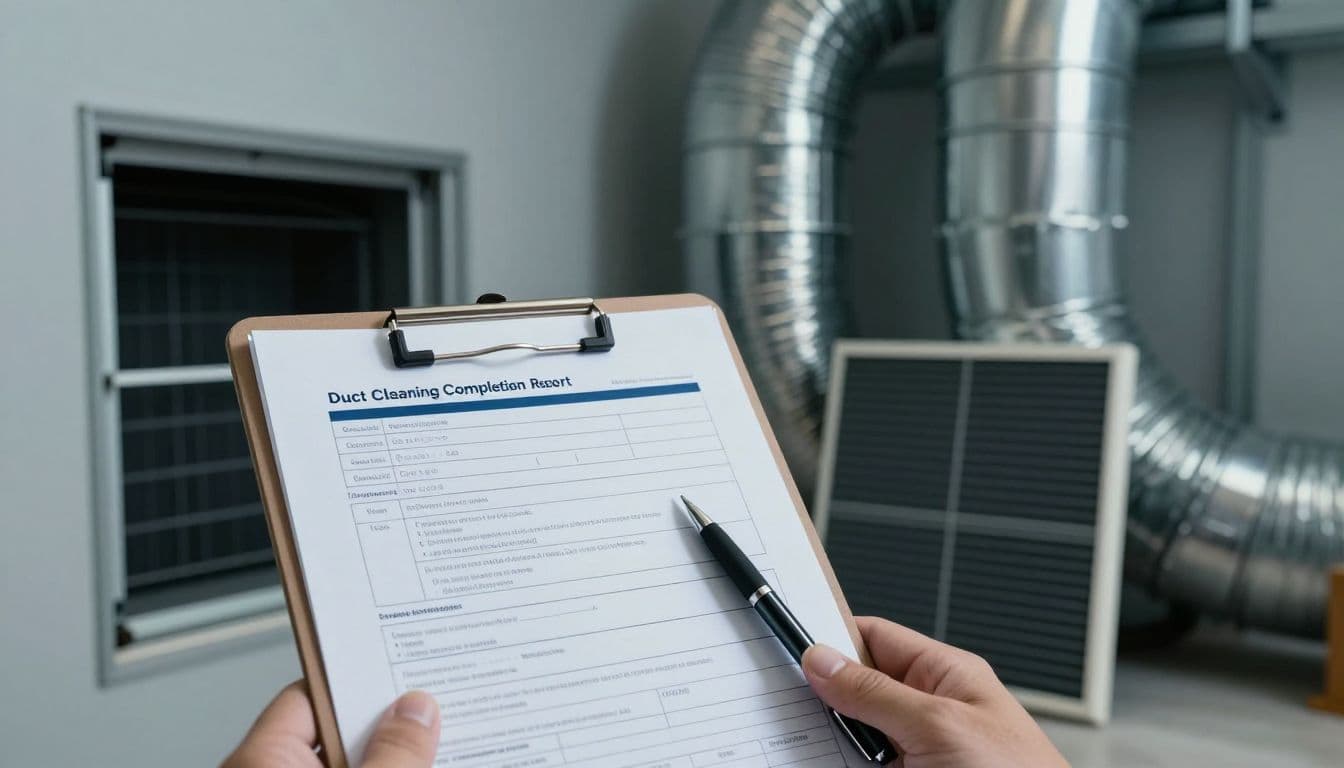
A useful report records the areas inspected, the parts cleaned, the methods used, and any conditions left unresolved. It should describe completed work accurately, without promising that your home is allergy-free or that air quality has reached a guaranteed level.
Before you approve the job, check whether the paperwork matches the service you purchased.
What a duct cleaning completion report should show
There is no single report format that applies to every home or commercial property. Documentation requirements can vary by contract, property type, service scope, and local rules. Still, a clear report should give you enough detail to understand what happened.
Service date, property, and cleaning scope
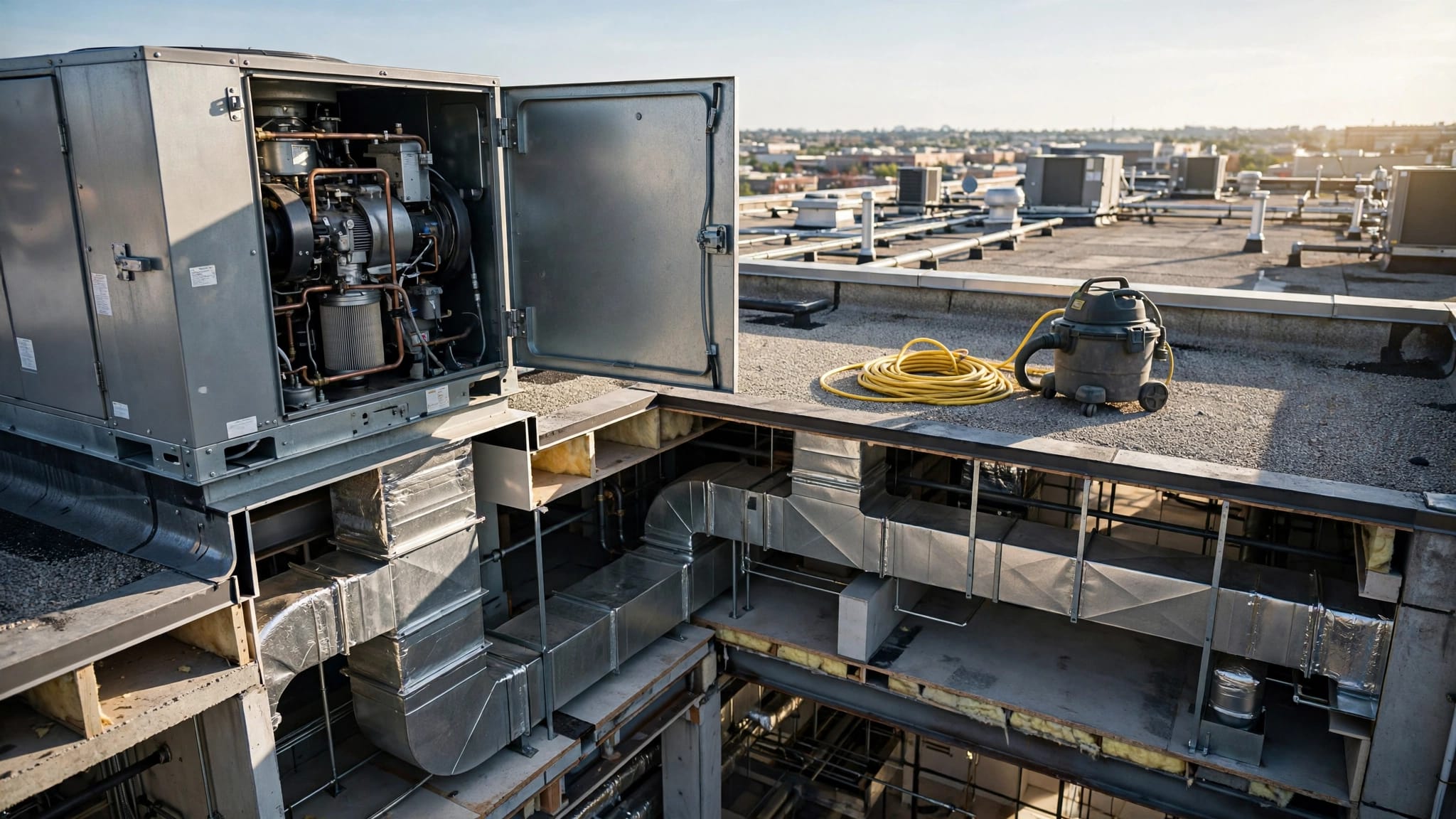
The report should identify the service date, property address, technician or company, and the HVAC system that received service. A larger building may have several air handlers, zones, or rooftop units, so the report should identify each one clearly.
The scope should separate supply registers, return grilles, branch ducts, main trunk lines, and accessible plenums. It may also list the air handler cabinet, blower compartment, coil area, drain pan, and filter housing. These components aren't automatically included in every duct cleaning appointment.
A vague phrase such as "whole-house cleaning completed" leaves important questions unanswered. Compare the report with the written estimate and review this guide to full-system air duct cleaning scope if the terms seem unclear.
Cleaning method and materials used
A complete duct cleaning report should name the cleaning approach, such as negative-air vacuuming, an air whip, or a rotary brush. It should also state where the equipment was connected and which sections received agitation or vacuuming.
The equipment type provides context, but it doesn't prove that every part of the system was cleaned. The scope, access points, photos, and technician notes provide stronger evidence.
If the service included a sanitizer, microbial treatment, odor product, or inhibitor, the report should identify the product or treatment and the areas where it was applied. Those details matter for future maintenance and for anyone who reviews the building's service history.
A report should never claim that a treatment eliminated allergies, removed every contaminant, or guaranteed improved indoor air quality. It can document what the technician applied and where. Health outcomes require evidence beyond a cleaning visit.
Evidence that the work was completed
A report becomes more useful when it includes field evidence. Photos and measurements can connect the written scope to the actual HVAC system.
Before-and-after photos
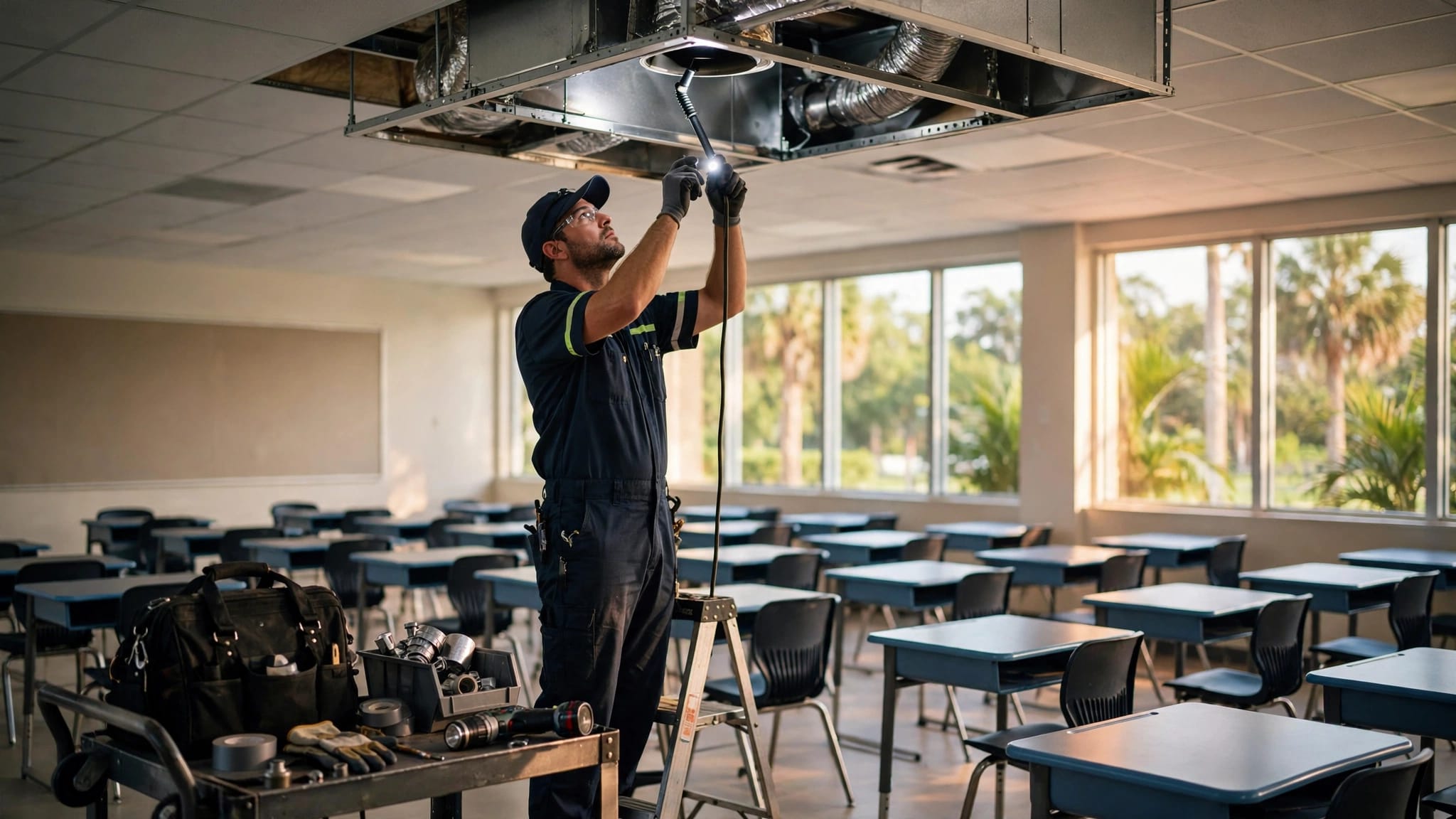
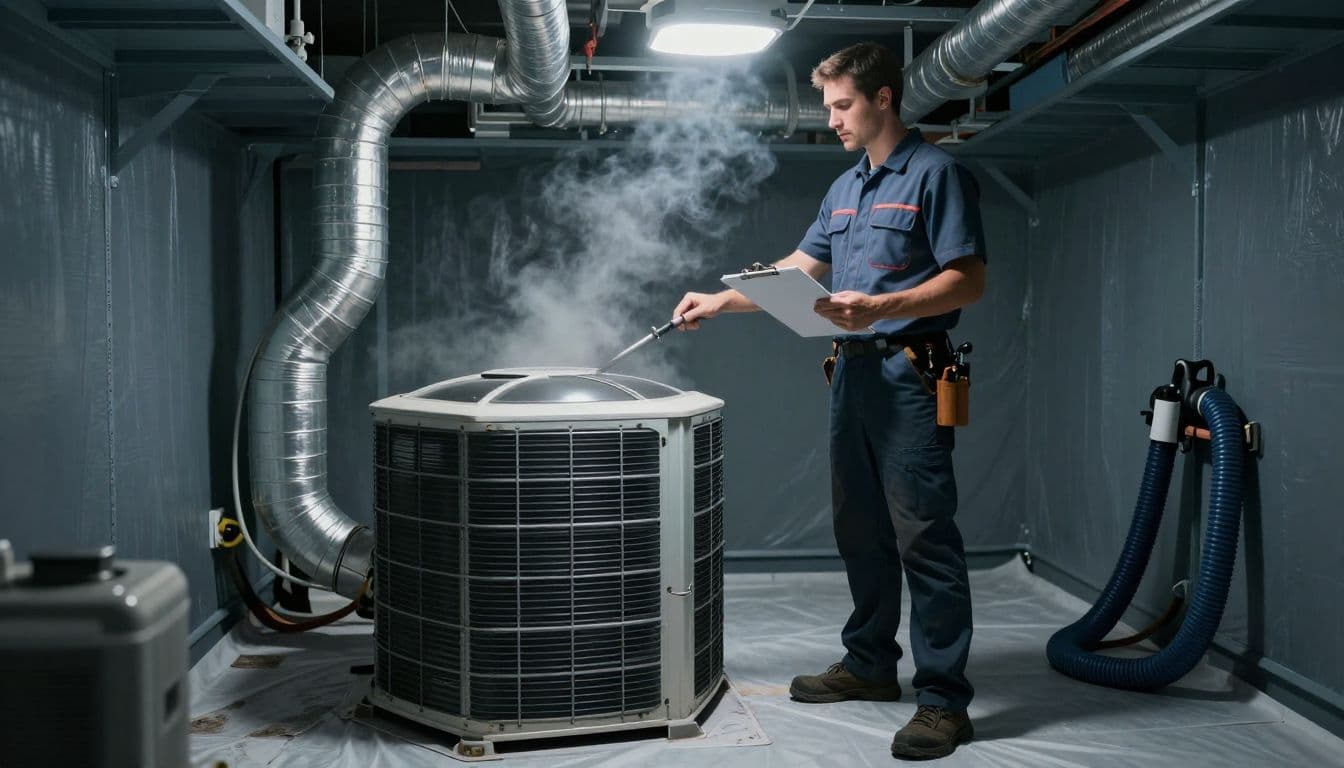
Photos should show recognizable parts of the system, such as a return opening, supply branch, trunk line, air handler, or access panel. Before-and-after images are most helpful when they show the same location from a similar angle.
For residential work, photos can confirm that registers were removed, protected areas were cleaned, and access openings were closed. Facility managers may also use them to track conditions across multiple units or service dates.
Images can't show every hidden section of a duct system. However, they can support the technician's notes and reveal whether the crew reached the areas listed in the scope. Ask for photos when the report describes extensive contamination or difficult-to-access ductwork.
Findings, readings, and limitations
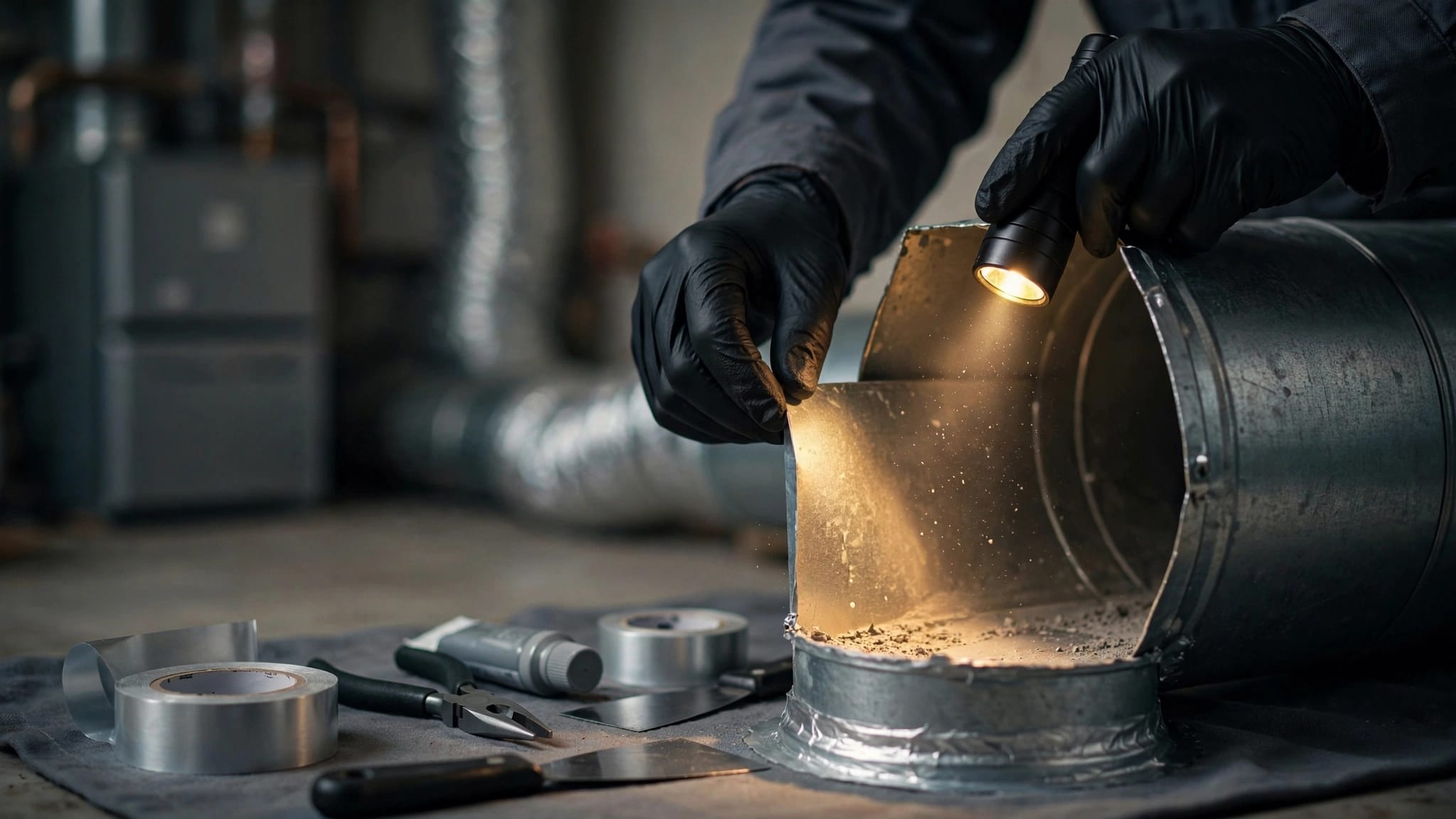
The findings section should record conditions observed during the visit. Examples include heavy dust, construction debris, moisture staining, damaged insulation, disconnected flex duct, pest evidence, or restricted access.
Technicians should describe suspected microbial growth carefully unless testing supports a definite identification. A visual observation can be documented without presenting it as a laboratory result.
If the technician took airflow, pressure, temperature, or other readings, the report should include the values, locations, and test conditions. A reading without that context is difficult to compare later.
The duct cleaning completion report should also identify areas that couldn't be reached or cleaned. Sealed plenums, fragile duct liner, blocked access, damaged ductwork, and unsafe conditions may limit the work. Those limits should appear in the record rather than being hidden behind a general completion statement.
Dryer vent cleaning needs its own documentation
HVAC ductwork and a dryer exhaust line are separate systems. They carry different materials and have different service goals, so a combined appointment should include separate documentation for each service.
What the dryer vent section should include
If dryer vent cleaning was part of the visit, the report should identify the appliance served and describe the route that was accessed. Useful details include the connection behind the dryer, the interior vent line, the exterior termination, lint removal, and airflow testing when testing was performed.
The technician should also record visible damage, crushed sections, excessive bends, disconnected pipe, missing screens, or an exterior hood that could not open correctly. Cleaning can remove lint, but it doesn't repair a damaged vent or correct every installation problem.
A statement that says only "dryer vent cleaned" gives you little information. Ask whether the full line and outside termination were inspected.
Why the systems should stay separate
Cleaning a dryer vent doesn't clean the home's supply or return ducts. Likewise, air duct cleaning doesn't clear lint from the dryer exhaust path. Keeping the services separate in the report prevents confusion during future maintenance.
This distinction also helps explain ongoing problems. Dust near registers may relate to HVAC conditions, while long drying times or a hot laundry area may point toward dryer vent restriction. You can review HVAC tune-up vs duct cleaning when deciding which service addresses the concern.
Questions to ask when report details are missing
Read the final document alongside the estimate, invoice, and any photos. If the scope changed during the appointment, the report should explain what changed and why.
Use these questions when details are incomplete:
- Which supply and return openings did the crew clean?
- Did the service include the air handler, blower, coil area, and accessible plenums?
- Where did the technician place access openings, and how were they closed?
- Which duct sections remained inaccessible?
- Were airflow or pressure readings taken, and where?
- If a product was applied, what product was used and in which areas?
A company should be able to answer these questions in plain language. You can also review these questions to ask an air duct cleaning company before scheduling future work.
Recommendations and limits should be clear
The report should separate completed cleaning from recommended repairs or additional services. For example, a technician may find damaged insulation, a loose connection, a clogged drain pan, or a dryer vent that needs repair. Those findings belong in the recommendations section unless the work was completed during the same visit.
A good report also states what the service cannot confirm. Cleaning doesn't certify a home's health, prove that all airborne particles are gone, or guarantee that odors and allergy symptoms will disappear.
If the proposed scope or final documentation still leaves gaps, request a written Get a Free Estimate that lists the systems, components, access requirements, and possible extra charges.
A clear report protects both sides
The strongest duct cleaning completion report connects the estimate to the work performed. It identifies the property and equipment, records the cleaning scope and method, includes useful evidence, and lists limitations or follow-up needs.
For homeowners and facility managers, that information makes future service easier to plan. Most importantly, it keeps the record factual. The report should show what the technician inspected, cleaned, measured, or found, without turning a completed service into an unverified health promise.