Questions to Ask Before Hiring an Air Duct Cleaning Company
Hiring the wrong crew can cost more than money. A rushed duct job can leave half the system untouched, or leave you with a vague invoice and no proof of what changed.
A good air duct cleaning company should answer direct questions without getting defensive. That matters for homeowners, and it matters even more for property managers who need records, access plans, and consistent results.
The best screening tool is a short list of questions that exposes weak sales talk fast. Start with the basics.
What to ask before the first quote
Before you compare prices, ask about training, insurance, and how the company handles the work. NADCA certification is not the only sign of quality, but it gives you a standard to compare against. EPA guidance also points readers toward cleaning only when there is a real reason, not because a calendar says so.
That matters because duct cleaning is not a one-size-fits-all service. A home with renovation dust, a blocked return, or pest debris needs a different conversation than a home that only needs a better filter and a maintenance check. If the company cannot explain that difference, keep looking.
For Florida homes, insurance matters too. Crews work in attics, tight closets, and around fragile finishes. Ask for proof of general liability and workers' comp, plus any state or local license that applies in your area.
Watch for health promises that sound too broad. If a salesperson says duct cleaning will cure allergies or solve every indoor-air problem, that is a sales line, not a careful answer. Filters, humidity, and source control matter just as much.
Questions that separate pros from sales pitches
The right questions force clear answers. They also make price shopping easier, because you compare the scope, not just the number on the quote.
| Question | Why it matters | Good answer sounds like | Suspicious answer sounds like |
|---|---|---|---|
| Do you follow NADCA standards? | It gives you a known method and a training baseline. | "Yes, we follow NADCA's ACR standard, and we can explain our process." | "Standards don't matter for this kind of work." |
| What parts of the system do you clean? | It prevents partial jobs that only touch the visible vents. | "We clean supply and return ducts, registers, grilles, and key HVAC components as needed." | "We just clean the vents." |
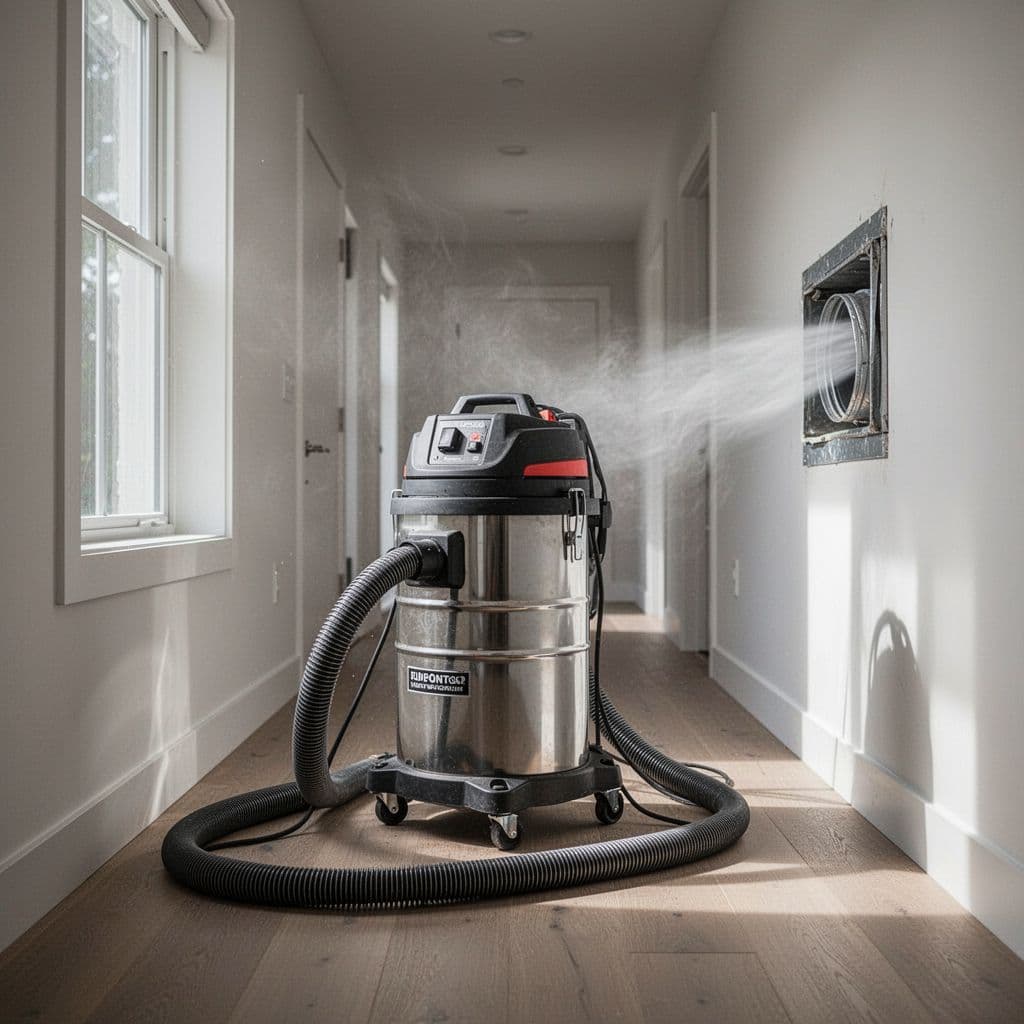
| How do you keep dust from spreading? | It shows whether the crew uses source removal and containment. | "We use negative pressure, agitation tools, and HEPA filtration." | "We blow it loose and vacuum later." |
| Do you inspect first and show evidence? | It confirms the job is needed before work begins. | "Yes, we can use photos or a camera and walk you through what we found." | "You can trust us, the ducts are dirty." |
| Can you show proof of license and insurance? | It protects you if something gets damaged or a worker gets hurt. | "Yes, we'll send certificates before the visit." | "We've never had to show that." |
| When do you use sanitizer or antimicrobial products? | It helps you avoid unnecessary chemicals. | "Only when a specific issue calls for it, and we follow the label." | "We spray every system." |
A trustworthy crew won't mind these questions. In fact, the answers should get more specific as the conversation goes on.
If the reply sounds polished but empty, keep pressing. Clear work beats smooth sales talk.
Be careful with health claims here too. Duct cleaning can help in some situations, but it does not replace good filtration, sealed ductwork, or moisture control. If a company promises miracle results, the pitch has gone too far.
How a proper duct cleaning visit should work
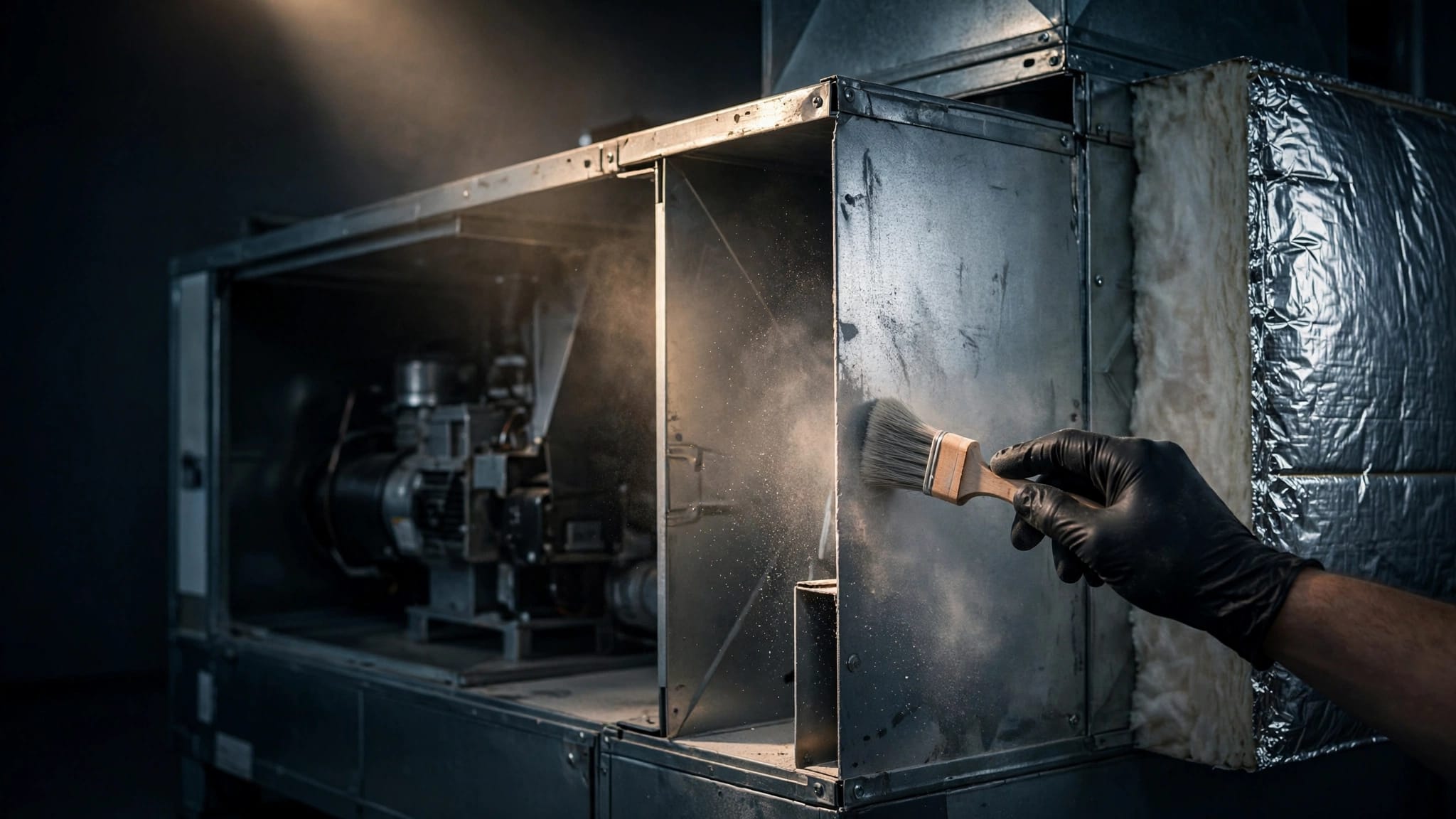
A real cleaning visit starts with inspection. The technician should look at the returns, supply runs, air handler, coil area, and accessible components before cleaning starts. If the system has fiberglass duct board or lined sections, the company should explain how it protects them. Rough tools can damage soft material, so this is a fair question.
Next, the crew should set up negative pressure and use source removal. That means loosening debris so it gets pulled out, not pushed deeper into the system. It also means protecting floors, sealing access points correctly, and leaving the system tight when the job is done.
The company should also explain why the cleaning is needed now. EPA guidance does not support a blanket cleaning schedule for every home. If the answer is, "We recommend this every year for everyone," ask for a reason tied to your system.
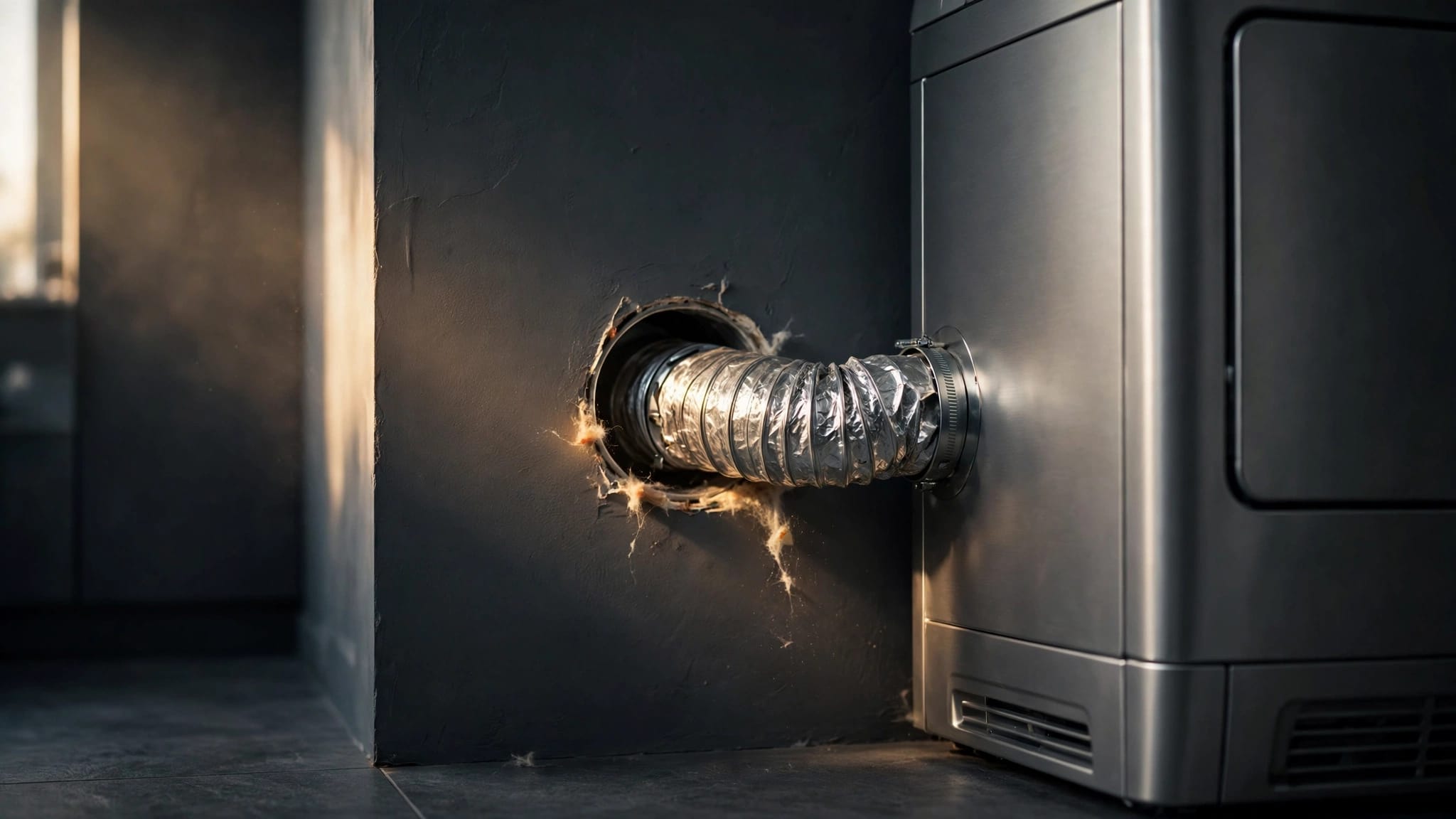
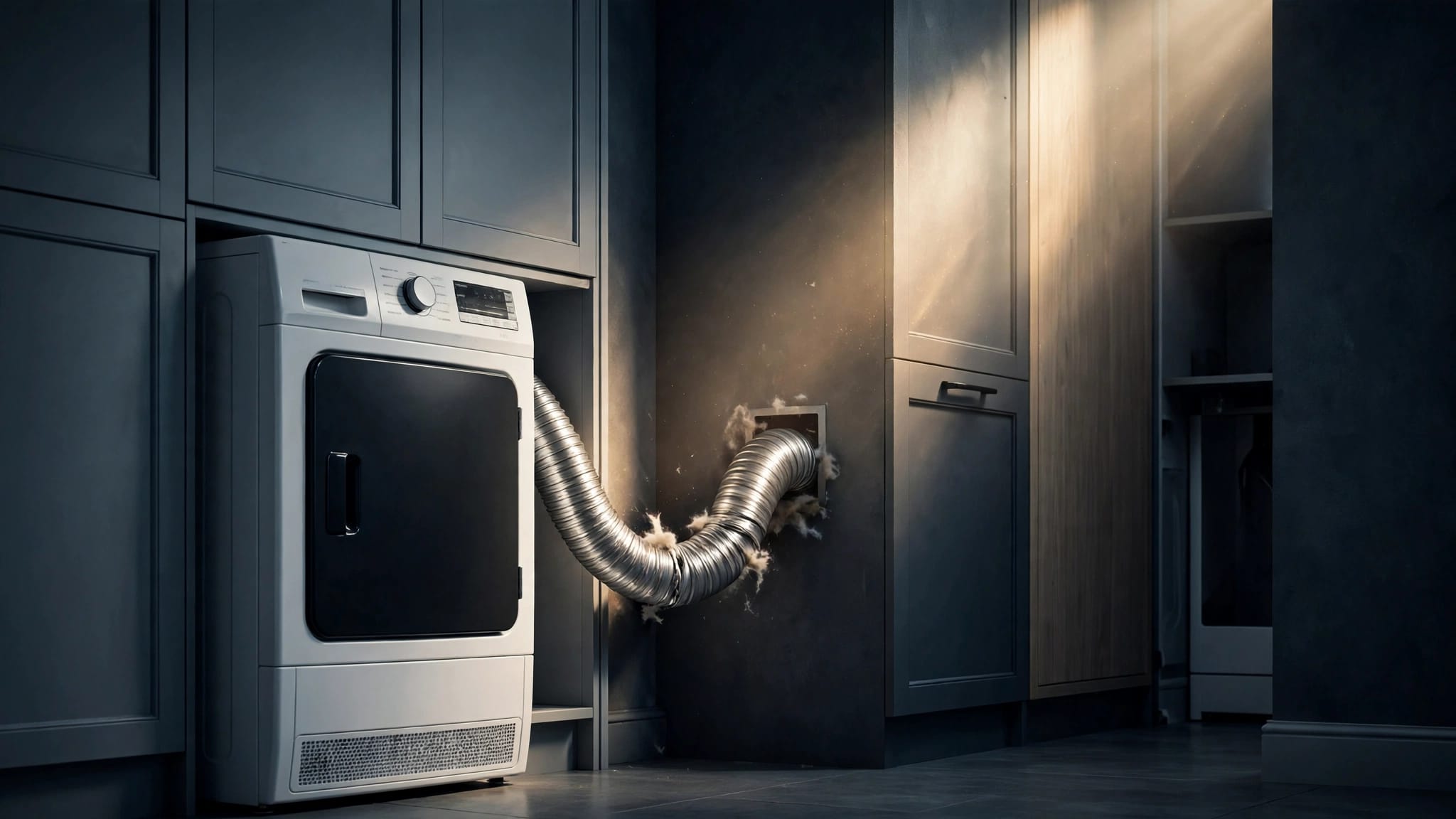
If the job also includes dryer vent cleaning, ask whether they inspect that line separately. The dryer vent has its own airflow path, and it needs its own plan.
For a fuller sense of what a complete visit may include, review our duct and vent cleaning solutions and compare them with the quote you receive. The best quote matches the system in your home, not a coupon headline.
Before-and-after photos help too. Homeowners like them because they show what changed. Property managers like them because they create a clean record for maintenance files and tenant questions.
Compare scope, price, and local experience
Price matters, but only when the scope is clear. Ask what the quote includes, how many vents are covered, whether return lines are part of the job, and what triggers extra charges. A fair estimate should be written and easy to read.
Watch for "whole-house special" offers that only touch part of the system. That is where bait-and-switch problems start. If the company says it has to add charges after arrival, ask which part of the original quote missed the job.
Local experience matters too. A crew that works in Florida should understand heat, humidity, attic access, and common construction styles. A team that already handles HVAC system cleaning in Sarasota County is more likely to explain regional issues in plain language, not with a script.
Property managers should ask a few extra questions. Can the company coordinate with tenants? Will it label each unit's work separately? Can it provide insurance certificates with the right property details? These details save time later, especially on multi-unit jobs.
If you are ready to compare options now, use Get a Free Estimate and ask for the process, the scope, and any add-ons before you schedule. That gives you a cleaner way to compare providers side by side.
A quick checklist before you book
Use this list before you sign anything:
- The company explains its cleaning method without dodging the question.
- It can show proof of NADCA training, licensing, and insurance.
- The estimate lists exactly what parts of the system are included.
- The crew inspects first and can show evidence, preferably with photos.
- Any sanitizer or antimicrobial treatment has a clear reason.
- The company avoids exaggerated claims about allergies or indoor air quality.
- Dryer vent service is explained separately if you need it.
If a provider hesitates on several of these points, keep shopping.
Conclusion
The best questions do one job, they separate clear professionals from smooth talk. If a company welcomes the questions, shows proof, and explains the work in plain English, you're usually on the right track.
That is the real test for hiring an air duct cleaning company. A good one makes the process easy to understand before it starts, not after the invoice arrives.