Air Duct Register Cleaning vs Full-System Service
Dust around a vent can make air duct register cleaning seem like the obvious fix. However, visible dust and debris are often only the part of the HVAC system you can see. The right service depends on where the buildup is located and whether it is affecting airflow, comfort, or indoor air quality.
Register cleaning handles grilles, covers, and nearby surfaces. Full-system service addresses the connected ductwork and HVAC components. Knowing the difference helps you avoid paying for too little work or booking a larger service without a clear reason.
Key Takeaways
- Register cleaning removes dust and debris from vent covers and accessible openings.
- Full-system service reaches supply ducts, return ducts, plenums, and other accessible HVAC areas.
- Cleaning registers alone won't remove heavy dust and debris deeper inside the duct system.
- Visible mold-like growth, pest debris, renovation dust, and allergy symptoms may call for a wider inspection.
- A written quote for air duct cleaning should state exactly which vents, ducts, and system components the service includes.
Air Duct Register Cleaning vs Full-System Service
An air register is the grille or vent cover attached to the wall, ceiling, or floor. Supply registers release conditioned air into rooms, and return grills pull household air back toward the hvac system.
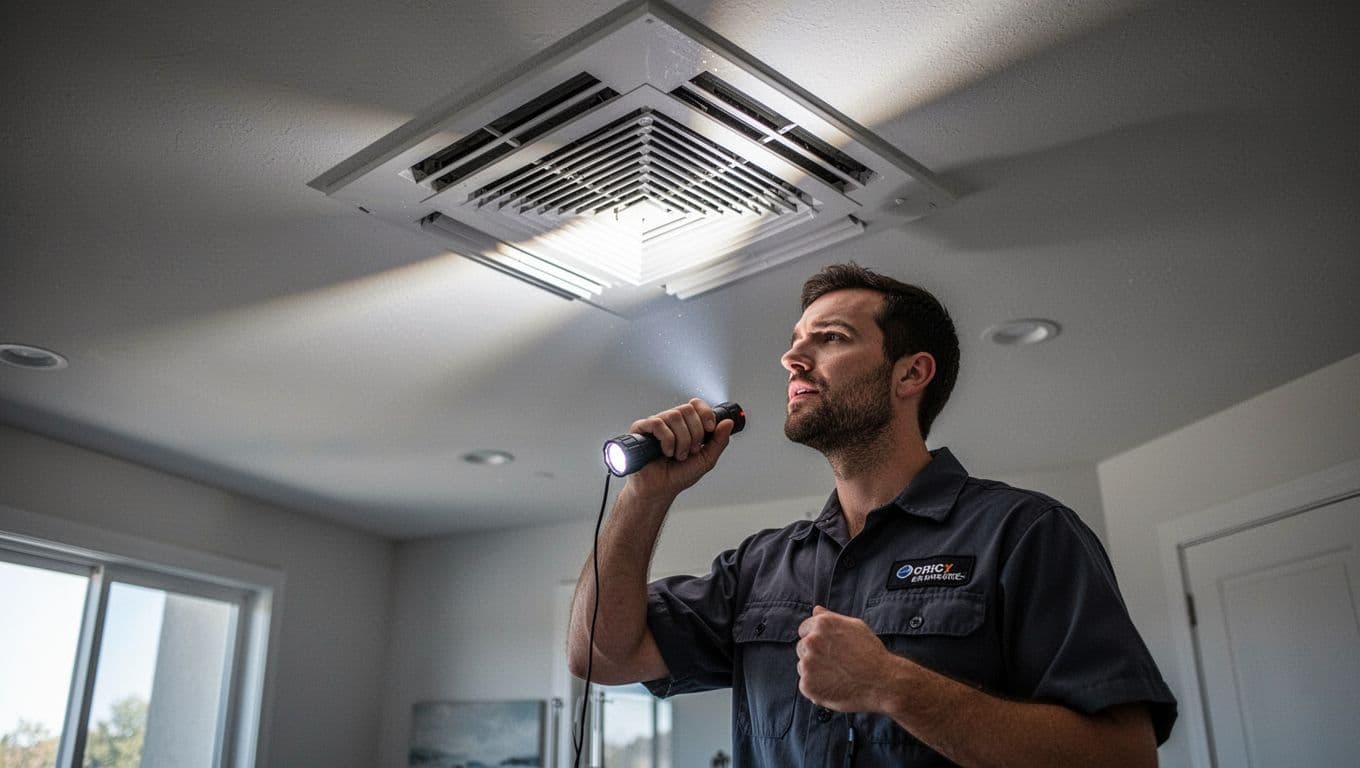
During air duct register cleaning, cleaning technicians typically remove accessible covers, vacuum loose dust, and clean the surfaces. The area immediately behind each grille may also receive attention, depending on access and the provider's equipment. This work can improve the appearance of vents and remove dust that could otherwise fall into the room.
That scope is limited. The service doesn't automatically clean the entire branch duct, main trunk line, return system, blower compartment, or air handler. A clean-looking grille can still connect to ductwork with substantial debris inside.
Full-system service covers a much wider area. A professional crew may inspect the duct layout, protect furniture and flooring, connect a high-powered vacuum system, and use agitation tools to loosen material inside the duct walls. The vacuum operates under negative pressure, pulling loosened debris away instead of allowing it to drift through the hvac system.
The exact scope varies by system design and access. Ask whether the quote includes supply and return ducts, trunk lines, accessible plenums, grilles, and the air handler area. If a company only mentions vents, you may be receiving register cleaning rather than a complete air duct cleaning service.
What Register Cleaning Can and Cannot Do
Register cleaning makes sense when the problem is mainly surface-level. For example, vents can collect dust and air pollutants during home remodeling, after a long period without housekeeping, or when loose debris falls through an open grille.
The work may help when:
- Vent covers are visibly dusty or discolored.
- Dust gathers around the edges of registers.
- A recent renovation left fine particles in nearby rooms.
- You want to clean removable grilles before installing them again.
- You need maintenance after painting, flooring work, or construction.
A technician may remove the grille and clean it outside the room. Some covers can be washed, while others need careful vacuuming because of paint, rust, or delicate finishes. The surrounding area should also receive protection and controlled vacuuming.
Still, register cleaning has clear limits. It won't remove dust several feet deep inside duct interiors unless the technician can access that section. It won't clean a return drop, central trunk, blower wheel, or coil. It also won't identify every cause of poor airflow.
A dirty register can be a symptom rather than the main problem. If one vent is worse than the others, the connected branch may contain debris or the register may have a fit or sealing issue. If every register looks dusty, the return side or broader duct system may need inspection.
The best way to compare providers is to ask what happens after the grille comes off. A detailed air duct cleaning process in Florida homes should include equipment, access points, debris control, and a final review, rather than only a quick vacuum at each opening during a standard cleaning process.
What a Full-System Cleaning Usually Includes
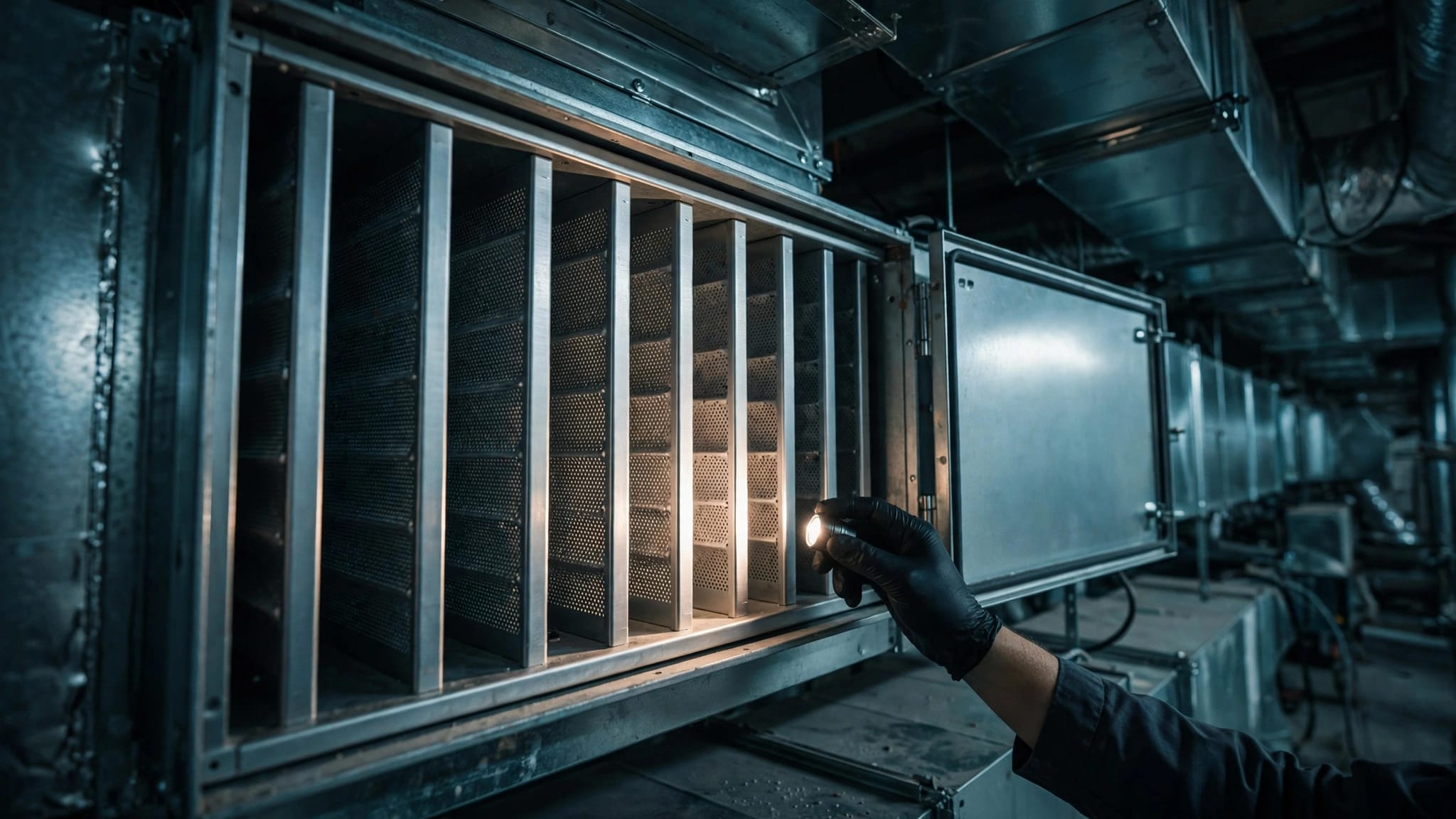
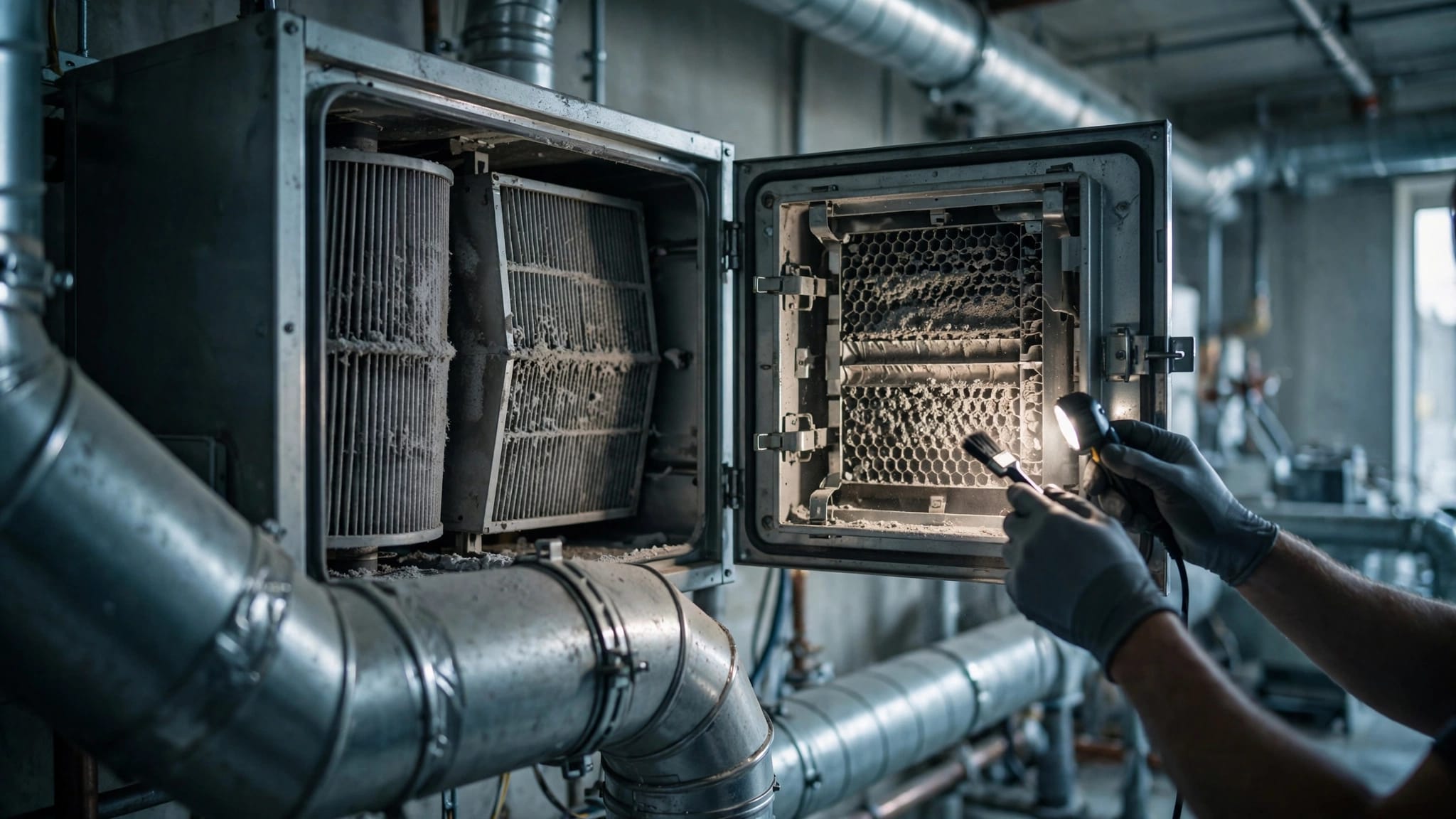
A full-system service begins with an inspection. The technician looks at the duct construction, access points, insulation, registers, return grilles, air filters, and visible HVAC components. This step helps identify fragile materials, disconnected sections, pest evidence, or conditions that need a different solution.
Next, the crew sets up containment and negative pressure equipment. Registers and nearby surfaces should receive protection before the cleaning starts. Because the vacuum connection and access method depend on the system, professional cleaning technicians should explain where equipment will attach.
Agitation tools then loosen material inside the ductwork. Depending on the system, a technician may use air whips, compressed air, or rotary brushes to achieve proper source removal. The vacuum captures loosened dust and debris as the work moves through the supply and return sides.
A complete service may address:
- Supply branch ducts and main supply trunks.
- Return branch ducts and return trunks.
- Accessible plenums and duct connections.
- Registers, grilles, and diffusers.
- Accessible air-handler areas, including the blower motor, when included in the written scope.
Not every HVAC component receives the same treatment. A coil, drain pan, or internal cabinet may require separate access and service. Never assume those parts are included because a quote says whole house.
Sanitizers, microbial treatments, odor products, UV lights, and air purification systems are separate options. They may be appropriate in certain conditions, but a company should explain why a product or installation is recommended. Cleaning removes debris; it doesn't replace repairs, moisture control, or hvac maintenance.
When Register Cleaning Is Enough
Choosing register cleaning can be reasonable when the ductwork is clean and you only need accessible surfaces addressed. Simple surface maintenance helps keep indoor air quality stable when the rest of the network is free of buildup. A homeowner who removed dusty grilles during a remodel may need this service without a full-system appointment.
The condition of the system matters more than a fixed calendar. Look at the registers and returns, then consider recent events inside the home. New construction, sanding, drywall work, water damage, pest activity, and major dust releases can change the decision.
Register cleaning may fit when:
- Dust is limited to the grille face.
- Airflow feels normal in the rooms.
- There is no history of duct contamination.
- The HVAC system has been inspected and the duct interiors look clean.
- You need a focused cleaning before renting or selling a property.
However, use caution when a company recommends register-only service after seeing heavy debris behind the covers. Regularly changing your air filters alongside this basic service can sometimes be enough if contamination is minimal. The limited option may cost less initially but leave the source untouched.
A good technician should show you the condition they found and separate confirmed needs from optional services. If the issue involves unusual odors, recurring dust, or allergy symptoms, ask whether the return system and air handler were inspected. Those areas can affect the air that circulates through the home.
When Full-System Service Makes More Sense
A broader cleaning deserves consideration when debris extends beyond the registers or when the system has experienced a specific contamination event. The strongest reasons are based on observed conditions, not a routine sales pitch.
Full-system service may be appropriate after:
- A renovation created heavy dust throughout the property.
- Water intrusion affected duct materials or surrounding areas.
- You see substantial debris inside multiple ducts, requiring complete source removal.
- Pest activity left droppings, nesting material, or other contamination sources.
- A home sat vacant while dust accumulated.
- Persistent odors move through the ventilation system.
- Airflow has changed without an obvious thermostat or filter issue, which can also impact overall energy efficiency.
Visible microbial growth requires careful evaluation. Dark staining is not proof of mold, and cleaning alone doesn't solve an active moisture problem. A qualified provider should explain what they can clean, what needs repair, and whether testing or another specialist is appropriate.
For Florida homes, humidity and moisture deserve attention because they can affect indoor conditions and building materials. An air duct cleaning appointment should not hide leaks, wet insulation, poor drainage, or HVAC problems. Those issues need correction before treatment can provide lasting results.
Ask for photographs when possible. Before-and-after images can help you distinguish a real ductwork concern from ordinary dust on a vent cover. You can also review questions to ask before hiring a duct cleaner before comparing estimates.
How to Compare Quotes and Avoid Confusion
Price comparisons only work when the scope matches. One company may quote register cleaning, while another includes supply lines, return lines, and equipment access. When you hire a professional contractor, clear service quotes prevent unexpected costs while safeguarding energy efficiency. The lower number may not describe the same job.
Before scheduling, ask:
- How many supply and return openings are included?
- Will the crew clean the main trunk lines and branch ducts of your hvac system?
- Is register removal and cleaning included?
- What equipment will control loosened debris during the cleaning process?
- Are access panels, sealing, sanitizing, or odor treatment separate charges?
- Will the company document conditions before and after air duct cleaning?
- Are the technicians insured?
A reputable estimate should identify the property type, approximate system size, included areas, and possible extra charges. It should also explain what the service cannot address. Be cautious when a company offers a very low whole-house price without asking about the number of systems, vents, or duct layout.
Adkins Duct Cleaning & Dryer Vent Service works with homes and businesses across Florida's Gulf Coast, including the Fort Myers, Naples, and Tampa areas. The company also handles dryer vent cleaning, which is separate from HVAC ductwork and deserves its own inspection. If you need help deciding between a focused visit and wider service, you can Get a Free Estimate with the property details and concerns.
Don't Confuse HVAC Registers With Dryer Vents
HVAC registers distribute conditioned air through living spaces as part of the primary heating and cooling ventilation system. Dryer vents carry hot, moist air and lint from the dryer to the exterior. They are different systems with different safety concerns.
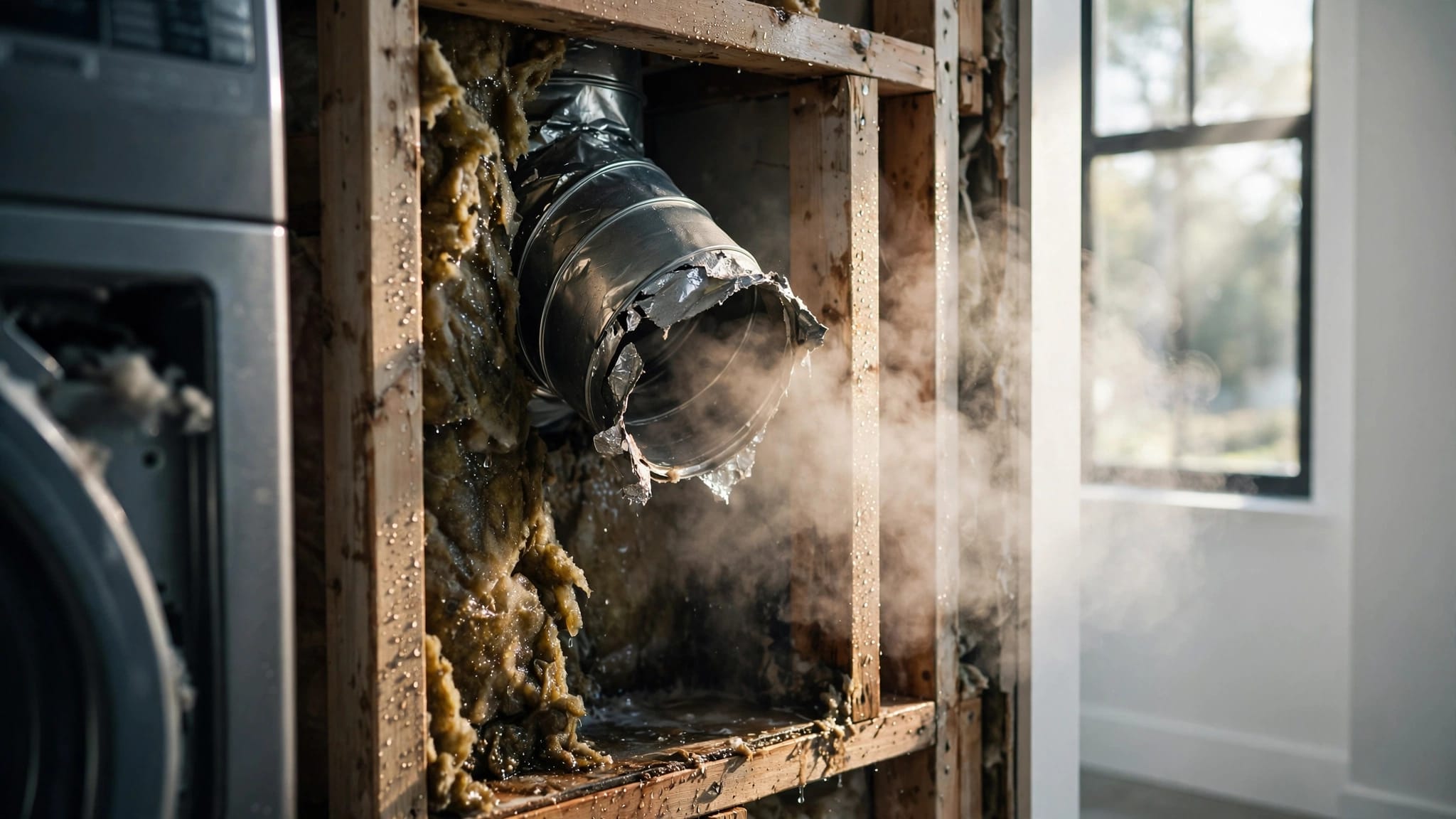
Register cleaning addresses dust and debris around HVAC openings. Dryer vent cleaning removes lint and other combustible debris that can restrict exhaust airflow and increase drying time. A clogged dryer vent may also make the appliance run hotter and place extra strain on the dryer, meaning dedicated dryer work is separate from routine hvac maintenance.
If clothes take longer to dry, the laundry area feels unusually warm, or lint collects near the exterior vent, schedule a dryer vent inspection. Cleaning the HVAC registers will not solve that problem.
Property owners who have both concerns can ask for separate scopes in the same estimate. Clear service descriptions prevent a technician from treating one system while the other remains unchecked.
Frequently Asked Questions
What is the difference between air duct register cleaning and full-system service?
Register cleaning focuses only on accessible vent covers, grilles, and nearby surfaces. Full-system service reaches deep into the connected ductwork, main trunk lines, and other interior HVAC components to remove heavy debris.
When is register cleaning enough for my home?
Register cleaning is usually sufficient when dust is limited to the grille face after minor remodeling, painting, or standard housekeeping. It works well if the rest of your duct network is clean and airflow remains normal.
Can register cleaning fix poor airflow or unusual odors?
No, register cleaning generally cannot resolve airflow issues or persistent odors originating deep inside the duct system. Those problems often require a full-system service or a professional inspection of the return lines and air handler.
Conclusion
Air duct register cleaning is a focused service for accessible grilles and nearby surfaces aimed at protecting your indoor air quality. Full-system service reaches deeper duct sections and may include supply lines, return lines, trunks, plenums, and other accessible HVAC areas.
The right choice depends on the condition of the system, not the label on a coupon. Ask a professional contractor what they will inspect, what equipment will be used, and which components the price covers. When you can see the evidence and understand the scope, you can choose air duct register cleaning or a complete air duct cleaning service with confidence.