HVAC Tune-Up vs Duct Cleaning: What Your Home Needs
When your home feels dusty, uncomfortable, or harder to cool, the right service may not be obvious. The choice between HVAC tune-up vs duct cleaning depends on whether the problem starts with the equipment, the ductwork, or both.
An HVAC tune-up protects system performance through inspection and preventive maintenance. Duct cleaning removes built-up debris from the air distribution system when there is a clear reason to clean it. Knowing the difference helps you spend money where it can solve the actual problem.
Key Takeaways
- An HVAC tune-up checks and maintains the heating and cooling equipment.
- Duct cleaning addresses debris, contamination, odors, or pest activity inside the duct system.
- Duct cleaning doesn't replace routine HVAC maintenance.
- Persistent dust, weak airflow, odors, or uneven comfort call for a professional inspection.
- Filter condition, recent remodeling, moisture, and system age all affect the best next step.
What an HVAC Tune-Up Includes
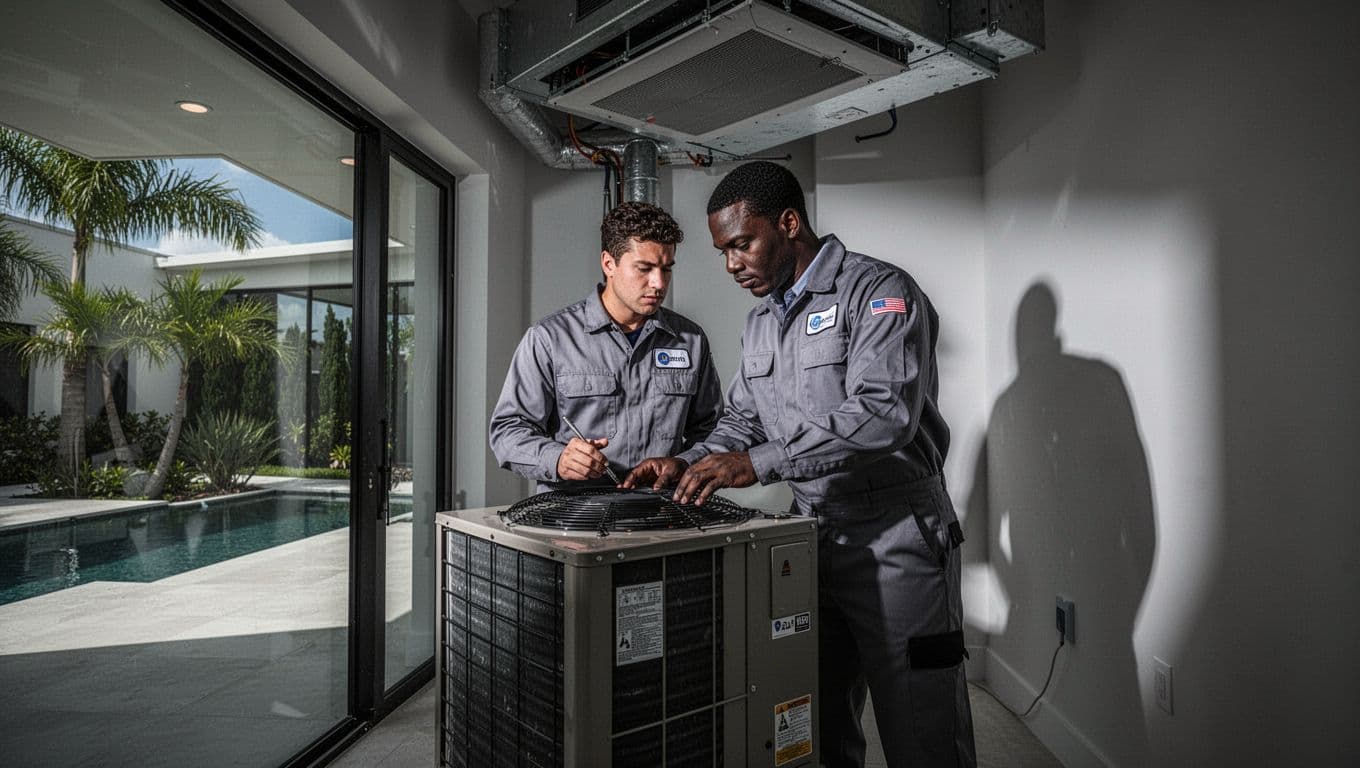
An HVAC tune-up focuses on the mechanical equipment that heats or cools your home. For a central air conditioner, that usually includes the outdoor condenser, indoor air handler, blower assembly, thermostat, electrical connections, condensate system, and refrigerant-related components.
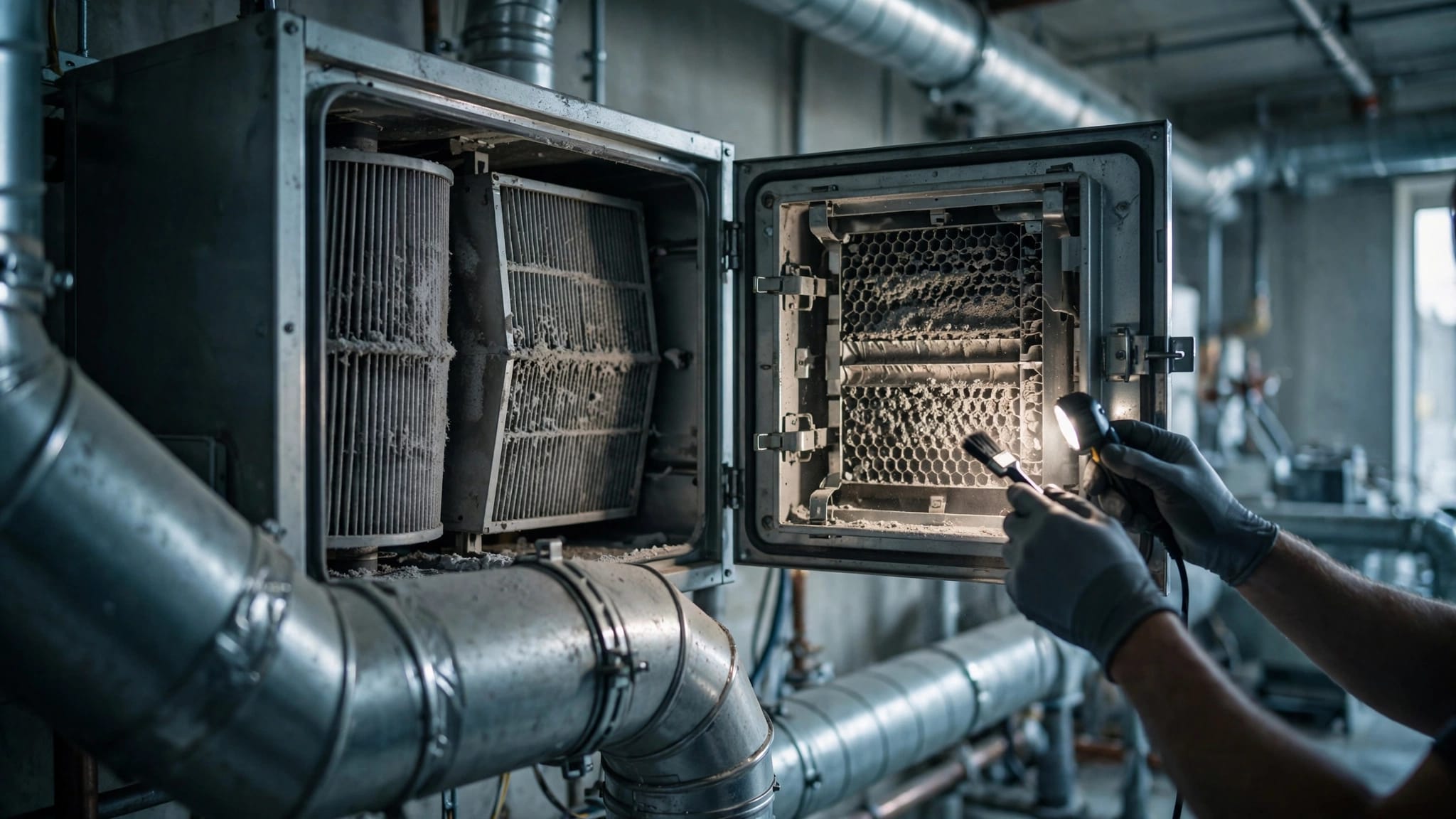
During the visit, a technician may inspect and clean coils, check the blower, test electrical parts, examine the condensate drain, measure temperature performance, and look for signs of wear. The technician may also check airflow and confirm that the thermostat communicates properly with the system.
A tune-up can identify problems before they cause a breakdown. For example, a restricted drain can lead to water damage, while a loose electrical connection can affect safe operation. A dirty coil or failing capacitor can also reduce cooling performance.
Routine maintenance doesn't guarantee that an older system won't fail. It does give you a better chance to find developing issues early and keep the equipment operating within its intended conditions. Follow the manufacturer's recommendations, but most homeowners schedule professional HVAC maintenance at least once a year.
In Florida, many air conditioners run for long periods because of the extended cooling season. That workload makes regular inspection useful, especially before the hottest part of the year.
What Duct Cleaning Actually Does
Duct cleaning targets the pathways that move conditioned air through your home. A professional service may clean supply and return ducts, registers, grilles, plenums, and accessible components connected to the air distribution system.
The goal is to remove accumulated dust and debris when contamination affects the system or continues to enter living spaces. Cleaning may also make sense after a major renovation, pest activity, water damage, or confirmed contamination inside the ductwork.
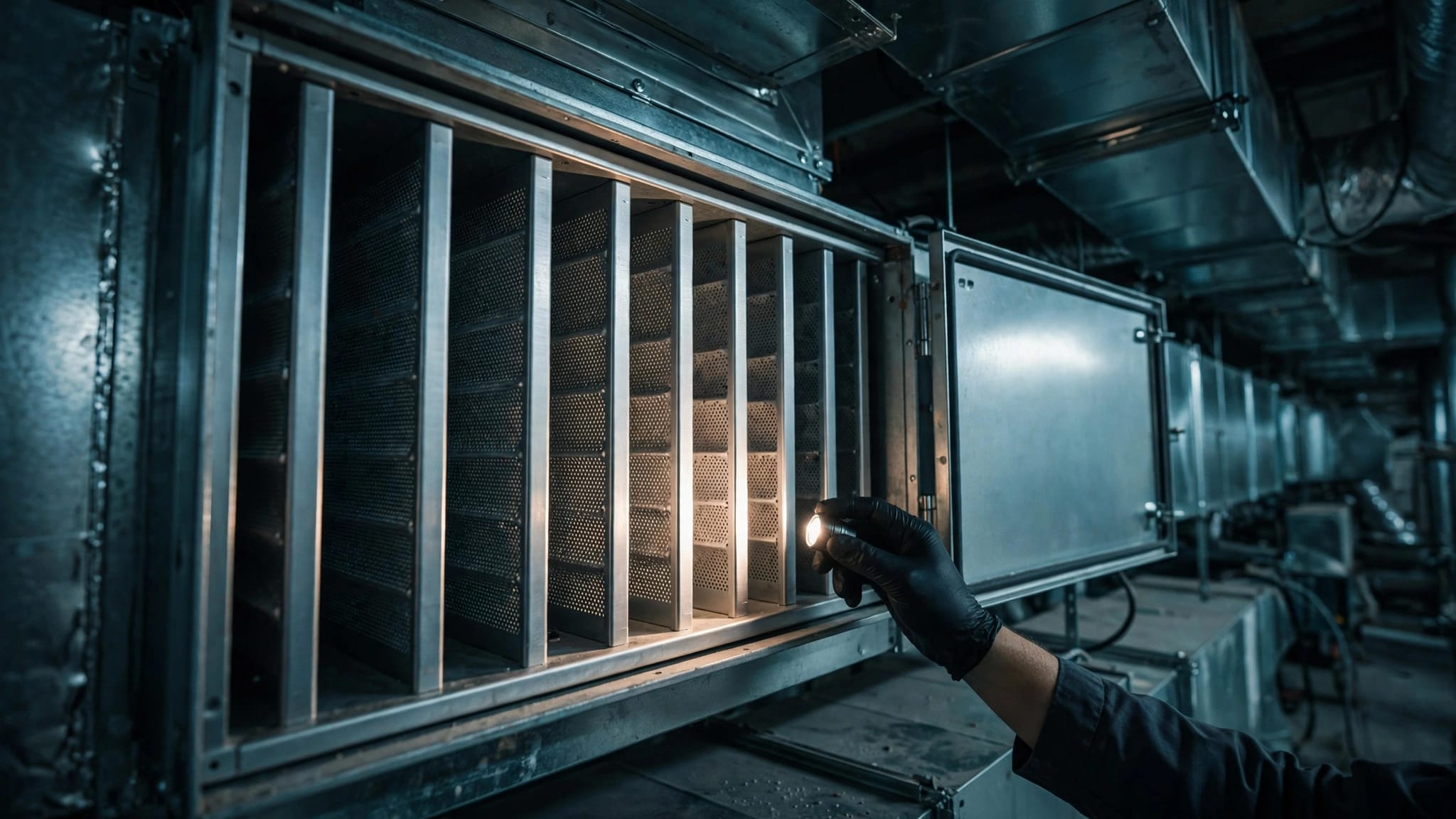
A qualified crew should inspect the system before recommending service. They should look for visible debris, damaged insulation, moisture concerns, disconnected ducts, and signs that dust is entering rooms through supply registers.
Proper equipment matters. Professional duct cleaning generally uses controlled negative pressure and specialized agitation tools to collect loosened debris instead of spreading it through the home. Registers, furnishings, and floors should receive appropriate protection during the work.
Duct cleaning can improve cleanliness inside the duct system, but it shouldn't be promoted as a cure for allergies or respiratory conditions. Indoor air quality depends on many factors, including filtration, moisture control, pets, smoking, cleaning habits, and outdoor air entering the home.
You can review when to clean air ducts before deciding whether the evidence supports this service.
HVAC Tune-Up vs Duct Cleaning: Which Service Do You Need?
The best choice depends on the symptom and where the technician finds the cause. An HVAC tune-up is usually the better starting point when the system struggles to cool, cycles unusually, makes mechanical noises, leaks water, or produces poor temperature control.
Duct cleaning deserves consideration when dust returns quickly despite proper filter changes, debris is visible near supply vents, an odor seems to come from the duct system, or renovation material entered the ductwork. Pest activity or moisture-related contamination also deserves professional attention.
The following comparison can help you separate the services.
| Concern | HVAC tune-up | Duct cleaning |
|---|---|---|
| Weak or inconsistent cooling | Often the right first step | May help only if duct blockage or damage is present |
| System noise or short cycling | Directly relevant | Usually not the main solution |
| Dust blowing from vents | Checks filter and equipment | Addresses debris inside accessible ductwork |
| High humidity | Checks equipment and drainage | Doesn't correct an oversized or malfunctioning system |
| Visible duct debris | Doesn't remove duct contamination | Directly addresses the affected areas |
| Refrigerant or electrical issue | Inspects related components | Doesn't repair the system |
| Post-remodeling dust | May check system operation | Often worth considering after inspection |
A tune-up addresses how the system operates . Duct cleaning addresses what travels through the air pathways . One service can't replace the other.
Signs Your HVAC System Needs a Tune-Up
Some warning signs point toward equipment maintenance rather than duct cleaning. Pay attention when your air conditioner runs longer than usual or fails to maintain the thermostat setting.
Other signs include:
- Uneven temperatures between rooms
- Frequent starts and stops
- Water around the indoor unit
- New rattling, buzzing, or grinding sounds
- Weak airflow at several vents
- Unusual increases in electricity use
- A thermostat that doesn't seem accurate
- Poor cooling after the system reaches operating temperature
A clogged filter can cause several of these symptoms, so check it first. A loaded filter restricts airflow and forces the system to work harder. Replace it with the correct size and type, then monitor the system.
If the problem continues, schedule an inspection rather than booking duct cleaning based on symptoms alone. Weak airflow can result from a dirty coil, blower problem, blocked filter, closed damper, crushed duct, or undersized ductwork. Cleaning the ducts won't correct every airflow problem.
Homeowners should also avoid adjusting refrigerant or electrical components themselves. These parts require proper testing and safety procedures.
Signs Duct Cleaning May Be Appropriate
Duct cleaning is most useful when you have evidence of contamination or a specific event that introduced debris into the system. A professional should confirm the condition before work begins.
Consider an inspection when:
- You see dust or debris inside supply or return openings.
- Dust continues to blow from vents after filter replacement.
- A renovation filled the home with fine construction dust.
- Rodents or insects entered the duct system.
- Water damage affected duct materials or nearby components.
- A persistent odor appears when the system runs.
- Visible growth or staining raises a moisture concern.
A musty smell doesn't automatically prove mold inside the ducts. Florida's humidity can support moisture problems in many parts of a home, including drain pans, insulation, wall cavities, and closets. The source needs to be identified before anyone recommends a treatment.
Similarly, duct cleaning isn't a substitute for changing filters. Use a filter that fits correctly, inspect it on the schedule recommended for your home, and replace it when loaded. Homes with pets, construction activity, or frequent occupancy may need more frequent attention.
If you want to understand the service process, review what to expect during duct cleaning. A reputable provider should explain the findings, equipment, work areas, and final cleanup.
When You May Need Both Services
Some homes need both an HVAC tune-up and duct cleaning, but each service should have its own reason. For example, a homeowner may notice poor cooling after a remodeling project. The tune-up can check the equipment, while duct cleaning can address construction debris that entered the air distribution system.
Another example involves a long-neglected system with visible dust near registers. The technician may find a dirty blower or coil during the equipment inspection and contamination inside the ducts. Cleaning only one area could leave the other problem unresolved.
Timing can matter. If the system contains heavy debris, cleaning the ductwork before a detailed equipment inspection may move dust into components that were previously clean. A qualified company can recommend the order after looking at the system.
Neither service should be used to hide a larger repair. Damaged ducts, poor insulation, moisture intrusion, and an incorrectly sized air conditioner require separate solutions. Ask for clear documentation when a technician finds a concern, including photographs when practical.
You can request a Get a Free Estimate for air duct or dryer vent cleaning when contamination, dust, or odor remains a concern after basic filter maintenance.
Don't Forget the Dryer Vent
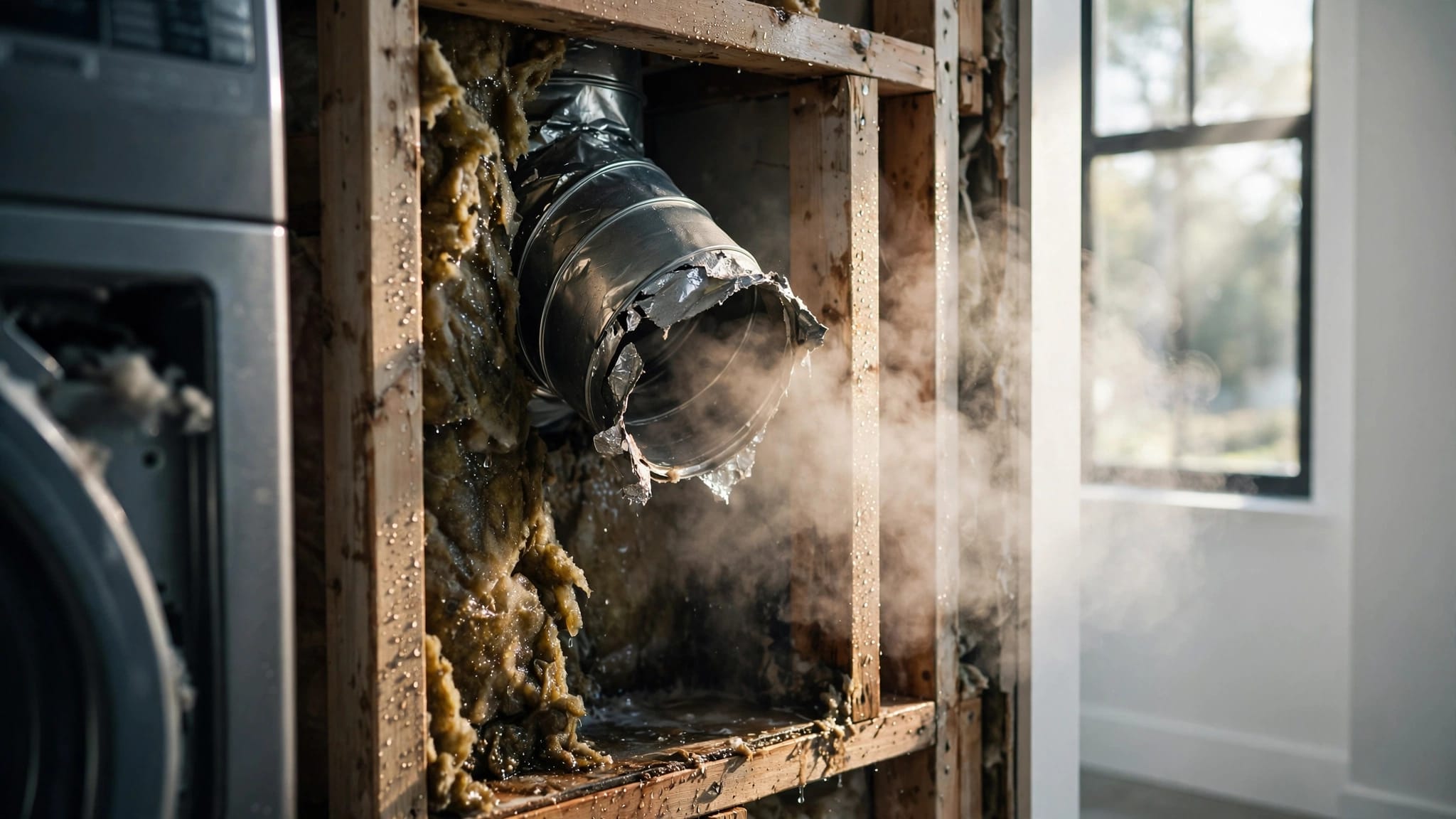
A dryer vent is separate from the home's heating and cooling ductwork. Cleaning it won't improve air conditioner performance, but it can address lint buildup in the exhaust path and help the dryer release moist air properly.
Long drying times, a hot laundry room, repeated cycles, or lint around the dryer connection can indicate a restricted vent. The vent may also have a long run, several bends, or an exterior termination that limits airflow.
Because the dryer vent carries heat and lint, it deserves attention for safety and performance reasons. A technician should inspect the full accessible route, not only the short connector behind the appliance.
A dryer vent cleaning appointment can often be scheduled separately or alongside air duct service. Still, the two systems should remain clearly identified in the estimate and service report.
How to Choose the Right Next Step
Start with the simplest checks. Confirm that the thermostat has the correct setting, the filter is clean and properly installed, and supply and return vents are open. Look for visible debris, water, or damage around the indoor unit.
Next, write down the symptoms. Note when they occur, which rooms are affected, whether the issue began after remodeling, and whether an odor appears only when the system runs. These details help a technician focus the inspection.
Choose a company that provides an explanation before recommending work. Ask whether the technician will inspect the ductwork, protect the home, use collection equipment, and identify moisture or damage. For HVAC maintenance, ask what components the tune-up includes and whether the service covers testing or only a visual check.
A trustworthy provider won't claim that every home needs annual duct cleaning. Duct cleaning should respond to conditions in the system, while HVAC tune-ups follow equipment needs and maintenance guidance.
Conclusion
The HVAC tune-up vs duct cleaning decision becomes clearer when you match the service to the symptom. A tune-up checks equipment operation, safety, airflow, and developing mechanical problems. Duct cleaning addresses confirmed or suspected debris and contamination inside the air distribution system.
Persistent dust, odors, weak airflow, uneven comfort, or poor cooling deserve a professional inspection. Once the source is clear, you can choose the service that solves the problem instead of paying for work your home doesn't need.