Energy Recovery Ventilator Cleaning: Commercial Scope
Energy recovery ventilator cleaning addresses contamination in the ERV equipment and any connected areas included in the written service scope. It doesn't automatically include every duct, the building's air handlers, mechanical repairs, or dryer exhaust cleaning.
For commercial property managers, the most important distinction is which components the work actually covers . A clean vent cover reveals little about equipment above a ceiling or behind an access panel.
Start with the ventilation layout, then match the cleaning scope to documented conditions.
Key Takeaways
- ERV cleaning and commercial duct cleaning are related services, but their boundaries aren't interchangeable.
- Inspection should establish where contamination sits before the cleaning scope expands.
- Access limitations, damaged materials, and moisture concerns belong in the service documentation.
- Building operations matter: offices, clinics, schools, and food-related businesses can require different access and equipment-protection arrangements.
A useful proposal names the equipment and areas included. Broad phrases such as "ventilation cleaning" leave too much room for different expectations.
What an ERV Does in a Commercial Building
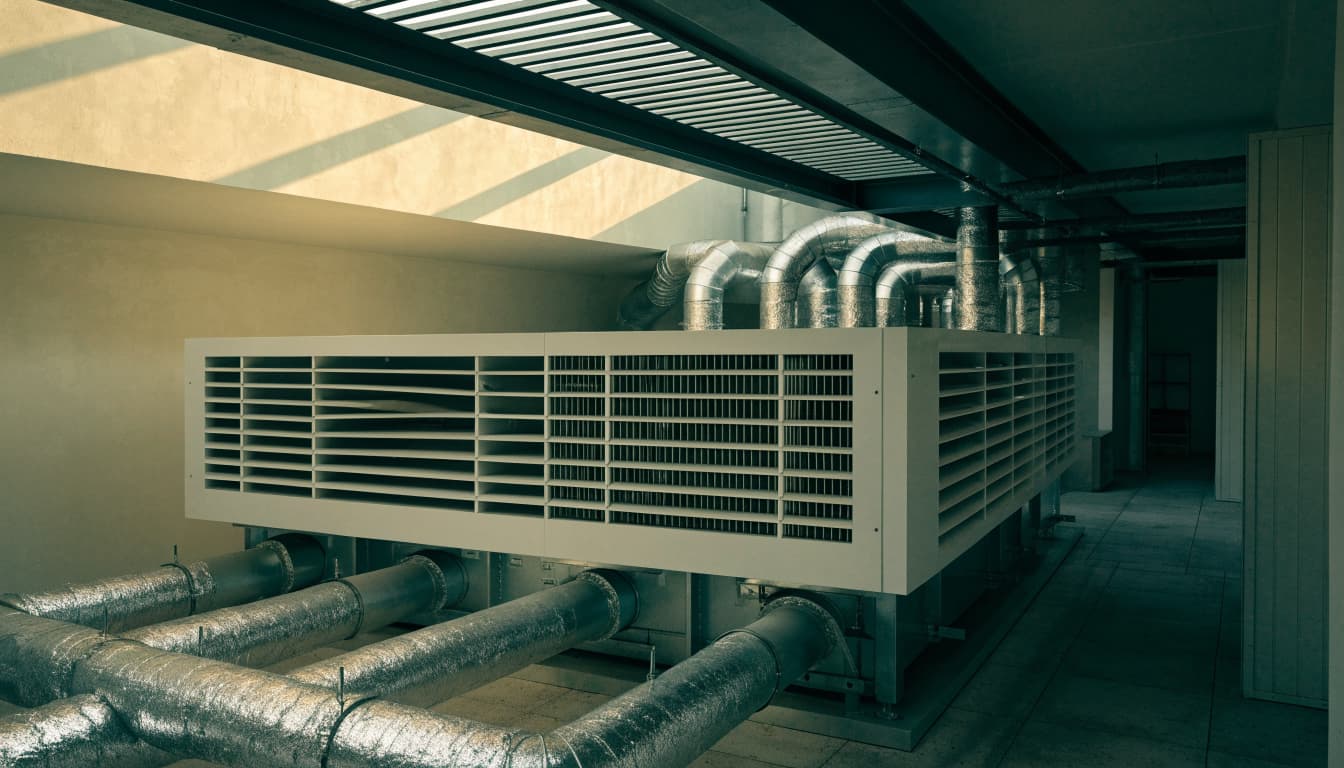
Outdoor air and exhaust have separate paths
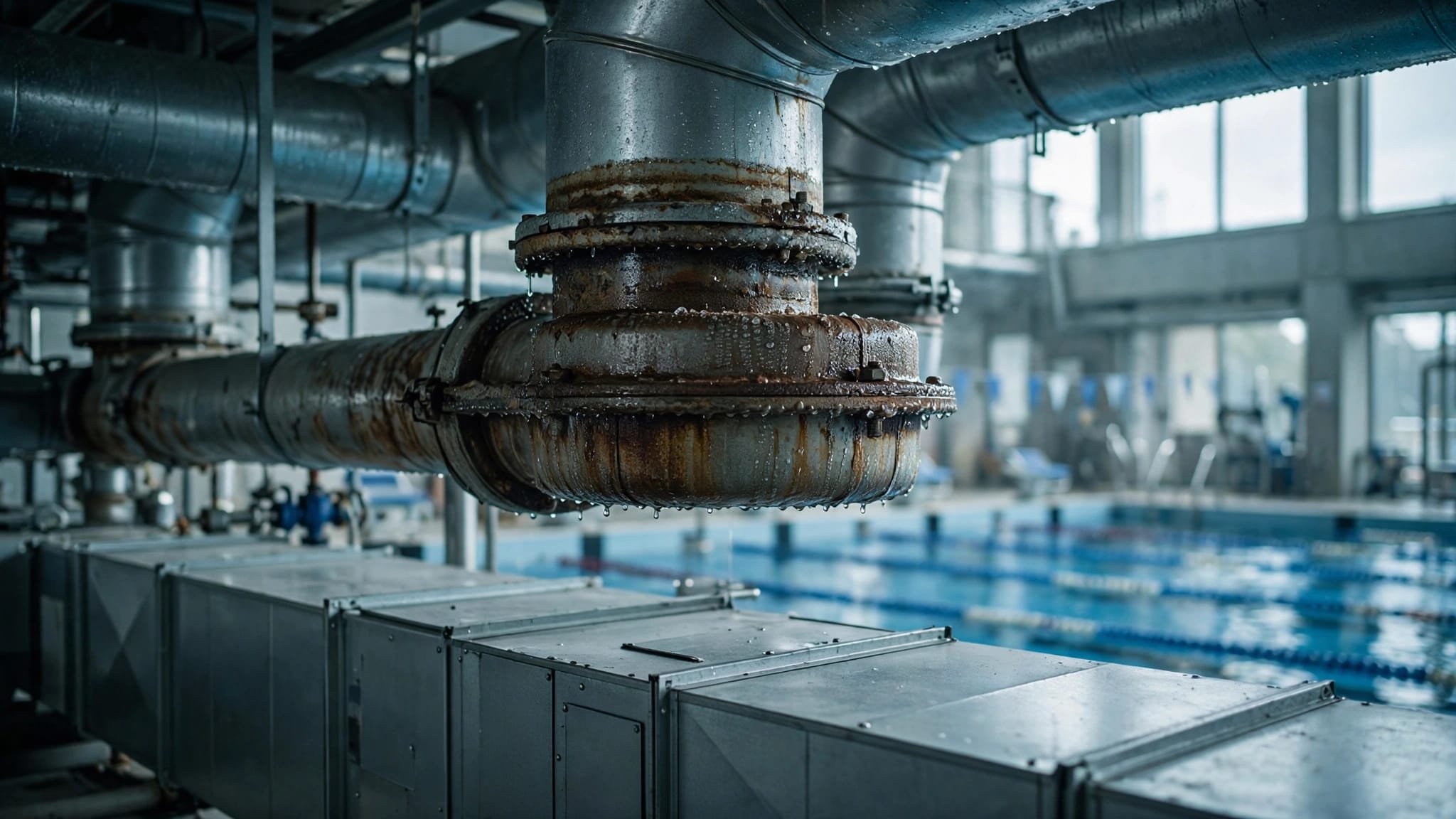
An energy recovery ventilator exchanges heat and moisture between incoming outdoor air and outgoing indoor air. Its role differs from equipment that primarily recirculates and conditions indoor air.
Because both air paths matter, an inspection needs to follow more than the nearest room vent. Outdoor openings, equipment connections, and the ventilation route help establish where a problem begins.
The building layout also matters. An ERV may connect with other HVAC equipment or have separate distribution paths. That arrangement determines which equipment belongs in a focused inspection.
The ERV isn't the whole HVAC system
A building can have an ERV alongside air handlers, supply ducts, return ducts, and separate exhaust systems. These components work within the same property, but a cleaning agreement can cover only some of them.
For example, debris inside an air handler doesn't establish that the ERV contains the same material. Similarly, contamination in one ventilation branch doesn't prove every connected section needs cleaning.
Equipment identification prevents a general building complaint from becoming an unnecessarily broad cleaning recommendation.
What Energy Recovery Ventilator Cleaning Covers
Equipment work within a defined boundary
The scope should identify the ERV being serviced, its location, and the accessible areas included. Equipment identifiers are especially useful in buildings with several ventilation units serving different tenant spaces.
A proposal should distinguish inspection from cleaning. Looking inside a compartment, documenting its condition, and cleaning that compartment are separate activities.
The wording should also distinguish equipment cleaning from maintenance or repairs. A damaged connection or failed component may require additional work even when nearby surfaces need cleaning.
A named component is a clearer commitment than a package title. Terms such as "complete" or "full-service" need an accompanying description.

Connected areas only when included
Connections to the ERV don't automatically place every duct section within the cleaning scope. The agreement should distinguish work inside the equipment from work along connected ventilation routes.
Likewise, room grilles, outdoor openings, and adjoining HVAC equipment need their own scope descriptions when included. Otherwise, a manager may expect building-wide service from an equipment-only appointment.
Our recommendation is to define those boundaries before authorizing work. This makes exclusions visible while there's still time to plan around them.
How Inspection Determines the Necessary Work
Follow the contamination, not just the complaint
Dust, odors, and weak airflow can have different causes. An inspection should locate visible contamination and distinguish it from damaged materials, disconnected sections, or other building problems.
Where an air handler connects with the ventilation arrangement, its condition can help narrow the investigation. Debris confined to that equipment supports a different scope than material found in both equipment and connected ducts.
Construction activity also deserves attention. Recent roof, insulation, or remodeling work can introduce debris or expose existing connection problems. The inspection should distinguish new contamination from older buildup where the evidence allows.
Separate cleaning needs from repair needs
Loose fittings, crushed flexible duct, torn insulation, standing water, and pest evidence call for different responses. Cleaning alone won't restore a damaged duct or stop water entering an equipment cabinet.
Those findings should appear separately from ordinary dust accumulation. Any added repair or treatment should require approval before the work expands.
Debris limited to one component supports a different cleaning scope than debris documented across equipment and ductwork.
A dirty grille alone also doesn't establish widespread contamination. Our explanation of what air duct cleaning can remove outlines the limits of duct cleaning when another problem needs attention.
ERV Cleaning, Duct Cleaning, and HVAC Service
The service name should match the location and type of work.
| Service category | Main scope distinction |
|---|---|
| ERV cleaning | Work on the identified ventilation equipment and expressly included areas |
| Air duct cleaning | Work on the specified duct sections and related components |
| HVAC maintenance or repair | Evaluation or correction of equipment operating problems |
| Dryer vent cleaning | Work on a separate laundry exhaust path |
These categories can overlap within a coordinated project. However, including one doesn't automatically include the others.
For instance, a commercial duct proposal may identify return grilles, supply branches, plenums, blower compartments, accessible ducts, and air-handler interiors. That list still doesn't establish whether an ERV is included.
Likewise, cleaning ventilation equipment doesn't resolve every cooling or comfort complaint. Electrical faults, damaged components, and other operating problems need appropriate HVAC attention.
Our guide to HVAC system cleaning options explains why equipment type changes the work involved. Keeping these categories separate helps managers understand what an appointment will address and what remains outside it.
Planning Commercial Access and Building Protection
Match the service window to actual operations
Commercial ventilation work needs an access plan that fits the building's activities. A vacant office suite presents different constraints than an occupied clinic, school office, data room, or food-related business.
The plan should identify affected rooms, available equipment areas, and routes through occupied spaces. It should also account for furniture, sensitive equipment, and restricted areas.
Where work affects shared systems, tenants and building staff need clear information about the affected locations. A room-by-room schedule can prevent access conflicts without treating the entire property as one work area.
Define access before the appointment
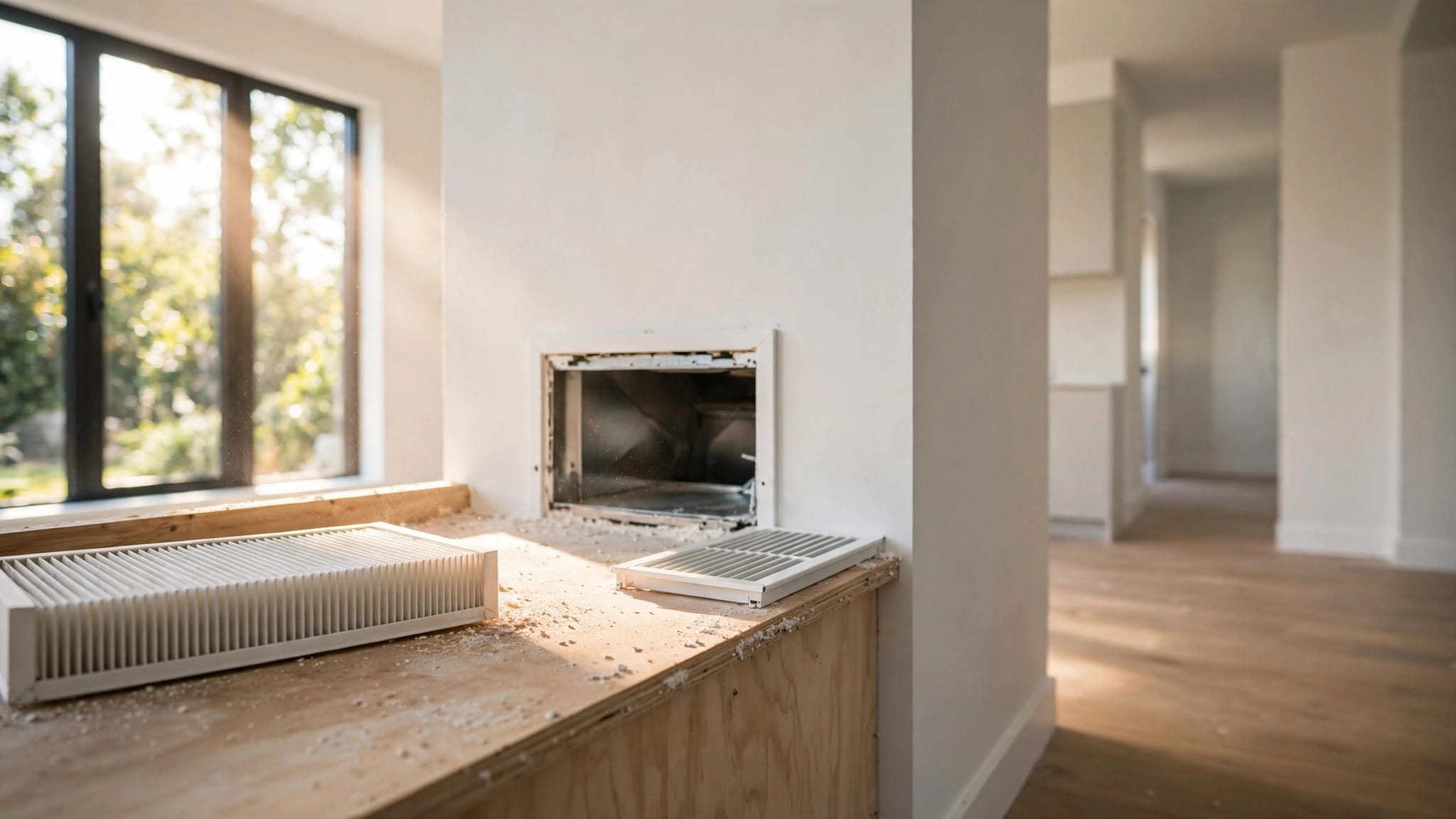
Existing panels and openings affect what technicians can reach. When the project involves additional access openings, the proposal should describe their purpose and how they'll be closed and sealed.
Floors, furnishings, and nearby equipment also need suitable protection. Access limitations should be documented rather than hidden behind a promise to clean everything.
For businesses planning around tenant activity, our guidance on after-hours commercial duct cleaning addresses scheduling and operating constraints. Those considerations matter whenever ventilation work shares space with normal business operations.
What the Written Scope and Completion Report Should Say
Before work begins, the written scope should identify equipment, included areas, exclusions, access arrangements, and any separately authorized work. It should distinguish cleaning from inspection and repairs.
Equipment locations deserve precise descriptions. "Roof unit serving the east offices" is more useful than "ventilation system" when several units occupy the property.
Afterward, the completion report should describe the areas serviced and any portions that remained inaccessible. Photos can help document conditions that managers can't easily view themselves.
The report should also record damaged components, moisture concerns, and other findings that fall outside cleaning. When an issue remains unresolved, the record should describe that condition without presenting the cleaning as a repair.
Together, the scope and completion report create a maintenance history. Future technicians can compare the same locations rather than guessing whether recurring debris appeared in a previously serviced area.
That record also helps ownership groups understand why additional work differs from the original cleaning authorization.
When the Findings Point Beyond the ERV
A focused ERV inspection can reveal that the main concern sits elsewhere. Visible debris in connected ducts, for example, may support a separate duct-cleaning scope rather than equipment-only work.
Conversely, contamination confined to one equipment area doesn't justify automatically adding every supply and return run. The recommendation should follow the evidence.
Recurring debris also deserves a source investigation. An open connection or damaged duct can allow material to enter again after cleaning. Similarly, standing water needs attention beyond removal of nearby dirt.
Dryer exhaust remains a separate system, even when a commercial property schedules several cleaning services together. Laundry exhaust concerns shouldn't disappear into a general HVAC description.
We provide air duct and dryer vent cleaning for homes and businesses. When inspection identifies a need for those services, Get a Free Estimate for a scope matched to the affected system.
Frequently Asked Questions
Does "full-system cleaning" automatically include an ERV?
The phrase alone doesn't establish that an ERV is included. The written scope should name the equipment and describe the areas covered. This matters in buildings with multiple air handlers, ventilation units, and tenant systems. A general package name can't define those boundaries clearly enough.
What happens when part of the system is inaccessible?
The service record should identify the area that couldn't be reached and distinguish it from completed work. An inaccessible section shouldn't appear as cleaned simply because adjoining equipment received service. Any proposed access work belongs in a separate, clearly described authorization.
Should building staff open equipment before the visit?
Building staff can provide maintenance records, equipment locations, and reports of visible problems. Qualified personnel should handle equipment access involving electrical compartments, moving parts, or unfamiliar assemblies. Keeping access routes clear is useful preparation without exposing staff to equipment hazards or disturbing damaged materials.
A Clear Scope Makes ERV Cleaning More Useful
Energy recovery ventilator cleaning should begin with identified equipment and documented conditions. Clear service boundaries help separate necessary cleaning from unrelated duct work, repairs, and maintenance.
For commercial buildings, a useful plan also accounts for access and ongoing operations. The final record should show what received service, what remained inaccessible, and which concerns still need attention.