What Air Duct Cleaning Can and Cannot Remove
Dirty vents can point to a problem inside your HVAC system, but a dusty grille doesn't prove every duct needs service. The material may be old dust on the cover, a clogged filter, or contamination farther inside the equipment.
Professional air duct cleaning can remove accumulated dust, loose debris, pet dander, and some odor-causing residue from accessible parts of the system. It can't fix moisture, seal leaks, remove asbestos, or stop new particles produced by daily life.
That boundary matters when you're deciding whether to schedule service. Start with what can physically leave the ductwork, then identify the problems that require a different solution.
What air duct cleaning can remove
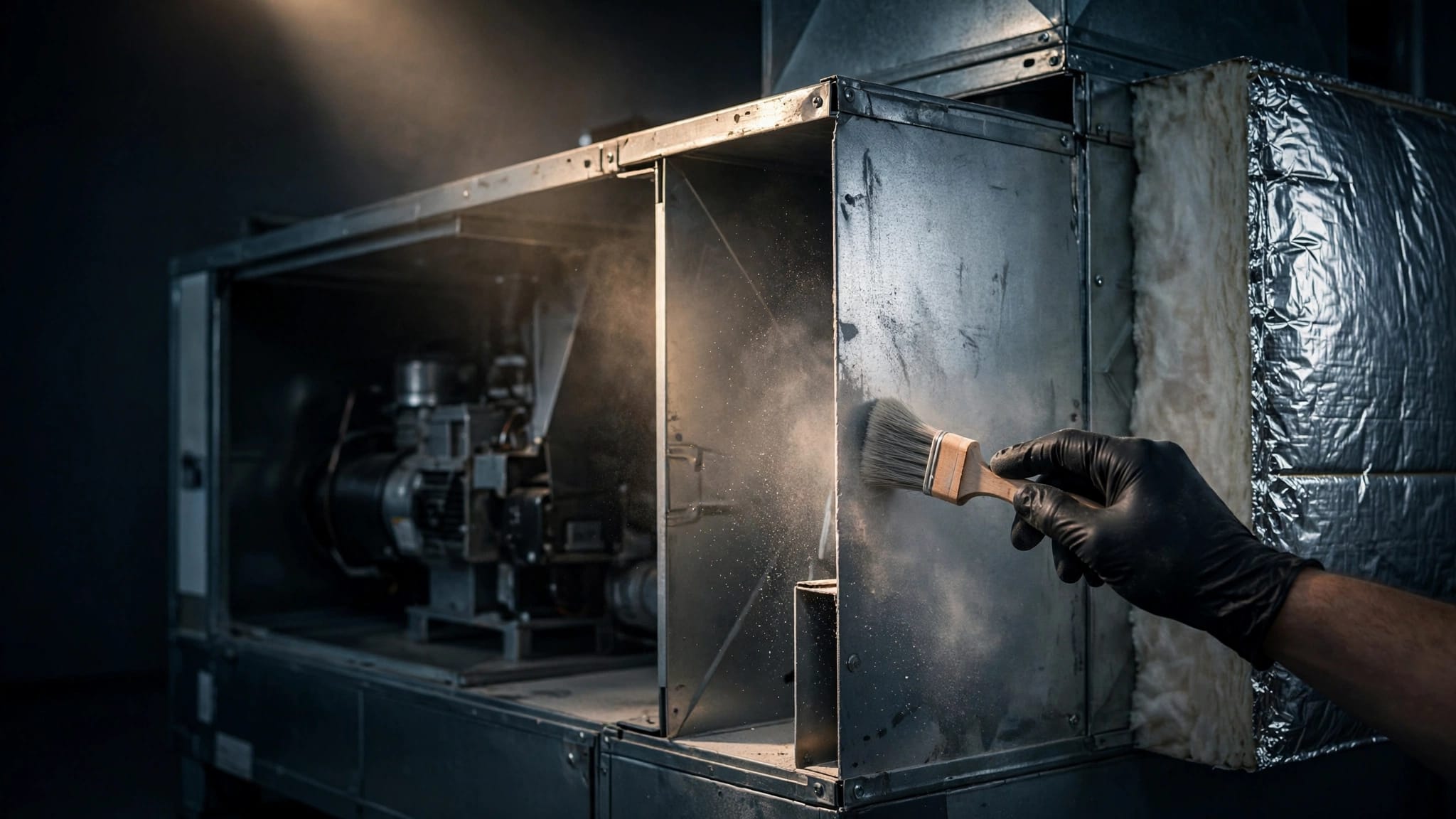
During a professional cleaning, technicians work to collect material already resting inside the system. Depending on the duct design and the service scope, they may use agitation tools, compressed air, and a powerful negative-pressure vacuum.
The quality of the result depends on access. Cleaning only a few visible vents won't provide the same coverage as cleaning the supply ducts, return ducts, registers, and accessible HVAC components.
Dust, pet dander, and loose debris
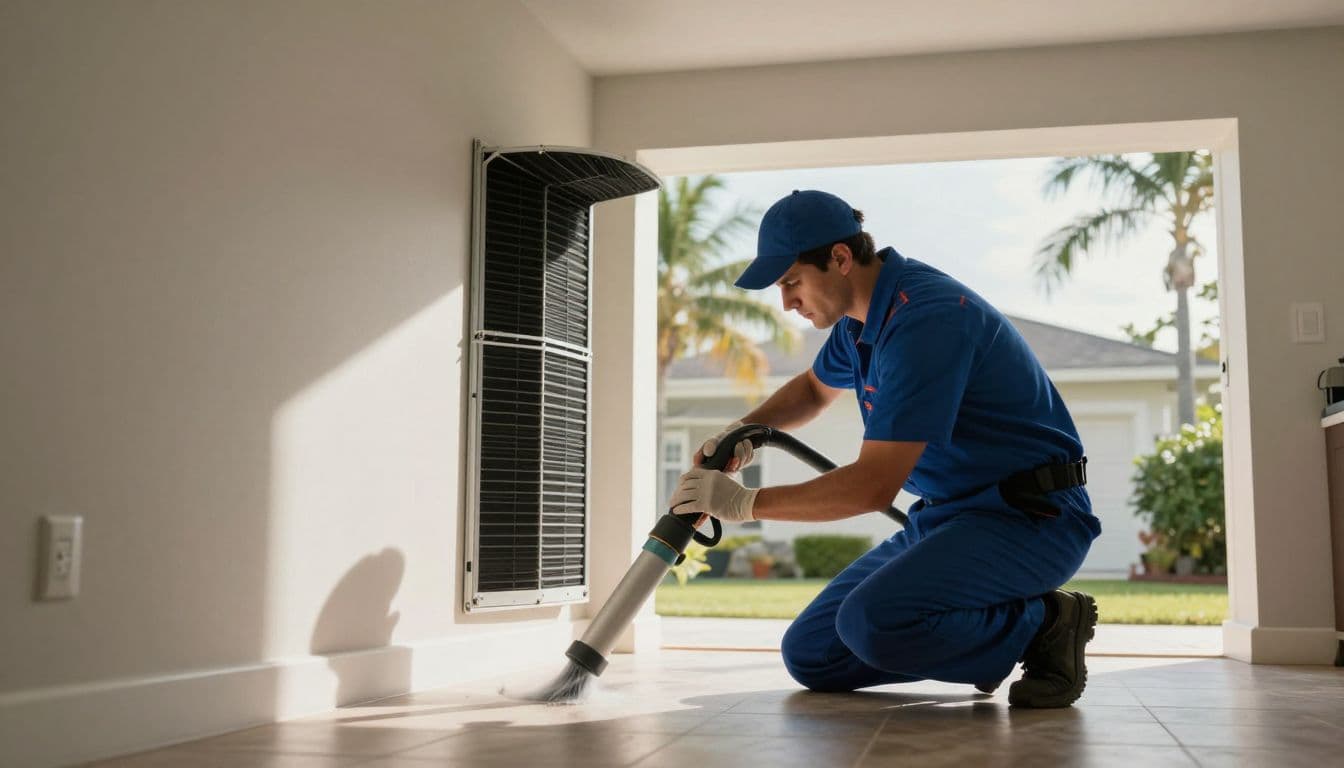
Loose household dust is the most common material found in residential ductwork. It can collect along the bottom of ducts, around turns, behind registers, and near return-air openings.
A thorough cleaning can also collect settled pet dander, pollen, hair, and small particles carried through the return system. This may reduce the amount of settled material available for the blower to move through the home.
However, duct cleaning doesn't remove every airborne particle. Dust still enters when people open doors, walk across floors, handle clothing, or disturb furniture. A clean filter and regular household cleaning remain important after service.
Renovation dust and pest residue
Home renovations can leave drywall dust, sawdust, insulation fibers, and other loose debris inside nearby ductwork. If the system operated while sanding or demolition took place, a contractor may find more material than normal household dust.
Loose insect debris can also be removed. Rodent droppings, nesting material, or feathers require more care. The pest problem should be addressed first, and heavily contaminated porous materials may need replacement instead of ordinary vacuuming.
Cleaning also helps remove debris that has fallen through damaged or missing registers. Still, a technician should inspect the cause, especially if contamination returns soon after the work.
Some buildup in HVAC components
Ducts are only one part of an air distribution system. If the agreed scope includes them, technicians may also clean accessible supply and return grilles, the blower compartment, the air handler cabinet, or parts of the coil area.
These components can hold dust that would otherwise re-enter the ductwork. A professional air duct cleaning company should explain which parts it will clean before work begins. The service may not include coil repair, refrigerant work, drain-line cleaning, or electrical repairs.
Cleaning removes material that is already inside the system. It doesn't stop new material from entering through a dirty filter, a leaking return, or an open duct connection.
What air duct cleaning cannot remove
Air duct cleaning has clear limits. A vacuum can collect loose contamination, but it can't correct the condition that created it or remove materials that have bonded to surfaces.
A reliable contractor should explain those limits before recommending extra treatments or promising major changes in indoor air quality.
The source of mold or moisture
Cleaning can remove some visible microbial growth from accessible hard surfaces. It won't solve the moisture that allowed the growth to develop.
In Florida homes, humidity, condensation, roof leaks, plumbing leaks, and clogged drain pans can all contribute to moisture problems. Until the source is corrected, contamination may return.
Mold in porous fiberglass duct liner presents another limitation. The material can hold contamination below the surface, so cleaning may not be enough. Replacement or specialized remediation may be necessary. A sanitizer or antimicrobial treatment can have a limited role, but it shouldn't replace physical cleaning and moisture control.
Dust that enters again after service
Duct cleaning doesn't replace an HVAC filter, repair a filter rack, or seal gaps around the return plenum. If unfiltered air enters the system, new dust can collect soon after the cleaning.
The same issue occurs when a return duct pulls air from an attic, crawl space, garage, or wall cavity. In that situation, sealing the duct and correcting the airflow problem matter more than repeating the cleaning.
Carpet fibers, cooking particles, fireplace ash, and outdoor pollen can also continue entering the home. A clean duct system is one part of a cleaner indoor environment, not a barrier against every source of airborne pollution.
Smoke, chemicals, and hazardous materials
Air duct cleaning may reduce some dust-bound smoke residue, but it rarely removes cigarette odor that has soaked into drywall, flooring, curtains, furniture, or insulation. Strong odor problems often require cleaning or replacing those materials as well.
A duct vacuum also isn't designed to remove chemical vapors or volatile organic compounds from paint, solvents, furnishings, or cleaning products. Improving ventilation and removing the source are more appropriate steps.
Asbestos-containing insulation and other hazardous materials require qualified handling. Brushing or vacuuming them without proper controls can spread dangerous fibers. Tell the contractor about older insulation or suspected hazardous materials before anyone opens the system.
Why the source matters more than the dust
The U.S. Environmental Protection Agency doesn't recommend routine annual duct cleaning for every home. It identifies specific reasons to consider the service, including substantial mold growth, vermin activity, and ducts containing excessive dust or debris.
Before scheduling, check whether a simpler repair addresses the complaint. Common issues include:
- A loaded filter can restrict airflow and make the system work harder.
- A loose return connection can pull dusty attic or wall-cavity air into the HVAC system.
- Excess indoor humidity can support microbial growth around the air handler.
- A crushed or disconnected duct can spread dust and reduce airflow.
- A dirty evaporator coil or malfunctioning blower may need HVAC maintenance.
If you aren't sure whether the problem calls for service, compare duct cleaning versus filter replacement. Visible contamination, renovation debris, pest activity, or persistent dust blowing from registers are stronger reasons than a calendar reminder.
Air duct cleaning and dryer vent cleaning do different jobs
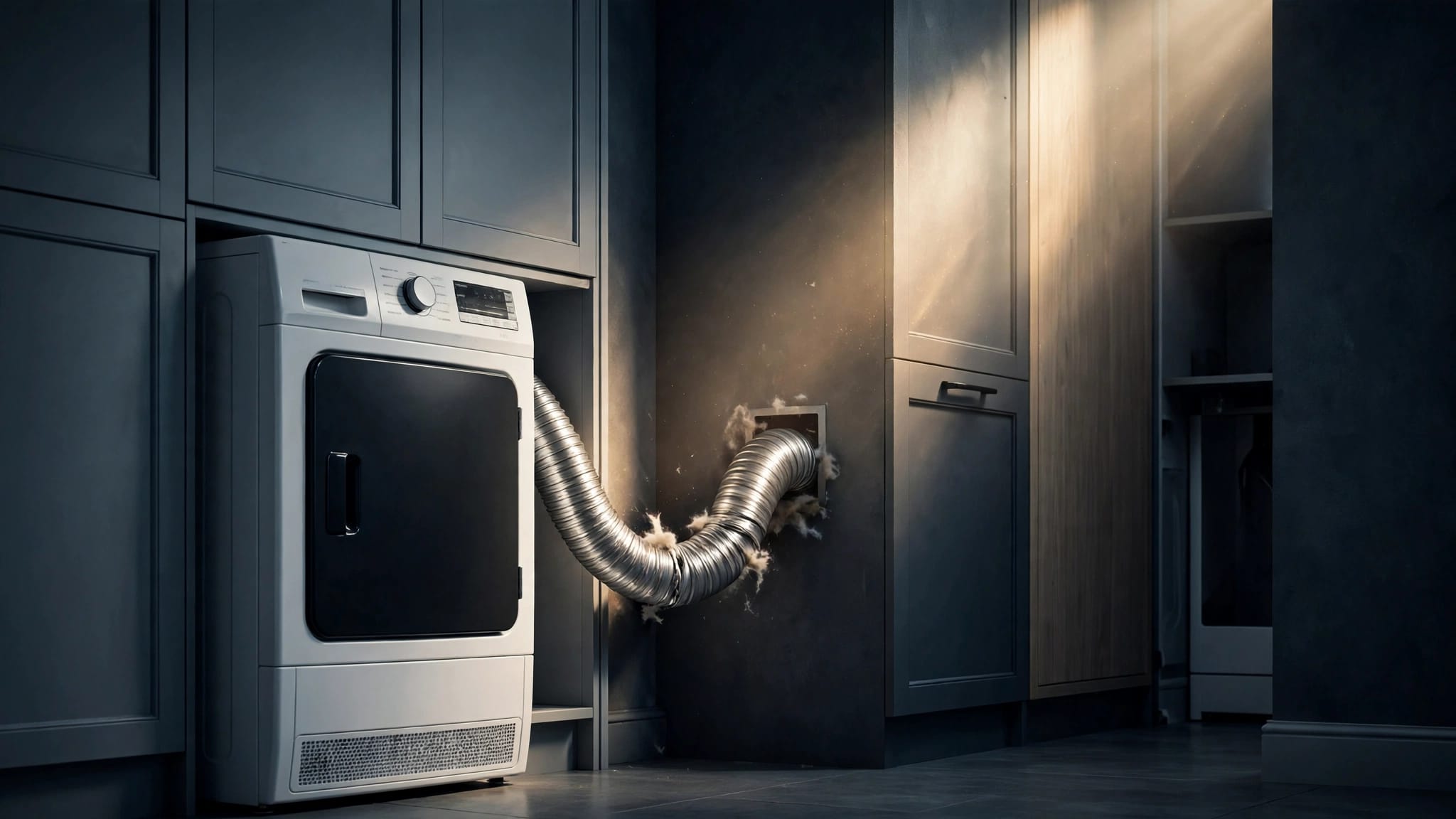
Air ducts move conditioned air through the home. A dryer vent carries warm, moist exhaust and lint outdoors. The two systems need different inspections and cleaning methods.
| Service | Can remove | Cannot fix |
|---|---|---|
| Air duct cleaning | Settled dust, pet dander, loose debris, and accessible residue inside the HVAC system | Moisture sources, duct leaks, HVAC failures, hazardous materials, or new dust entering later |
| Dryer vent cleaning | Lint and debris restricting the exhaust path between the dryer and exterior outlet | A failing dryer, crushed vent pipe, poor installation, blocked exterior hood, or lint that collects after future loads |
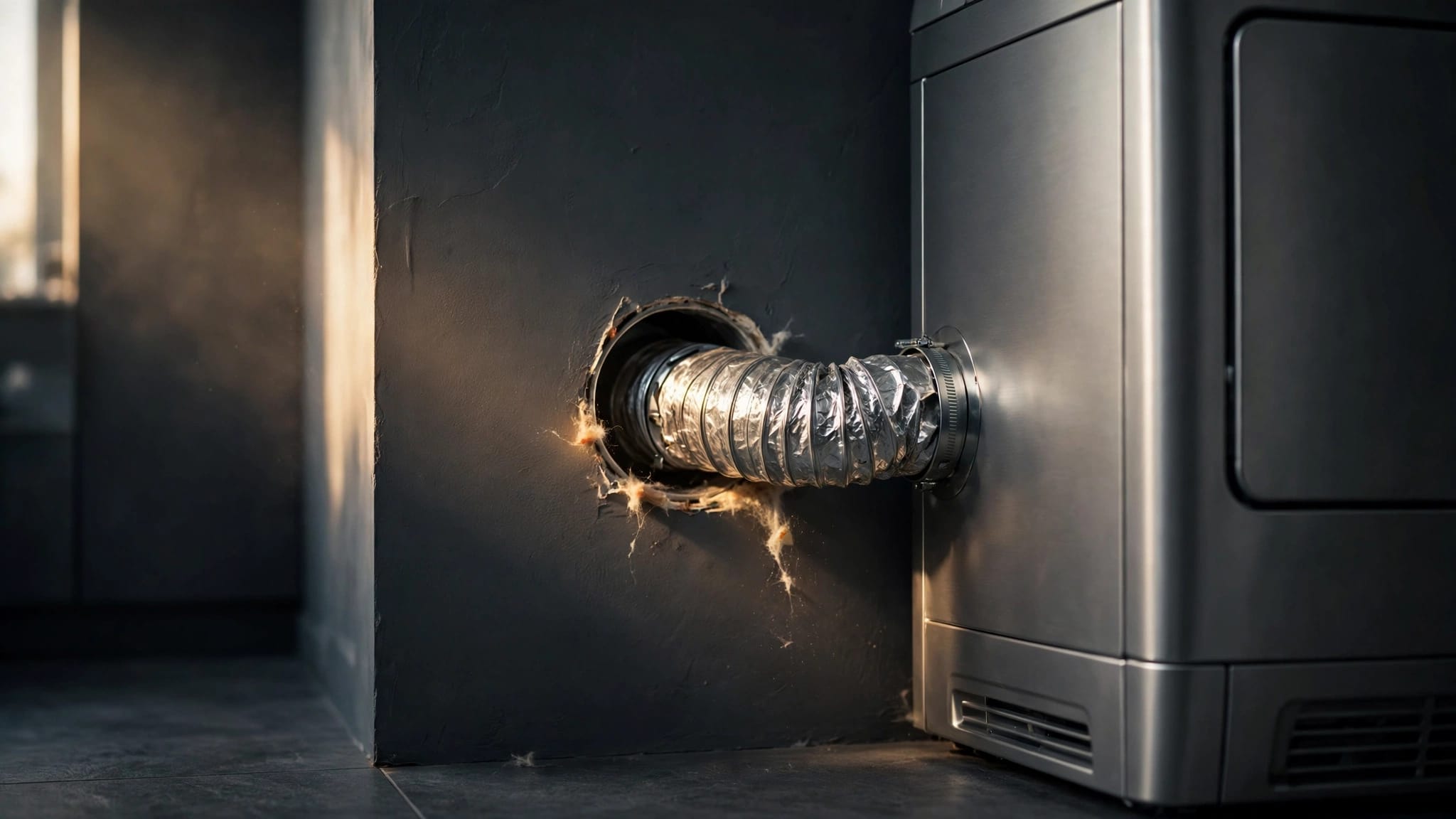
A dryer vent cleaning can improve airflow through the exhaust path when lint has built up. It doesn't eliminate the need to clean the dryer's lint screen after every load. It also can't repair a vent that is too long, sharply bent, disconnected, or crushed behind the appliance.
Watch for clothes taking longer to dry, a dryer cabinet that feels unusually hot, or lint collecting around the outside vent. Those signs deserve attention even when the indoor air ducts look clean.
Some properties need both services, especially after construction, a move into an older home, or a long period without maintenance. Ask the company to inspect each system separately rather than treating them as one job.
How to plan a useful cleaning service
A good result starts with a clear scope. Before approving work, take these steps:
- Ask the technician to inspect the system and show you the contamination that supports cleaning.
- Confirm whether the estimate includes supply ducts, return ducts, grilles, the air handler, and accessible HVAC components.
- Discuss mold, moisture, pests, smoke odor, or renovation debris before work begins.
- Ask which repairs or follow-up services fall outside the cleaning price.
A written estimate should identify extra charges and explain whether sanitizer, microbial treatment, or odor treatment is optional. Those products have different uses, and none can compensate for missed debris or an unresolved leak.
For more help comparing providers, review these questions to ask duct cleaners. When the scope is clear and the problem fits the service, you can Get a Free Estimate for air duct or dryer vent cleaning.
Conclusion
Air duct cleaning can remove loose dust, pet dander, renovation debris, and other contamination already inside accessible parts of the HVAC system. It can't cure moisture, repair duct damage, remove hazardous materials, or prevent new particles from entering the home.
The strongest results come when cleaning is matched to a real cause, such as visible debris, pest activity, mold connected to a correctable moisture problem, or post-renovation contamination. A clean duct system helps, but lasting indoor air improvements depend on the filter, airflow, humidity, and condition of the entire HVAC system.