Cleanroom HVAC Ducts: Planning for Containment
Cleaning cleanroom HVAC ducts requires a plan that controls where loosened debris goes and which spaces the work can affect. The right scope starts with an inspection, then accounts for shared ductwork, airflow paths, access, and the contamination found.
A dusty grille alone doesn't establish that an entire system needs cleaning. Containment matters because opening or disturbing one duct section can affect areas beyond the immediate work site.
Start With the Contamination and Its Location
A cleaning plan should identify what is present, where it is, and how it may have entered the system. Construction dust in one branch calls for a different response than wet insulation or suspected microbial growth inside an air handler.
Localized debris may call for a limited scope
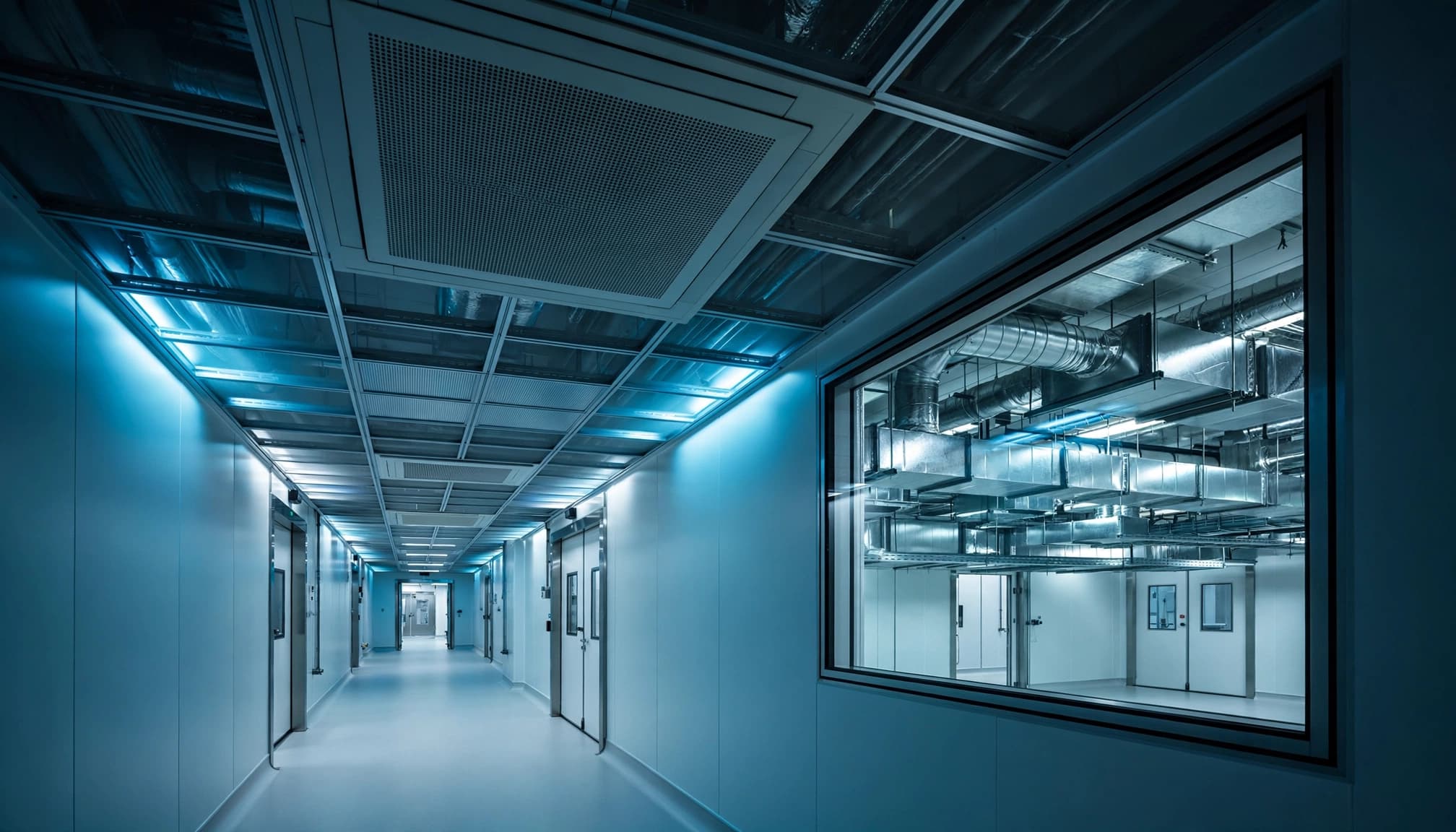
Visible debris inside an accessible duct, diffuser, or plenum gives the inspection a starting point. The team can trace the affected run and examine connected components rather than assuming every branch needs the same treatment.
A shared trunk or return path may still extend the scope. Our article on how zoning affects air duct cleaning describes this general principle in residential systems. A cleanroom plan also needs to account for the facility's own controls and operating requirements.
Moisture and damaged materials change the job
Loose debris may be removable, but cleaning won't repair a leak or restore wet insulation. If moisture remains, contamination can return. Porous liner that has absorbed water or microbial contamination may require replacement or specialized remediation.
Pause work around exposed wiring, wet electrical areas, loose insulation, or a damaged drain pan. Suspected hazardous materials also require qualified assessment before anyone disturbs them.
Map the System Before Setting the Sequence
The cleaning boundary should follow the actual duct network, not only the walls around the room where debris was found. A room can share equipment or duct sections with spaces that aren't scheduled for cleaning.
Trace supply, return, and shared equipment
Identify the air handler, supply trunks, branches, return paths, plenums, and accessible components connected to the affected area. Note where dampers and access panels are located, along with any shared sections serving adjacent rooms.
The map should show airflow direction during normal operation and the planned equipment connections during cleaning. These details help the team avoid pushing loosened material toward an occupied space or a section that has already been cleaned.
If the facility has multiple air handlers, treat each system as a separate planning question. A shared building doesn't mean every duct connects to the same equipment.
Agree on the work boundary
The written scope should name the sections to be cleaned and the components excluded. It should also identify whether grilles, diffusers, blower compartments, coils, and accessible cabinet surfaces are included or require separate service.
Include inaccessible runs in the discussion. A proposal that says "duct cleaning" doesn't establish how much of the system the crew can reach.
Isolate the Work and Protect Nearby Spaces
Containment begins before a duct is opened. The cleaning crew and facility team need to agree on which equipment can be stopped, which areas must remain protected, and how workers and tools will enter the work area.
Separate the cleaning area
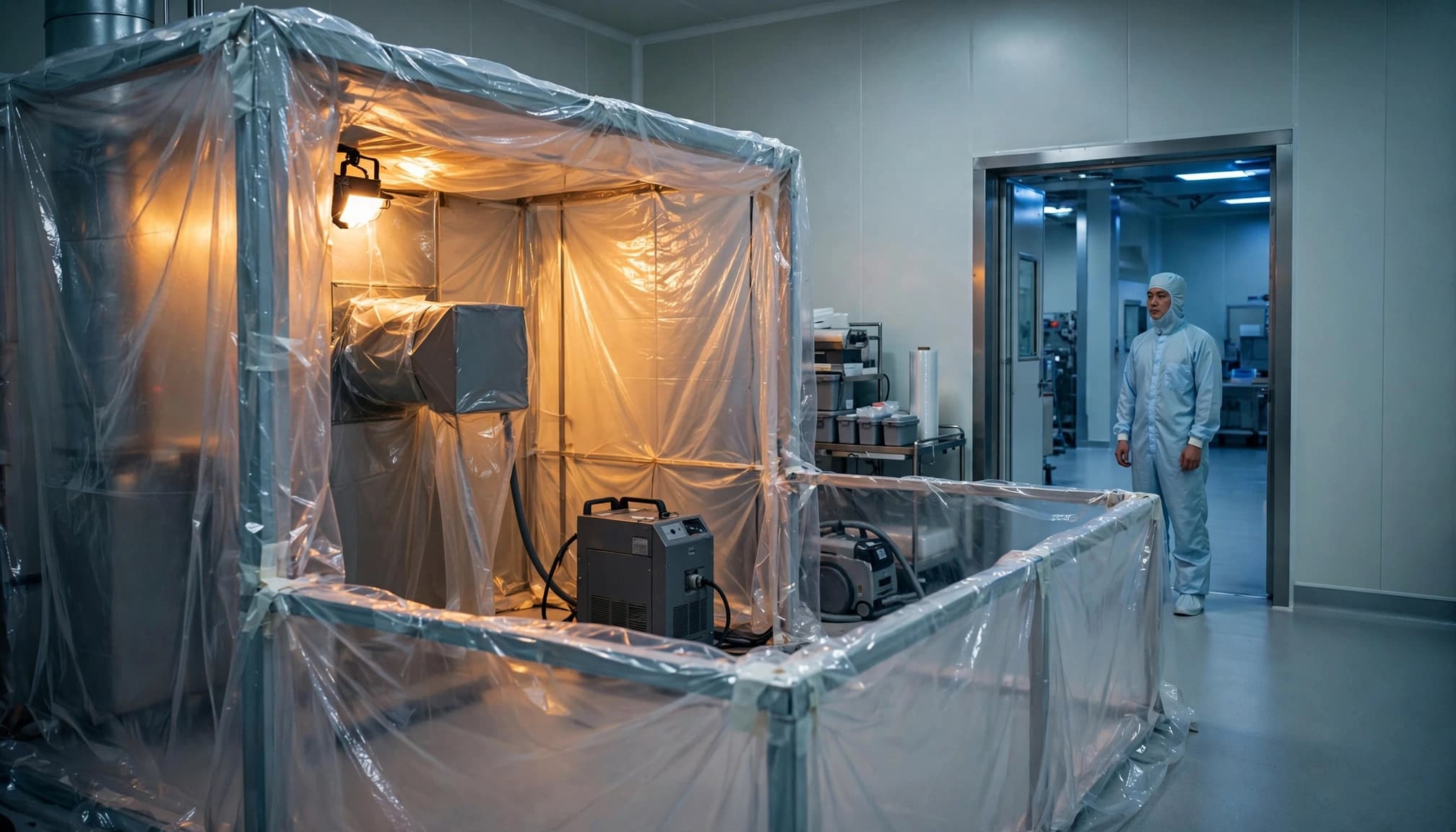
Depending on the system and access location, the setup may include temporary barriers, covered openings, sealed duct sections, and a dedicated collection connection. Supplies and equipment should be staged so they don't introduce debris into protected areas.
Adjacent rooms deserve attention even when no one is working inside them. A connection through a shared trunk, ceiling space, or return path can make those rooms part of the containment plan.
Control debris at the source
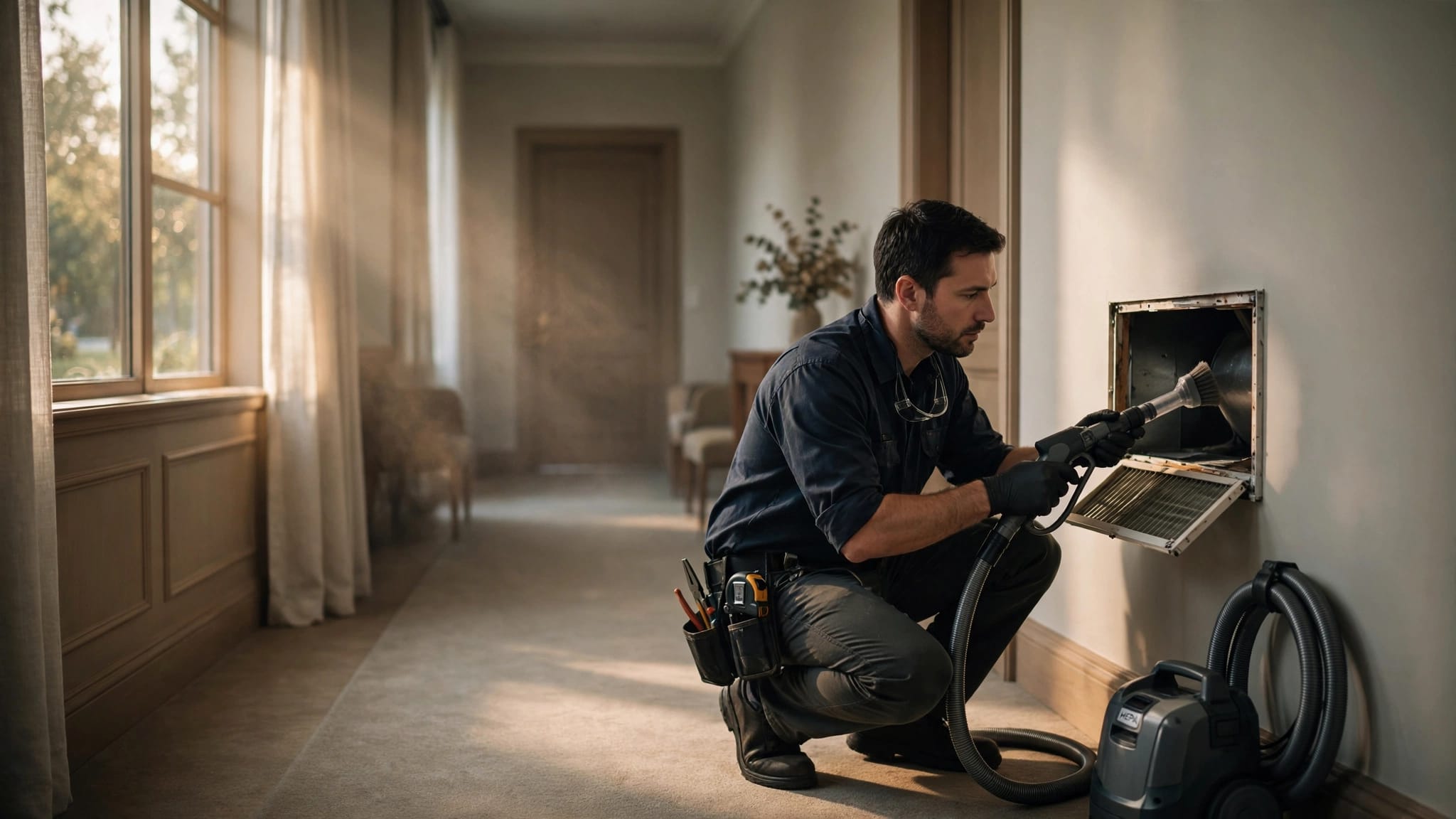
Professional duct cleaning can use a collection unit connected to an access point while suitable tools loosen material inside the duct. Controlled negative pressure helps draw that debris toward the collection equipment.
Our explanation of negative-pressure duct cleaning describes the general collection method. For a controlled facility, the setup must fit the work boundary and the material being removed.
Choose Access Points Without Creating New Problems
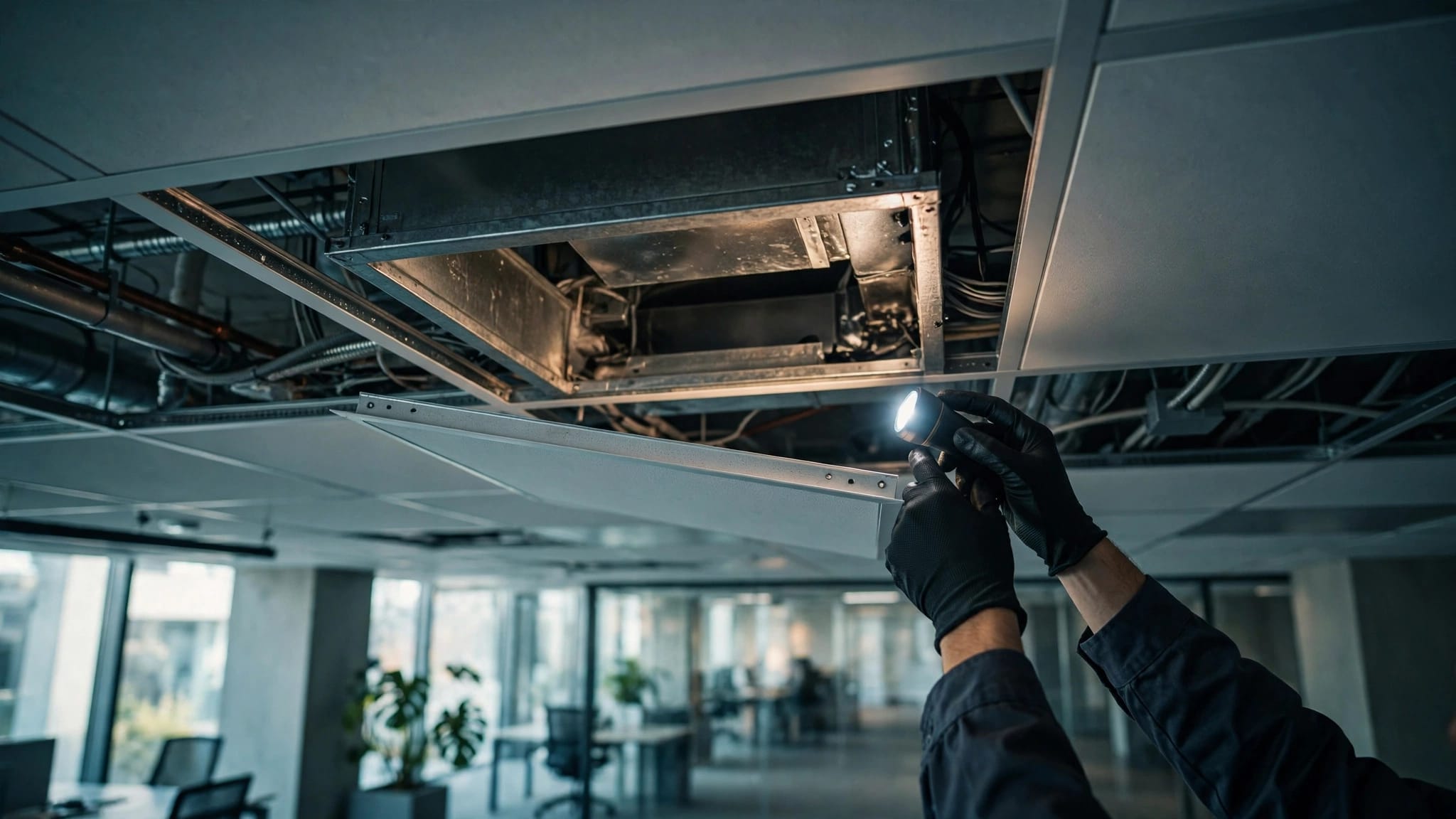
Existing service panels can reduce the need to open ductwork, but they don't always provide enough reach. A crew may need access near a trunk, branch, plenum, or air handler to clean and inspect the agreed area.
Each opening should have a purpose. Before work begins, the plan should identify where equipment will connect, how technicians will reach bends and branch connections, and how openings will be closed after cleaning.
Access also affects what can be documented. Before-and-after photos may be possible near a panel or inside a reachable plenum. Other sections may remain out of view, and the service record should identify those limits.
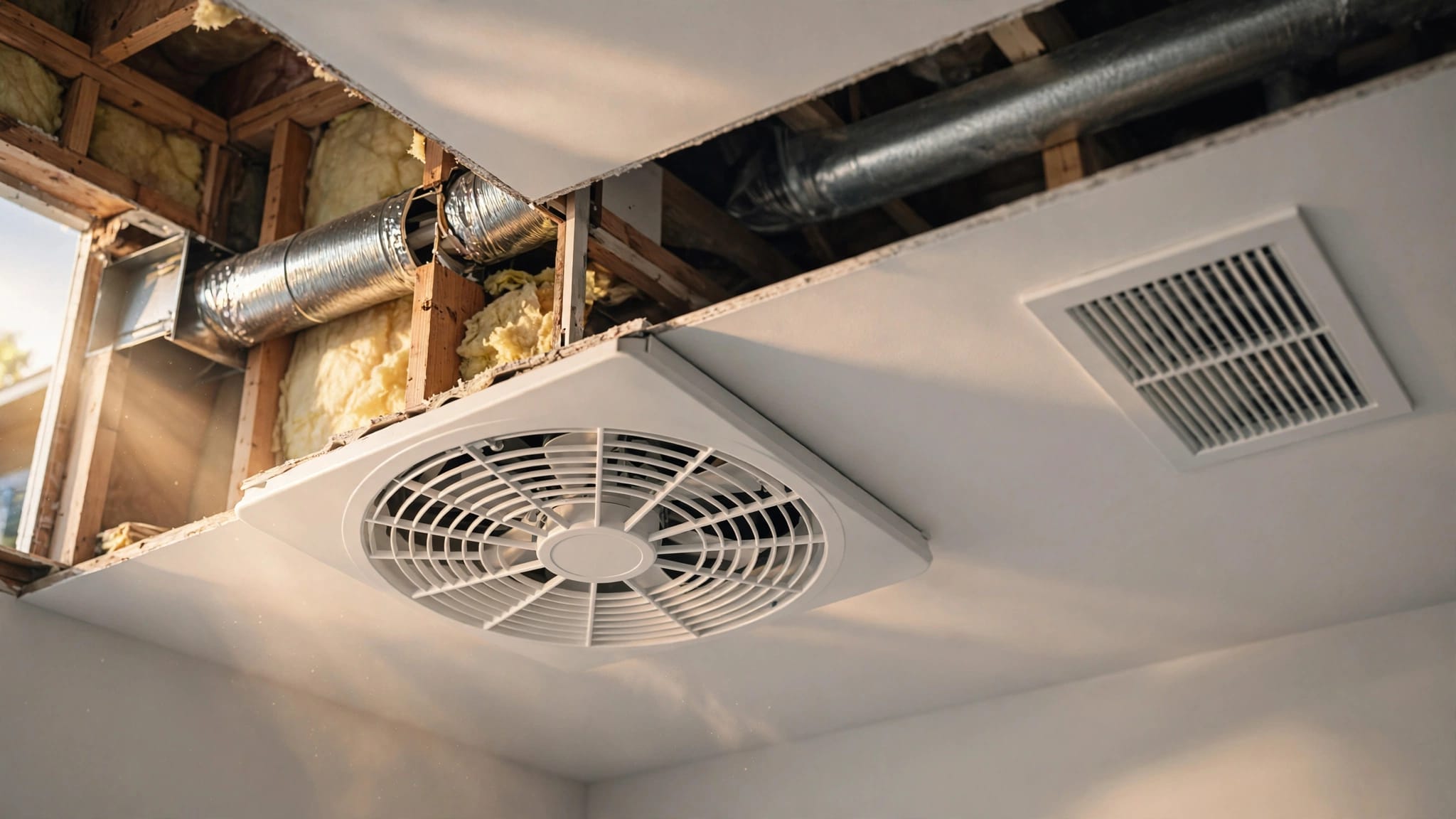
Damaged ductwork changes the plan. A disconnected section, deteriorated liner, or crushed flexible run may need repair or replacement rather than more aggressive cleaning.
Match the Cleaning Method to the Duct
A useful plan names the cleaning method for each material and condition. It also separates cleaning from repairs and other services.
Use agitation that suits the surface
Rigid metal ductwork can often tolerate controlled brushing or air-washing tools. Flexible ducts and lined sections need greater care because aggressive tools can tear, collapse, or dislodge material.
Technicians should clean the accessible path included in the scope, rather than wiping only the visible face of a grille. At the same time, they should stop if a tool snags, a surface breaks down, or the duct cannot withstand the planned method.
Keep removal separate from treatments
A filter change doesn't remove material already settled inside ductwork. Likewise, a sanitizer or microbial treatment doesn't replace physical removal or correction of a moisture source.
Our guide to what air duct cleaning can remove explains the limits of cleaning. For a controlled facility, any proposed treatment should be a separate, clearly described part of the scope.
Set a Sequence That Avoids Recontamination
The order of work depends on the contamination, system layout, access, and facility schedule. There isn't one sequence that fits every controlled space.
A crew may work on a contained section, collect loosened material, close that section, and move to the next. If returns and supplies are both included, the team should agree on their order before work starts. Residential guidance often addresses returns before supply branches, but a cleanroom's shared paths and operating constraints can require a different plan.
The sequence should also account for other work in the facility. For example, cleaning ducts before a nearby dusty construction task is finished can expose the system to fresh debris. Coordinate the duct work with the people responsible for that activity and the final cleanup.
At each handoff, document what has been completed and what remains open. That helps prevent a cleaned section from being disturbed again during work on a connected branch.
Adapt the Plan to Each Facility and Zone
Two rooms in the same building can have different contamination concerns. A space near construction may need an inspection for fine debris, while another area may require attention after a water event.
Shared systems need a wider view
Where several rooms use a common trunk or return, the work plan should show which connected spaces could be affected. A branch may be the cleaning target, but the collection setup and temporary protection may extend beyond that branch.
The facility team should identify equipment or activities that cannot be interrupted. This helps establish a workable boundary and schedule before the cleaning crew arrives.
Separate systems need separate scopes
A facility with more than one air handler may need different access points, collection setups, and service records for each system. One unit may have visible construction debris while another shows no reason for the same level of work.
That distinction keeps the estimate tied to the inspection. It also gives the facility a clear record of which ducts and components received service.
Document What Was Cleaned and What Still Needs Work
After cleaning, the service record should identify the sections reached, the methods used, and any limitations. Before-and-after photos are useful where access allows them, especially inside plenums, access openings, and visible duct sections.
The crew should also document openings made for the job and how they were closed. If a damaged liner, wet component, or inaccessible branch remains, that belongs in the report rather than being hidden under a broad "system cleaned" description.
A final walkthrough gives the facility and contractor a chance to review the completed scope and any separate repair recommendations. Cleaning may remove settled debris, but it won't seal a leaking duct, fix a drain problem, or correct the source of recurring moisture.
A Practical Cleanroom Duct-Cleaning Checklist
Use this list when planning the work with the facility team and cleaning provider:
- Identify the contamination and the affected duct sections through inspection.
- Map connected supply and return paths, shared equipment, dampers, and adjacent spaces.
- Define the cleaning boundary, access points, exclusions, and equipment connections.
- Plan temporary barriers and debris collection before opening the system.
- Match agitation tools to the duct material and condition.
- Pause for unsafe electrical conditions, wet materials, suspected hazards, or damaged ductwork.
- Record cleaned areas, closed openings, photos where possible, and unresolved repairs.
- Coordinate the sequence with facility operations and other dust-producing work.
A Plan Built Around the Actual System
Cleanroom duct cleaning starts with the evidence inside the system and follows the paths that connect it to nearby spaces. A clear scope and a contained collection method help keep loosened debris from becoming a problem elsewhere.
At Adkins Duct Cleaning, we recommend inspecting conditions before deciding how much cleaning is needed. If you're planning air duct service, Get a Free Estimate to discuss the work.