How Negative Pressure Air Duct Cleaning Works
Dust around your vents doesn't always stay on the surface. Some of it travels into the return system, settles in the air handler, and gets redistributed each time the blower runs. Negative pressure air duct cleaning removes that buildup by pulling contaminated air and loosened debris toward a powerful collection unit.
The process combines controlled suction with brushes, air whips, and careful access to the duct system. Results depend on what is inside the ducts, how much contamination has collected, and whether other HVAC problems are present. The process starts with one basic goal: keep debris moving toward the vacuum instead of into your home.
Key Takeaways
- Negative pressure creates airflow toward a sealed vacuum collection system.
- Technicians loosen debris before suction removes it.
- Proper cleaning covers accessible supply ducts, return ducts, and selected HVAC components.
- Duct cleaning may help when contamination restricts airflow or circulates through the home, but results aren't guaranteed.
- Homeowners should ask about equipment, containment, the exact cleaning scope, and added treatments.
What Negative Pressure Means in Air Duct Cleaning
Negative pressure means the pressure inside part of the duct system is lower than the surrounding room. A high-powered vacuum creates this pressure difference by drawing air out of the ductwork. As a result, air flows toward the vacuum connection.
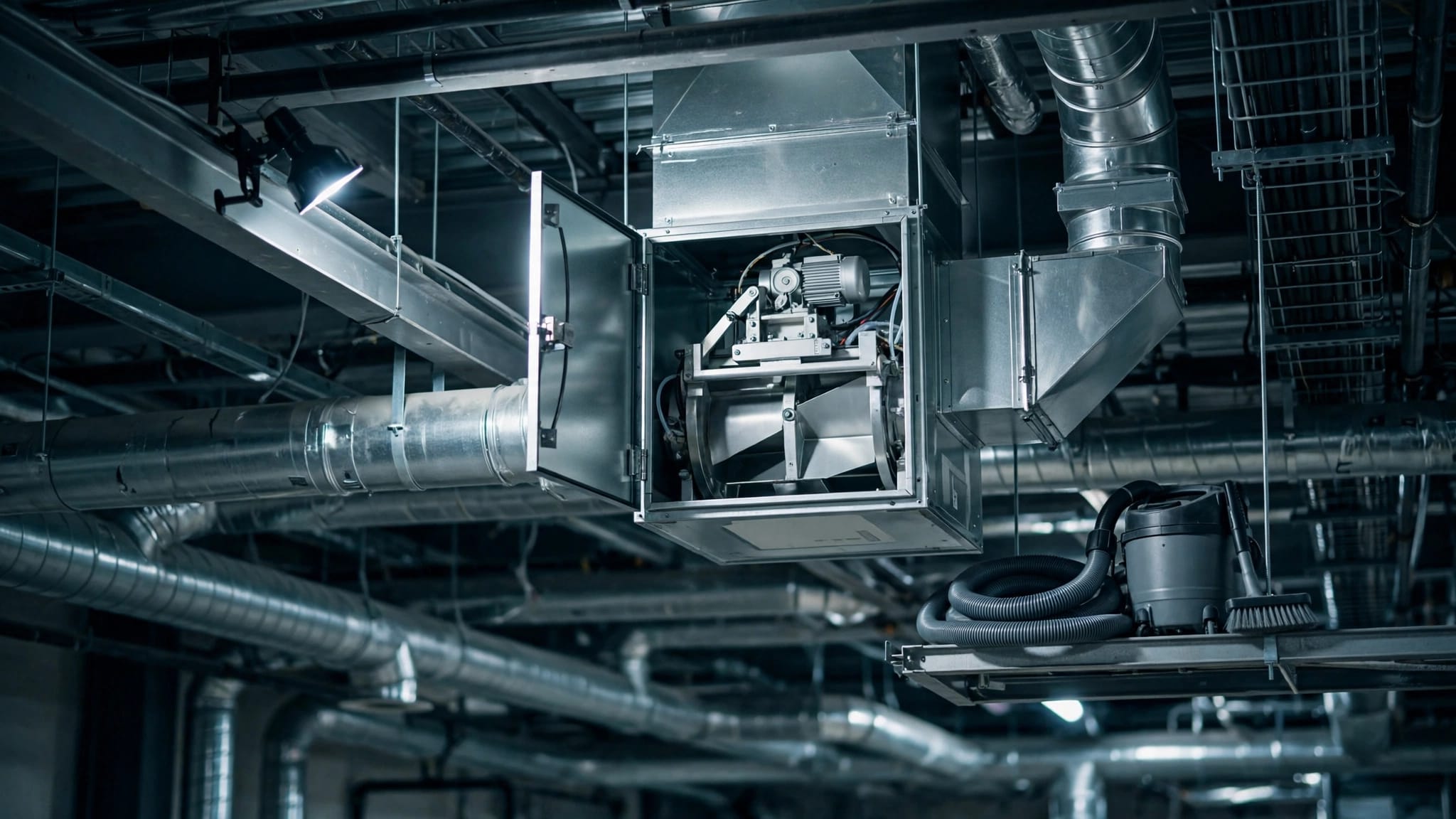
A professional crew usually connects a large vacuum hose to the main supply or return trunk. Depending on the HVAC layout, technicians may use an access opening, an existing service panel, or a temporary opening that they seal after cleaning. The vacuum may sit outside the home or in a service vehicle.
The suction alone doesn't remove every layer of dust. Duct debris can cling to metal, flex duct liners, dampers, and corners. Technicians use mechanical agitation, compressed air tools, or a contact vacuum to loosen that material. The negative pressure then carries the loosened particles into the collection system.
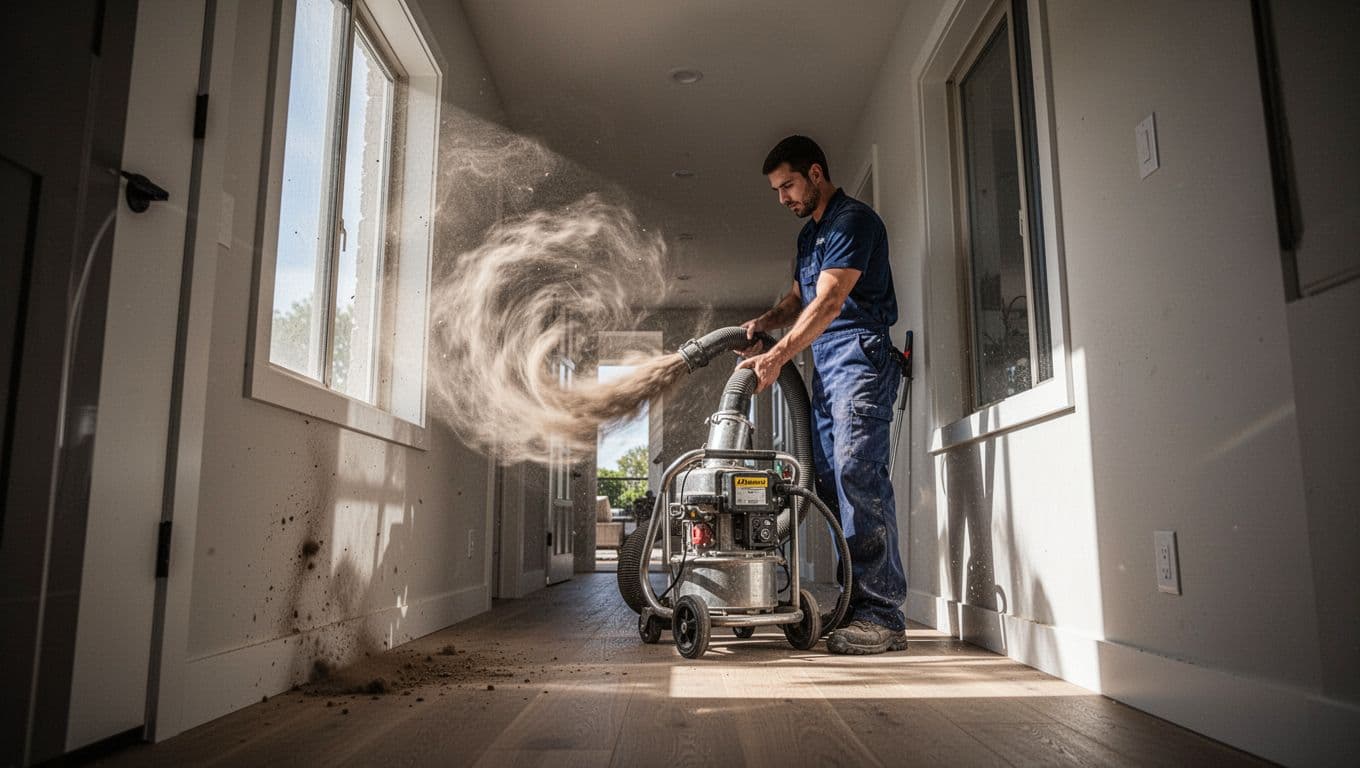
Negative pressure controls where loosened debris goes: toward the collection unit rather than back into the living space.
Technicians also protect the area around each register and service opening. They may cover furniture, seal grilles, and use drop cloths around the air handler. These steps matter because cleaning can disturb settled dust before the vacuum captures it.
The method works best when the vacuum has enough airflow for the size and design of the system. A small household vacuum can't provide the same collection capacity or filtration as professional duct-cleaning equipment.
How the Cleaning Process Works Step by Step
The exact method varies with the home's duct design, but a thorough cleaning usually follows a sequence like this:
- The technician inspects the HVAC system. The visit should begin with a visual inspection of the air handler, accessible ducts, registers, filter area, insulation, and visible signs of moisture or damage. The technician also identifies the supply and return sides of the system.
- The system is prepared and protected. The HVAC equipment is turned off while connections are made. Registers and openings may be covered, and the work area is protected from dust. If the system has damaged insulation, leaks, or fragile flexible ducts, the technician should discuss those conditions before using aggressive tools.
- The vacuum is connected to the ductwork. A large hose attaches to the main trunk or another suitable point. The connection is sealed so the vacuum pulls air through the intended duct paths instead of drawing air from gaps around the opening.
- Negative pressure is established. The collection unit starts pulling air from the duct system. Technicians may isolate sections by closing or sealing registers and dampers. This helps direct suction through individual branches instead of allowing air to take the easiest route.
- Debris is loosened inside each section. The technician works through supply and return openings with tools suited to the duct material. Rotating brushes can scrub certain rigid surfaces, while air whips or skipper balls can move through sections and break up dust. Flexible ductwork requires more care because excessive force can damage its inner liner.
- The air handler receives separate attention. Depending on the agreed scope, the crew may clean the blower compartment, blower wheel, accessible coil surfaces, drain pan, and filter housing. These parts can hold contamination even after the ducts look clean. A coil that needs detailed cleaning may require a separate HVAC service.
- The system is inspected and restored. After cleaning, the technician replaces or reseals access panels, reinstalls registers, checks the filter, and removes protective coverings. Photos can help document areas that were difficult to see before or after service.
The vacuum should run while technicians agitate the ducts. That timing keeps dislodged material moving toward the collection equipment. If a crew uses brushes without maintaining proper suction, dust can spread through the system or enter the room.
A complete service also depends on access. Some sections may sit behind walls, above finished ceilings, or inside sealed chases. A provider should explain which areas were reachable and which were not. No cleaning method can remove contamination from a section that the equipment cannot access.
What Homeowners Can Expect After Cleaning
Air duct cleaning can reduce the amount of loose dust inside contaminated ductwork. It may also reduce the amount of debris available for the blower to redistribute. However, duct cleaning doesn't remove every indoor air pollutant, and it doesn't replace regular filter changes, moisture control, or HVAC repairs.
Some homeowners notice less dust around registers or improved airflow after service. That is more likely when heavy buildup blocked part of the system or when the blower wheel and return path also needed cleaning. A clean duct system alone won't correct a crushed duct, undersized return, failing blower motor, or air leak.
Indoor air quality results also depend on the source of the problem. Pet dander, smoke residue, outdoor pollen, construction dust, and moisture-related growth require different responses. Cleaning may remove settled material, but it won't stop new contamination from entering through leaks, open windows, dirty filters, or an ongoing moisture problem.
Microbial treatments require extra care. If a technician finds suspected mold or another biological concern, ask whether the source of moisture has been corrected and whether the proposed product is approved for that use. Spraying a sanitizer into dirty ducts without removing the buildup or fixing moisture doesn't solve the underlying condition.
The same principle applies to odors. Cigarette smoke, cooking odors, and musty smells can remain in insulation, upholstery, wall cavities, or the air handler. Duct cleaning may reduce odor residue in the system, but it can't guarantee complete odor removal when other materials are involved.
When Air Duct Cleaning May Be Appropriate
The Environmental Protection Agency does not recommend routine duct cleaning for every home. Many systems collect some dust without causing a problem. Cleaning makes more sense when there is a clear reason to inspect or remove contamination.
Consider getting an evaluation when you see substantial dust or debris blowing from supply registers, find visible buildup inside accessible duct sections, or notice contamination around the blower compartment. Service may also be appropriate after major remodeling, especially when drywall dust or other construction debris entered the HVAC system.
Water damage, pest activity, and musty odors also justify an inspection. These problems can affect duct insulation and other HVAC components. A technician should identify the affected area before recommending cleaning, replacement, or a separate remediation service.
Cleaning may be less useful when the complaint is simply frequent dust. In that case, check the filter size and fit, confirm that return grilles seal properly, and look for leaks or gaps in the ductwork. Poor ventilation, high indoor humidity, and outdoor air intrusion can also affect comfort and air quality.
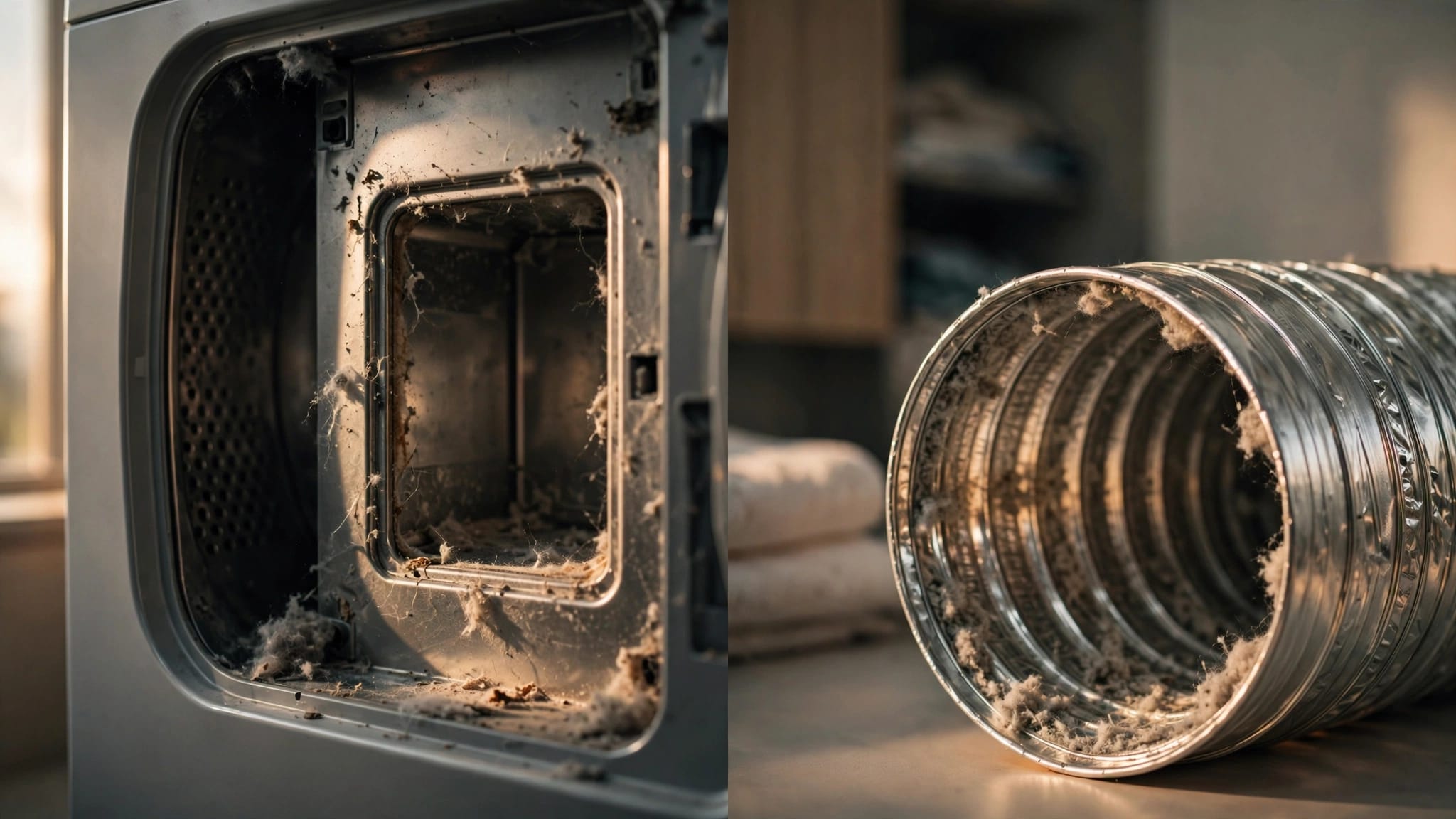
Dryer vents are separate from heating and cooling ducts. A blocked dryer vent needs its own inspection and cleaning because lint follows a different path and can restrict exhaust airflow. If you are scheduling both services, ask the provider to describe each scope separately.
Questions to Ask Before Hiring a Duct Cleaner
Ask how the provider will create negative pressure and where the vacuum will connect. A clear answer should include the collection equipment, the duct sections they plan to access, and how they will keep dust contained. Be cautious when a company offers a quick treatment without inspecting the HVAC system.
Request a written scope of work. It should state whether the price covers supply ducts, return ducts, main trunks, branch lines, registers, the air handler, blower compartment, and coil area. These components don't all receive the same cleaning, so a low initial price may not cover the parts you expect.
You can also ask what tools the crew will use for your duct material. Brushes and compressed-air tools can be useful, but the method should match the condition and construction of the system. Ask how the company protects flexible duct liners and what happens if technicians find damaged insulation or inaccessible sections.
Find out whether the vacuum uses high-efficiency filtration and whether the technician will provide before-and-after photos. Ask about access openings, sealing materials, filter replacement, and cleanup. If a microbial treatment or deodorizer is recommended, request the product name, its intended use, and the reason it belongs in your system.
Finally, confirm insurance, technician experience, the total estimate, and possible add-on charges. Fort Myers-area homeowners can explore Adkins duct cleaning services to compare air duct cleaning with related indoor air quality services. When you know the condition of the system and the work included, you can make a better decision than relying on a low advertised price.
Conclusion
Negative pressure air duct cleaning works by creating controlled suction, loosening settled debris, and directing that material into a filtered collection unit. The process can help when contamination is present, but it won't repair leaks, correct moisture, or solve every indoor air quality complaint.
Before scheduling service, ask what the technician will clean, how the system will be protected, and what results are realistic. If your home needs an evaluation, you can Get a Free Estimate for air duct or dryer vent cleaning. A careful inspection is the best starting point for deciding whether cleaning is appropriate.