A Florida Retailer's Pre-Holiday HVAC Dust Checklist
Before holiday traffic peaks, use this HVAC maintenance checklist for safe, visible checks. In Florida, these checks help keep customers comfortable and support indoor air quality.
Check the filter, accessible vents, and outdoor unit, then keep up with routine surface cleaning during the season. Schedule professional maintenance before the rush, and base duct cleaning on visible evidence, not dust on a grille alone.
Key Takeaways
- Before holiday hours, check accessible filters and replace them according to their maintenance schedule.
- Keep reachable surfaces and vents clear, and reduce dust on floors and accessible fan blades.
- Leave air handlers, coils, electrical parts, and refrigerant components to qualified HVAC professionals.
- Consider duct cleaning only when an inspection or clear evidence shows it's needed, and request a defined scope that covers air-handler components that can return dust to the airflow.
Check filters before holiday hours
A clogged air filter can make the system work harder. Assign a staff member to inspect filters monthly during peak use, but only if the filter is safely accessible under store procedures. Otherwise, have building maintenance or an HVAC professional handle filter replacement according to the manufacturer's schedule. Staff shouldn't open equipment panels. In Florida, long cooling seasons, open doors, nearby construction, pets in adjacent spaces, and coastal grit can load filters sooner.
Match the interval to the filter
Use these filter replacement intervals as starting points during heavy use:
- Standard 1-inch filters: every 30 to 60 days .
- Pleated filters: every 60 to 90 days .
- 4-inch media filters: every 6 to 9 months .
Check an air filter monthly, even when it isn't due for replacement. Hold it up to a light; if light doesn't pass through, replace it. Follow the equipment manual and maintenance plan for the replacement schedule. A filter that loads unusually fast can point to high dust levels, a return leak, or another system issue.
Choose a MERV rating the system can handle
MERV 8 to 13 covers a useful range for dust control in many residential systems, but retail equipment may have different requirements. A MERV rating of 8 to 11 often balances filtration with system needs. Higher ratings can create excess resistance if a system isn't designed for them, so follow the equipment manual and maintenance plan before changing the rating. A filter that bows, whistles, or reduces airflow needs professional attention, not a denser replacement by guesswork.
Clean accessible vents and return grilles
Dust on a grille doesn't prove that the ductwork is dirty. Wiping visible surfaces can improve the store's appearance and remove loose dust, while deeper contamination may need professional inspection.
Wipe covers and clear airflow paths
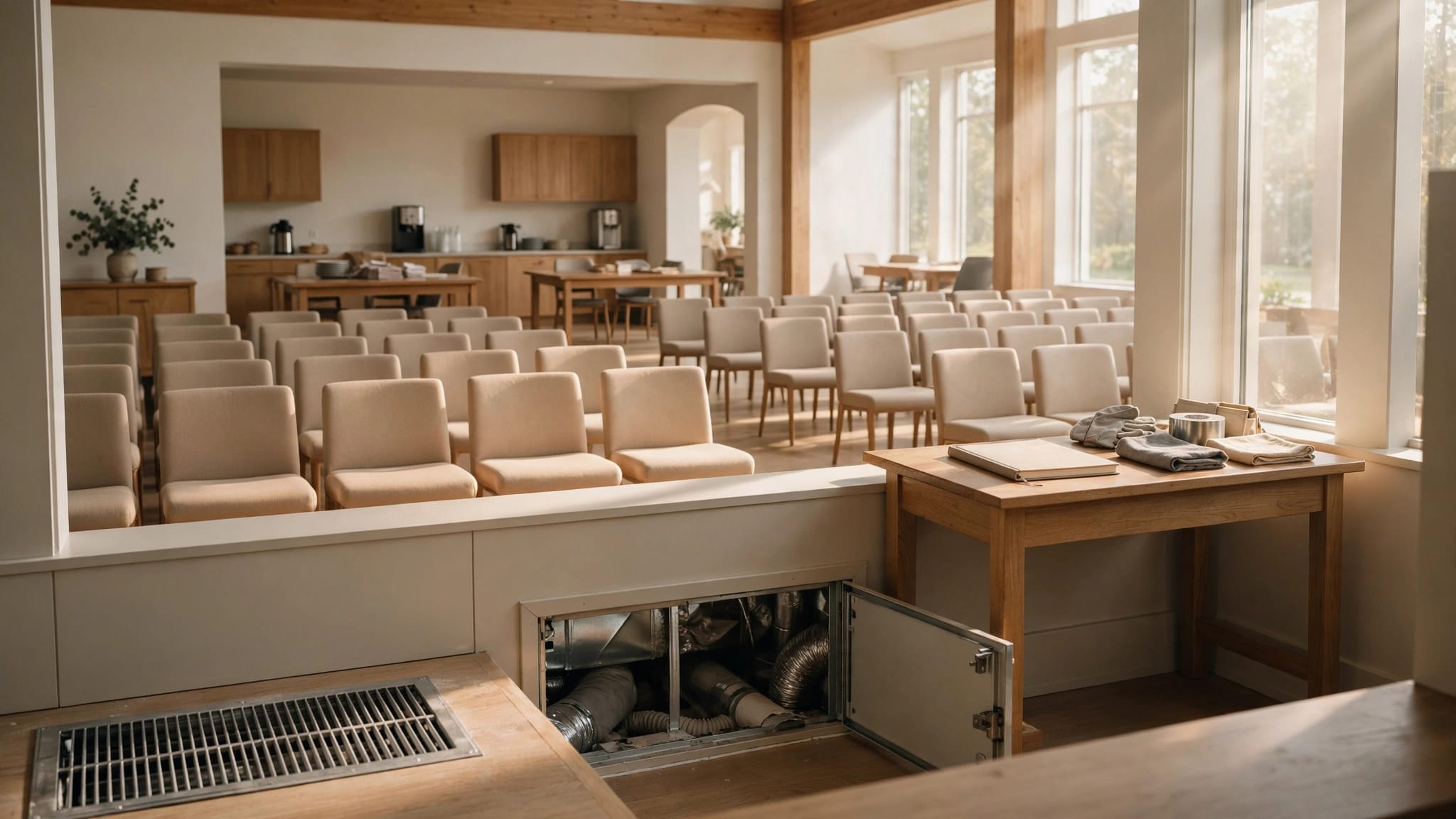
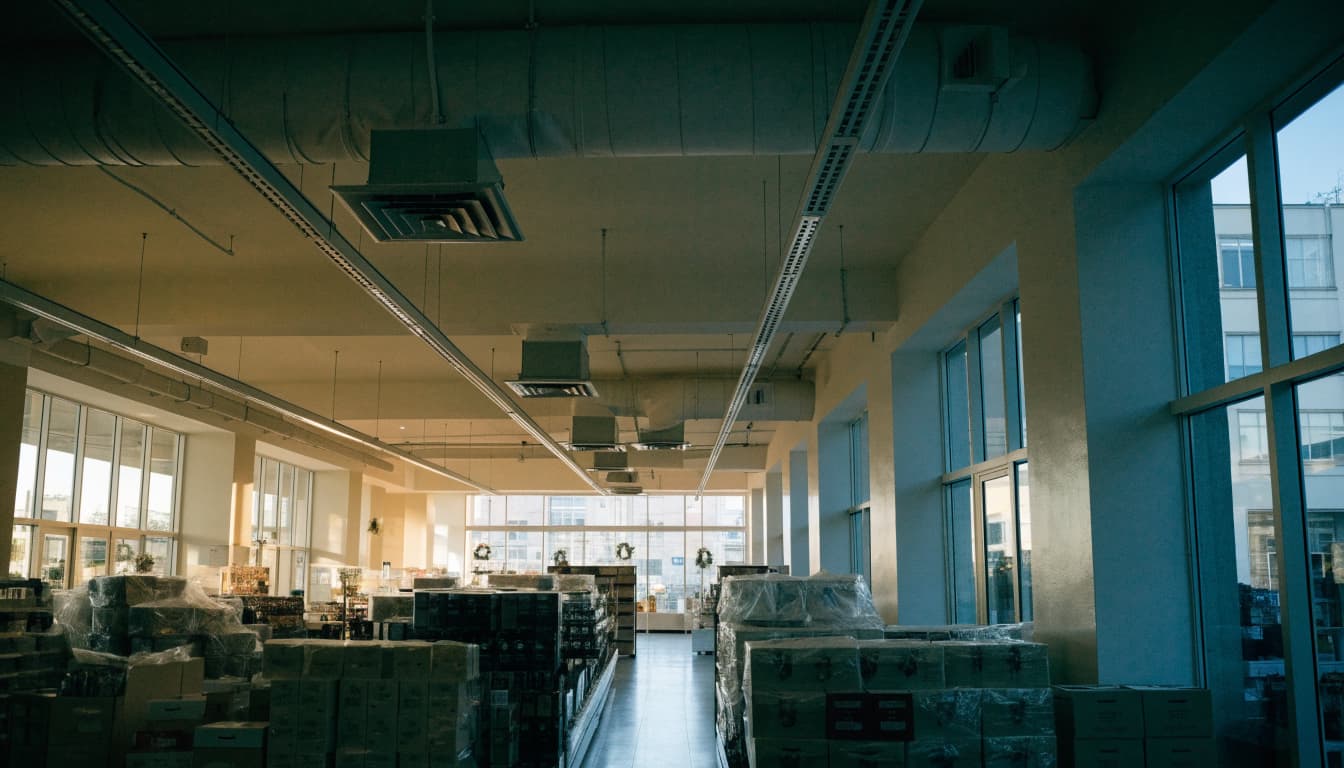
Weekly, or more often if dust is visible, wipe reachable vent and return-grille faces with a damp cloth. Keep shelves, seasonal displays, furniture, and rugs clear of supply and return vents. Blocked vents can affect airflow and comfort across the sales floor.
Keep cleaning surface-only
Don't insert a vacuum hose into an opening, reach beyond visible surfaces, remove equipment panels, or use an unapproved ladder.
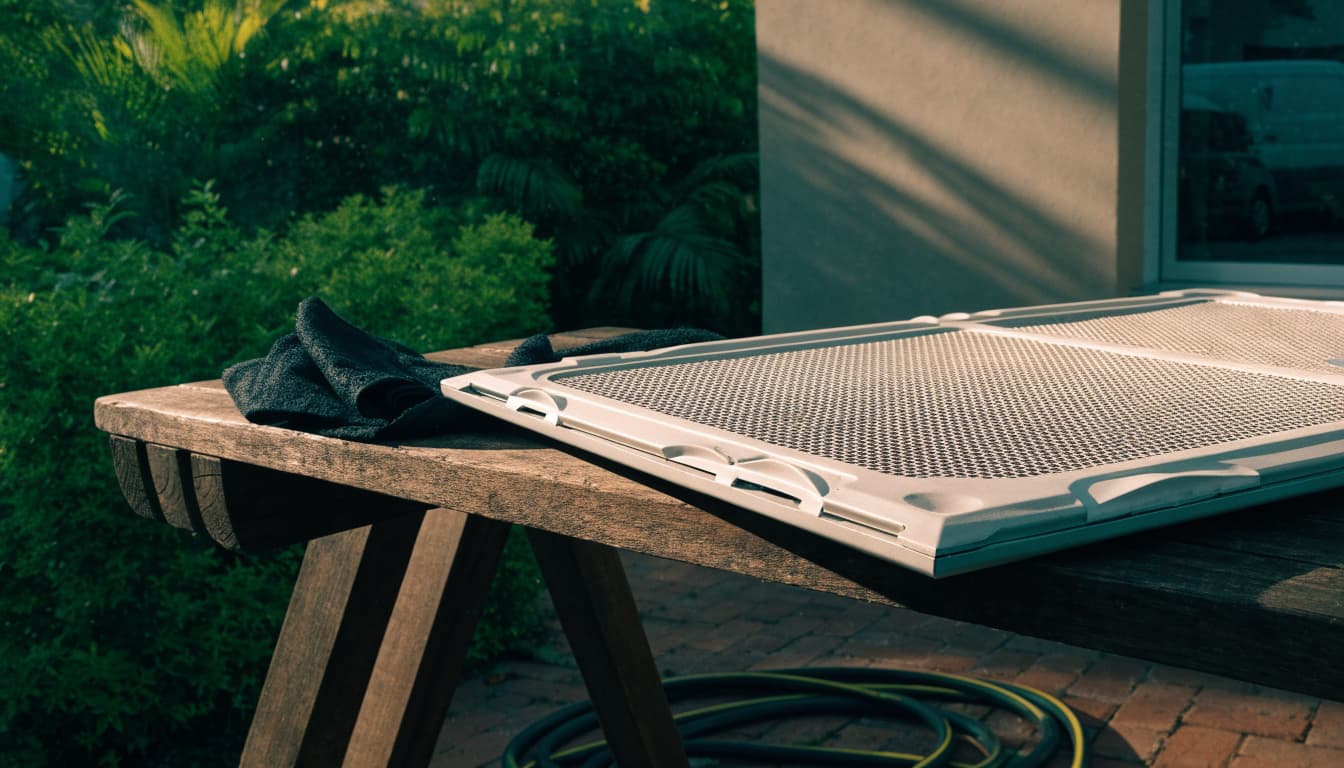
For a dirty register, routine cleaning may be enough. If you're deciding between air duct register cleaning and full-system service, the key question is whether dust is limited to the visible surface or continues into the system.
Lower the dust load inside the store
Dust accumulation varies with foot traffic, deliveries, open doors, floor coverings, and renovation work, so no single cleaning schedule fits every retail space. Dust buildup often collects near entrances, display areas, and HVAC filters.
Clean fans and floors
Vacuum entrances and display areas regularly to keep settled dust from circulating when customers walk through. Clean ceiling fan blades only when staff are trained and authorized under store ladder and overhead-work procedures. Use a damp microfiber towel, and don't take unsafe risks to reach a ceiling.
Watch for a sudden change
If dust returns soon after cleaning, record where it appears and how quickly the filter loads. Persistent particles from supply vents, a dusty odor when the system starts, or a sudden drop in airflow warrant an inspection. These signs don't prove the ducts need cleaning; a loose return connection, damaged duct, or dirty blower may be the source.
Check the outdoor unit and thermostat
Outdoor debris and incorrect settings can affect cooling performance during Florida's long warm season. Staff can inspect the equipment visually without opening it or touching electrical components.
Keep the area clear
Inspect the outdoor unit weekly during the holiday season. Follow the equipment instructions for clearance, and remove loose leaves, grass clippings, sticks, and weeds staff can safely reach. Don't open the cabinet or reach through the grille. Report any obstruction staff can't safely clear, or visible airflow problems, to an HVAC professional.
Use appropriate controls
Check thermostat backup batteries according to the manufacturer's instructions. Managers should use the approved retail operating schedule and comfort requirements when setting the thermostat. Don't change schedules or settings without management approval.
Schedule annual HVAC maintenance
Book professional maintenance once a year, ideally before holiday traffic and peak cooling demand. A qualified HVAC technician can inspect and service components staff should never open or adjust.
The HVAC maintenance checklist should cover cleaning condenser coils, refrigerant checks, required lubrication, and electrical connections. The technician should inspect the heat exchanger where applicable, assess airflow, and check ductwork for damage or disconnections. Small cracks or holes can let conditioned air escape. Ducts often last around 10 to 15 years , though their condition matters more than age alone.
Staff can report visible concerns from a safe distance, but coil cleaning, refrigerant handling, and electrical service belong to qualified HVAC technicians.
Decide when duct cleaning is warranted
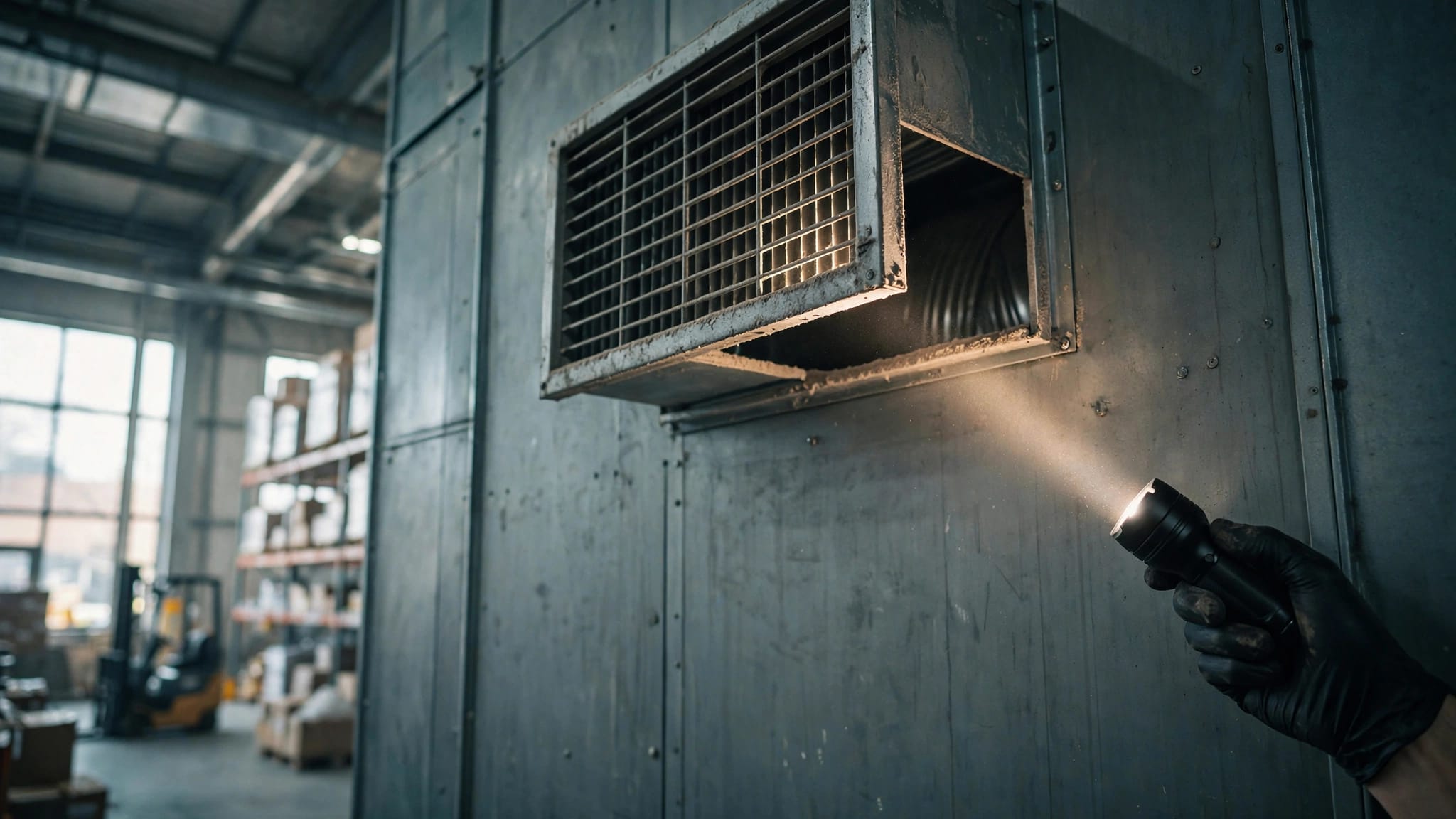
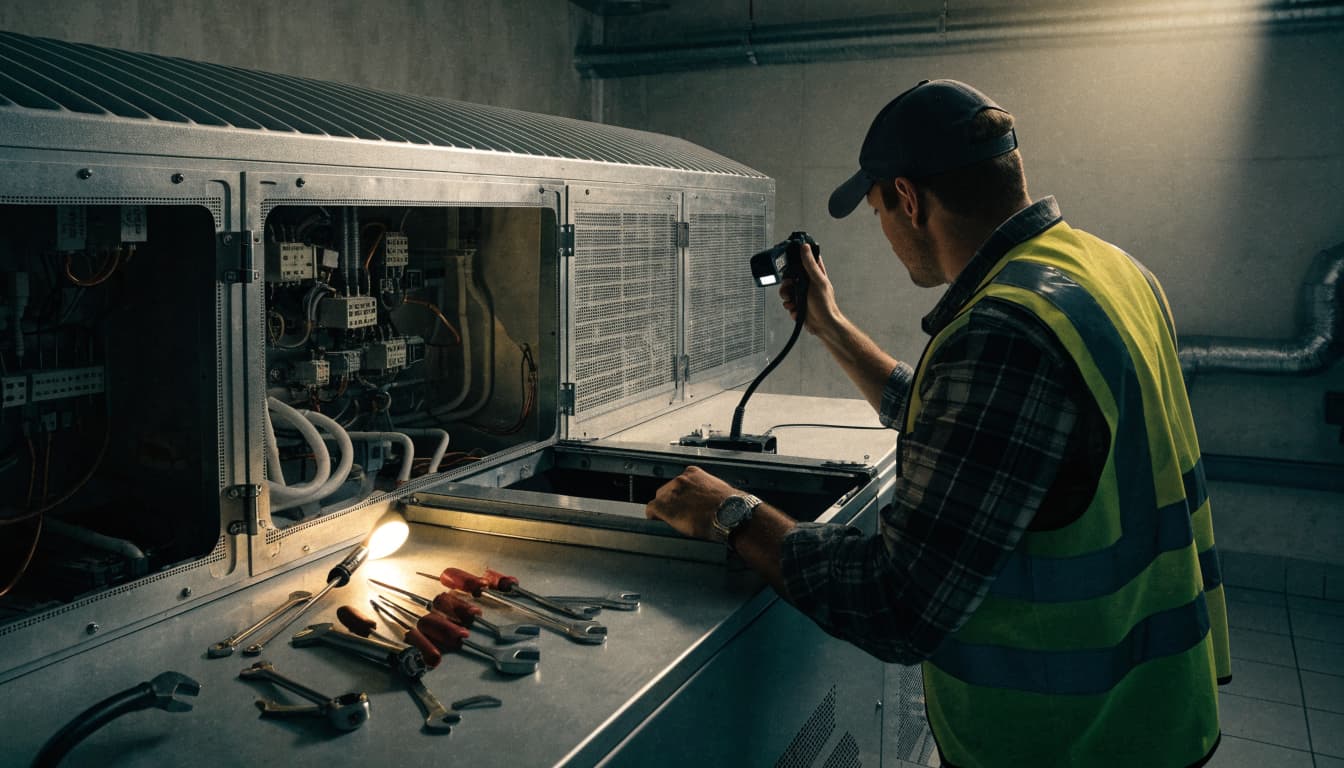
Dust on a vent cover usually calls for surface cleaning, not a full-system service. Persistent dust from supply registers, visible debris inside accessible ductwork, renovation residue, pest activity, or moisture concerns warrant professional inspection. A camera inspection can help assess dust buildup in areas staff can't see.
EPA guidance doesn't recommend routine cleaning for every property. Reassess when conditions warrant, and base service on documented evidence rather than a fixed calendar interval. Cleaning should address a documented need, not replace repairs to leaks, moisture sources, or damaged ducts. NADCA resources can help evaluate and document professional work.
A dirty filter or dust at a return may have another cause. A loose return connection can draw dusty air from a wall or ceiling cavity; a crushed duct can reduce airflow; and a dirty coil or malfunctioning blower needs HVAC service. For more detail on what air duct cleaning can remove, consider whether the evidence points to debris inside the ducts or a separate repair.
Ask for a complete duct-cleaning scope
When inspection supports duct cleaning, managers should ask a qualified provider to document the work before it begins. NADCA's ACR standard calls for source-removal vacuuming at a minimum of 500 CFM under negative pressure, with mechanical agitation to loosen debris as the vacuum collects it.
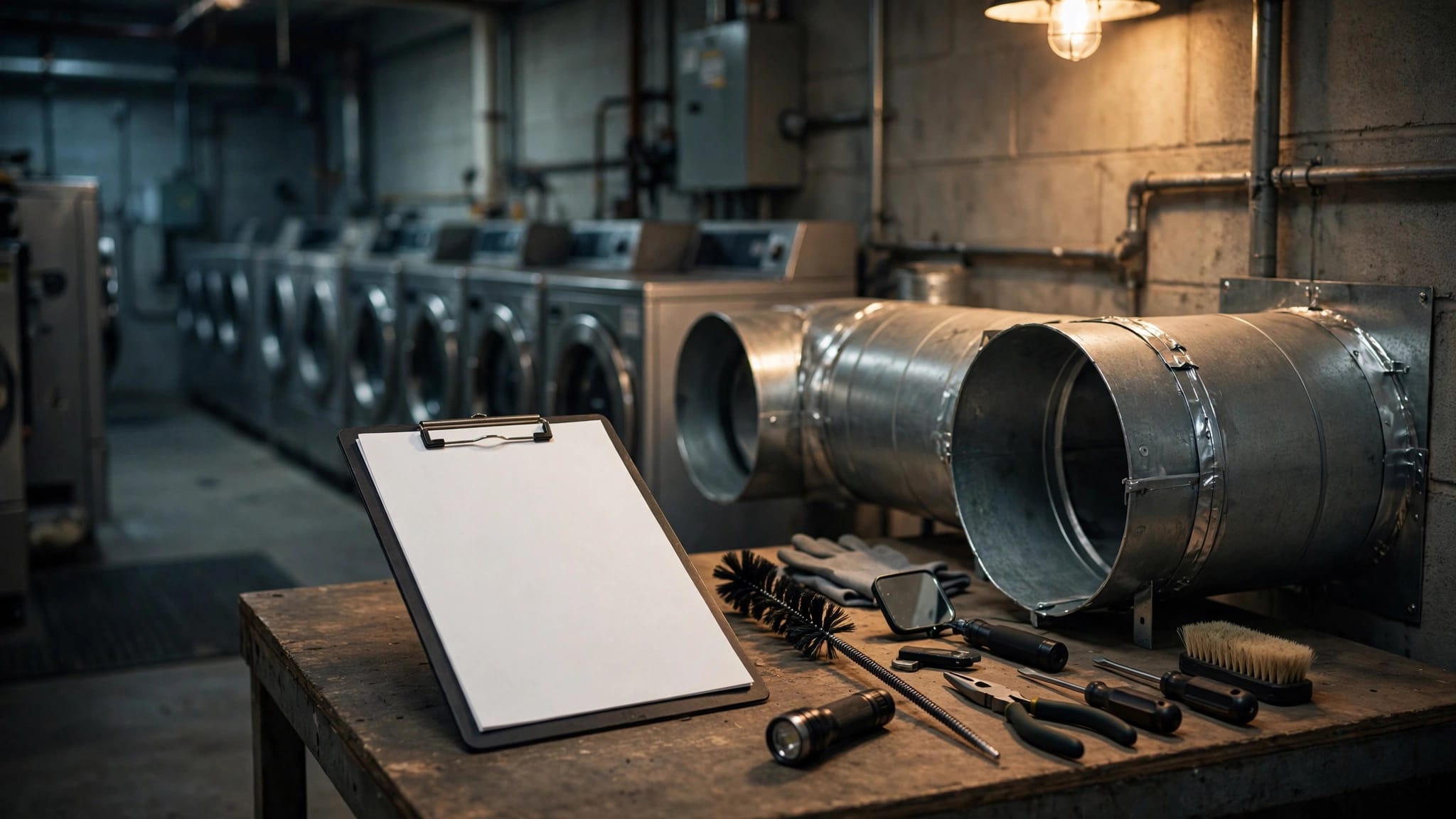
A complete service should cover supply and return ductwork, registers, and any agreed work on coils, the drain pan, and the blower. Ask the provider how the agreed scope follows the applicable NADCA standard, and request a pre-work camera inspection and post-cleaning verification. See how negative-pressure duct cleaning works for a description of the containment method.
Clarify which components are included and which need separate HVAC service. If inspection shows a need for professional cleaning, Get a Free Estimate for air duct or dryer vent cleaning.
Frequently Asked Questions
How often does dust accumulate in an HVAC system?
There's no fixed rate for every store. Traffic, outdoor grit, open doors, floor cleaning, construction, and filter condition all affect dust accumulation. Staff should check filters on the equipment's schedule and handle only safe, accessible tasks.
What's the best HVAC filter for dust?
Choose a filter in the MERV 8 to 13 range only if the equipment supports it. MERV 8 to 11 is a common balance of filtration and airflow. Follow the manufacturer's guidance and replacement schedule.
How can I tell whether the ducts need cleaning?
Staff can usually clean dust from an accessible grille. Persistent particles from supply vents, visible debris deeper in the ductwork, pest evidence, or renovation dust inside the system warrant a professional inspection. Weak airflow may point to a filter, return leak, crushed duct, coil, or blower issue instead.
What should a full HVAC service checklist include?
Annual professional maintenance should cover coils, refrigerant, required lubrication, electrical connections, and the heat exchanger. A duct-cleaning scope should identify supply and return ducts, registers, and relevant air-handler components. The contractor should inspect before the work and verify it afterward.
Keep the system ready for the rush
Before the holiday rush, clear visible airflow obstructions and arrange professional service for concerns routine cleaning can't resolve. Staff can clean accessible surfaces, while qualified professionals handle internal HVAC work and annual maintenance.
During the season, keep up with routine floor and fan cleaning.