How VAV Boxes Shape Commercial Duct Cleaning Scope
VAV box cleaning affects a commercial duct job because these terminal units sit between the main supply duct and the rooms they serve. The box controls airflow to a zone, so its access, condition, and operation can change what a cleaning crew can safely reach.
A complete scope should separate duct interiors from the VAV box, its controls, and other HVAC components. That distinction helps you understand what the estimate covers and what may require separate service. Clear boundaries matter most when a building has several zones or air handlers.
Key Takeaways
- A VAV box controls airflow to a zone, but duct cleaning and terminal-unit service are separate scope items.
- List supply and return ducts, branches, trunks, plenums, and accessible HVAC components individually.
- Access and duct material affect the cleaning method, especially around flexible duct, insulation, and damper assemblies.
- Damper operation and airflow should be considered before and after service.
- Any added treatment or equipment cleaning should be described separately from duct cleaning.
What a VAV Box Does in a Commercial HVAC System
A variable air volume box, often called a VAV terminal unit, receives air from the supply duct and regulates how much reaches a particular area. Its damper changes position as zone demand changes. Some units also include a reheat component, though configurations differ by building.
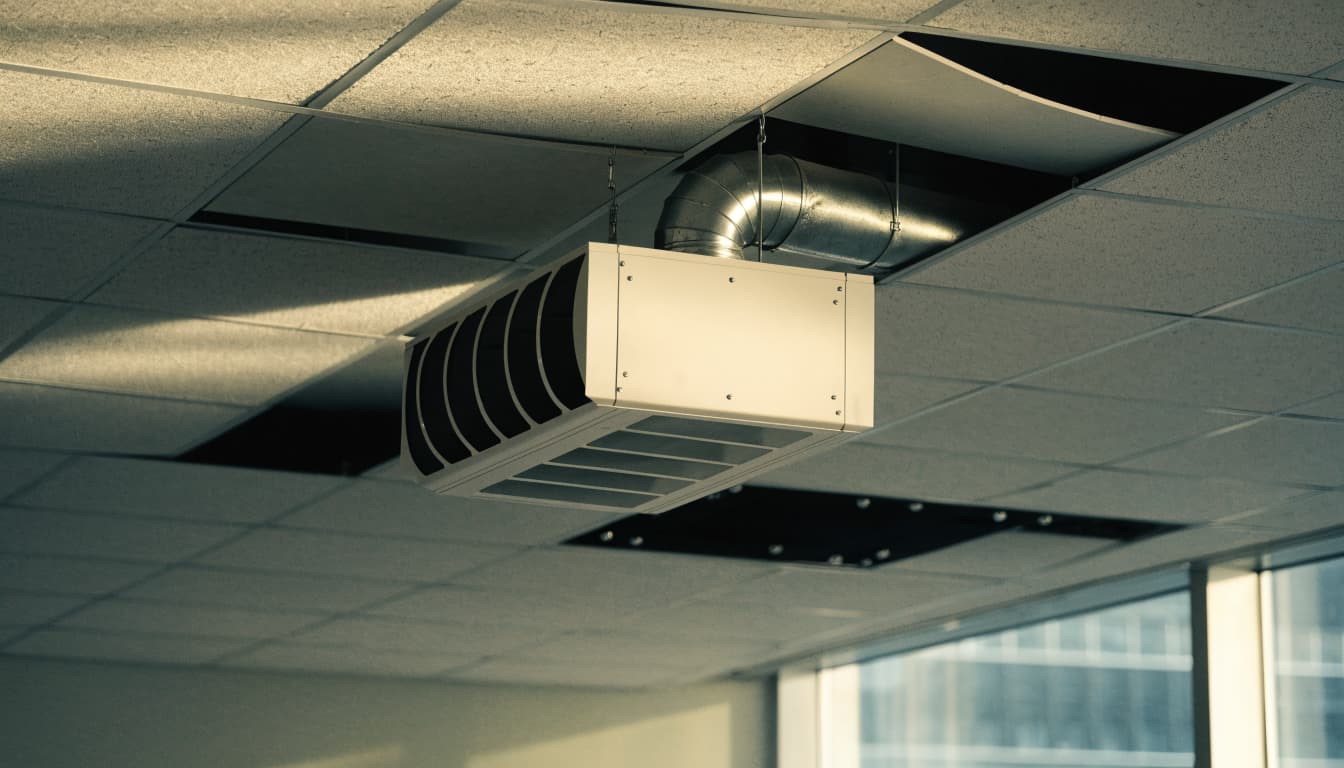
The terminal unit is part of the airflow path
The main supply trunk usually feeds several branch ducts and terminal units. A VAV box sits along that route, often above a ceiling, before air reaches diffusers in the zone. Its location can make inspection and access more involved than cleaning a visible grille.
The box is not simply another length of duct. It contains moving and control components, and the cleaning approach should account for them. A scope that only names "ducts" may not mean the terminal unit itself is included.
Zone operation can affect cleaning plans
When several areas share a system, damper positions and control responses can influence access and airflow during service. A technician may need to identify the active zone and understand how its damper responds before work begins.
These details are relevant to duct service considerations for zoned systems. In a VAV system, a change in one zone can affect airflow elsewhere, so the plan should account for the connected system rather than treating every register as an isolated opening.
Where Duct Cleaning Ends and VAV Service Begins
A duct-cleaning scope focuses on removing accumulated material from accessible duct surfaces. Cleaning inside a VAV terminal box is a different task, and it should be named separately rather than assumed as part of a broad service label.
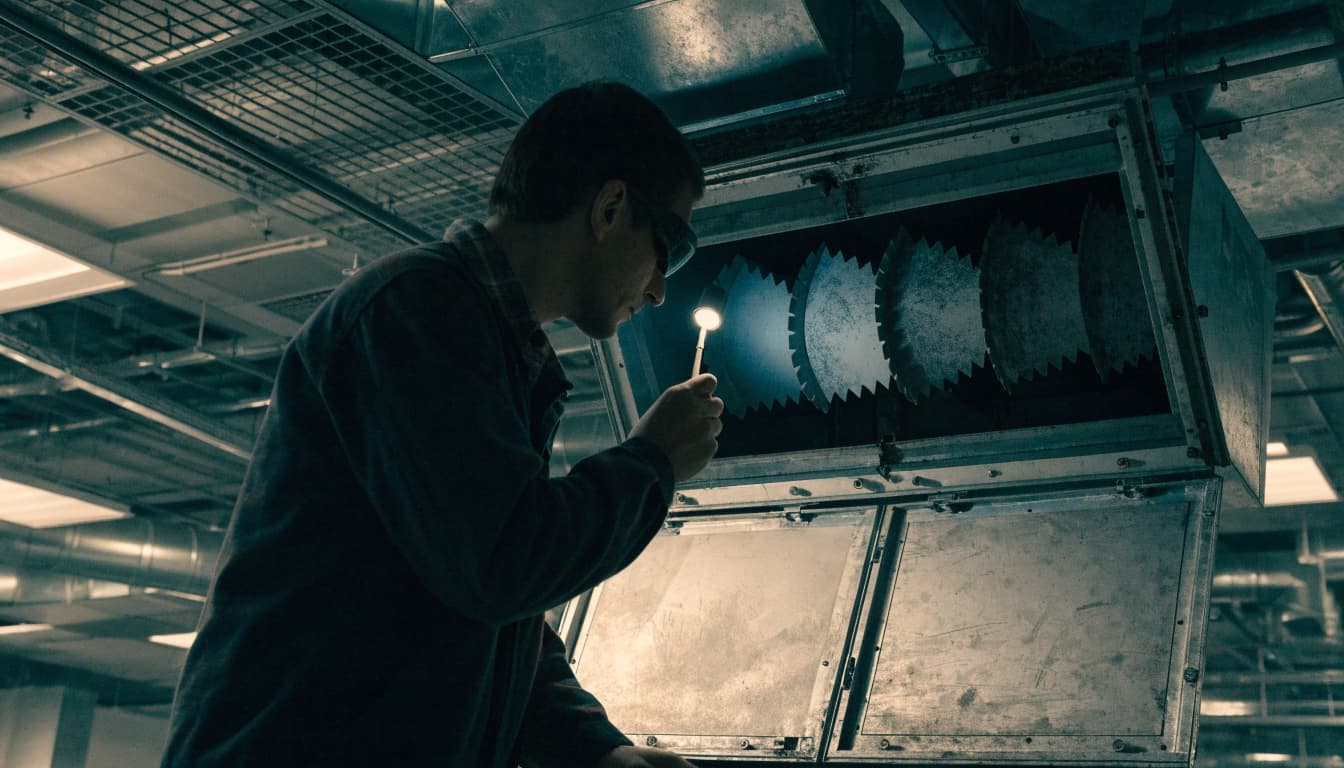
Duct surfaces and terminal components need separate descriptions
A crew may clean the supply trunk and branches leading to the VAV unit, then address downstream ductwork serving the diffusers. The VAV box, however, has a damper assembly and controls that require a distinct scope. If the box itself is included, the estimate should say which accessible surfaces receive service.
The distinction also applies to equipment nearby. A coil, drain pan, blower compartment, or internal air-handler cabinet may need separate access and cleaning. These parts do not automatically receive the same treatment as duct interiors.
Inspection findings can change the boundary
Inspection may reveal loose debris in a duct, damaged insulation, a disconnected branch, or a problem with the damper assembly. Those findings call for different responses. Cleaning can remove suitable loose material, but it does not repair damaged ductwork or correct a control problem.
If contamination is inside the box or around a component that needs specialized handling, the cleaning scope should identify the affected area and any separate service being proposed. That keeps routine duct cleaning distinct from repair or other HVAC work.
Components to List in a Commercial Cleaning Scope
A useful estimate names the areas included, rather than relying on a phrase such as "complete system." Commercial buildings may have multiple air handlers, zones, trunks, and branches, so the listed components should make the planned coverage clear.
Supply and return pathways
The supply side may include main trunks, branch ducts, accessible plenums, connections, grilles, and diffusers. The return side may include return grilles, branches, trunks, and accessible return plenums. Where several systems serve the building, the scope should identify which system or areas are included.
A complete cleaning can cover more than visible outlets. As described in HVAC components covered in a full-system cleaning, accessible duct sections and air-handler areas may be included when listed in the work scope. Coils and drain pans may require separate access or service.
VAV units and air handlers
For each VAV terminal, the scope can state whether the crew will clean connected duct sections only or also access the box interior. It should identify any limitations around dampers, actuators, control wiring, or reheat components. A commercial building's service plan may include many terminals, so a location or zone list can help distinguish which ones are covered.
Likewise, the air handler should be described separately. The estimate can specify whether it includes accessible cabinet areas, the blower compartment, or other named components. A clear list helps prevent a mismatch between ductwork service and equipment cleaning.
How Access and Controls Affect the Work
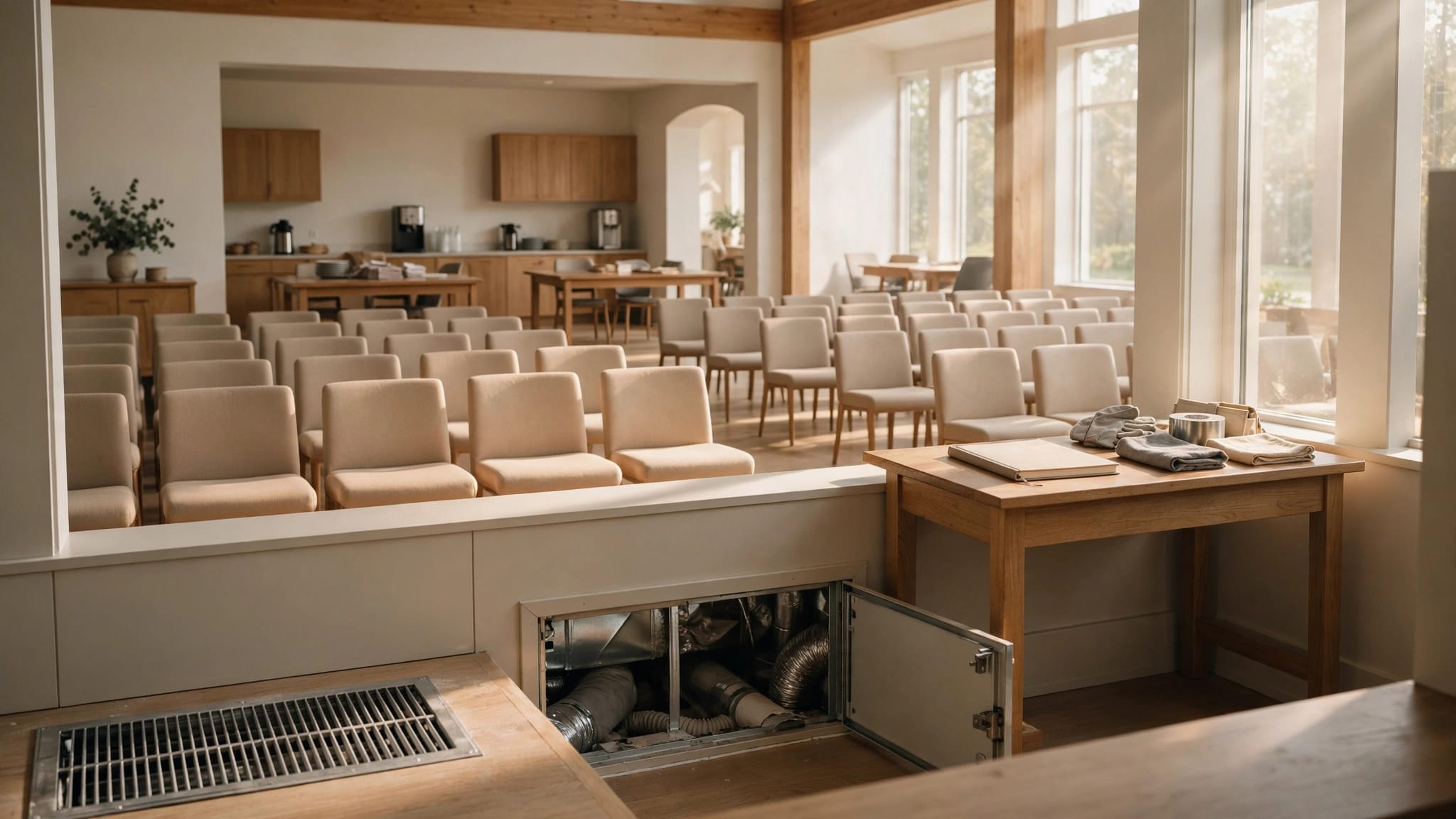
VAV boxes often sit above finished ceilings or within tight mechanical spaces. The crew needs a workable route to the duct surfaces and enough room to protect nearby equipment. Access can therefore affect both the work plan and the areas that are practical to clean.
Plan access before equipment is connected
A technician should identify where vacuum equipment will connect and how the crew will reach the duct runs around each terminal. Some systems can be accessed through existing openings; others may have limited paths because of ceiling layout, duct turns, or nearby services.
The crew should also protect surrounding surfaces and contain loosened material. If a new access opening is needed, its location and purpose belong in the plan. Unreachable sections should be distinguished from areas that receive service, rather than implied to be included.
Protect dampers, insulation, and controls
Cleaning tools must suit the duct material and the condition of the system. Flexible duct liners, insulation, seals, and damper assemblies can be damaged by excessive force or unsuitable agitation. Controls and wiring are not duct surfaces, so they should remain protected from cleaning equipment and debris.
An inspection may also uncover wet electrical areas, loose insulation, or damaged components. Those conditions should pause work in the affected area until assessed. A cleaning crew should not use powerful equipment around an unsafe mechanical condition.
Cleaning Methods Should Match the Ductwork
Professional source removal typically uses negative pressure to draw loosened debris toward collection equipment while agitation tools work on duct surfaces. The planned method depends on system layout, duct material, contamination, and access.
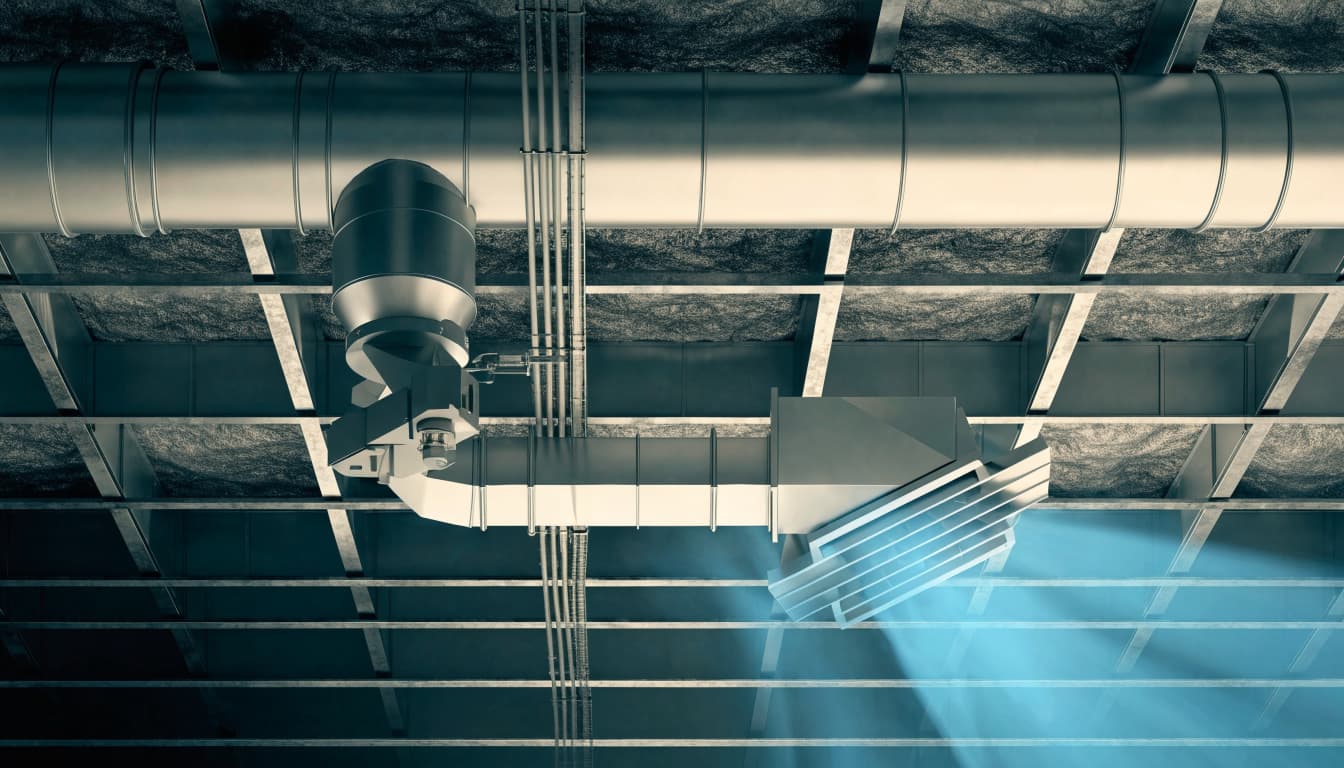
Keep loosened debris contained
A vacuum connects to a suitable access point, and tools loosen material inside accessible duct sections. The collection system then draws that material away instead of allowing it to spread through occupied areas. The exact setup depends on the system and the points technicians can safely reach.
The source-removal duct cleaning process may use different agitation tools according to the surface and duct construction. The scope should say which system sections receive cleaning, not simply that equipment will be attached somewhere.
Do not treat every component the same way
A brush or air tool suitable for one duct section may be inappropriate for a flexible liner or a VAV damper assembly. The method should be adjusted to the component being cleaned. If the work includes the inside of a terminal box, the plan should explain how the crew will avoid interfering with moving parts and controls.
Sanitizers, microbial treatments, odor products, UV lights, and air purification systems are separate options. They should not be treated as automatic parts of duct cleaning. Their inclusion should be stated separately, with the intended area and service clearly identified.
Check Zone Operation and Record Completed Work
Cleaning is only one part of the job. In a zoned commercial system, operating different zones after service can help identify whether the dampers respond and whether airflow patterns appear consistent with the system's operation.
Compare performance by zone
Once the work is complete, technicians can operate different zones and compare airflow at supply registers. This step matters because a change in one area can affect another when zones share ductwork. It also helps distinguish a cleaning concern from an issue with a damper or another HVAC component.
Cleaning alone cannot fix every airflow complaint. A closed damper, damaged duct, dirty blower, or other equipment issue may need separate attention. If airflow differs after service, the finding should be described rather than attributed automatically to duct debris.
Keep a clear record of areas serviced
A useful service record names the air handler or system, zones addressed, duct sections cleaned, and whether VAV box interiors were included. It can also note access limitations or conditions that required a separate repair discussion.
For a facility manager, that record makes future maintenance easier to plan. It also clarifies whether a later concern relates to a cleaned duct run, an excluded terminal, or a component outside the original scope.
Frequently Asked Questions
Does commercial duct cleaning include VAV box cleaning?
Not automatically. Duct cleaning may cover supply and return duct surfaces connected to a VAV unit, while cleaning inside the terminal box is a separate scope item. The estimate should state whether the box itself is included.
Should technicians clean the damper and actuator?
The damper and actuator are functional components, not ordinary duct surfaces. A cleaning plan should identify what will be accessed and how those parts will be protected. A control or mechanical issue may need HVAC service rather than cleaning.
Can duct cleaning fix uneven airflow between zones?
It can remove suitable debris from accessible duct surfaces, but it cannot correct every airflow problem. Damper operation, duct damage, and equipment condition can also affect airflow. Zone-by-zone operation after the work can help identify a concern that needs further attention.
What should a commercial estimate include?
It should identify the system and zones covered, supply and return sections, accessible plenums and outlets, air-handler areas, and whether VAV box interiors are included. It should also describe access limits and distinguish cleaning from repairs or separate treatments.
Make the Scope Specific Before Work Begins
VAV boxes add a clear boundary to commercial duct cleaning: the connected ductwork and the terminal unit are related, but they are not necessarily the same service. A written scope should name the areas to be cleaned and the components that need separate attention.
When you need service for a commercial property, we can discuss the system and the work being considered. Get a Free Estimate for air duct or dryer vent cleaning.