How Zoned HVAC Systems Change Duct Service
A room that stays warm while the rest of the home feels comfortable may point to more than a thermostat problem. With zoned HVAC systems , separate thermostats and duct dampers direct conditioned air to selected areas, so airflow problems can appear in specific rooms instead of across the entire house.
That setup changes how professionals inspect, clean, and maintain ductwork. A technician must understand the zone controls, damper positions, return-air paths, and pressure inside each section. Standard whole-house duct cleaning methods still matter, but the service plan needs to match the system's layout.
How zoned HVAC systems change duct inspections
Traditional central HVAC systems often use one thermostat and a shared duct network. A zoned system divides that network into two or more areas, such as upstairs and downstairs, bedrooms and living spaces, or separate sections of a commercial building.
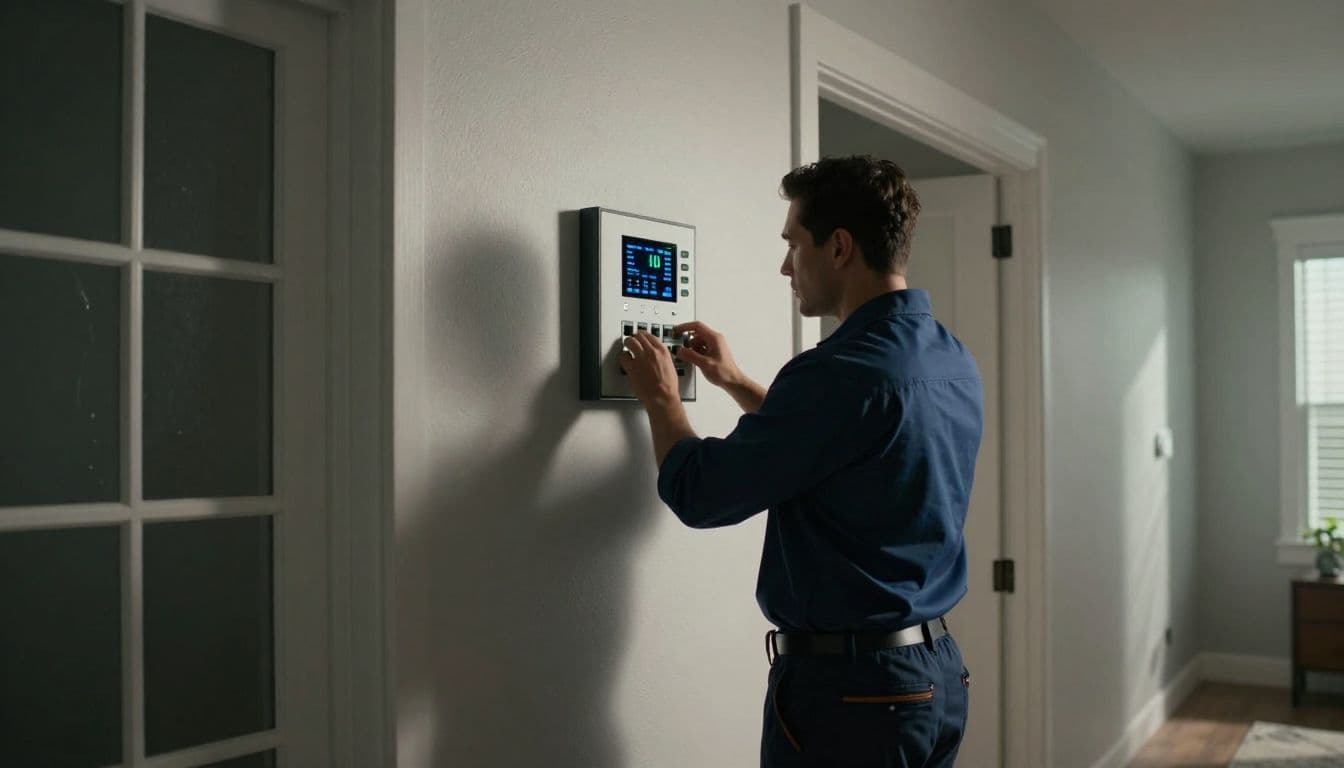
Each zone usually has a thermostat connected to a control panel. Motorized dampers open or close inside the supply ducts to adjust airflow. Some systems also use variable-speed equipment to change blower operation as demand shifts.
During professional duct service, the technician cannot treat every vent as an isolated opening. The inspection must trace how air moves through the entire system. That includes checking:
- Whether each zone damper opens and closes correctly.
- Whether supply registers receive adequate airflow when a zone calls for heating or cooling.
- Whether return grilles provide enough air for the active zone.
- Whether flexible ducts have collapsed, disconnected, or developed sharp bends.
- Whether the filter, blower compartment, and accessible duct surfaces show heavy dust buildup.
- Whether insulation around ducts has deteriorated or collected moisture.
A dirty register in one bedroom may result from a local branch duct issue. However, weak airflow throughout one zone may point to a closed damper, a control problem, a restriction, or an undersized duct section.
A zoned system can hide an airflow problem because another part of the house may still feel comfortable.
Professionals also need to know whether the system includes a bypass duct or pressure-relief design. When only one small zone runs, the blower may push more air toward closed dampers. If the system lacks proper pressure control, excessive static pressure can affect comfort and place stress on components.
For that reason, duct cleaning should begin with system assessment. Cleaning first and testing later can miss the reason a zone performs poorly.
Why zone dampers affect professional duct cleaning
Duct cleaning removes accumulated dust and debris from accessible supply and return pathways. In a zoned home, the technician must plan the work around dampers and separate branches.
A damper can restrict access to part of the duct system. It can also change airflow while the equipment operates. Before connecting vacuum equipment, the technician may need to identify the active zone, inspect the control response, and place dampers in positions that support safe, effective cleaning.
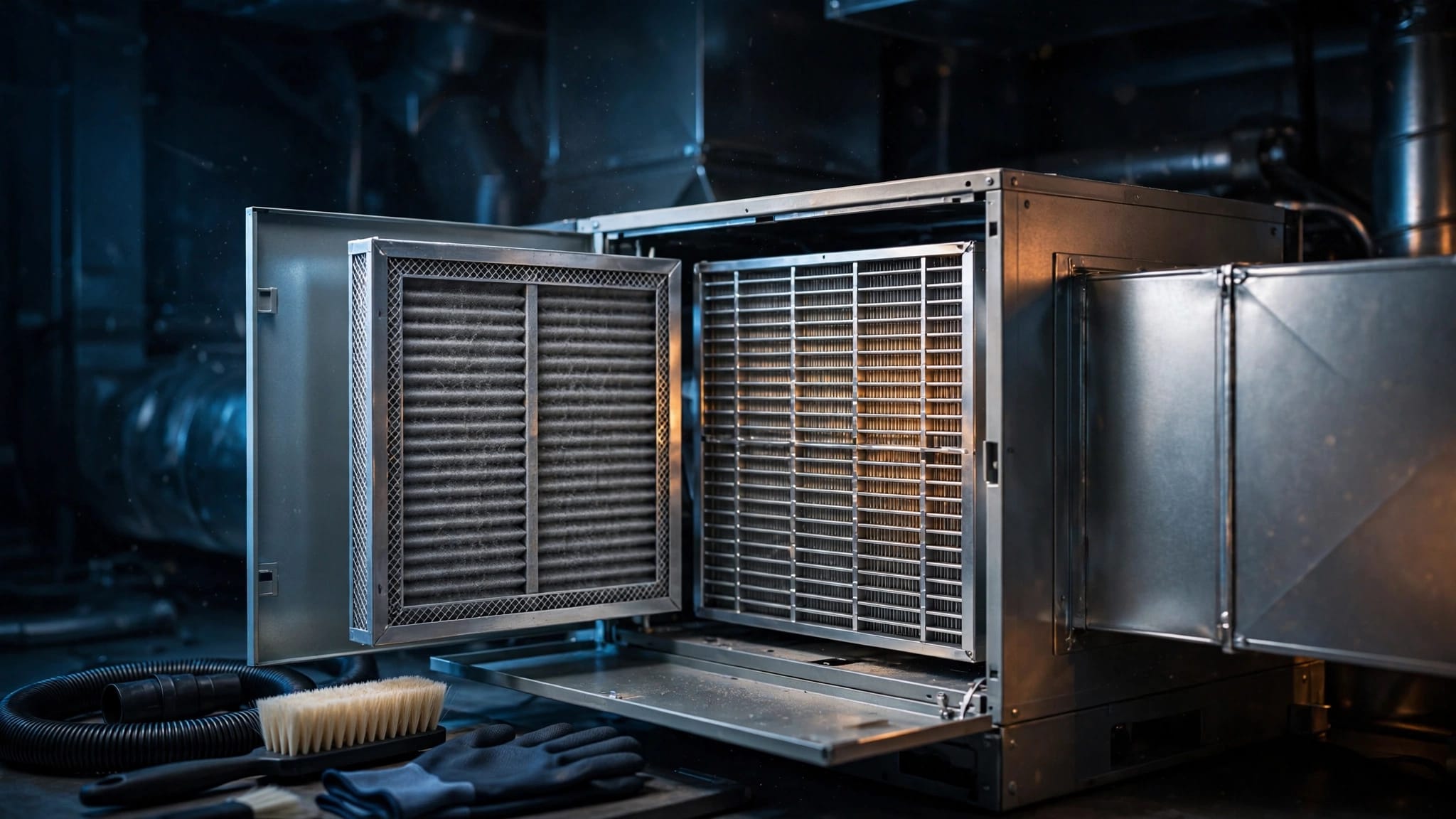
The cleaning process can include negative-air vacuum equipment, agitation tools, and access through service openings. The exact method depends on the duct material, system design, contamination level, and accessible entry points. A professional should avoid damaging flexible duct liners, insulation, seals, or damper assemblies.
Zone-by-zone testing helps confirm that cleaning did not disturb the system. Once the work is complete, the technician can operate different zones and compare airflow at supply registers. A change in one area can affect another, especially when several zones share a trunk duct or return system.
The most useful service records identify more than the fact that someone cleaned the ducts. They should show which areas received service, whether dampers responded, and whether the system showed signs of leakage or restriction.
For Florida property owners, dust and indoor odors may also come from conditions outside the duct interior. Leaky connections can pull air from attics, wall cavities, garages, or other unconditioned areas. A cleaning visit is a good time to look for loose joints, damaged insulation, and visible gaps around registers.
Cleaning, sealing, and equipment maintenance are separate tasks. A technician should explain which issue the service addresses instead of presenting every problem as a cleaning need. Homeowners who are comparing services can review the differences between duct cleaning and HVAC tune-ups before scheduling work.
Air balancing becomes more important with multiple zones
Air balancing is one of the biggest changes in professional duct service for zoned HVAC systems. The goal is to deliver suitable airflow to each area without creating excessive pressure or uneven comfort.
A technician may measure airflow at registers, inspect return-air capacity, and check static pressure with testing instruments. These measurements help show whether the system is moving air as designed. They can also reveal problems that a visual inspection would miss.
For example, a closed bedroom door can limit return airflow if the room has no return grille or transfer path. The supply register may blow air into the room, but the pressure has nowhere to go. That condition can cause noise, weak circulation, or air escaping through gaps around the door.
A different issue can occur when a zone includes too many rooms for the available duct capacity. Adjusting dampers may improve one area while reducing airflow elsewhere. Professional balancing looks at the whole system rather than turning every register fully open.
Airflow readings can also help distinguish a duct problem from a control problem. If the thermostat calls for cooling but the damper remains closed, cleaning the branch duct will not solve the complaint. If the damper opens but airflow remains weak, the technician may inspect the branch duct, connection, filter, blower, or return path.
Useful questions to ask before service include:
- Will you test each zone separately?
- Will you inspect the dampers and zoning controls?
- How will you protect flexible ducts and internal insulation?
- Will you check for leaks or disconnected sections?
- Will you explain whether the problem requires cleaning, repair, balancing, or HVAC service?
A reliable answer should match the equipment installed in the property. Zoned systems differ in design, so a technician needs access to the thermostats, control panel, attic or crawl space areas, and all relevant registers.
Duct service can reveal hidden comfort and air-quality problems
Many homeowners request duct cleaning because they see dust around vents, notice stale odors, or experience allergy concerns. Those signs deserve attention, but zoning can help identify where the problem begins.
If one zone smells musty while another does not, the source may be limited to a branch, return grille, insulation section, or nearby moisture issue. A system-wide cleaning may still be appropriate, but the inspection should focus on the affected area first.
Dust buildup can also vary between zones. A frequently used area may move more air than a guest room. A zone with a poor return path may collect dust around door gaps or register edges. These patterns give the technician useful information about airflow and filtration.
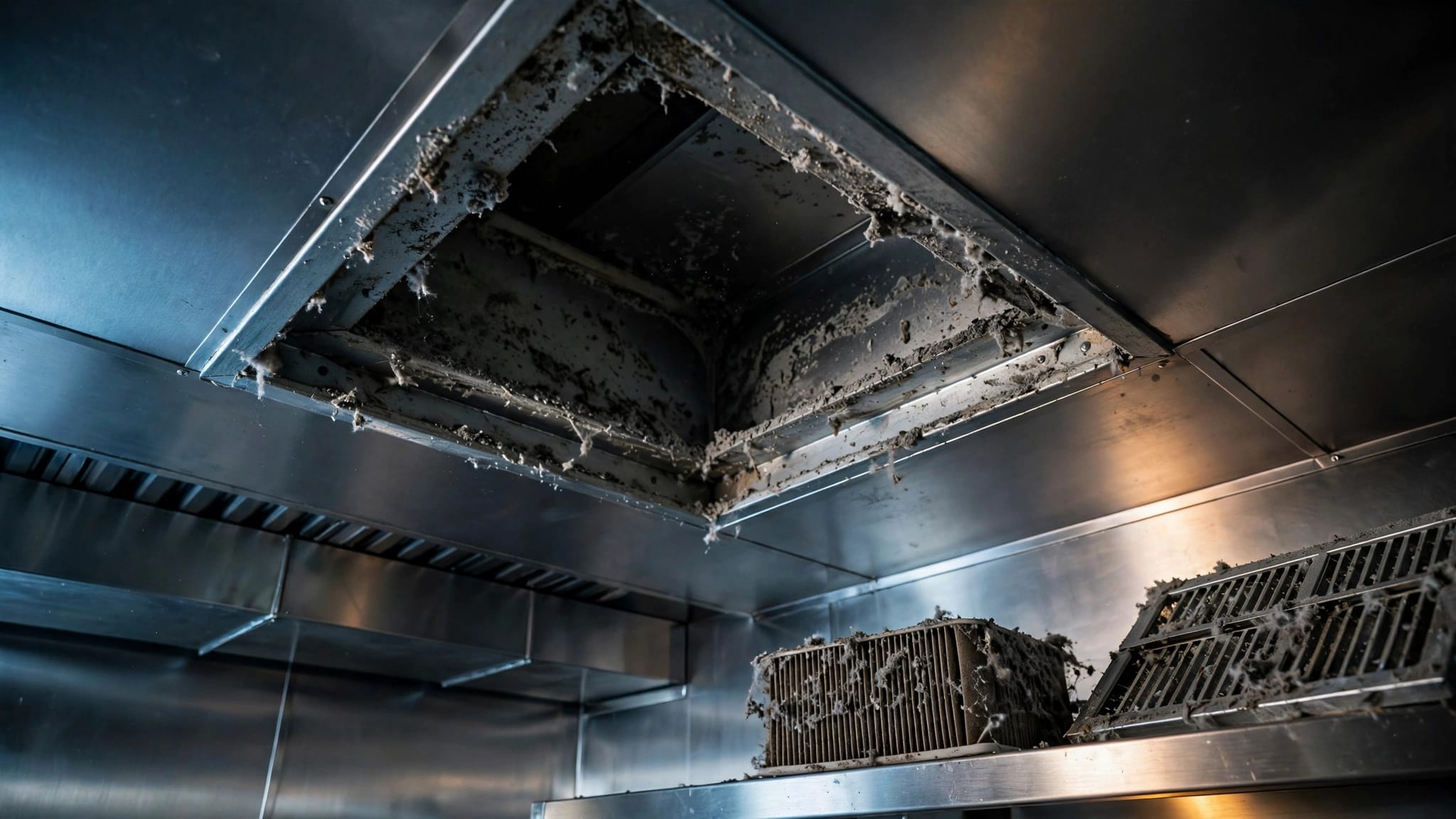
Visible contamination does not always mean the entire duct system needs aggressive cleaning. The technician should inspect the accessible duct surfaces and identify the material present. Loose dust, construction debris, pest evidence, moisture damage, and microbial growth require different responses.
Microbial treatments, sanitizers, inhibitors, air purification systems, and UV equipment are not substitutes for correcting water intrusion or airflow defects. If moisture enters the system, the source must be addressed. Otherwise, surface treatment may provide only temporary results.
Zoned equipment can also produce more noticeable odor changes because dampers shift air through different branches. One area may sit unused for long periods, then receive airflow when the zone activates. That can move settled dust or odors into the occupied space.
The same careful inspection applies to dryer vents, although a dryer exhaust line is separate from HVAC ductwork. It carries heated, moisture-laden air and lint, so a restricted vent can create long drying times and excess heat. For details about professional dryer vent cleaning steps, homeowners should review the full route, exterior termination, and appliance connection rather than focusing only on the short hose behind the dryer.
When to schedule service for a zoned HVAC system
Routine service makes sense when dust, odors, or airflow problems return after filter changes. It also makes sense after remodeling, water damage, pest activity, or HVAC work that disturbed duct connections.
A professional inspection is especially useful when:
- One zone has weak airflow while other zones operate normally.
- Rooms feel uneven despite correct thermostat settings.
- The system makes whistling, rattling, or rushing-air sounds.
- Dust collects quickly around registers in one area.
- A zone damper appears stuck or fails to respond.
- The home has long, difficult-to-access duct runs.
- Family members notice odors that appear only when a particular zone runs.
Start with the system's symptoms and history. Tell the technician which rooms are affected, when the problem occurs, and whether it changes when other zones operate. This information can reduce guesswork during testing.
A proper visit may include a visual inspection, equipment review, airflow testing, duct cleaning where appropriate, and a report of repairs that may be needed. Ask whether the estimate includes only cleaning or also covers access openings, sealing, damper repair, microbial treatment, or other services.
If the system needs both air duct and dryer vent attention, you can Get a Free Estimate for service from a local indoor air quality company serving Florida's Gulf Coast.
Conclusion
Zoned HVAC systems make professional duct service more precise. Technicians must inspect dampers, controls, returns, pressure, and individual branches instead of treating the home as one uniform airflow path.
That approach helps separate cleaning needs from balancing, repair, filtration, and equipment problems. When a single room feels dusty or uncomfortable, the right answer starts with tracing that zone's airflow. A careful inspection keeps the service focused and helps the system deliver more consistent comfort throughout the home.