Mobile Home Duct Cleaning Florida: What Changes?
A mobile home's ductwork can collect dust in places you can't see, including beneath the floor and inside the underbelly. When you search for mobile home duct cleaning Florida , you're usually looking for more than a quick vacuum around the visible vents.
The cleaning process changes because manufactured homes often use flexible ducts, compact HVAC closets, crossover connections, and underfloor air pathways. Florida's heat and humidity add another concern: moisture may affect duct insulation, airflow, and indoor odors. Here's what property owners should expect before scheduling service.
Key Takeaways
- Mobile home duct cleaning requires inspection of floor registers, flexible ducts, crossover ducts, and accessible underbelly areas.
- Florida humidity can expose moisture, condensation, odor, or insulation problems that cleaning alone won't repair.
- A proper service uses negative pressure, agitation tools, protected registers, and debris removal rather than a quick blow-through.
- Dryer vent cleaning is separate from air duct cleaning and deserves its own inspection.
- The right quote depends on access, duct layout, contamination, and service scope, not only the home's square footage.
Why Mobile Home Duct Cleaning Florida Needs a Different Inspection
In a site-built house, ductwork often runs through attics, basements, walls, or framed chases. A mobile home may use a long, low underfloor system instead. Supply ducts can run beneath the floor, while a crossover duct connects separate sections of the home.
Many manufactured homes also rely on flexible insulated duct material. This material can bend, sag, tear, or separate at its connections. A technician who only removes the floor registers may clean the openings without addressing debris farther inside the system.
Access is another major difference. The technician may need to inspect the HVAC closet, supply boots, return areas, floor registers, crossover connection, and sections beneath the home. Skirting, tight clearance, wet ground, or damaged underbelly material can affect what is safely reachable.
The duct system's condition matters as much as its age. Dust may enter through loose connections, damaged insulation, gaps around registers, or an unsealed return area. Rodents and insects may also affect underfloor ductwork, especially when the belly wrap or insulation has openings.
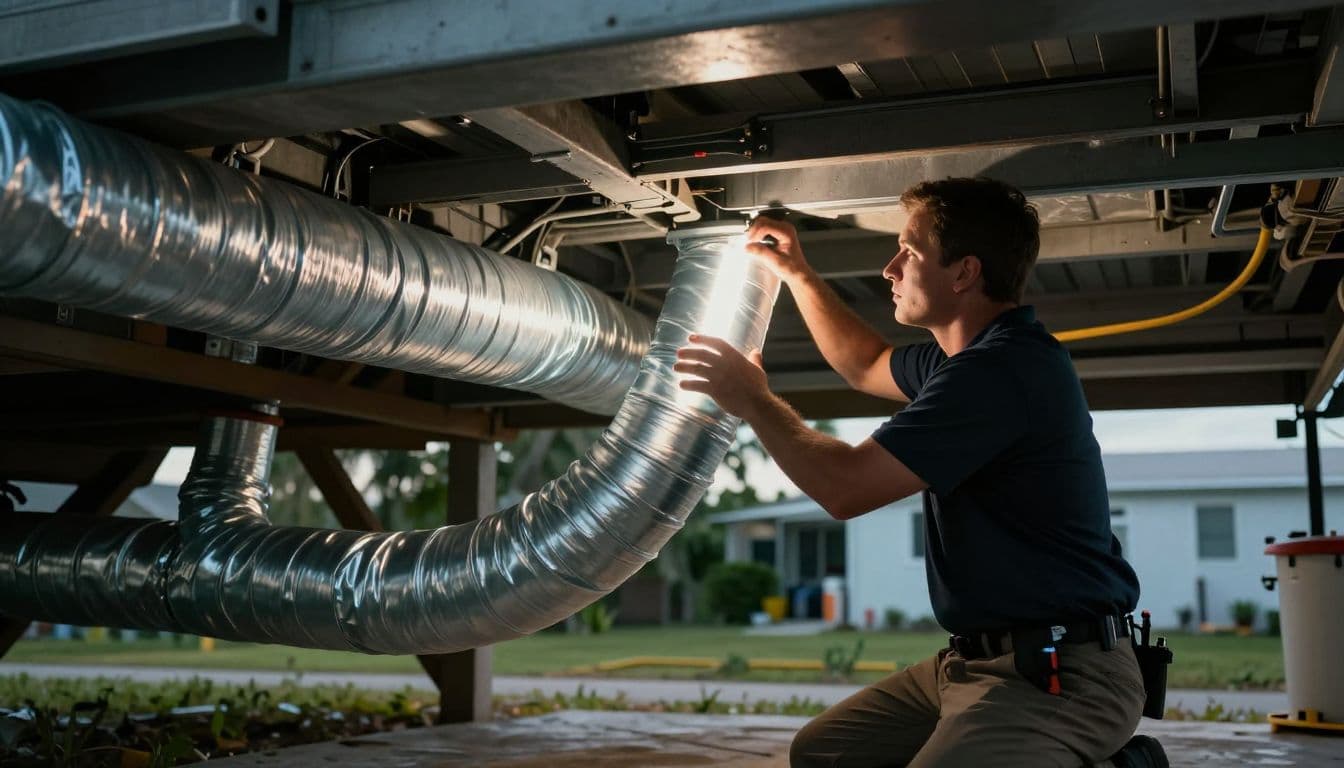
A visible layer of dust around one vent doesn't show the full condition of a mobile home's duct system. The most important findings may be underneath the floor.
A careful mobile home duct cleaning Florida service starts with a visual inspection. The technician should identify the duct materials, locate accessible connections, check for obvious damage, and explain what the equipment can and cannot reach.
Cleaning won't repair a crushed duct, replace missing insulation, or close a torn belly wrap. However, the inspection can prevent those problems from being mistaken for a simple dust issue.
Florida Humidity Changes the Duct-Cleaning Decision
Florida's warm, humid conditions can affect how a mobile home's ductwork performs. If cool air moves through a duct located in a hot, damp underfloor space, condensation may become a concern when insulation or vapor protection is damaged.
Moisture can also create stale odors and contribute to microbial growth on suitable surfaces. That doesn't mean every dark mark is mold, and it doesn't mean duct cleaning alone solves a moisture problem. A qualified technician should distinguish between loose dust, staining, biological growth, damaged insulation, and water intrusion.
The air conditioner removes moisture from indoor air, but it can't correct every source of dampness. Plumbing leaks, poor drainage, wet crawl areas, roof problems, and damaged duct insulation may continue affecting the system after cleaning.
For that reason, ask what the technician sees before agreeing to a sanitizer or microbial treatment. Physical cleaning should come first when contamination is present. Any treatment should match the material and the problem, and the moisture source still needs attention.
Humidity also affects dust. Fine particles can stick to damp surfaces inside registers or duct liners. When the system runs, some of that material may move into living areas. Residents may notice a dusty smell after the air conditioner starts, visible debris around registers, or dust returning soon after cleaning.
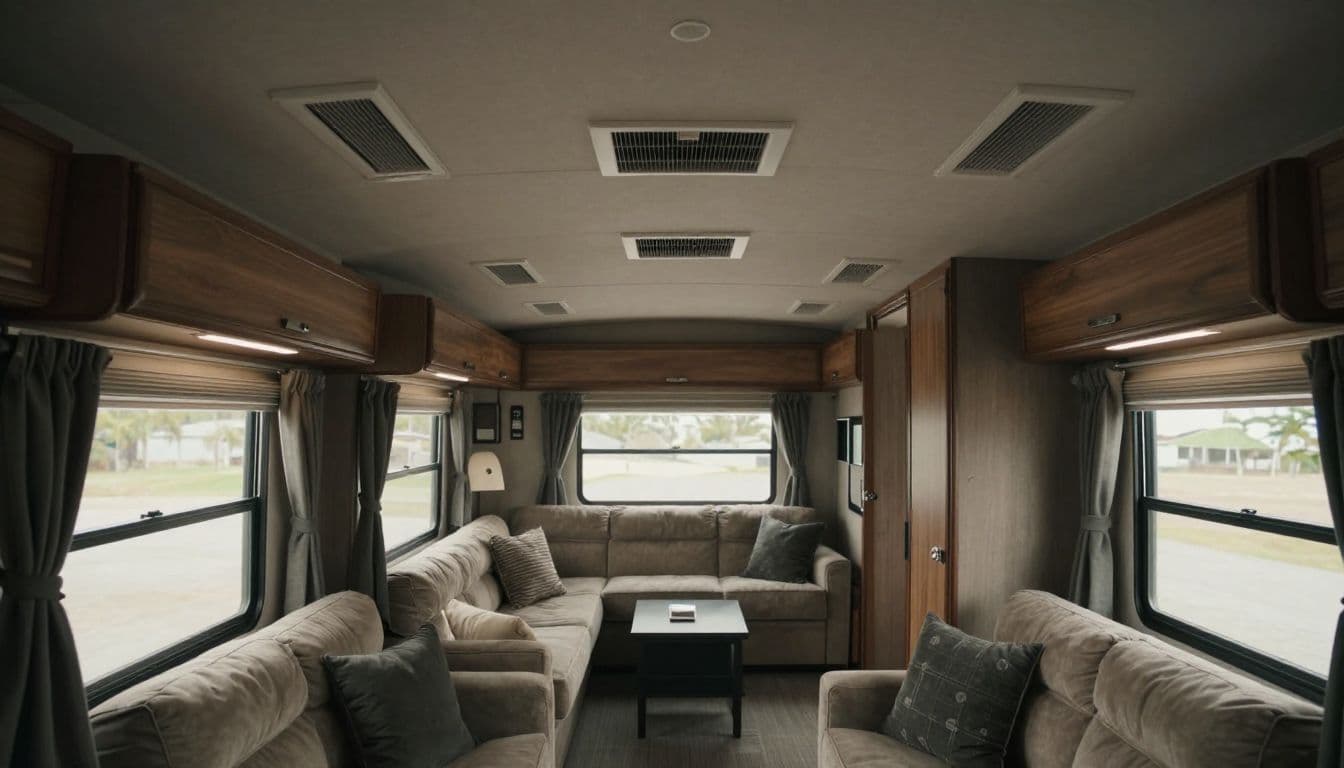
Florida residents should also consider how often the home stays occupied. A seasonal property can sit closed for months, while a full-time home may run the air conditioner nearly every day. Neither situation creates an automatic cleaning schedule, but both can change the inspection findings.
What a Proper Mobile Home Duct Cleaning Visit Includes
A real cleaning should cover more than the visible vent covers. The exact process depends on the duct design and access, but most professional visits include several important steps.
First, the technician protects floors, furniture, registers, and nearby surfaces. They should inspect the supply and return sides before connecting equipment. Photos can help show the condition of accessible ducts and explain any recommended repairs.
Next, the crew connects a powerful vacuum system to create negative pressure. This pulls loosened debris toward the collection equipment instead of allowing it to spread through the home. Agitation tools, such as air whips, compressed air, or rotary brushes, may loosen buildup from accessible duct surfaces.
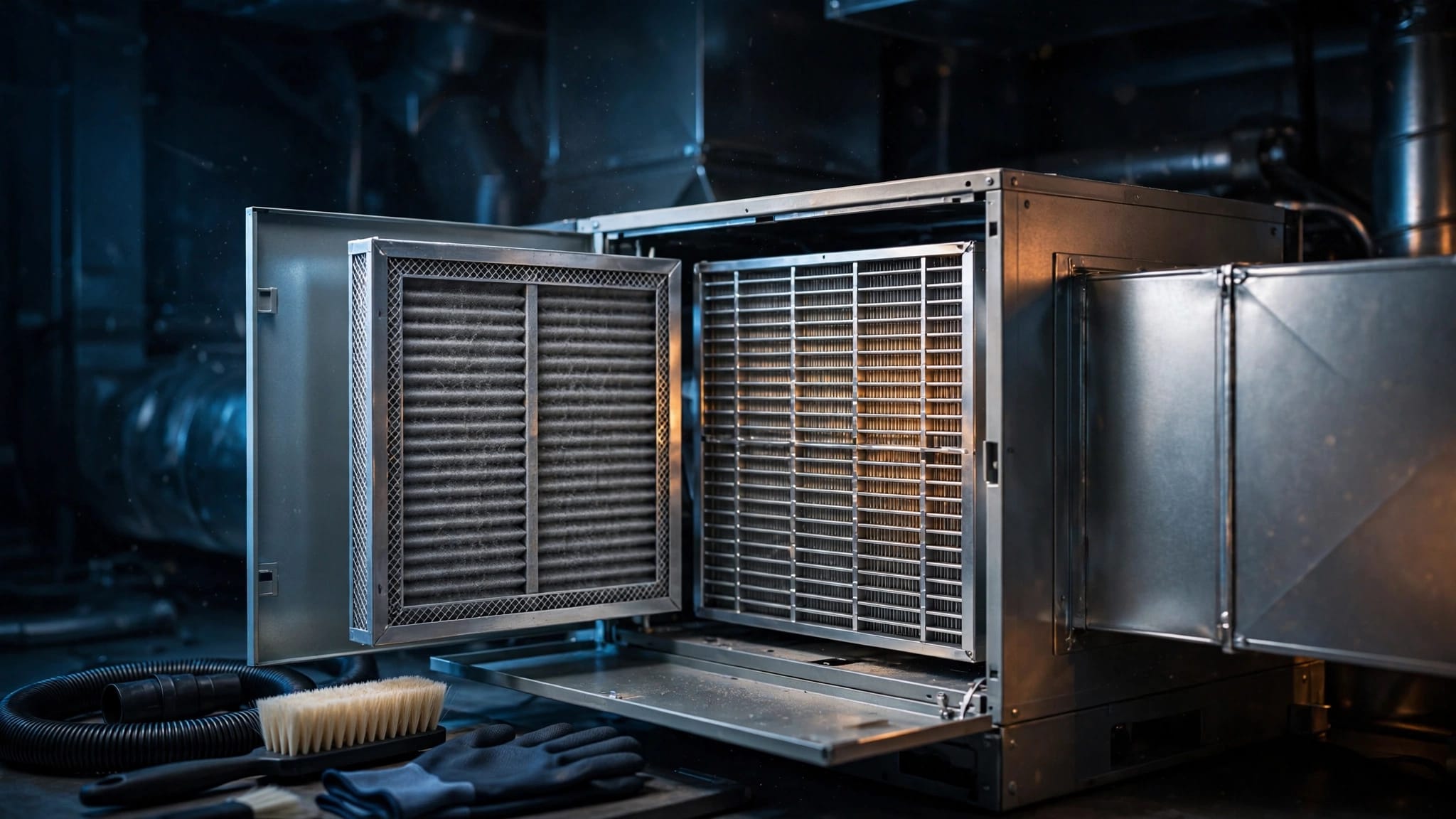
The technician should work methodically through the system. That may include supply branches, return pathways, trunk lines, crossover ducts, register boots, and the air handler cabinet when those areas are part of the agreed scope.
You can review what to expect during an air duct cleaning before the appointment. The details matter because a low price may cover only a few vents, while a complete service accounts for the connected duct system.
After cleaning, the technician should reinstall registers, remove protective coverings, and review the results. Ask whether the crew found disconnected ducts, tears, crushed sections, pest evidence, excessive moisture, or areas they couldn't access.
A clean system may support better airflow when dust or debris was restricting movement. Yet cleaning won't compensate for an undersized system, a failing blower, a closed damper, a refrigerant problem, or a leaking duct. If a room remains uncomfortable, the next step may be HVAC testing or duct repair.
How Access Affects the Service
Mobile home access can change the work more than the home's room count. A duct beneath an open and dry area is easier to inspect than one blocked by skirting, landscaping, storage, standing water, or a damaged underbelly.
Before the appointment, clear items near indoor registers and the HVAC closet. Tell the company about recent renovations, pest activity, water leaks, cigarette smoke, persistent odors, or rooms with weak airflow. Those details help the technician plan the inspection.
A written estimate should explain whether it includes supply ducts, return ducts, the air handler, register cleaning, crossover ducts, and any accessible under-home work. It should also identify possible extra charges before work begins.
Air Duct Cleaning and Dryer Vent Cleaning Are Separate
A dryer vent is not part of the home's air distribution system. Cleaning the air ducts won't remove lint from the dryer exhaust line, and dryer vent cleaning won't clean the HVAC ducts.
Mobile homes often have dryer vents that travel through tight spaces or exit through the side or rear wall. Lint can build up when the vent is long, crushed, disconnected, or restricted by a damaged termination. A blocked vent may leave clothes damp, make the dryer run longer, or cause the appliance and surrounding area to become unusually hot.
Have the dryer vent inspected if drying times have increased, lint collects around the dryer, the vent flap barely opens, or the appliance has moved and pinched the exhaust hose. Clean the lint screen after every load, but remember that the screen doesn't remove lint trapped inside the vent line.
Scheduling both services can make sense when dust, odors, and dryer performance problems appear together. They still require separate equipment and separate checks.
How to Choose a Florida Duct Cleaning Company
Price comparisons become useful only after you know what each company includes. Ask whether the estimate covers the full connected system or only the visible registers. Also ask how the crew handles flexible ducts, underfloor access, damaged insulation, and suspected microbial growth.
Important questions include:
- Is the company insured?
- Will the technician inspect the system before quoting the work?
- Does the price include both supply and return ducts?
- What equipment will create negative pressure?
- How will the crew protect the home?
- What happens if the technician finds torn or disconnected ductwork?
- Are sanitizer, odor, or microbial treatments optional and clearly explained?
You can also review these questions to ask duct cleaning companies before accepting an estimate. A trustworthy company should explain the reason for cleaning now instead of promising that every home needs the service on the same annual schedule.
For Gulf Coast property owners, Adkins Duct Cleaning & Dryer Vent Service provides air duct cleaning, dryer vent cleaning, odor removal, microbial treatments, sanitizers, UV light installation, and air purification services. The Fort Myers-based company works with homes and businesses in communities including Naples and Tampa, with more than 16 years of experience.
If your mobile home's duct system or dryer vent needs an inspection, you can Get a Free Estimate and discuss the home's layout, symptoms, and access conditions.
Conclusion
Mobile home duct cleaning in Florida changes because the ductwork often sits beneath the floor, uses flexible materials, and connects through compact spaces. Humidity also makes it important to look for moisture, damaged insulation, odors, and microbial growth instead of treating every problem as loose dust.
The strongest service starts with inspection, uses controlled negative pressure, cleans the accessible system, and explains repairs that cleaning cannot provide. When the work matches the home's actual duct layout, you get a clearer answer about what is affecting your indoor air and airflow.