What Makes Funeral Home Duct Service Different?
Funeral home duct service requires the same careful inspection and cleaning as other commercial HVAC work, but the service plan must account for grieving families, private spaces, and unpredictable schedules. Noise, equipment placement, and airflow interruptions all matter.
A successful visit starts with coordination with staff . That helps the crew address a confirmed duct issue while protecting the calm environment families expect.
How Funeral Home Duct Service Compares With Other Buildings
An office, retail store, and funeral home may all have multiple rooms and shared HVAC equipment. The difference is how each building uses those spaces and how much disruption people can tolerate.
A funeral home may need visitation rooms ready on short notice. Staff may also need to restrict access to preparation areas and keep public hallways clear. In an office, maintenance might be scheduled around regular business hours. A funeral home may have a less predictable calendar.
Here are a few practical differences that affect the service plan.
| Planning issue | Typical commercial building | Funeral home |
|---|---|---|
| Scheduling | Work may follow established business hours. | Appointments must account for services, family visits, and changes to the calendar. |
| Noise and access | Some maintenance activity may be expected near occupied areas. | Public rooms and family routes need particular care during visits. |
| Room use | Offices or sales areas may have similar comfort needs. | Visitation rooms, offices, and preparation areas can have different airflow needs. |
| Staff coordination | A property manager may manage access. | Staff need to coordinate access around private activities and family arrivals. |
The cleaning equipment may be similar in both settings. The timing, room access, and communication need to fit the funeral home's operations.
Start With an Inspection and a Clear Scope
A dusty grille can draw attention, but it doesn't establish that the entire duct system needs cleaning. At Adkins Duct Cleaning, we recommend looking at the condition of the system before deciding what work makes sense.
Look beyond the vent cover
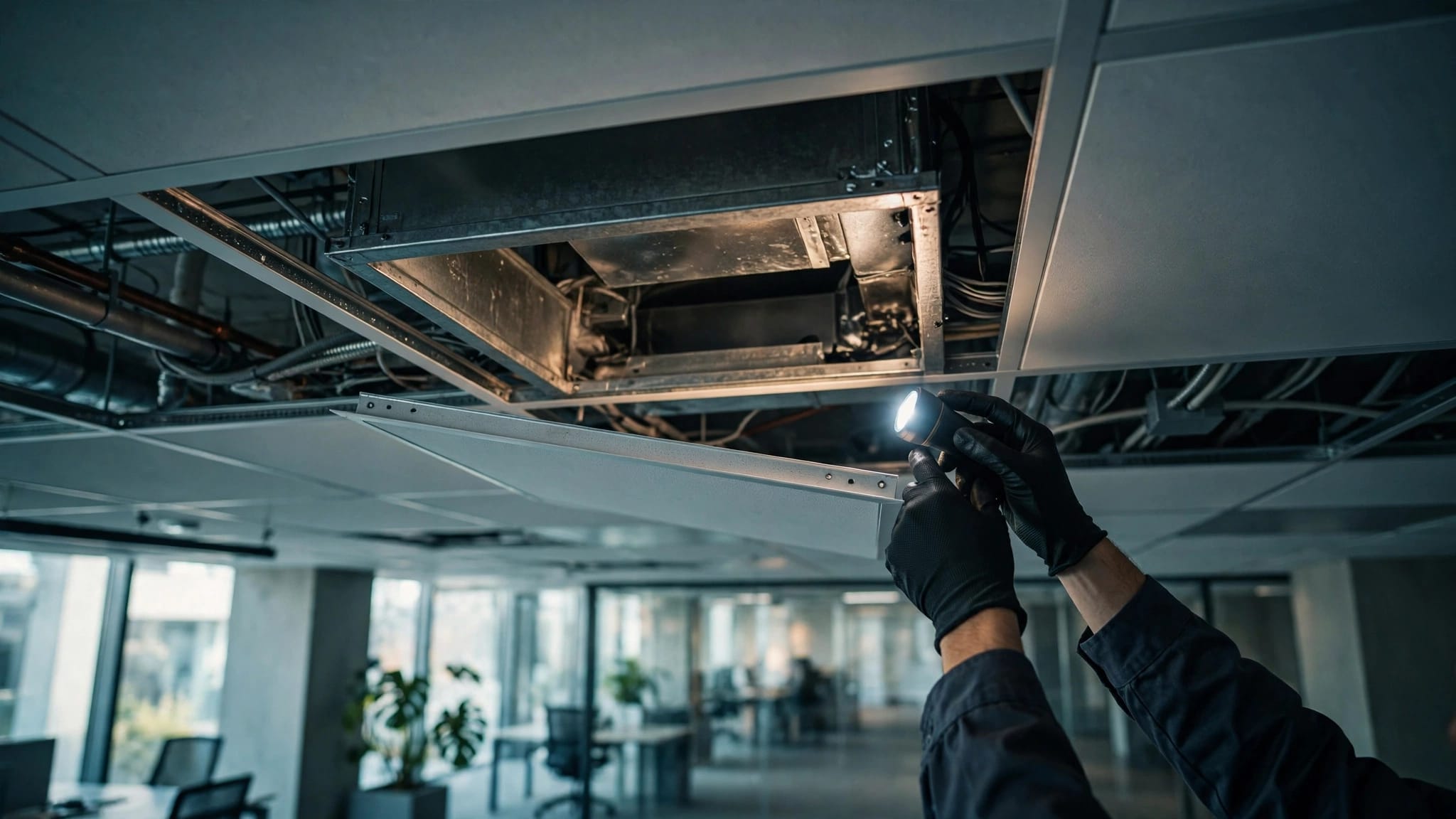
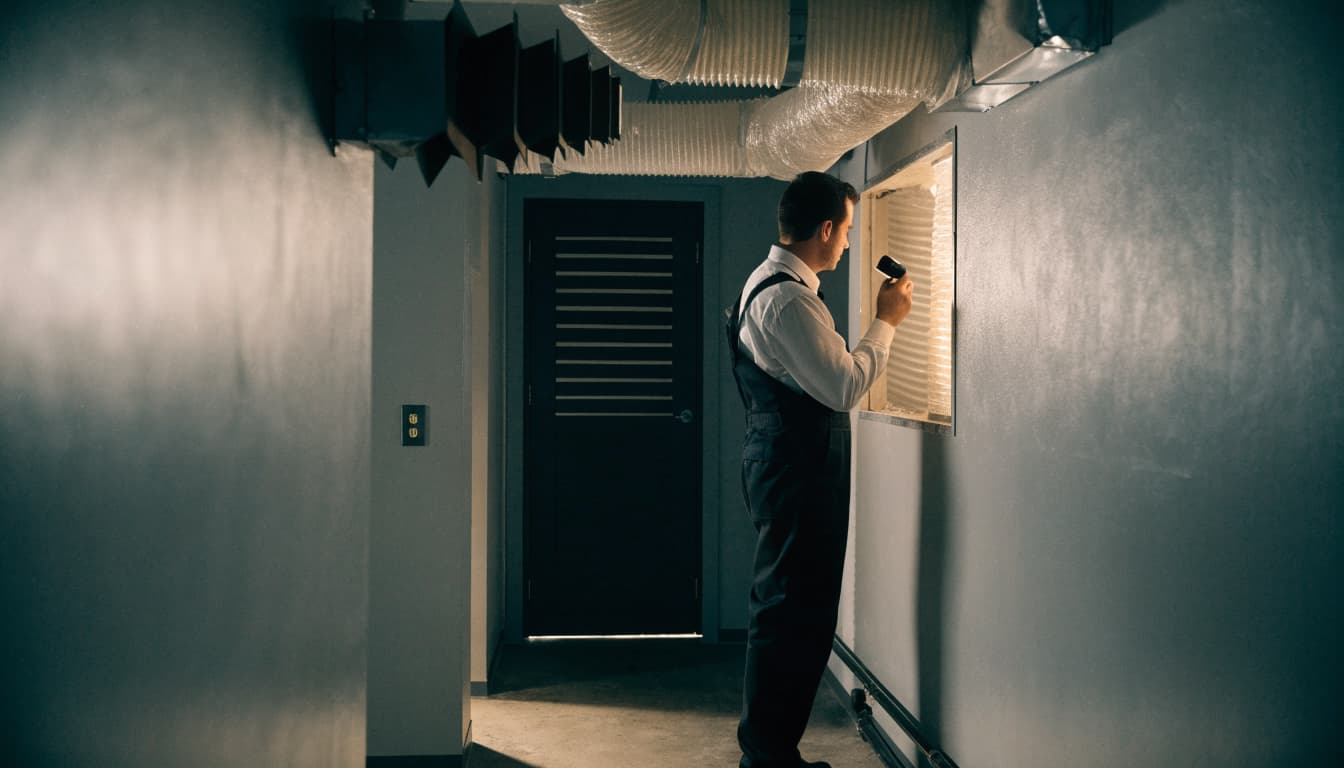
An inspection can identify visible buildup inside accessible ducts, debris blowing from supply registers, or dust left after remodeling. It can also reveal problems that need a different response, such as disconnected ductwork or damaged insulation.
Cleaning a grille may improve its appearance without addressing debris deeper in the system. Our comparison of register cleaning and full-system service explains the difference.
Put the work in writing
A useful scope identifies the affected system, supply and return ducts, access points, and components included. It should also identify what falls outside the visit, such as mechanical repairs or dryer exhaust cleaning.
Where more than one air handler serves the building, the scope should identify each system included. That prevents staff from assuming an estimate covers every room when it applies to only one system.
Set Realistic Expectations for Odor Control
A noticeable odor can be unsettling in a place where families expect a comfortable setting. Finding its source matters before anyone recommends duct cleaning or an odor treatment.
Identify where the odor starts
Staff can help by noting which rooms are affected, when the odor appears, and whether it changes when the HVAC system runs. That information can help a technician distinguish a duct concern from an issue elsewhere in the building.
Odors can linger in furnishings, flooring, or other materials. A musty smell can also point to a moisture problem that needs attention beyond cleaning. If wet insulation or damaged duct material is present, removing surface dust won't restore it.
Know what cleaning can remove
Duct cleaning can remove accessible dust and debris from the system. It may reduce odor associated with residue inside the ducts, but it can't promise to eliminate a smell absorbed by materials elsewhere.
A duct vacuum also isn't designed to remove chemical vapors from the air. Source control and appropriate ventilation require a separate response. Our guide to what duct cleaning can and cannot remove covers those limits in more detail.
Treatments and sanitizers should never be assumed to be part of standard cleaning. If a product is proposed, the written scope should identify it and explain why it fits the condition.
Plan Around Airflow and HVAC Zones
Funeral homes can have public rooms, offices, and non-public work areas with different comfort and ventilation needs. The actual system layout determines how a service interruption affects them.
Identify shared systems before work begins
Rooms with separate thermostats don't always have separate duct systems. Conversely, a building may have multiple air handlers serving different areas. Identifying which equipment serves each room helps staff plan access and understand which spaces may lose heating or cooling during work.
In Florida, an interruption to cooling can matter even when a room is empty. Staff may need time to restore a comfortable temperature before families arrive. A contractor and the building's HVAC professional can coordinate the shutdown and restart plan when needed.
Keep ventilation decisions separate from cleaning
Duct cleaning removes material from accessible duct surfaces. It doesn't correct every cause of weak airflow or an uncomfortable room. A loaded filter, crushed duct, dirty coil, or blower problem may need a different service.
Airflow direction and dedicated exhaust can matter in non-public work areas. Those systems shouldn't be altered as a shortcut for cleaning. A qualified HVAC professional should handle changes to ventilation or controls.
Schedule Work Around Services and Family Visits
A funeral home's schedule can change with little notice. A practical plan leaves room for that possibility instead of treating the appointment as a fixed block that must continue regardless of building activity.
Choose a usable work window
Staff can identify times when the affected rooms, access routes, and HVAC equipment are available. That may be between events or outside public visiting hours, depending on the building's calendar.
The crew also needs time to set up, clean, reseal access points, remove equipment, and restore the work area. A brief gap between appointments may not provide enough time for the full scope.
Agree on a pause plan
Before work starts, staff and the crew can agree on who communicates a schedule change and where equipment can be moved if an area becomes unavailable. The plan should address what happens if the system is open or the cleaning equipment is running when work needs to stop.
A pause doesn't have to mean rushing through the remaining ducts. It may mean securing the work area and arranging another visit for the unfinished portion.
Keep the Visitation Room Calm
A quiet room can be disrupted by more than the sound of a vacuum. Hoses across a hallway, an open access panel, or technicians carrying equipment past arriving family members can draw attention at the wrong time.

Duct cleaning isn't silent. Collection equipment, agitation tools, and the removal of registers can all create noise. For that reason, noisy work near visitation rooms is best planned for a period when those rooms aren't in use.
Equipment placement matters, too. A route through a service entrance or a back hallway may keep hoses and tools away from guests. The available layout will determine what works without blocking exits or staff access.
Protective coverings should fit the room and the work. Floors, furnishings, registers, and nearby surfaces need appropriate protection, followed by cleanup before the room returns to use. Staff should have an opportunity to walk through the affected area after the crew finishes.
Coordinate Access and Privacy With Staff
A designated staff contact gives the crew one person to approach about room access, schedule changes, and questions during the visit. That person doesn't need to manage every technical step, but they should know which spaces are available.
Before technicians enter non-public areas, staff can explain any access restrictions and identify a suitable route to the equipment. The crew should avoid photographing private activities or personal information while documenting system conditions.
A short handoff at the end of the appointment can cover the work completed, areas that couldn't be accessed, and any visible damage or moisture concerns. Photos of duct conditions can help document findings when they can be taken without compromising privacy.
If a separate HVAC repair is needed, that finding should be distinguished from the cleaning work. Similarly, dryer vent cleaning should appear as a separate item unless the agreed scope includes it.
Use a Cleaning Method Suited to the Ductwork
When inspection supports cleaning, the method should collect loosened debris and suit the material being cleaned. A funeral home may have sheet-metal ducts, flexible runs, insulated components, or a combination of materials.
Contain dust during removal
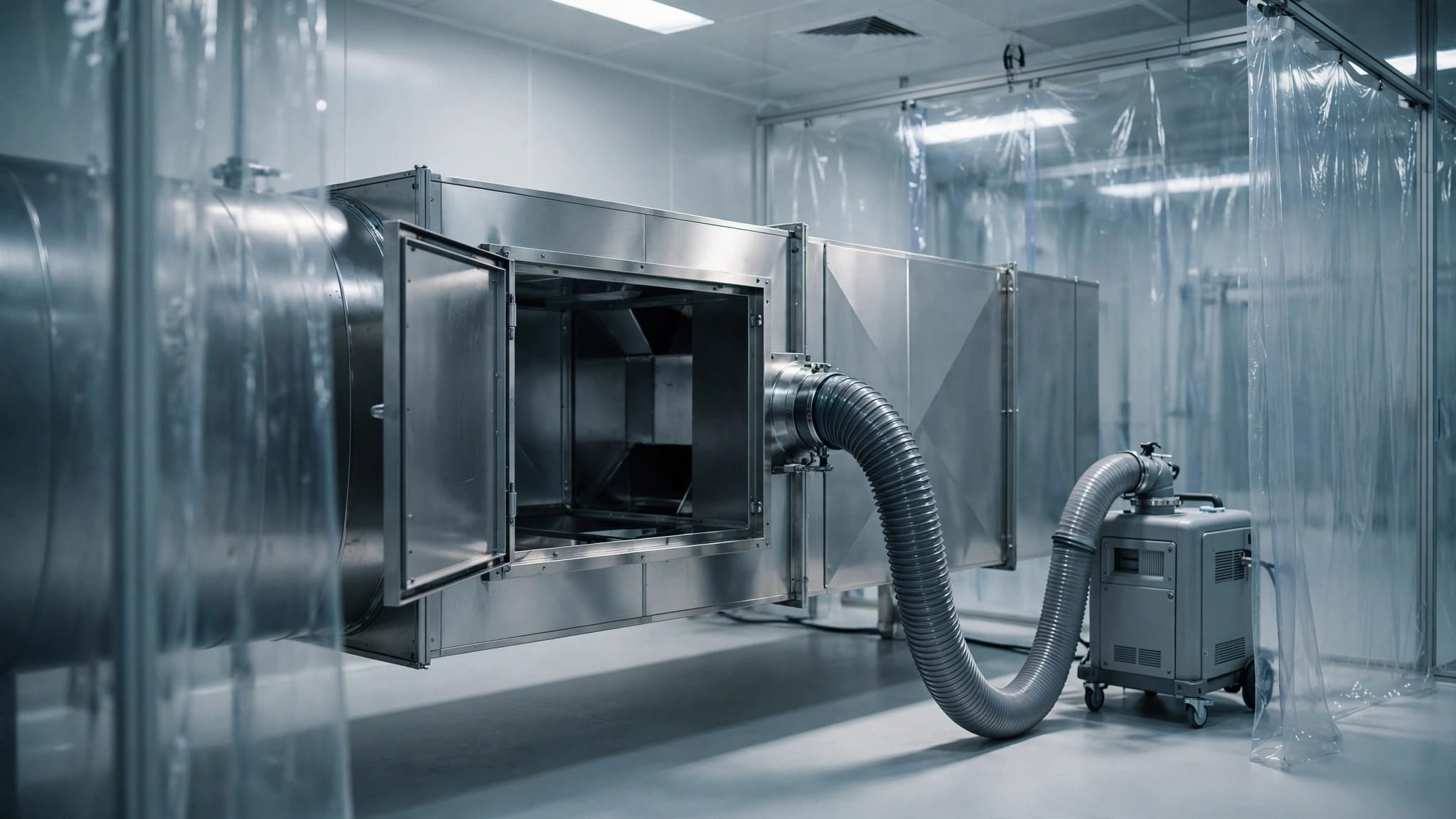
Professional cleaning commonly uses a collection vacuum connected to the ductwork. The vacuum creates negative pressure in the section being cleaned while suitable tools loosen debris for collection.
That cleaning pressure is different from the airflow relationships between rooms. It doesn't replace a building ventilation assessment. You can read more about how negative-pressure duct cleaning works.
Address damage before continuing
Tools should match the condition of the duct. Flexible duct lining and deteriorated insulation can be damaged by aggressive agitation. If the crew finds wet material, exposed wiring, or suspected hazardous material, work should pause until the condition is assessed.
After cleaning, access points and registers need to be reinstalled or resealed. The crew can then remove protective coverings and review the completed scope with staff.
A Service Plan That Respects the Building
Funeral home duct service works best when the cleaning plan follows the building's needs. Inspection establishes whether cleaning is appropriate, while staff coordination protects privacy and keeps family spaces ready.
Clear scheduling and a written scope also help everyone understand when equipment will be off and what the visit includes. The goal is useful cleaning with minimal disruption , not work performed simply because a vent looks dusty.
If your funeral home needs an inspection or cleaning, you can Get a Free Estimate for air duct or dryer vent service.