
What Happens During Dryer Vent Cleaning in Florida Homes

Adkins Duct Cleaning • June 24, 2026

A dryer that needs two cycles is usually telling you something. In Florida homes, that something is often a vent loaded with lint, moisture, or both.

Heat, humidity, and heavy laundry use can make the problem show up sooner than you expect. That is why dryer vent cleaning in Florida is often part of regular home care, not an afterthought.

The visit is straightforward, and it helps to know what should happen before anyone arrives. Here's what a typical service call looks like.

Florida humidity changes the timeline

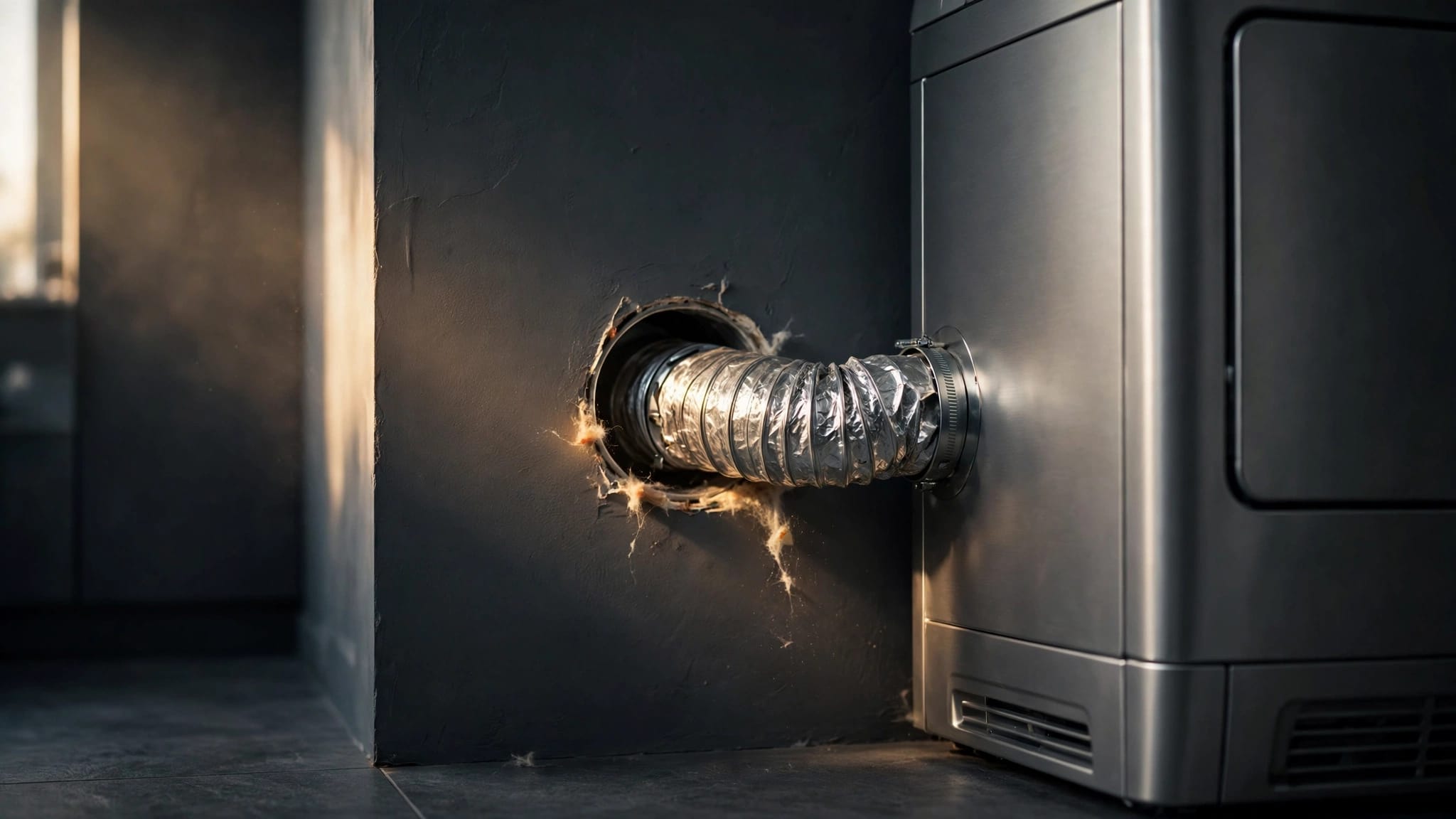
Florida weather puts extra stress on dryer vents. Warm, damp air can cling to lint inside the line, and that lint sticks together faster than it does in a drier climate.

That matters because a vent that traps lint also traps heat. Your dryer works longer, the laundry room feels warmer, and clothes can come out damp even after a full cycle.

Households with pets, kids, or frequent towel and bedding loads often see buildup sooner. Long vent runs, roof exits, and tight laundry closets can make it worse.

If you want a simple overview first, how dryer vent cleaning works breaks the job into plain steps.

Most Florida homes do well with annual service. Some need it sooner, especially if the dryer gets heavy use or the vent path has sharp turns.

What a technician checks before the cleaning starts

A good visit starts with questions. The technician will usually ask how long the dryer has been taking, whether clothes smell musty, and whether you have noticed heat around the laundry area.

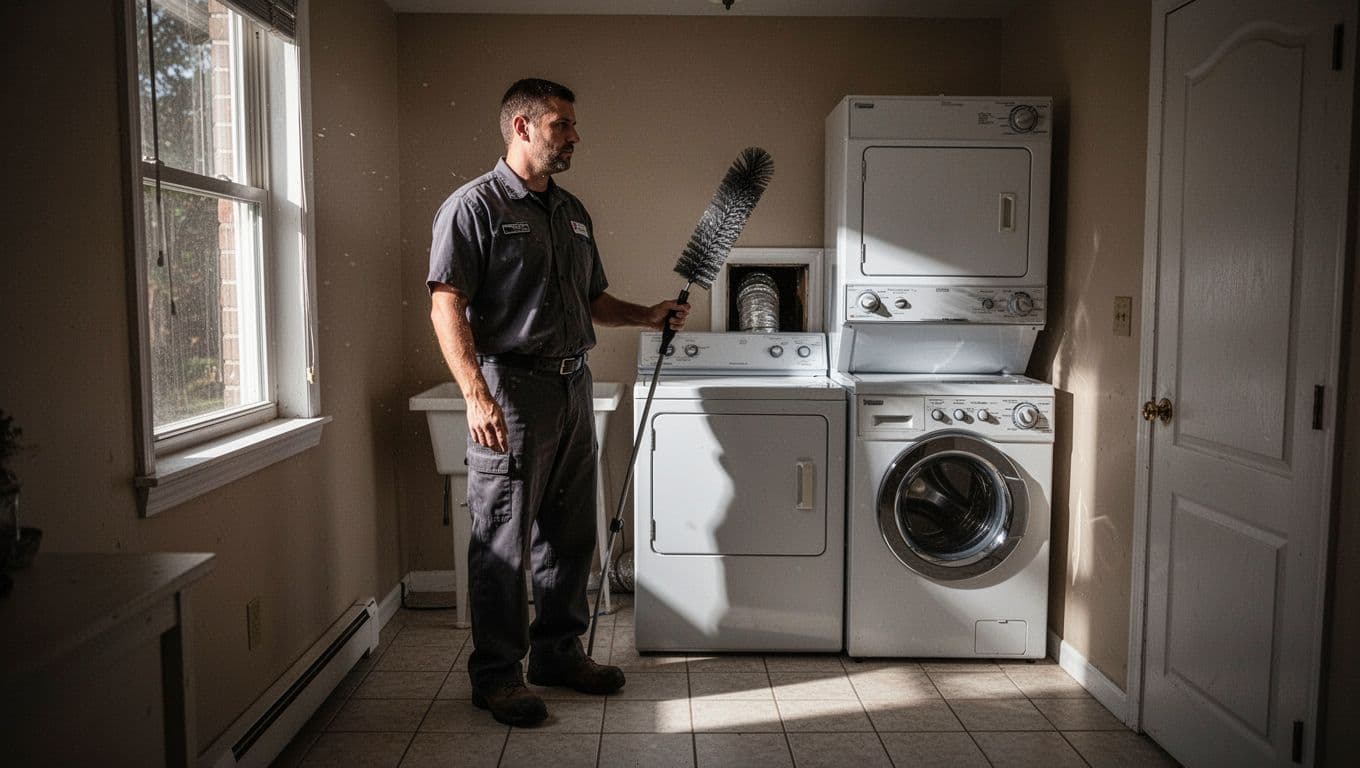
Next comes the inspection. The technician looks at the dryer connection, the vent hose, the exterior cap, and any visible sections of ductwork.

A good dryer vent inspection can reveal hidden issues before the brush tools ever come out. That includes crushed hoses, loose clamps, poor vent materials, and blockages that sit out of sight.

The dryer is often moved a little so the back can be reached. In many homes, it comes forward only as far as needed. The tech should disconnect power first, then handle the appliance carefully so nothing gets scratched or strained.

Before cleaning begins, airflow is often checked. That test gives a starting point, so the final result is easy to compare later.

How the vent gets cleaned inside and out

Once the vent is open, the cleaning begins at the dryer connection or at the exterior cap, depending on the layout. Technicians use vacuum systems, brush heads, and flexible rods to break up lint and pull it out of the line.

The goal is to clear the full path, not just the easy part near the dryer. A vent can look clean at one end and still hold a thick pocket of lint deeper inside.

Exterior vent caps matter too. If the flap sticks, the hood is bent, or debris has gathered around it, airflow can stay weak even after the main line is cleared.

In Florida, moisture matters as much as lint. A vent that stays damp can hold debris tighter and leave behind a musty smell.

The exact tools vary by home. Some vents need a short, direct cleaning. Others need more time because the run is long, curved, or hidden in a wall or ceiling.

The cleaner the vent path, the less work the dryer has to do. That means shorter drying times, lower strain on the machine, and less heat trapped in the laundry room.

Cleanup, reassembly, and the final test

After the line is cleaned, the technician puts everything back together. The dryer hose gets reconnected, clamps are checked, and the appliance is set back in place with enough room to breathe.

Then comes the final test. The technician may run the dryer for a short cycle or test the airflow at the exterior vent to see how well air is moving out of the home.

This step matters because a clean line should feel different. Air should move more freely, the dryer should sound more normal, and the outside vent should show stronger exhaust.

The cleanup should be part of the service too. Lint, dust, and any pulled-out debris should be removed from the floor and the work area before the visit ends.

A homeowner should leave with a few clear notes. If the vent hose is crushed, too long, or made from the wrong material, cleaning alone may not fix the issue for long.

What the technician finds What it usually means
Lint packed near the dryer The transition hose may be trapping debris
Weak air at the outside vent The line may still have a bend or hidden clog
Loose or damaged connector Air can leak out and lint can escape
Sticky or bent vent flap The exterior cap may need repair or replacement

These notes help you see whether you only needed cleaning or whether a small repair would improve the result.

How often Florida homes need this service

For many Florida households, once a year is a smart starting point. Homes with large families, pets, long vent runs, or heavy laundry use may need service sooner.

The signs usually show up in daily life first. Clothes take more than one cycle. The laundry room feels hot. The outside vent flap barely opens. A musty odor lingers near the dryer.

Call sooner if you notice any of these:

  • Clothes are still damp after a normal cycle.
  • The dryer cabinet feels hotter than usual.
  • Lint appears around the outside vent.
  • The laundry room has a damp or stale smell.

A dryer that suddenly slows down is often asking for help, not new settings.

Florida moisture can also make small problems show up faster. A vent with a weak seal or hidden buildup can hold damp air, and that can lead to odor and mold concerns around the laundry area.

If your dryer has started acting up, it makes sense to compare the signs before the problem grows. Get a Free Estimate if you want to see whether your vent needs cleaning, inspection, or both.

Conclusion

A typical dryer vent cleaning visit is simple, but it does a lot. The technician inspects the vent path, checks airflow, removes lint, cleans the exterior opening, and tests the system again.

For Florida homeowners, the biggest payoff is usually safer airflow , better drying, and less moisture trapped around the appliance. Knowing what happens during the visit makes it easier to spot when your home is due for service.

When a dryer starts taking longer or the laundry room feels too warm, the vent is a good place to look first.

By Adkins Duct Cleaning June 23, 2026
A filter that faces the wrong way can slow an HVAC system fast. The thermostat may keep calling for air, but rooms feel flat, stuffy, or slow to recover. A backward air filter often hides in plain sight because the unit still runs. The fix starts with the arrow on the frame. T...
By Adkins Duct Cleaning June 22, 2026
A dark spot on a vent cover often starts with moisture, not neglect. In Florida, that moisture shows up fast because cool indoor air meets hot, humid outdoor air all the time. That mix makes vent cover mildew a common sight in homes across the state. Dust gives it something to...
By Adkins Duct Cleaning June 21, 2026
A bedroom that feels fine with the door open can turn muggy once you close it. In Florida, that often points to air pressure, not just a weak AC. A jump duct in Florida homes can help, but only when the room and the system are a good match. Closed doors, tight weatherstripping...