Signs Your Dryer Vent Pipe Is Disconnected
A dryer can still run while its vent pipe slips apart behind the machine. When that happens, hot, lint-filled air goes where it should not, and the warning signs often show up in plain sight.
A disconnected dryer vent can leave clothes damp, raise your energy use, and overheat the laundry room. In a gas dryer, it can also create carbon monoxide concerns, which makes the issue more than a nuisance. The good news is that you can spot many of the clues without taking the dryer apart.
Why a loose dryer vent pipe deserves attention
The vent pipe has one job, move heat, lint, and moisture out of the home. If the connection opens, that air leaks into the laundry area, inside a wall cavity, or behind the dryer.
That leak creates more than a mess. Lint is dry fuel, so a buildup near the connection raises fire risk. Warm, damp air can also soak drywall, cabinets, and flooring. Over time, that moisture can lead to mold, musty odors, and peeling paint.
A gas dryer needs extra care. If exhaust does not leave the home the way it should, the problem can affect indoor air quality and create carbon monoxide concerns. That is why a loose vent deserves a fast check, not a wait-and-see approach.
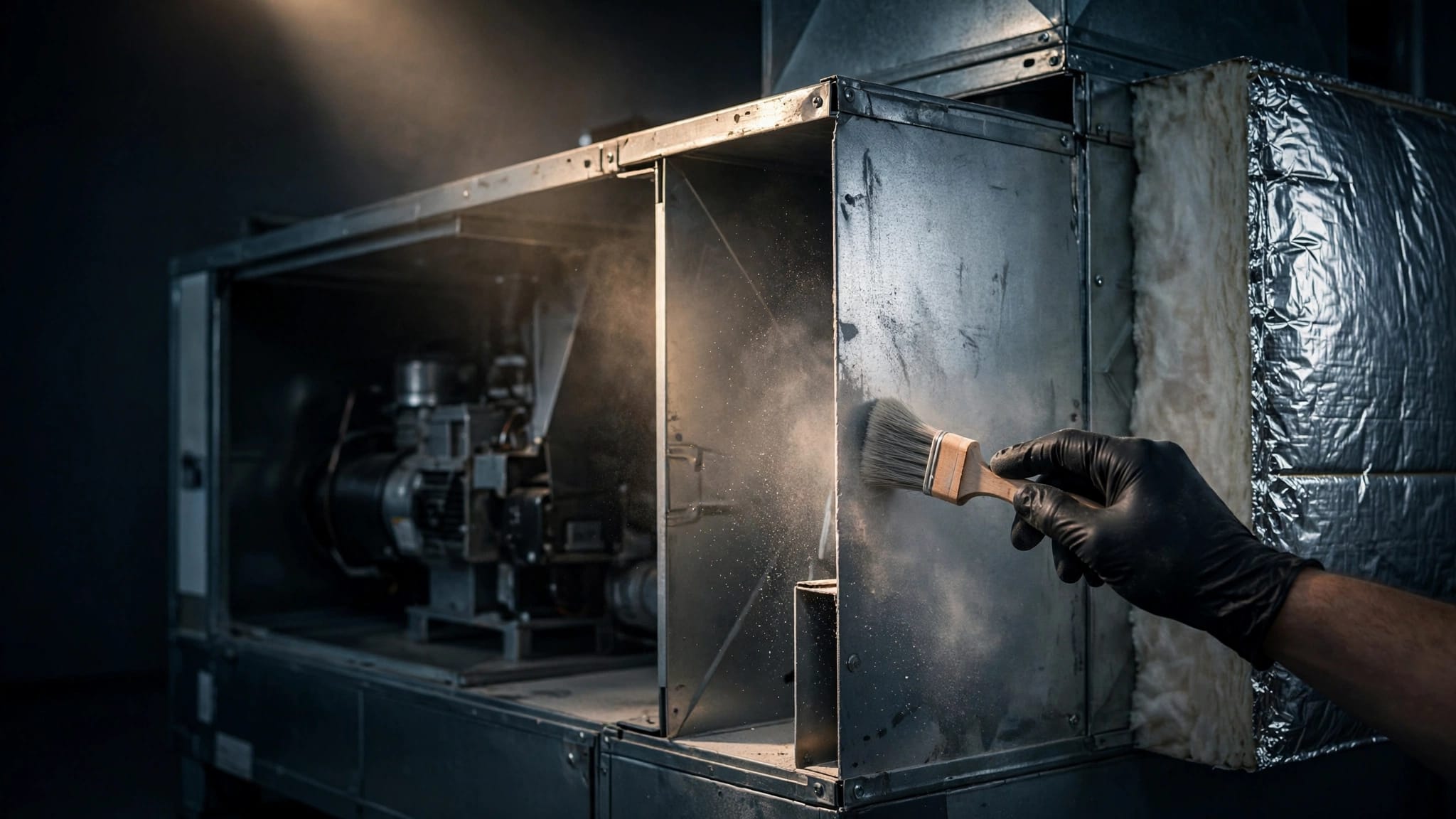
Regular dryer vent cleaning service helps catch buildup before it turns into a bigger repair. It also gives you a chance to spot worn clamps, gaps, and crushed pipe sections before they cause trouble.
Common signs your dryer vent pipe is disconnected
The warning signs usually build on each other. A vent that has come loose often changes how the dryer smells, sounds, and performs.
- Longer drying times often show up first. Clothes may still feel damp after a normal cycle, and heavy items like towels can need a second round. That happens because hot air is not moving out of the drum the way it should.
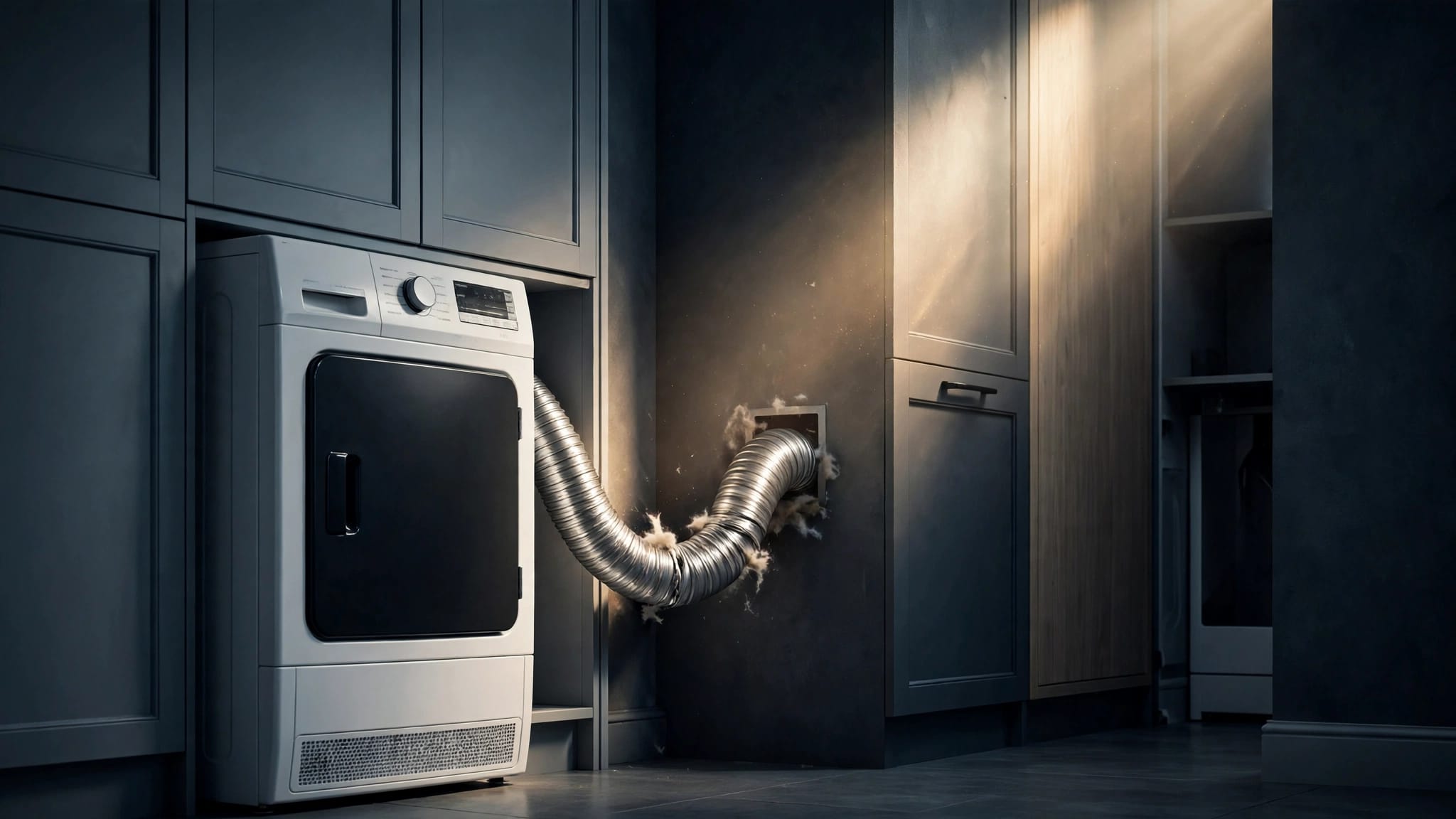
- Excess lint may collect around the dryer, on the floor behind it, or near the wall opening. You may also notice lint around the outside vent cap. If lint is escaping the system, the connection may not be sealed.
- A hot laundry room is another common clue. The room may feel stuffy, humid, or warmer than usual after a load runs. Heat that should leave the house is staying inside instead.
- A burning smell can point to lint that is heating up near the pipe or connection point. The odor is often sharp and dusty, like hot fabric. If the smell gets stronger, stop the dryer.
- Moisture buildup may appear as condensation on windows, damp drywall, or a wet patch near the back of the dryer. Moisture can also gather in nearby corners, especially in small laundry rooms.
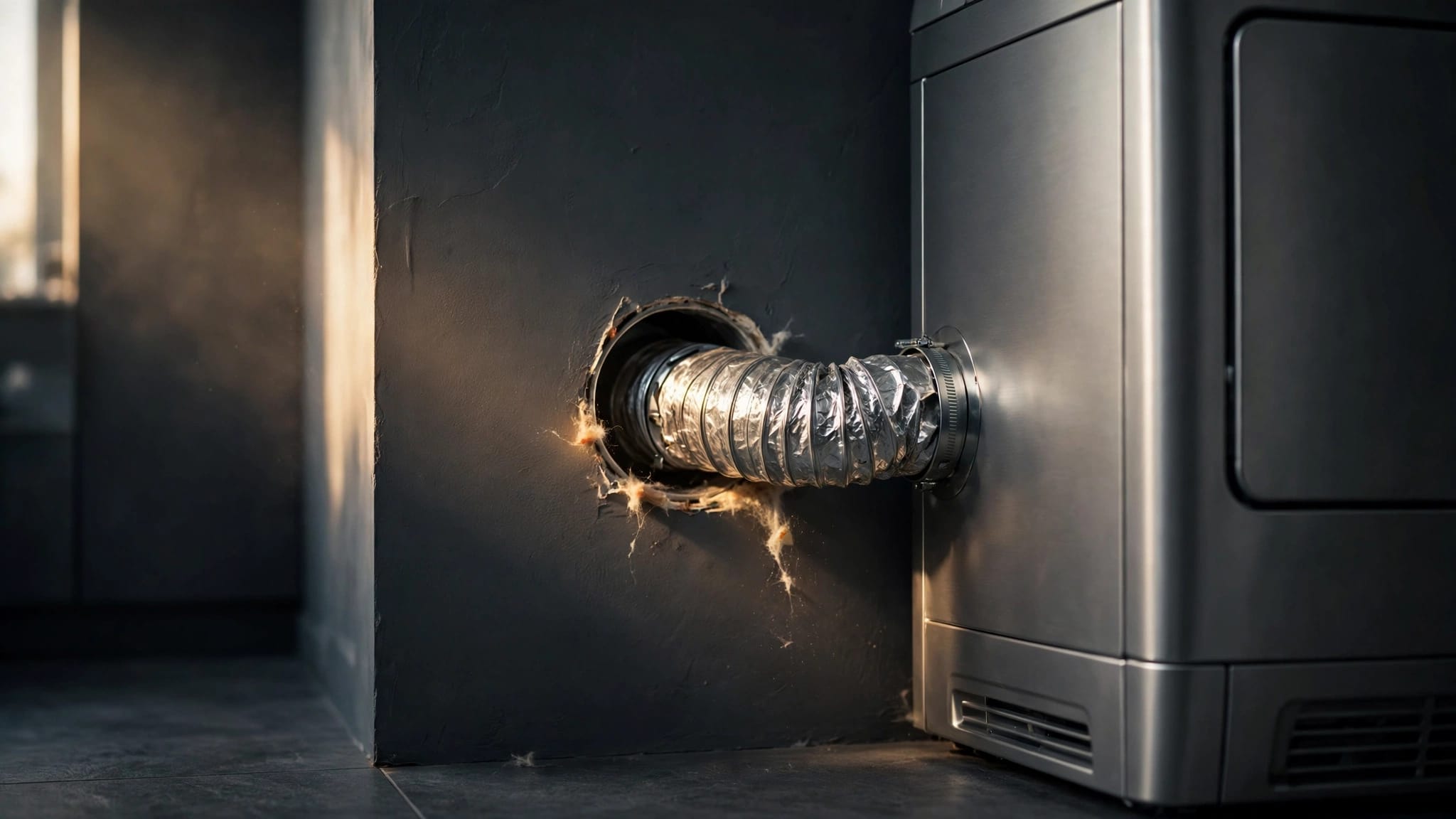
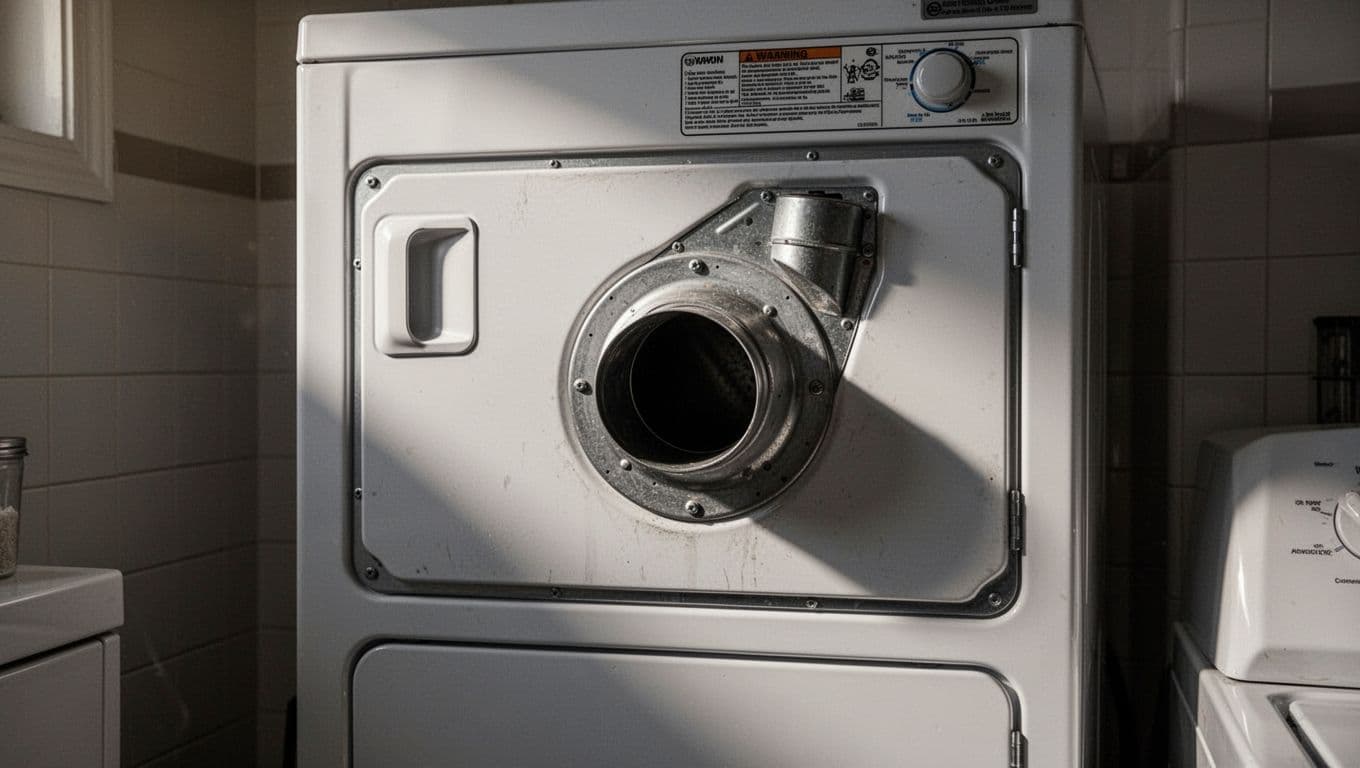
- Visible vent issues are hard to ignore once you know what to look for. The hose may hang loose, a clamp may look off-center, or there may be a gap where the pipe meets the dryer or wall. A crushed or torn hose is also a warning sign.
Sometimes the outside vent gives away the problem. The flap may not open fully, or lint may blow around the edges instead of moving through the vent cap.
How to inspect the connection safely
A quick visual check can tell you a lot, but it should stay simple. You do not need to remove panels or reach into the machine.
- Look behind the dryer with a flashlight. If the appliance moves easily, pull it forward a little. If it feels stuck, stop there. On a gas dryer, don't force the unit if the line seems tight or awkward.
- Check the vent hose at both ends. The pipe should sit snugly on the dryer and on the wall opening. Look for gaps, drooping sections, or a clamp that has slipped out of place.
- Inspect the hose for damage. Cracks, tears, scorch marks, and crushed spots can all cause leaks. Even a small opening can let lint and moisture spill out.
- Watch the exterior vent while the dryer runs, if it's safe to do so. You should see steady airflow and a vent flap that opens. Lint around the outside opening, weak airflow, or a flap that barely moves are all warning signs.
If the hose has slipped off completely, don't run the dryer again until it's repaired.
A safe visual check also helps you spot patterns. If the hose keeps shifting after a few loads, something is stressing the connection. That can happen when the vent run is too long, the hose is bent too sharply, or the clamp is worn out.
When professional dryer vent repair is the safer choice
Some problems are too awkward or too risky to fix on your own. If the vent runs through a wall, attic, crawlspace, or roof, a professional should handle it. Hidden runs can trap lint in places you cannot reach, and a poor repair can make the problem worse.
Call for help right away if you notice any of these signs:
- The dryer is gas and the room smells unusual.
- You see scorch marks, melted plastic, or burned lint.
- The vent keeps disconnecting after you push it back in place.
- Moisture has already damaged walls, trim, or flooring.
- The outside vent cap is damaged or blocked.
A visit that includes what to expect during dryer vent service usually starts with a full airflow check and a look at the vent path. That helps find the real cause, whether the issue is a loose hose, a broken clamp, or a clogged section farther down the line.
If the connection looks bad, skip the guesswork and schedule Get a Free Estimate. A proper repair is safer than putting the dryer back into service and hoping the problem stays small.
Conclusion
A disconnected dryer vent pipe usually gives away its location through heat, lint, slow drying, odor, and moisture. Those signs may seem minor at first, but they can point to fire risk, mold growth, wasted energy, and exhaust concerns in gas dryers.
A short visual check can tell you whether the hose is loose, damaged, or leaking around the connection. If you see a clear gap or smell burning lint, stop using the dryer until the vent is repaired.
When the laundry room runs hot and every load takes longer than it should, the vent connection deserves attention right away.