Dryer Vent Booster Fans: A Homeowner's Guide
Dryer vent booster fans can improve airflow in a long exhaust run, but they can't turn an unsafe vent into a safe one. If clothes stay damp after one cycle, the laundry room becomes hot, or the outside flap barely opens, the vent needs inspection before you buy a fan.
Many homeowners search for dryer vent booster fans after a cleaning problem appears. The right decision starts with lint removal, a sound duct, and the dryer's installation manual. If the route is unusually long or has unavoidable resistance, a listed booster may help.
What a Dryer Vent Booster Fan Actually Does
A dryer vent booster fan is an inline fan installed in the exhaust duct. It adds pressure to help move warm, moist air through a long or resistant duct run.
The dryer already has a built-in blower. However, that blower may struggle when the vent travels a long distance, rises through several floors, or includes multiple bends. A booster fan supports the existing airflow instead of replacing the dryer's internal fan.
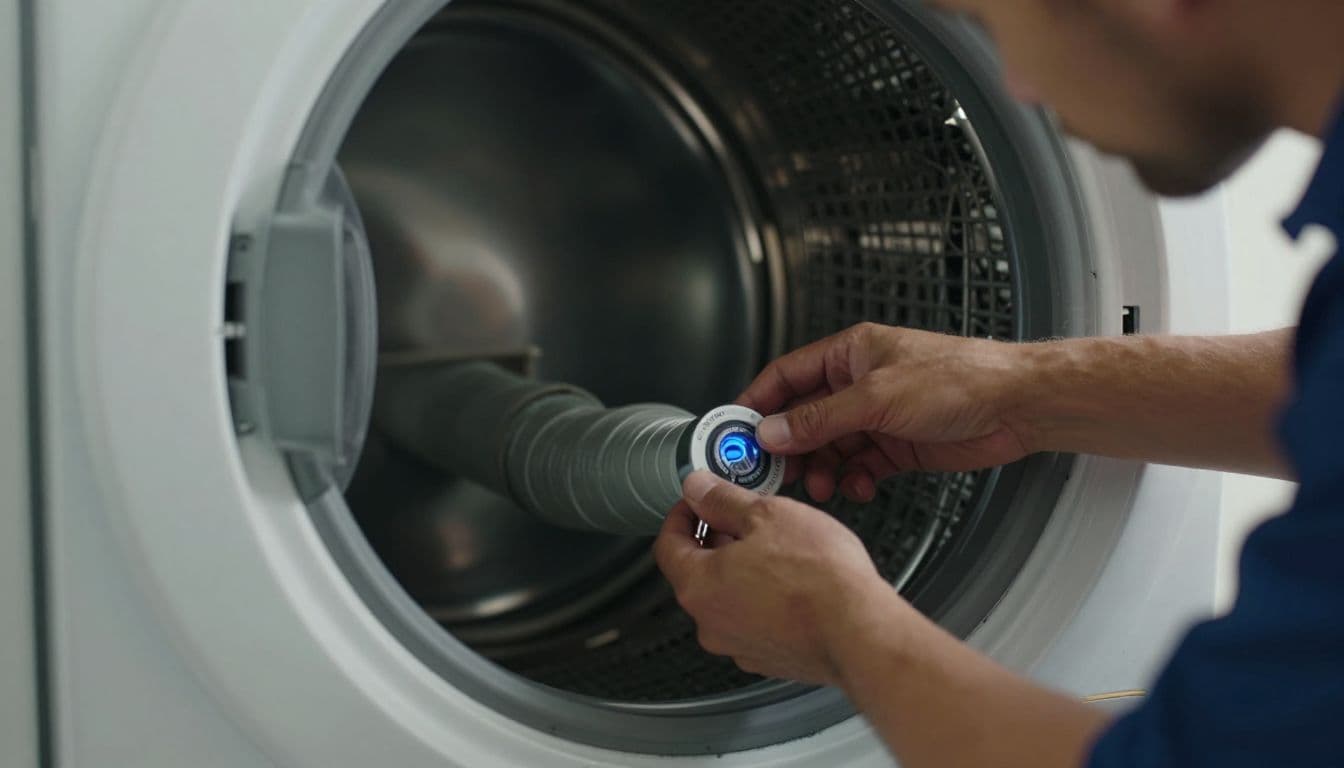
Many booster fans start automatically when the dryer creates a change in air pressure or airflow. Some models use a separate control approved by the manufacturer. The fan should run only when the dryer operates, then shut off when the cycle ends.
A dryer booster fan doesn't clean lint, repair crushed ductwork, or correct a bad termination point. It also doesn't make plastic tubing or an improperly installed vent acceptable. The unit must be designed for clothes dryer exhaust, lint, moisture, and the temperature produced by the appliance.
Bathroom exhaust fans and ordinary HVAC inline fans aren't interchangeable with a dryer booster. A fan that isn't rated for dryer exhaust can collect lint, overheat, or fail under the conditions inside the duct.
Airflow Comes Before Fire Prevention
Poor airflow makes a dryer work longer and run hotter. Lint is combustible, so a vent packed with buildup creates a serious safety concern. A booster fan may improve airflow after the system is clean and correctly installed, but it can't remove the material causing the restriction.
Watch for these warning signs:
- Loads need a second drying cycle more often than they used to.
- The outside vent flap opens weakly or barely moves while the dryer runs.
- The laundry room feels unusually hot, humid, or heavy with dryer odor.
- The dryer, wall, or vent connection gives off a burning smell.
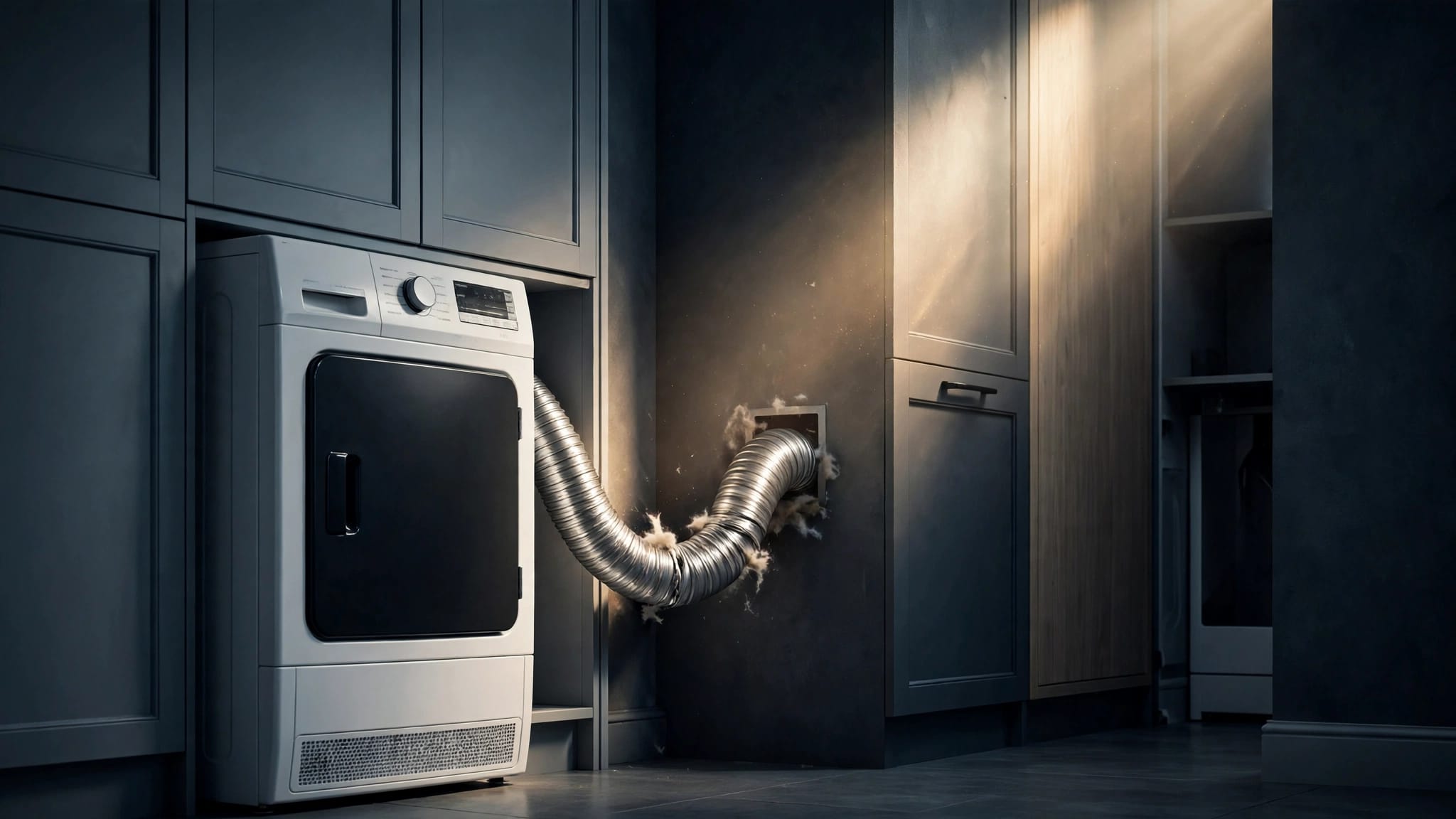
A hot laundry room doesn't identify one exact problem. The hose may be crushed behind the appliance, the exterior cap may be blocked, or the duct may contain years of lint. You can read more about why your dryer makes the room hot before deciding what to do next.
A booster fan can move air through a properly built duct. It cannot make packed lint, crushed hose, or an unsafe termination safe.
Start with basic care. Clean the lint screen before every load, keep the space behind the dryer clear, and check that the outside flap opens during operation. If airflow remains weak, stop treating the symptom as a fan problem.
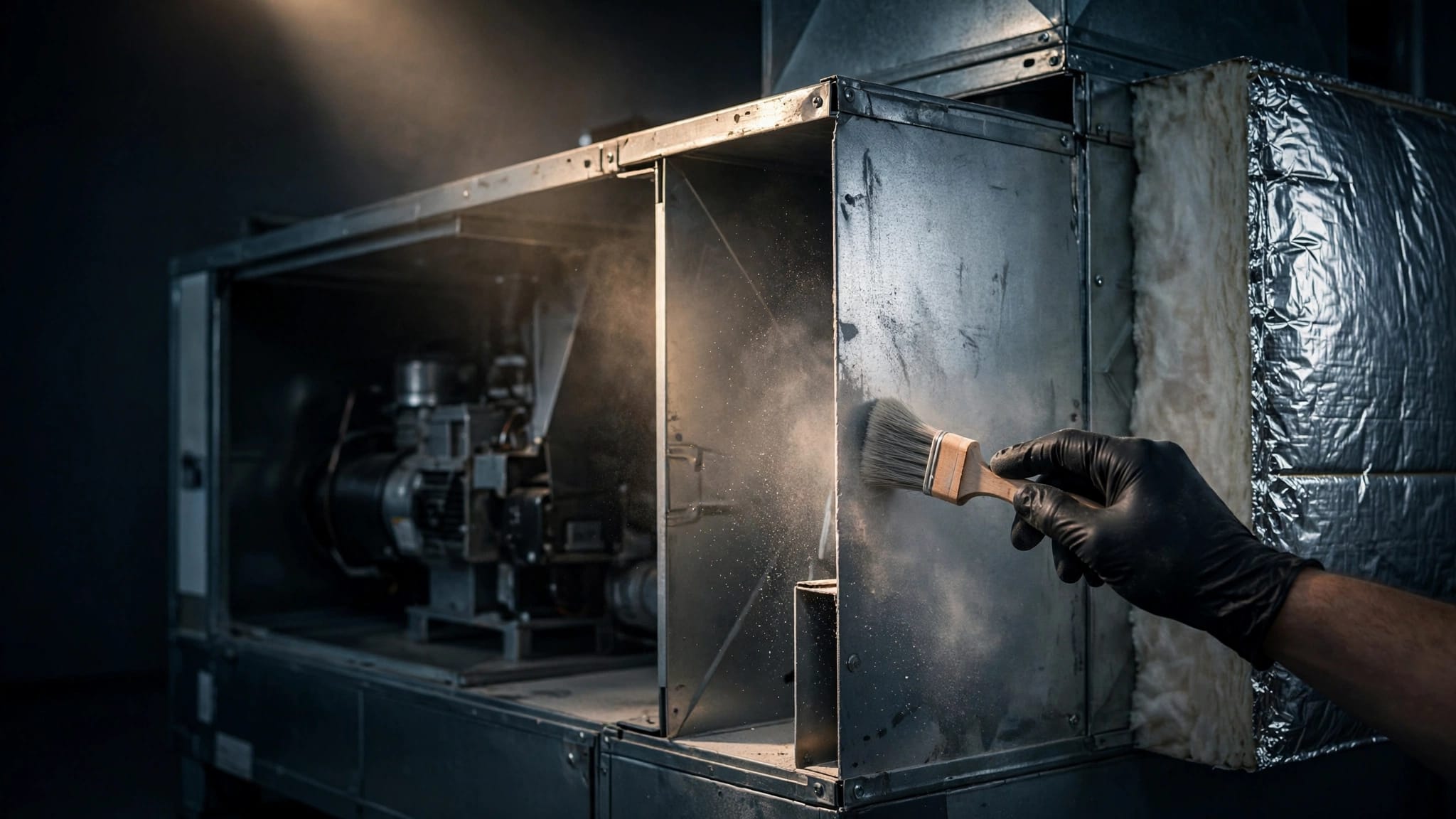
A thorough dryer vent cleaning process includes inspecting the vent path, removing lint, cleaning the exterior opening, and checking airflow again. Those steps should happen before booster fan installation.
When Do You Need Dryer Vent Booster Fans?
The need for dryer vent booster fans depends on the duct design, not simply on how old the dryer is. A clean, short, straight vent usually has enough airflow without added equipment.
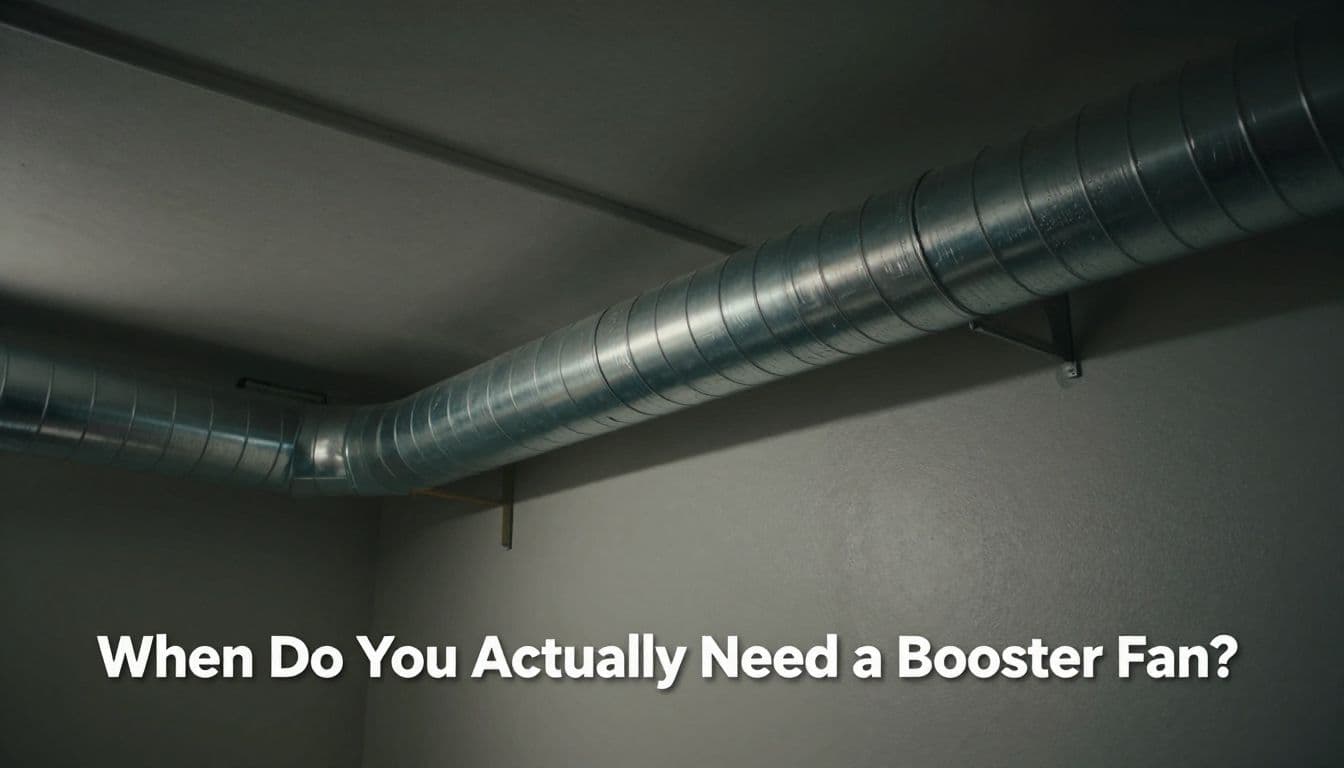
A booster may be appropriate when the laundry area is far from an exterior wall and the duct must travel a long distance. Multiple bends, vertical sections, tight framing, and limited routing options can also increase resistance. A professional should inspect the complete path before recommending a fan.
Check the dryer installation manual for its maximum exhaust length and approved duct materials. Local building requirements may calculate allowable length using the number and type of bends. A booster doesn't automatically override those requirements.
If the vent is short but drying performance is poor, cleaning or repair is usually the better answer. A crushed transition hose, disconnected joint, damaged duct, or blocked exterior cap needs correction. Rerouting may also solve the problem without adding a fan.
The termination point deserves close attention. Dryer exhaust should discharge outdoors, not into an attic, crawlspace, garage, or wall cavity. If you suspect a dryer vent terminating in the attic, correct that hazard before considering any airflow device.
How to Choose and Install One Safely
Choose a fan made for dryer exhaust
Look for a booster specifically approved for clothes dryer applications. Match the fan to the duct diameter, airflow needs, electrical requirements, and installation limits listed by the manufacturer.
Automatic operation is useful because you shouldn't need to remember to turn the fan on before each load. A pressure-sensing or airflow-sensing control can start the unit as the dryer runs. Follow the product instructions instead of mixing parts from different systems.
Choose a design that allows access for inspection and cleaning. Lint can collect anywhere airflow slows, including near fittings and fan housings. A removable access panel or service-friendly location makes future maintenance safer.
Protect the duct's interior airflow
The duct should have a smooth interior with tight, secure connections. Rigid metal duct is often preferred for long runs, but the material and transition piece must comply with the dryer manual and local requirements.
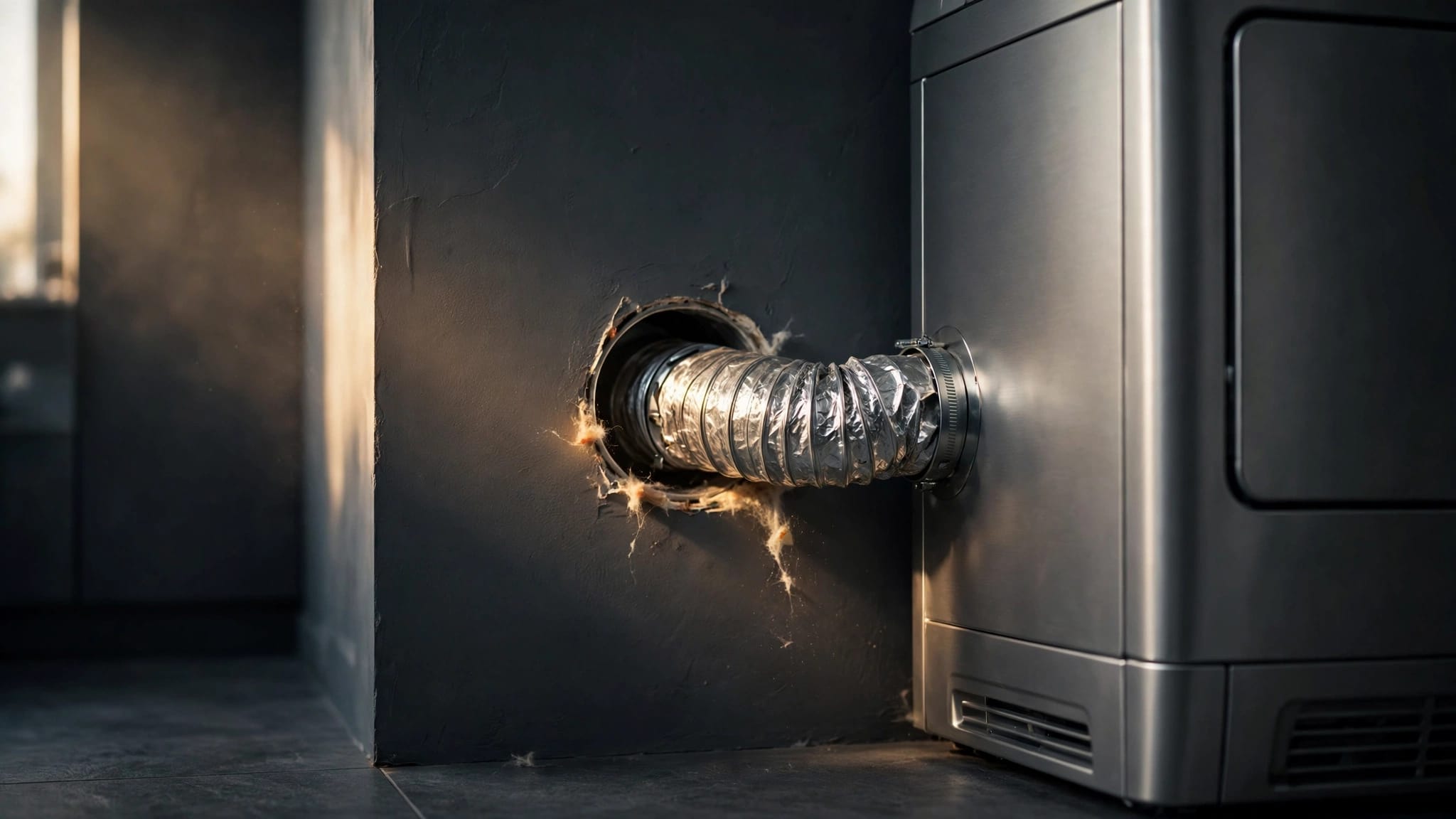
Avoid plastic tubing and thin foil accordion-style ducting that can sag, crush, or collect lint. Keep the transition hose behind the dryer as short and straight as practical. Joints should use approved foil tape or another method allowed by the installation instructions. Screws should not project into the duct interior, where they can catch lint.
The booster fan must sit where the manufacturer specifies. It also needs enough clearance for service and a safe electrical connection. Because installation may involve duct changes, wiring, and access through walls or ceilings, a qualified professional is the right choice when the work isn't simple and accessible.
Don't use a fan to hide a design problem
A booster fan should support a safe vent design, not compensate for one that needs repair. If a technician finds a disconnected duct, leaking joint, excessive buildup, poor termination, or damaged transition hose, fix that condition first.
A fan that runs constantly, makes unusual noise, or produces weak airflow needs attention. Never bypass a safety control or keep using the dryer when you smell burning, see smoke, or feel excessive heat around the appliance.
A Pre-Purchase Checklist for Homeowners
Before buying dryer vent booster fans, answer these questions:
- Has the entire vent path been inspected and cleaned?
- Does the duct end outdoors through a clear, properly installed cap?
- Does the route follow the dryer's manual and local requirements?
- Could rerouting shorten the run or remove sharp bends?
- Is the product made for clothes dryer exhaust and the correct duct size?
- Can you reach the fan safely for future inspection and cleaning?
If any answer is no, address that issue before ordering equipment. A vent cleaning professional can measure airflow, inspect the duct, and explain whether cleaning, repair, rerouting, or a booster makes sense. Homeowners in the Fort Myers area can Get a Free Estimate for dryer vent service.
The purchase price is only one part of the job. Duct repairs, electrical work, ceiling access, rerouting, and future maintenance can affect the total cost. A written evaluation helps you compare a proper repair with the cost of adding equipment to a system that may not need it.
Maintaining the System After Installation
A booster fan adds another component to the dryer exhaust system, so maintenance still matters. Clean the lint screen before every load and keep the outdoor termination free of lint, leaves, nests, and other debris.
Follow the fan manufacturer's schedule for inspecting the housing, sensor, wiring, and duct connections. The right cleaning interval depends on laundry volume, duct length, the number of bends, and how much lint the system collects.
Pay attention to changes after installation. Longer drying times, a hotter laundry room, weak airflow at the outside cap, or a fan that doesn't start can point to a new restriction or a control problem. Turn off the dryer and arrange an inspection rather than bypassing the fan or opening a sealed housing while power remains connected.
Good maintenance also includes checking the area behind the dryer. A hose that becomes pinched after the appliance moves can restrict airflow even when the rest of the duct is clean.
Conclusion: Safe Airflow Comes First
Dryer vent booster fans can help a properly built system handle a long or difficult exhaust route. They can't replace cleaning, duct repair, proper termination, or the manufacturer's installation instructions.
Start with the vent path and airflow. Once the system is clean, sound, and code-compliant, a correctly selected booster may provide the extra support the dryer needs. That order protects your home better than adding a fan to a problem you haven't diagnosed.