How to Judge Duct Cleaning Photos Before Hiring
Duct cleaning photos can make a service look convincing in seconds, but a dark cavity and a bright camera flash can tell very different stories. A dramatic before-and-after pair may show real improvement, or it may leave out the areas that matter most.
To judge the images fairly, look for matching locations, useful detail, consistent lighting, and proof that the technician cleaned more than one easy-to-reach opening. Start by understanding what these photos can actually confirm.
Why Duct Cleaning Photos Are Useful, but Incomplete
Before-and-after images give you a visual record of conditions inside accessible parts of an HVAC system. They can show loose dust, construction debris, pet hair, and other material collected near a register, return opening, or duct section.
However, one clean-looking opening doesn't prove the entire system received the same treatment. A home may have several supply branches, a large return trunk, insulated sections, dampers, and areas that require separate access points. The photo should support the service report, not replace it.
A dusty vent cover also doesn't prove that the duct behind it is heavily contaminated. Covers collect household dust because air passes through them every day. In contrast, a photo taken inside the duct can provide more useful information about the duct interior.
| Photo detail | What it may show | What it cannot prove |
|---|---|---|
| Vent cover or grille | Surface dust and debris | The condition of the full duct |
| Supply or return interior | Residue, buildup, or loose material | That every branch was cleaned |
| Dryer vent outlet | Lint near the termination | That the entire exhaust route is clear |
A maintenance issue can also look similar to a duct-cleaning issue. Weak airflow, uneven temperatures, or unusual system noise may involve filters, coils, blower components, or other HVAC parts. If you're comparing those possibilities, review these HVAC tune-up versus duct cleaning differences before relying on photos alone.
How to Compare Duct Cleaning Photos Fairly
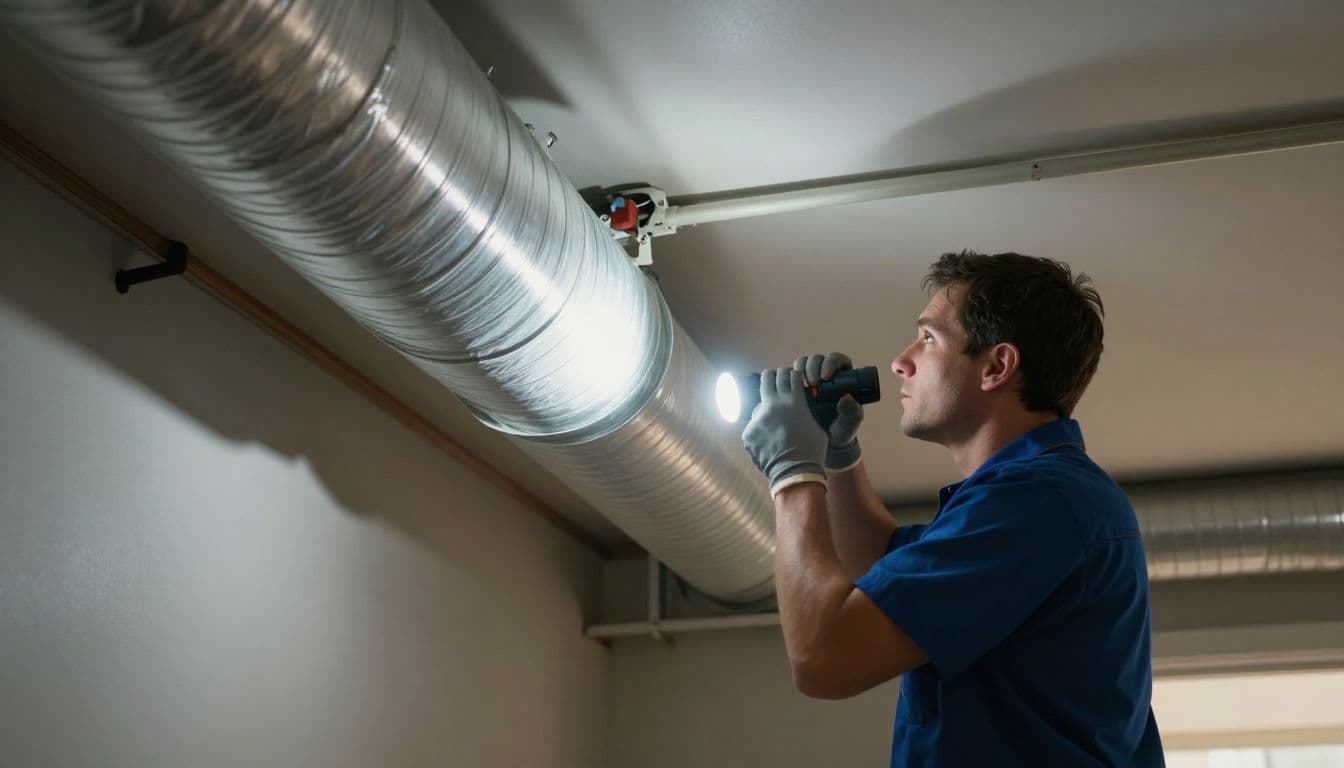
A useful comparison shows the same part of the system before and after cleaning. Look for a matching register, access panel, return opening, or interior duct section. The shape of the opening, nearby screws, insulation, seams, or framing can help you confirm that both images show the same location.
A photo labeled "before" and another labeled "after" don't provide much value if the angles differ. One image may show a narrow, dirty section close up, while the other shows a wider section from several feet away. That comparison favors the camera rather than documenting the work.
Match the location, angle, and distance
Check whether the camera sits at roughly the same distance in both images. The edges of the duct, seams, bends, and access opening should line up. If the before image shows a return trunk and the after image shows a small supply branch, you're looking at two different conditions.
Useful photos often include a wider view followed by a close-up. The wider view identifies the location, while the close-up shows the interior surface. Without that context, even a sharp image can be hard to verify.
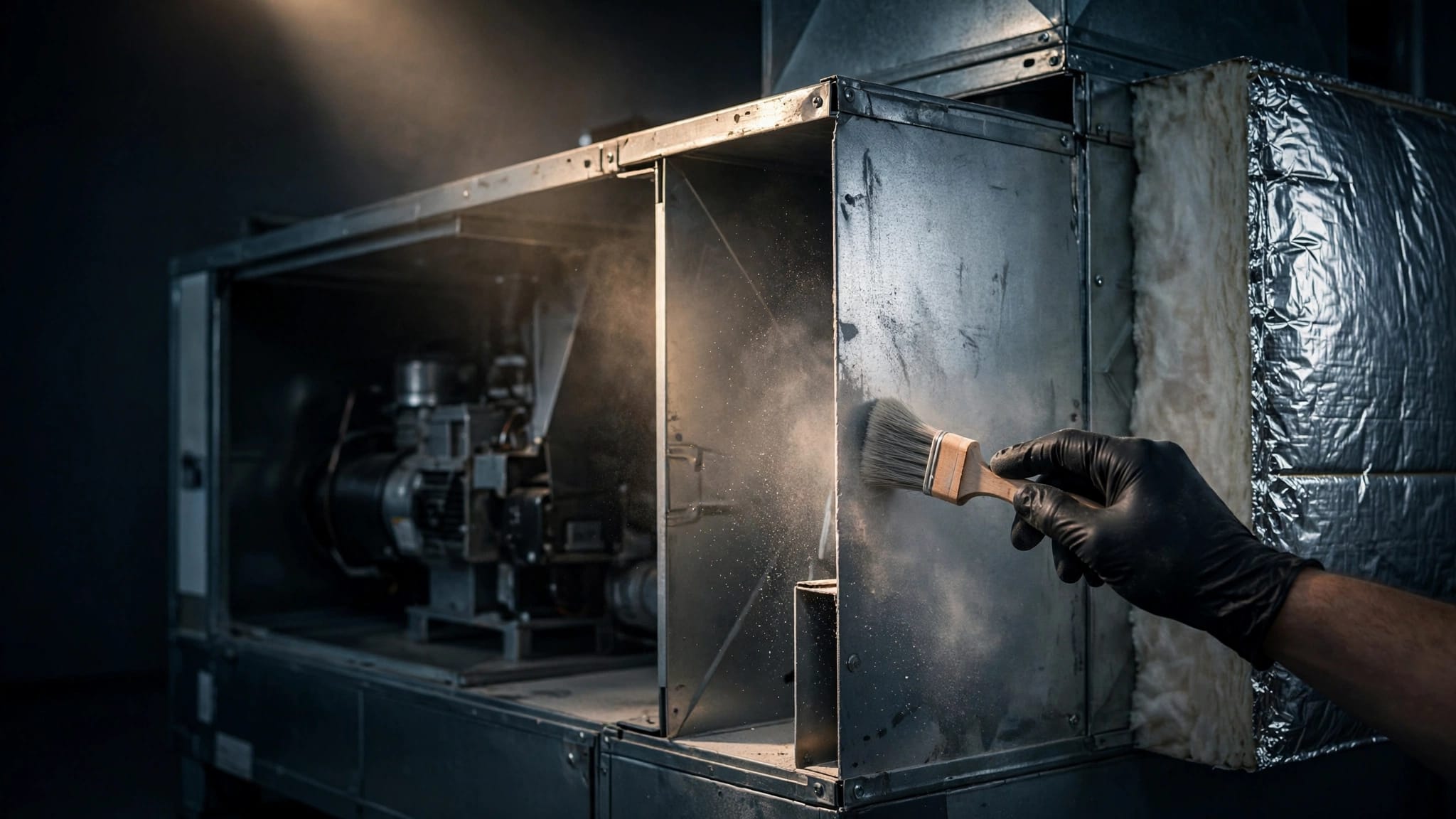
The same rule applies to photographs of air-handler compartments. If the image claims to show the blower area or coil cabinet, look for recognizable components and the access panel. A generic piece of sheet metal may not document the part described in the quote.
Pay attention to lighting and focus
Lighting changes how dust appears. A flashlight pointed directly at a surface may highlight particles, while a bright flash from another angle can wash out fine residue. Dark images hide detail, and overly bright images can make a dirty surface look clean.
Focus matters as well. A blurred photo cannot show whether residue remains along seams or insulation. Look for clear edges and enough detail to identify the material, not a heavily edited image with strong contrast.
A bright flash can make dust disappear from a photograph without removing a single particle from the duct.
The most credible set uses similar lighting and camera settings in both images. It doesn't need to look perfect. It needs to be honest enough for you to compare the same surface under similar conditions.
What Clean Ductwork Should Look Like
Clean ductwork doesn't always look new. Metal may retain discoloration, scratches, light staining, or marks around seams. Fiberglass-lined or flexible ductwork may have a textured surface that won't appear polished after service.
The goal is to identify whether loose material and accessible buildup were removed. A clean after photo should show the underlying surface clearly, without thick deposits, piles of debris, or obvious loose particles near the opening.
Look for physical signs of completed work
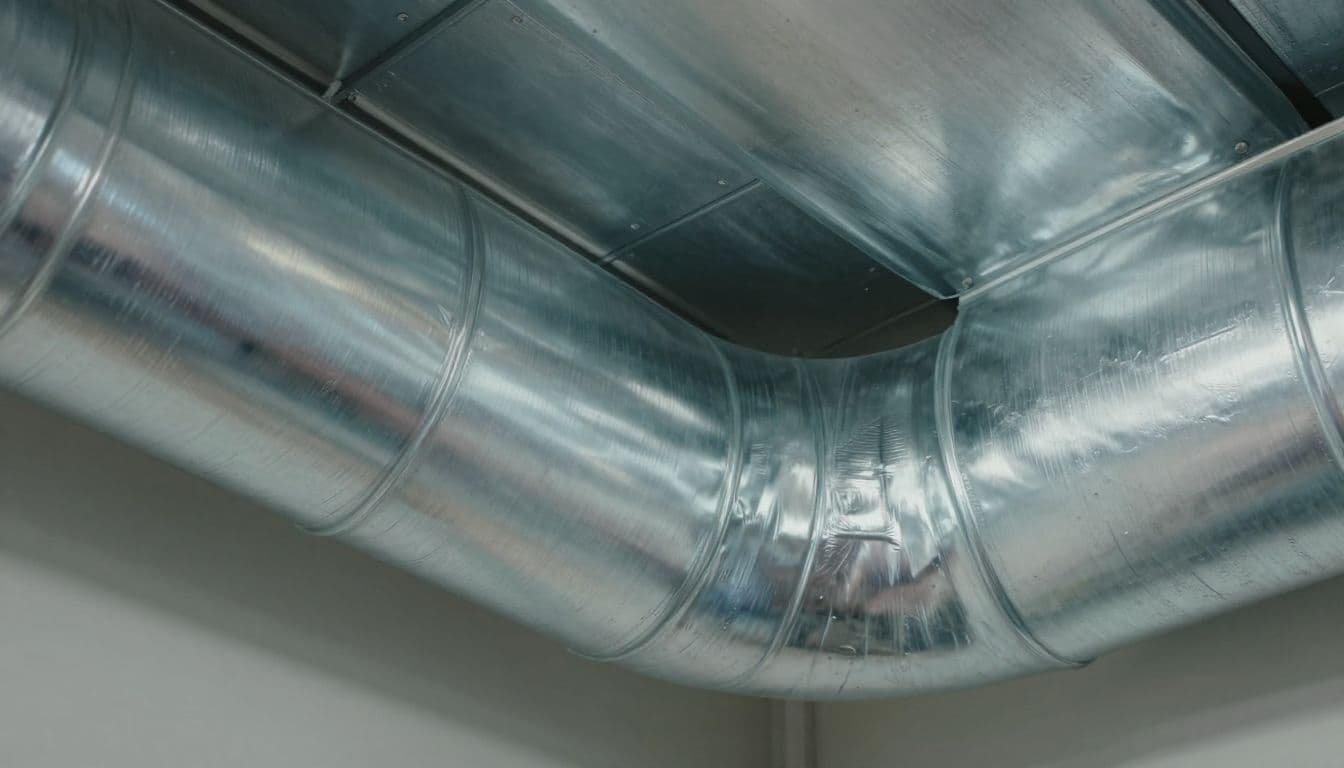
In a metal supply or return duct, inspect the corners, seams, bends, and lower surfaces. Dust often settles where airflow changes direction. If only the center of a straight section looks clean while the edges remain covered, ask whether the image shows the full area that received service.
Look for debris around the access point, too. A technician may create or use an access opening to reach sections that cannot be cleaned through a register. The finished area should be closed properly, and the company should explain how the opening was sealed.
A strong photo set may include more than one part of the HVAC system, such as a return trunk and representative supply branches. That doesn't mean every inch must appear in a gallery. It does mean the company should explain the areas included in the service.
Don't judge cleanliness by color alone
A dark duct isn't automatically dirty, and a bright silver duct isn't automatically clean. Camera exposure, flash position, metal reflectivity, and the age of the duct can change the appearance.
Staining may remain after loose debris is removed. That can happen with older metal, moisture exposure, or material bonded to the surface. Ask the technician whether the remaining mark is residue, staining, damaged insulation, or a condition that needs separate attention.
Be careful with photos claiming to prove mold. Dark spots and fuzzy patches can have several causes, and a photograph alone cannot establish what a substance is. If microbial growth is a concern, ask what the technician observed, what treatment is proposed, and whether further testing is needed.
Dryer Vent Photos Need Different Evidence
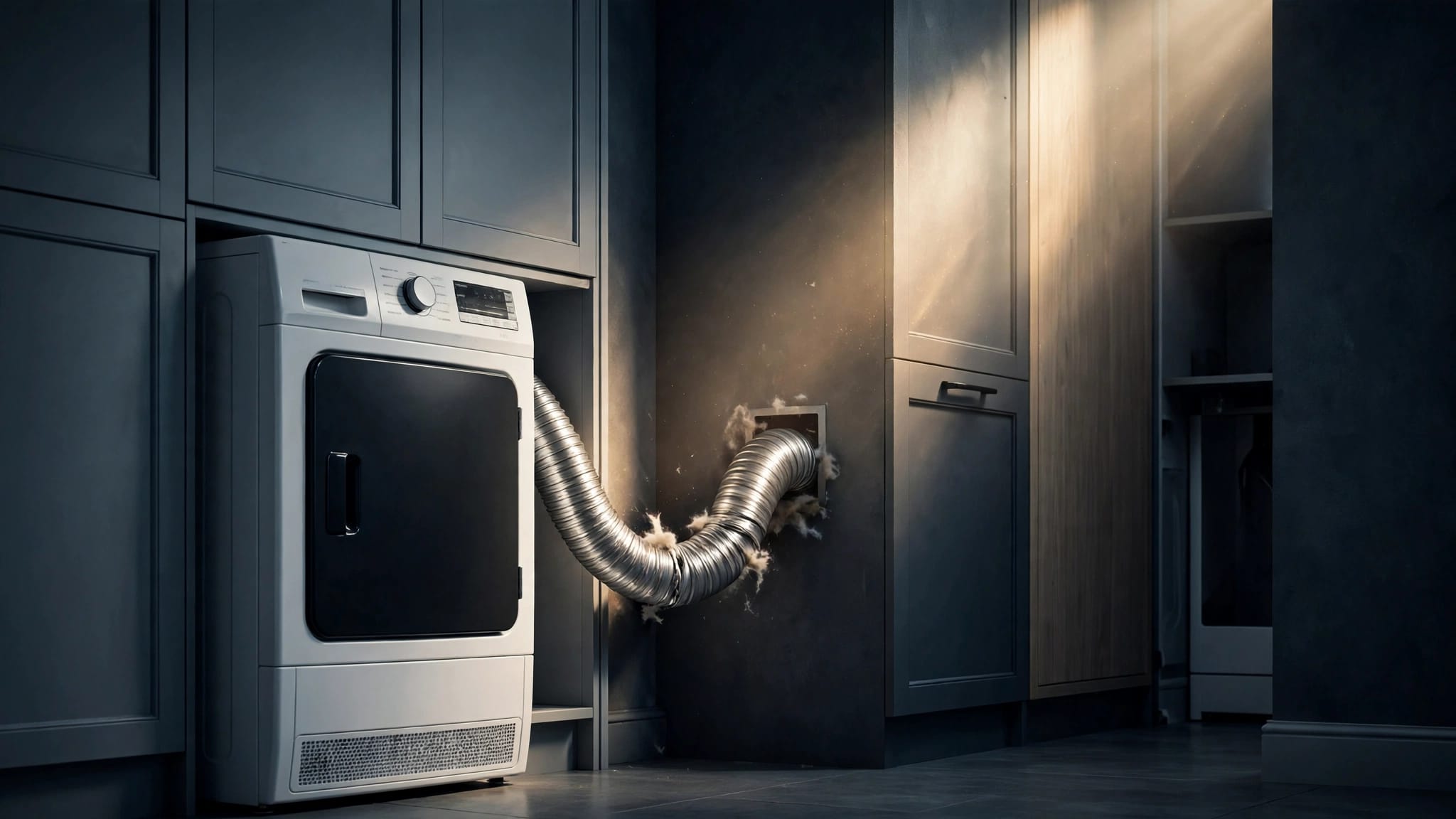
A dryer vent is separate from the home's heating and cooling ductwork. Cleaning the dryer exhaust route won't improve air conditioner performance, and air duct cleaning doesn't automatically remove lint from the dryer vent.
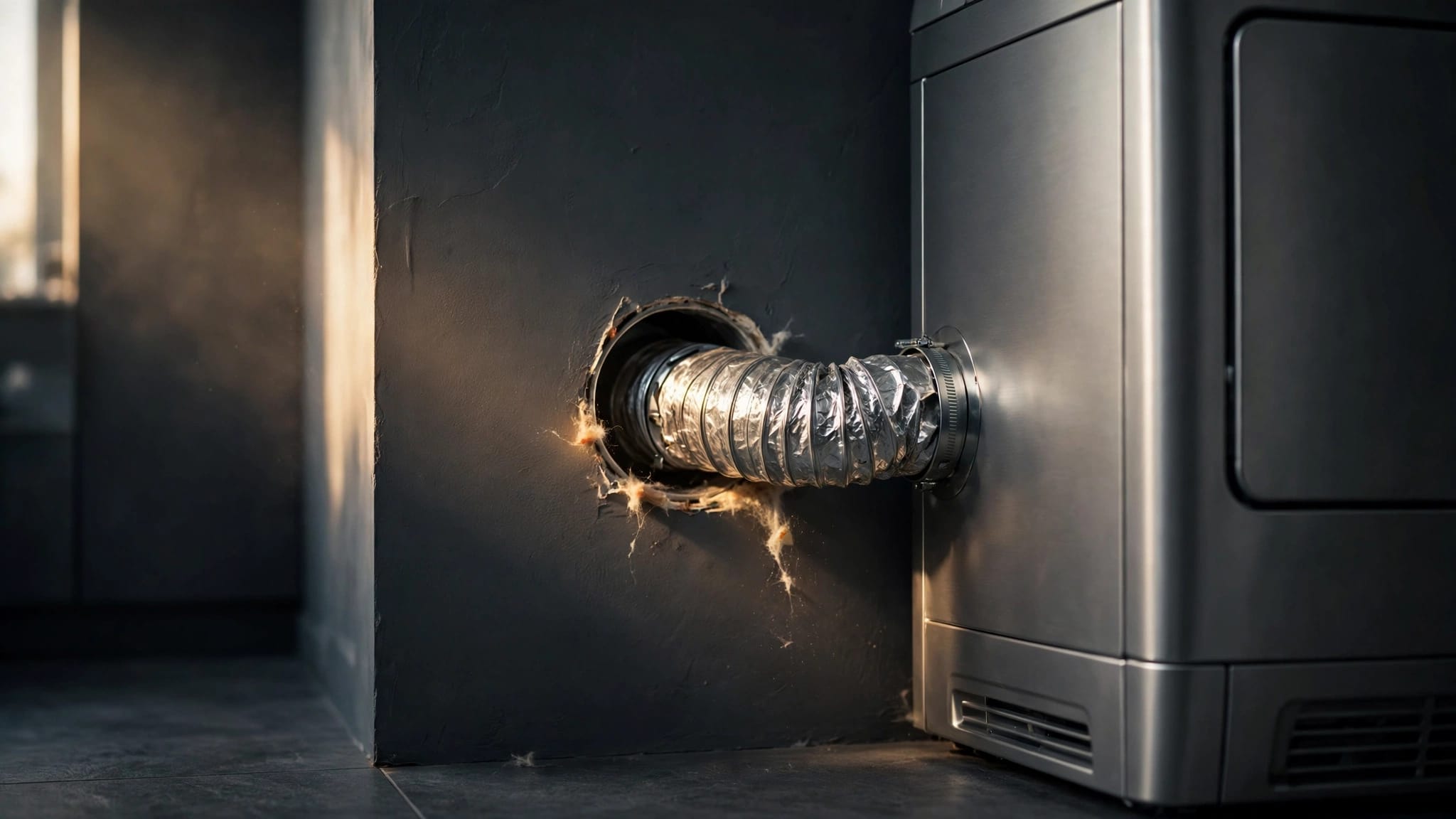
The photos should match the service being discussed. For a dryer vent, useful evidence may show lint removed from an accessible section, the transition behind the dryer, the exterior termination, or a long section of the exhaust route. The exact photo depends on the vent's construction and access.
Check whether the full route was considered
Dryer vents may run through walls, ceilings, crawl spaces, attics, or roofs. Lint can collect at bends, crushed sections, long vertical runs, and the exterior hood. A photo of the lint screen or a short connector behind the dryer doesn't document the complete path.
Ask whether the technician inspected the route between the dryer and the outside termination. The quote should make clear whether it includes the full accessible vent, the exterior hood, and any sections that require special access.
A clean exterior flap is helpful, but it doesn't prove the inside route is clear. Airflow testing, inspection of the termination, and a description of the cleaning method provide better context than a single close-up.
Keep HVAC and dryer images separate
Some companies show a collage of vents, ducts, lint, and equipment without labeling each image. That makes it difficult to know which service each picture supports. Ask for clear descriptions, such as "return duct," "supply branch," or "dryer vent termination."
The equipment also varies by job. Brushes, rods, air tools, truck-mounted vacuums, and portable systems may all have a place depending on access and the route's length. The machine label matters less than whether the technician can reach the areas included in the work. This guide to comparing duct cleaning equipment types explains why the setup should match the property.
Red Flags in Before-and-After Duct Cleaning Photos
Photos deserve closer questions when they look polished but provide little information. Watch for these warning signs:
- The before image shows a dirty register, while the after image shows a different opening or a new-looking piece of duct.
- The images use different angles, distances, or lighting, so you can't compare the same surface.
- Every photo is tightly cropped, with no view of the access point or surrounding duct.
- The company provides one dramatic image but doesn't identify how many areas were inspected or cleaned.
- The photos show dust on a vent cover rather than the inside of the duct.
- A picture of a dryer lint screen is presented as proof that the full dryer vent was cleaned.
- Dark spots are labeled as mold without an explanation of what was observed or what treatment is being recommended.
- The quote describes broad results, but the photos and paperwork don't identify the actual areas included.
A red flag doesn't prove poor workmanship. It means the images don't answer enough questions. A reputable company should explain what each photograph shows and what the service covered.
Questions to Ask Before Hiring From Photos
Use the images as conversation starters. Before you schedule service, ask:
- Which duct or vent does each photo show?
- Do the before and after images show the same location and camera angle?
- How many supply branches and return sections are included?
- Will the technician inspect the air handler, blower area, or coil cabinet if those areas are part of the concern?
- For a dryer vent, does the service cover the full accessible route and exterior termination?
- What happens if the technician finds damaged insulation, crushed ductwork, moisture, or suspected microbial growth?
- Will the quote identify access openings, cleaning methods, and any separate treatments?
- Can the technician explain what the photos don't show?
Written answers matter because they connect the images to the actual job. A photo gallery may show the result at one access point, while the quote defines the scope of service.
If the photos raise questions about your home, ask for an inspection rather than trying to diagnose the system from a screen. You can Get a Free Estimate for air duct or dryer vent cleaning and request a clear explanation of what the technician plans to inspect.
Conclusion
The most reliable duct cleaning photos show the same location before and after, under similar lighting, with enough detail to identify the surface. They also come with a written scope that explains which ducts, returns, air-handler areas, or dryer vent sections received attention.
Treat photos as useful evidence, not a complete inspection. When the images match the quoted work and the technician can explain what remains outside the frame, you have a much better basis for choosing service.