Duct Cleaning Equipment: Truck-Mounted vs. Portable
The machine behind a duct cleaning job affects how efficiently debris leaves your HVAC system, but duct cleaning equipment isn't the only measure of quality. A powerful vacuum cannot replace proper inspection, sealed connections, careful agitation, and a technician who understands your ductwork.
Truck-mounted systems and portable units can both support professional cleaning. The better choice depends on your home's layout, access points, duct condition, parking, and the scope of work. Understanding the difference helps you compare service quotes without focusing on equipment size alone.
Key Takeaways
- Truck-mounted vacuums provide strong airflow and keep the primary machine outside.
- Portable duct cleaning equipment works well in apartments, tight spaces, and buildings without convenient exterior access.
- Proper negative pressure and agitation matter more than the equipment label.
- Dryer vent cleaning often needs specialized brushes, rods, and air tools.
- A written quote should explain the areas being cleaned and the methods being used.
How Truck-Mounted Duct Cleaning Equipment Works
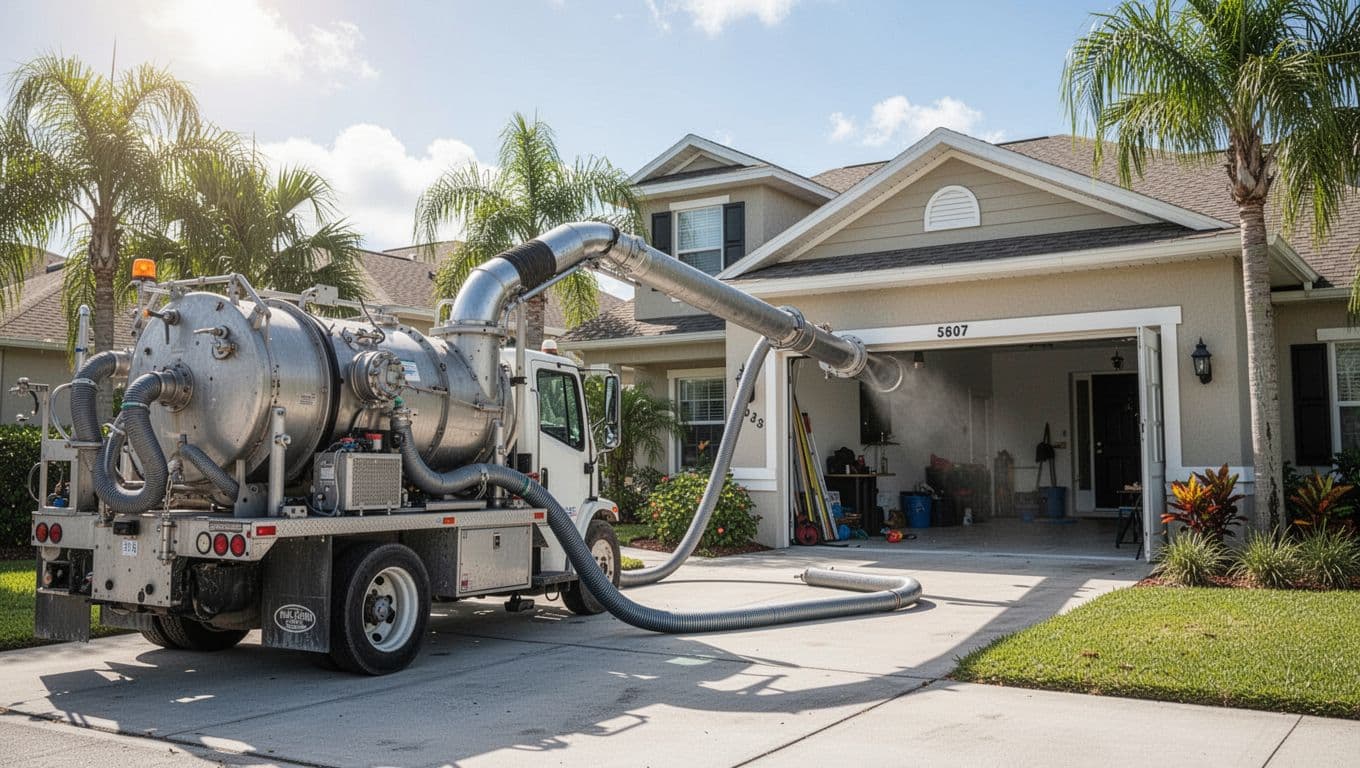
A truck-mounted vacuum system sits inside a service vehicle. Technicians connect a large hose from the truck to the home's ductwork through an access point, usually near the air handler or main trunk line. The vacuum creates negative pressure, which pulls loosened dust and debris toward the collection system outside the building.
Because the main vacuum stays outdoors, the work area inside the home can remain less crowded. The system also provides strong airflow through a long hose, which can help remove heavier accumulations when the duct layout allows a good connection.
The vacuum alone doesn't scrub every surface. Technicians typically use air whips, rotary brushes, skipper balls, or other agitation tools to loosen material inside supply and return ducts. The vacuum then carries that material away instead of allowing it to settle elsewhere in the system.
A truck-mounted setup often suits detached homes with accessible equipment and a clear place to park. It can also work well for larger properties, commercial spaces, and systems with long duct runs. However, the hose still needs a practical route into the building, and the technician must choose access points that won't damage the system.
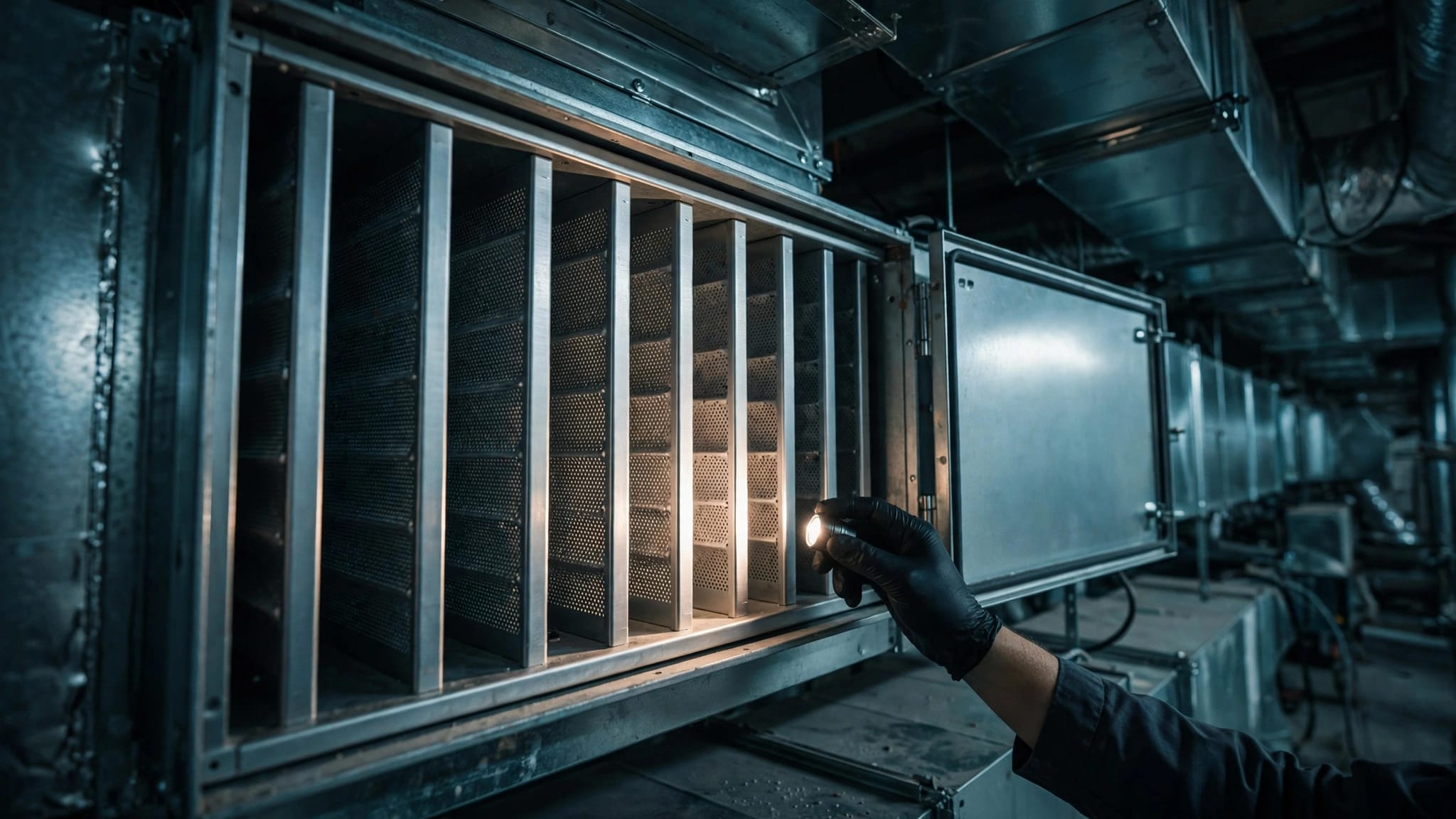
A professional process should include protected floors and registers, controlled access, sealed vacuum connections, and a review of the work afterward. You can see a fuller description of the air duct cleaning process in Florida homes before booking service.
When Portable Equipment Makes More Sense
Portable duct cleaning equipment includes powerful vacuum units that technicians bring inside the property. Some models roll on casters, while others fit through doors, hallways, elevators, or stairwells. The unit connects to the duct system with flexible hose and access fittings.
Portable systems can be useful in condominiums, apartments, townhomes, offices, and buildings where a truck cannot park close enough to the HVAC equipment. They also help when the air handler sits in an attic, interior closet, garage, or another location with limited exterior access.
A portable machine may create more noise inside the building because the motor operates near the work area. The technician can often manage this with proper scheduling, room protection, and a well-planned hose route. In a multi-unit building, access and noise rules may influence the timing as much as the equipment itself.
The unit's size and power vary widely. A small portable vacuum intended for light dust removal isn't equal to a commercial negative-air machine designed for full duct cleaning. Ask what type of vacuum the company will use, where it will connect, and how it will contain the collected debris.
Portable equipment can also make sense when the job involves one section of ductwork rather than a large whole-home system. Still, limited scope should be clearly stated. A low price may reflect fewer registers, no return-side cleaning, or no air-handler service.
Truck-Mounted and Portable Systems Compared
Both setups can produce good results when the technician controls airflow and uses suitable agitation tools. The main difference involves placement, access, capacity, and how the crew manages the property during service.
| Factor | Truck-mounted system | Portable system |
|---|---|---|
| Machine location | Outside in a service vehicle | Inside the building |
| Best access | Homes or businesses with exterior access | Condos, offices, closets, and tight locations |
| Indoor noise | Usually lower near rooms | Usually higher near the work area |
| Hose route | May require a long route from vehicle to access point | Usually shorter inside the building |
| Large-system work | Often practical for larger duct networks | Depends on unit capacity and access |
| Parking needs | Requires suitable vehicle access | Needs interior space near the connection |
| Property concerns | Outdoor setup and hose entry | Indoor floor protection and noise control |
The table shows why neither system automatically wins. A truck-mounted vacuum may have higher capacity, but a poorly positioned hose can limit the work. A portable unit may have lower capacity, yet it can connect directly to a difficult-to-reach air handler.
The most important factor is maintained negative pressure . If registers remain open, access points aren't sealed, or the technician blows dust without capturing it, debris can spread through the home. Agitation must match the duct material and condition as well. Flexible ductwork, lined ducts, and older metal ducts require different handling.
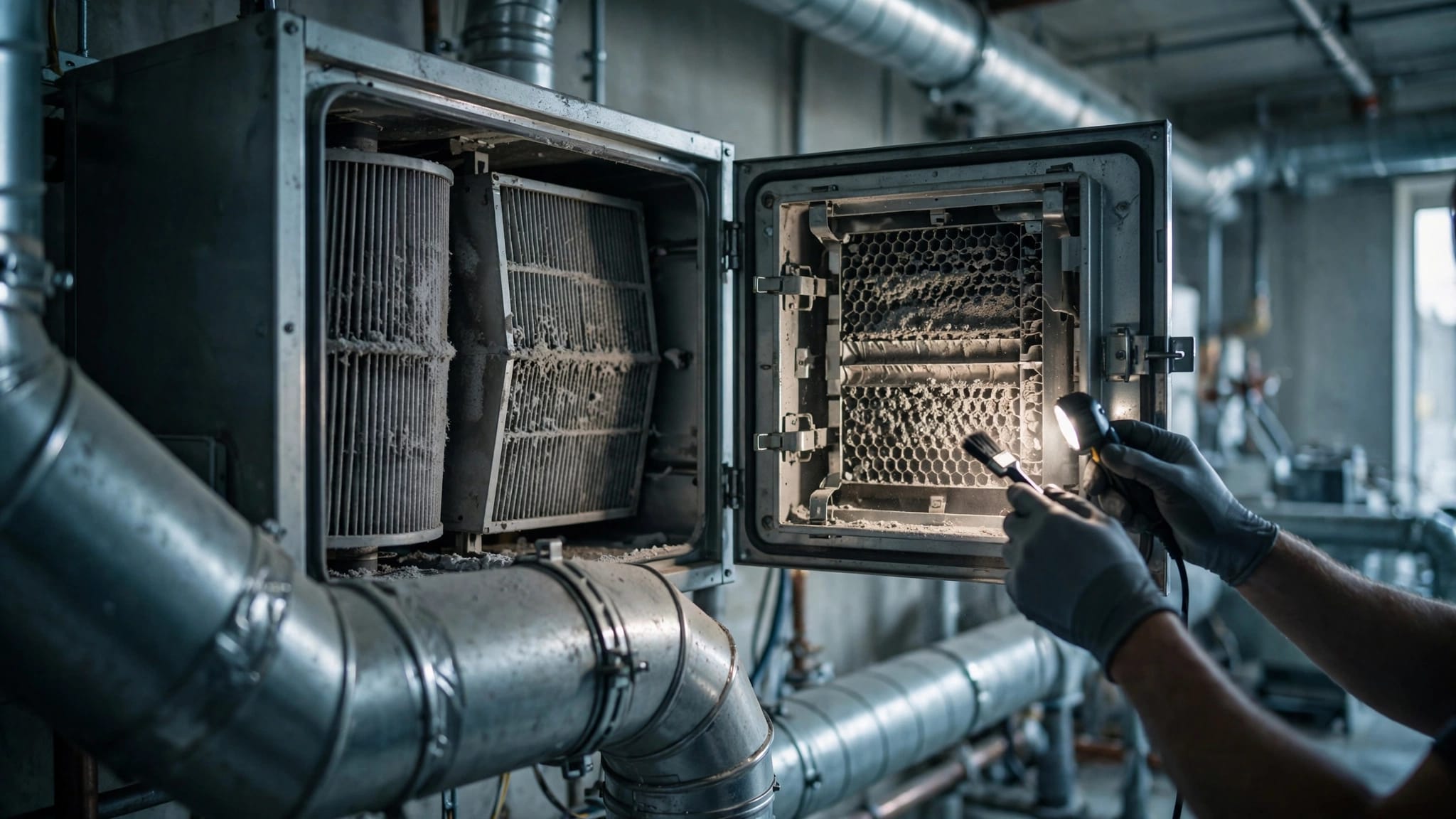
A responsible technician also checks whether the system has damaged insulation, disconnected sections, standing moisture, or biological growth. Cleaning cannot correct every duct problem. Some conditions call for repair, replacement, moisture control, or a separate treatment.
Duct Cleaning Equipment for Dryer Vents
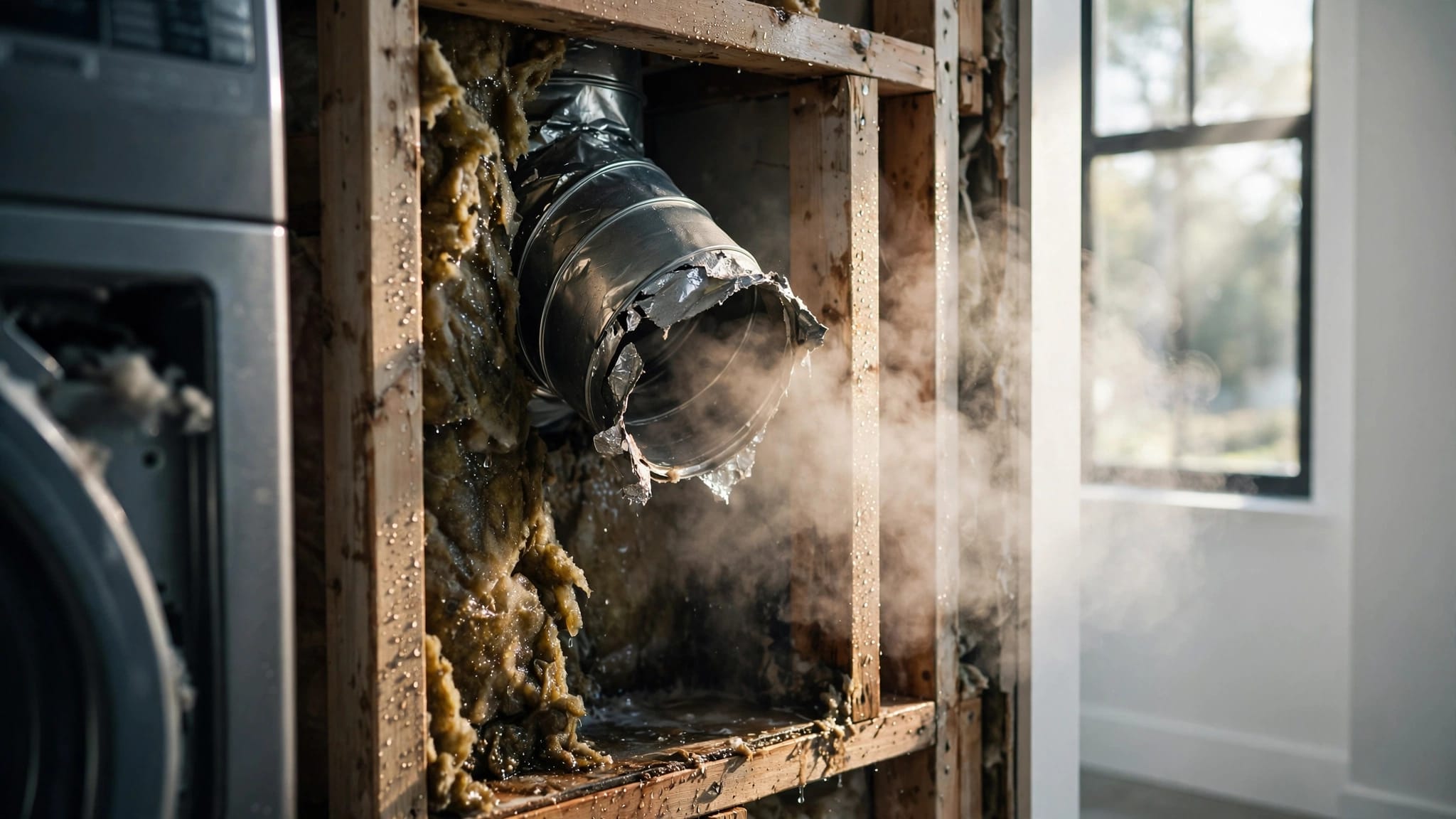
HVAC duct cleaning and dryer vent cleaning are related services, but they aren't the same job. A dryer vent is a narrower exhaust path that may run through walls, ceilings, crawl spaces, or roofs. Lint can collect at bends, crushed sections, exterior hoods, and long vertical runs.
Technicians often use specialized dryer vent brushes, flexible rods, air tools, and vacuum systems. The equipment needs to reach the full vent path, not only the short section behind the dryer. A vacuum may capture loosened lint, while a rotating brush breaks buildup free from the interior walls.
Truck-mounted equipment can support some dryer vent work, but the best setup depends on the vent's length, termination point, and access. A portable system may be more practical in a condominium or where the roof outlet requires a different approach. The machine label matters less than whether the technician can clean the entire route.
Before service, the dryer should be disconnected safely. The technician should inspect the transition hose, wall connection, exterior termination, and airflow condition. If the vent is crushed, disconnected, or made from an unsuitable material, cleaning alone won't solve the problem.
Avoid comparing dryer vent quotes only by the vacuum used. Ask whether the price includes the full vent line, the outside hood, airflow testing, and a report of any damage found during the visit.
What to Ask Before Choosing a Cleaning Company
Equipment claims can sound impressive, but clear answers reveal more about the service. Before hiring a company, ask how the crew will connect to your system and what parts of the HVAC setup the quote includes.
A complete estimate should identify the number of supply and return registers, the main trunk lines, the air handler, blower compartment, coils, drain pan, and accessible plenums. Not every job includes every component, so the scope needs to be written in plain language.
Ask whether the crew will use negative pressure while loosening debris. Blowing compressed air into ducts without a properly connected vacuum can move dust into occupied rooms. Also ask how the company protects floors, furniture, walls, and ceiling access points.
A few practical questions can prevent misunderstandings:
- Will you clean both supply and return ductwork?
- What access points will you use?
- How will you handle flexible or insulated ducts?
- Does the estimate include the air handler and blower area?
- What happens if you find moisture, mold-like growth, or damaged ductwork?
- Are microbial treatments, sanitizers, or odor services separate charges?
- Do you carry insurance, and can you provide a written scope?
The company should also explain why cleaning is appropriate now. A calendar-based promise that every home needs annual service deserves careful review. Dust after remodeling, visible buildup, pest activity, water damage, persistent odors, and airflow concerns may provide a clearer reason for cleaning.
For homeowners comparing providers, these questions to ask before hiring a duct cleaner can help you evaluate training, insurance, scope, and pricing.
Which System Is Right for Your Property?
Choose based on the building first, then the machine. A detached Fort Myers home with an accessible air handler and room for a service vehicle may suit a truck-mounted setup. A high-rise condominium in Naples may require portable equipment because of parking, elevator, or hallway restrictions.
Large commercial systems can require a different plan again. The technician may divide the ductwork into zones, use multiple access points, and schedule work around building operations. A portable unit may work for one area, while a truck-mounted system may be practical for accessible sections.
The condition of the ductwork also affects the decision. Heavy debris, long runs, and multiple branches require careful planning. Older or fragile ducts need controlled pressure and suitable tools, regardless of whether the vacuum sits inside or outside.
For Florida property owners, service may also include dryer vent cleaning, odor removal, microbial treatment, UV light installation, or air purification. Those services shouldn't be added automatically. Each one should relate to a condition found during inspection or a concern you have reported.
A useful quote should answer three questions: What will be cleaned? How will debris be contained? What will the total cost include? If the company can't answer those questions, a larger machine won't make the proposal clearer.
If you want to compare the scope for your home or business, you can Get a Free Estimate for air duct or dryer vent cleaning.
Conclusion
Truck-mounted systems offer strong outdoor vacuum capacity, while portable units solve access problems that vehicles can't. Both can work well when the technician uses sealed connections, controlled negative pressure, suitable agitation, and a complete cleaning plan.
The right choice depends on your duct layout, property type, equipment access, and the condition of the system. Focus less on impressive equipment claims and more on the written scope, debris-control method, technician experience, and care taken inside your home.