Gas Dryer Vent Blockage and CO Warning Signs
A gas dryer vent blockage can leave clothes damp, push excess heat into the laundry room, and raise serious safety concerns. Gas dryers produce combustion byproducts, including carbon monoxide, that should exhaust outdoors through a clear, intact vent system.
The physical signs of a blocked vent are different from carbon monoxide poisoning symptoms. However, both require prompt attention, especially when a carbon monoxide alarm sounds. Start by identifying the dryer warning signs, then learn when to leave the home and call for emergency help.
What a gas dryer vent blockage does
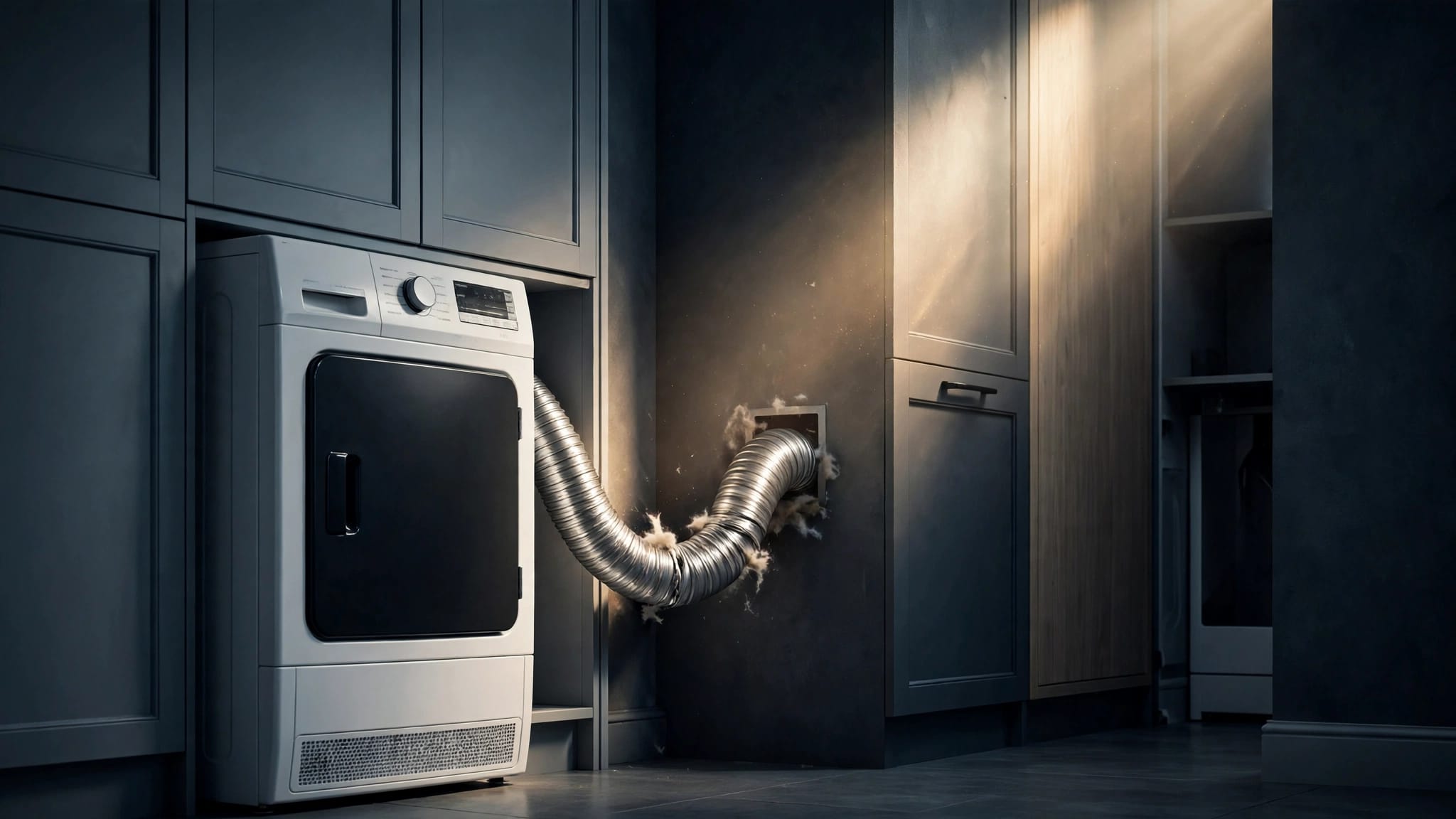
A gas dryer uses a burner to create heat. The dryer exhaust system carries hot, moist air and combustion byproducts outside through a duct. When lint, debris, or a damaged hose restricts that path, the dryer can't move air as designed.
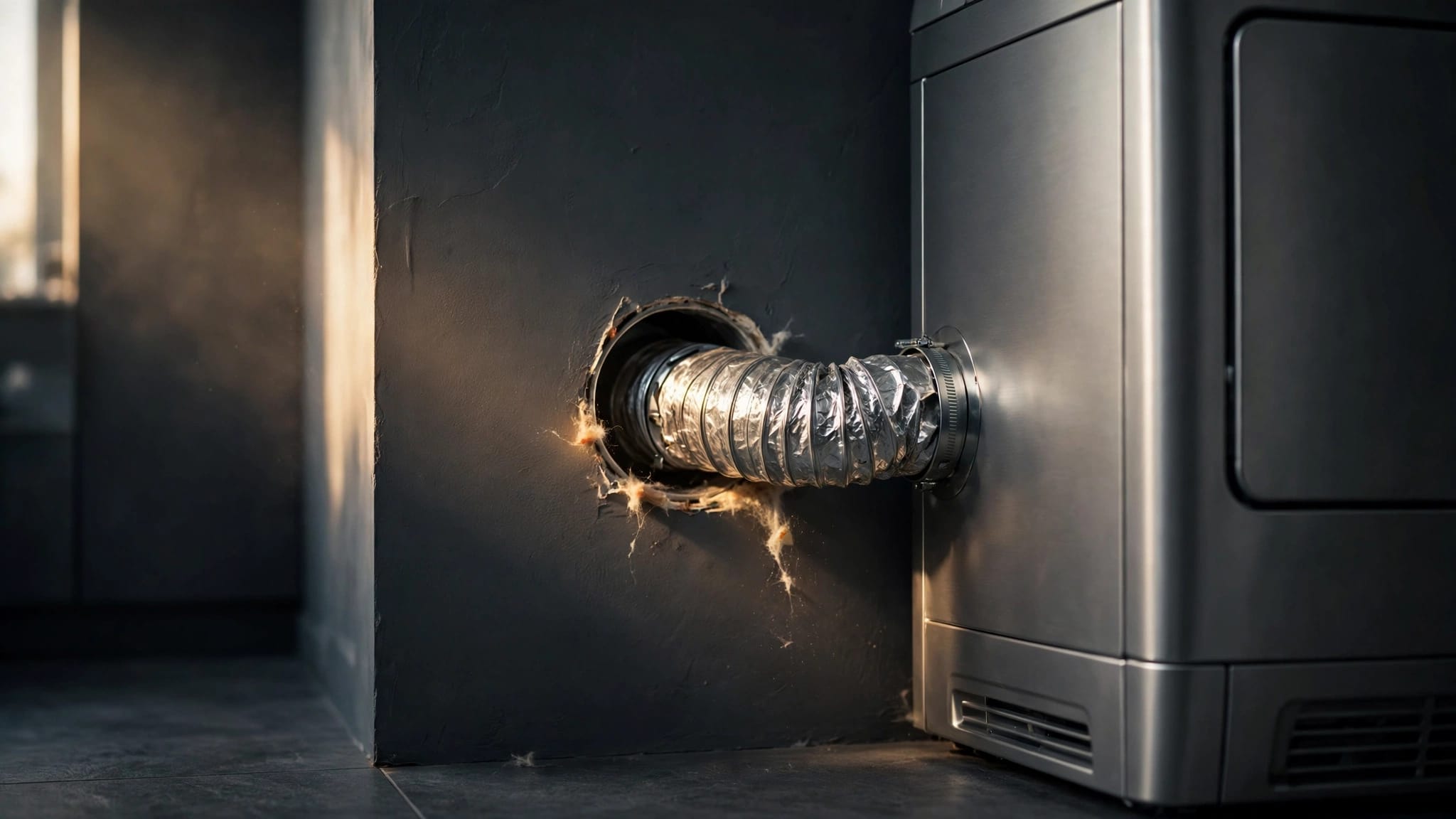
Lint often collects in the transition hose behind the appliance, inside long duct runs, around sharp bends, or near the exterior vent cap. A crushed hose can create a blockage even when the rest of the duct looks clean. Birds, insects, leaves, and outdoor debris can also restrict the exit.
A gas dryer vent blockage doesn't automatically mean carbon monoxide has entered the home. Carbon monoxide becomes a poisoning risk when fuel-burning equipment malfunctions, exhaust backs up, or venting fails to move combustion gases outside. Since a homeowner can't confirm safe airflow by looking at the dryer alone, suspected blockage deserves a professional inspection.
Why the location matters
A short, straight vent path usually has fewer places for lint to collect. Long or twisting ducts need more attention because every bend can slow airflow. Roof terminations may also be harder to inspect than wall-mounted vents.
If the dryer sits close to an exterior wall, you may see the vent opening easily. Even then, a clear outdoor flap doesn't prove the entire duct is open. Lint can remain packed inside the hose or farther along the exhaust path.
Physical signs of a blocked dryer vent
A blocked dryer vent usually shows up in the appliance or laundry room rather than in your body. Watch for changes that appear after the dryer worked normally in the past.
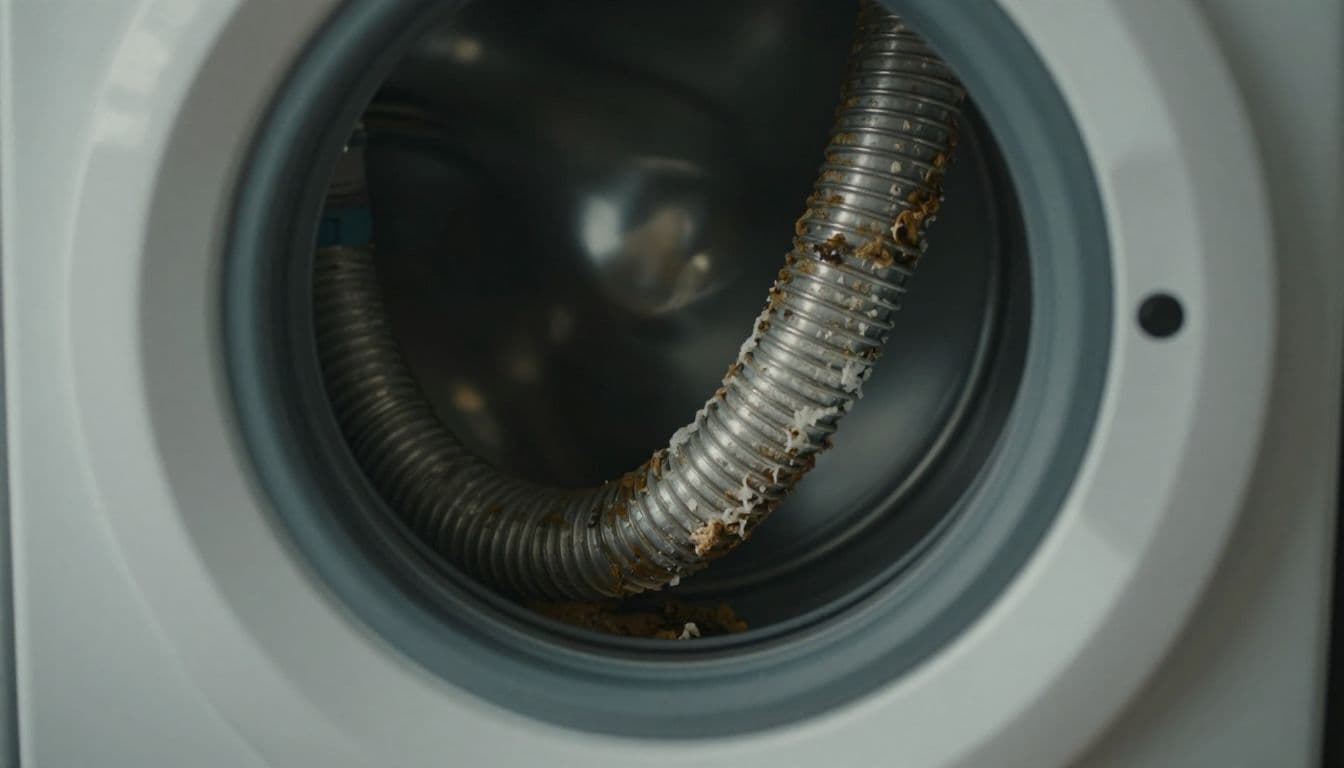
Common warning signs include:
- Clothes need two or more cycles to dry, even with a normal load size.
- The dryer feels unusually hot, or the laundry room becomes hotter than usual.
- Clothes come out hot but still damp because moisture can't escape.
- The outside vent flap barely opens or produces weak airflow while the dryer runs.
- Lint gathers around the dryer door, hose connection, or exterior vent opening.
- The dryer shuts off before the cycle ends or displays an overheating warning.
- A burning-lint smell appears during a cycle.
- The area around the appliance feels unusually humid.
One symptom may have another cause, such as a faulty thermostat, a worn heating component, or an overloaded drum. Several signs together point more strongly toward an airflow problem.
Stop using the dryer if you smell burning, see smoke, or notice scorching around the vent. Let the appliance cool, keep clear of the area, and arrange professional service. A gas smell requires a different response. Leave the home without operating electrical switches, then call the gas utility or emergency services from outside.
Carbon monoxide warning signs are different
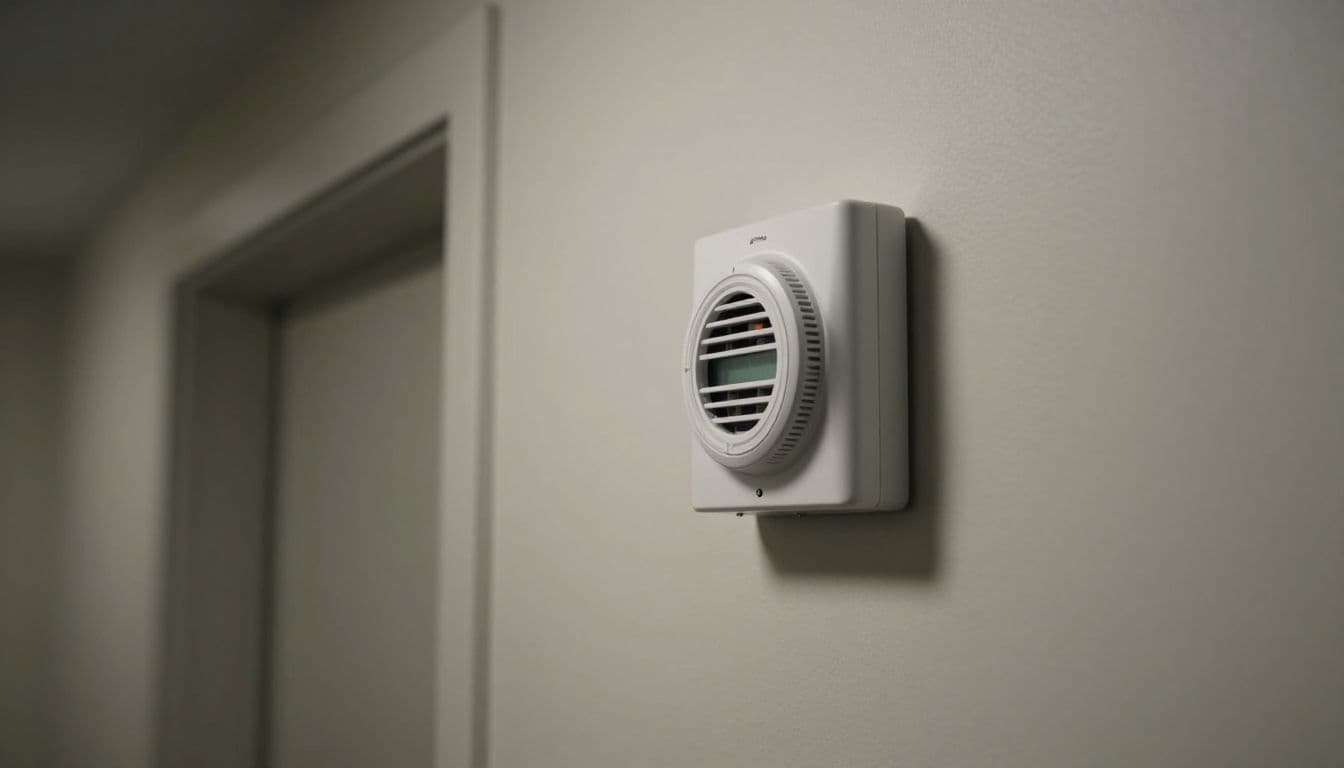
Carbon monoxide is colorless and odorless, so your senses can't reliably detect it. A carbon monoxide alarm may sound before anyone notices symptoms, and the alarm deserves the same urgent response whether the dryer appears to work normally or not.
Possible CO poisoning symptoms include headache, dizziness, weakness, nausea, vomiting, chest pain, shortness of breath, confusion, and unusual drowsiness. Symptoms can affect more than one person in the home. Children, older adults, and people with heart or breathing conditions may be at higher risk of serious illness.
Use this distinction when deciding what you see:
| Dryer vent blockage symptoms | Possible CO poisoning warning signs |
|---|---|
| Clothes stay damp after a normal cycle | Headache, dizziness, or weakness |
| Drying cycles take longer | Nausea, vomiting, or chest pain |
| The dryer or laundry room feels too hot | Confusion, drowsiness, or trouble thinking |
| Weak airflow comes from the outside vent | Symptoms affect multiple people |
| Lint or burning odor appears near the dryer | A carbon monoxide alarm sounds |
These categories can overlap, but they aren't interchangeable. A gas dryer vent blockage points to an airflow problem. Headache, dizziness, nausea, confusion, or an alarm point to a possible life-safety emergency.
Symptoms may lessen after someone goes outside, but that doesn't prove the home is safe. Don't return indoors to test the air, reset the alarm, or search for the source.
What to do when a CO alarm sounds
Treat every carbon monoxide alarm as a real emergency until qualified responders determine otherwise. Don't assume the alarm is false because no one smells gas or because the dryer completed its cycle.
- Leave the home immediately. Take everyone and pets with you if you can do so without delaying evacuation. Don't stop to inspect the dryer or find the alarm source.
- Call 911 or local emergency services from outside. Tell the dispatcher that the carbon monoxide alarm sounded. If anyone has symptoms, report possible CO poisoning and request medical help.
- Stay outside until officials clear the home. Don't re-enter because the alarm stops, a window is open, or someone feels better. Wait for the fire department, gas utility, or another appropriate authority to say the home is safe.
- Get medical care for possible exposure. Anyone with symptoms needs prompt evaluation. A person who feels dizzy, confused, weak, or short of breath shouldn't drive themselves.
If you smell natural gas or hear hissing near the dryer, leave without turning appliances or switches on or off. Call 911 or the gas utility from a safe location. Don't use the dryer again until a qualified professional inspects the appliance and gas connection.
How professionals inspect a suspected blockage
After an emergency response has cleared the home, schedule a professional dryer vent inspection. A technician should examine the hose behind the dryer, the full duct path, the exterior termination, and the airflow at the outlet.
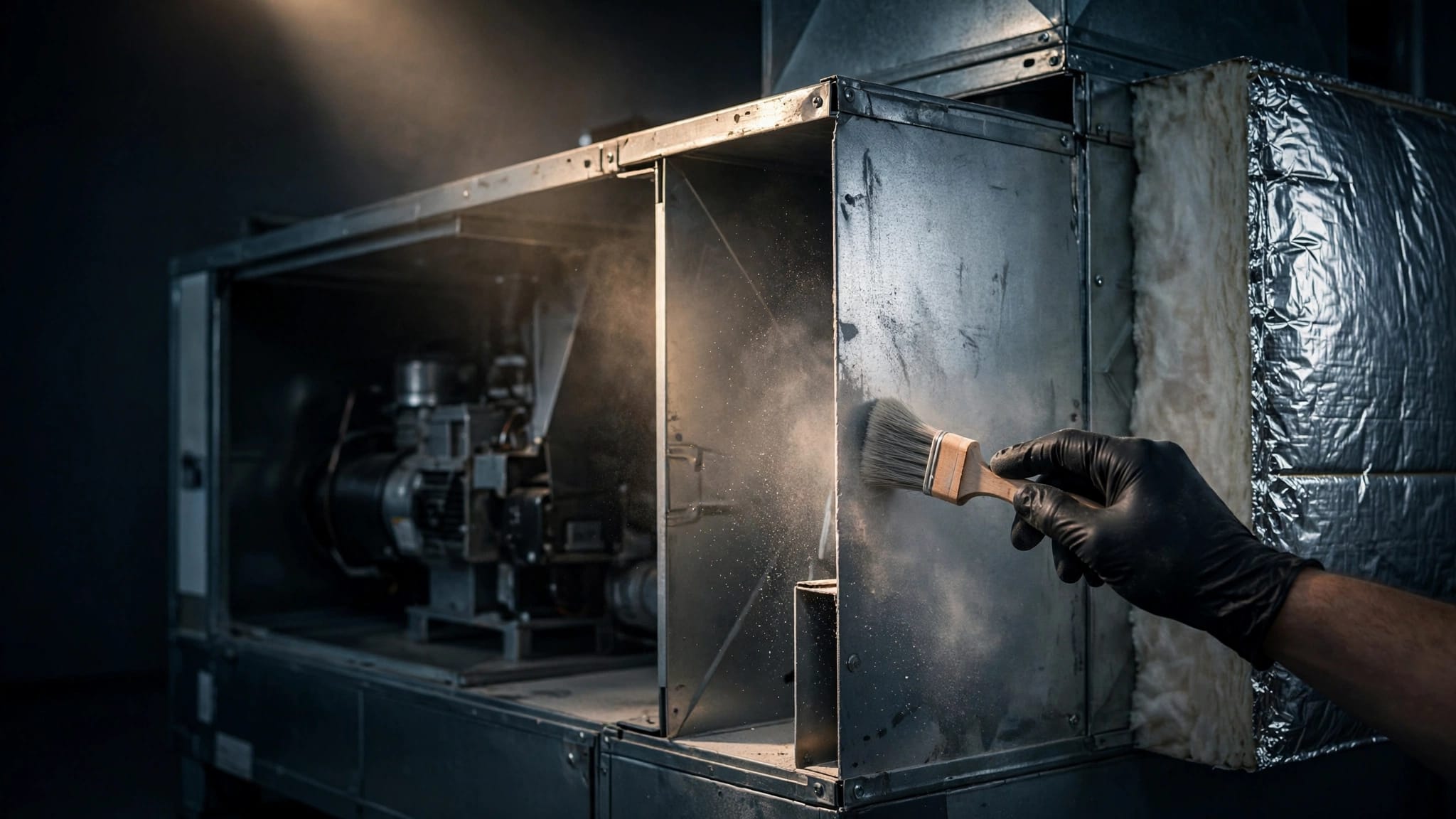
A proper service may include vacuum equipment, brush heads, and flexible rods suited to the duct layout. The technician should remove lint rather than push it farther into the system. They should also look for crushed sections, disconnected joints, excessive bends, damaged duct material, and an exterior cap that can't open correctly.
You can read about the professional dryer vent cleaning steps before scheduling service. The process should include a final airflow check and a review of any conditions that could cause the blockage to return.
Dryer vent cleaning can't repair every gas appliance problem. If the inspection reveals soot, burner concerns, unusual flame behavior, damaged gas lines, or suspected combustion problems, contact a licensed appliance, HVAC, or gas professional. Ask for carbon monoxide testing when a gas appliance or venting system may have allowed exhaust into the home.
Don't remove burner components, alter the gas line, or reconnect the exhaust with improvised materials. Gas and combustion repairs require the right training and equipment.
Get a Free Estimate for professional dryer vent cleaning in a Florida home or business.
Preventing another vent blockage
Clean the lint screen before or after every load, but remember that the screen doesn't catch all lint. Some fibers travel into the exhaust duct, where they can collect over time.
Keep the dryer several inches away from the wall so the transition hose doesn't collapse. Use an approved metal duct, and replace crushed, torn, plastic, or foil vent material. Never vent a gas dryer into a garage, attic, crawl space, or laundry room. The exhaust must discharge outdoors.
Check the exterior cap occasionally while the dryer runs. Strong airflow and a fully opening flap are good signs, although they don't replace a full duct inspection. Keep plants, storage items, and debris away from the vent opening.
Most Florida homes benefit from professional dryer vent cleaning about once a year. Homes with heavy laundry use, pets, long duct runs, or several bends may need service every six to nine months. The annual dryer vent cleaning timeline can help you choose a schedule based on how your home uses the appliance.
Install carbon monoxide alarms on every level and outside sleeping areas. Test them according to the manufacturer's instructions, replace batteries as directed, and follow the alarm's replacement date. A detector adds protection, but it doesn't replace maintenance for the dryer or other fuel-burning equipment.
Conclusion
A gas dryer vent blockage often starts with longer cycles, weak outdoor airflow, excess heat, or damp clothes. Those signs call for prompt dryer vent service, but they aren't the same as carbon monoxide poisoning symptoms.
A sounding CO alarm, headache, dizziness, nausea, confusion, or multiple people feeling ill requires immediate evacuation. Call emergency services from outside, and don't re-enter until the home has been cleared by the proper authorities. Regular vent cleaning and working carbon monoxide alarms help reduce risk, but professional inspection remains the safest response to a suspected gas appliance or vent problem.