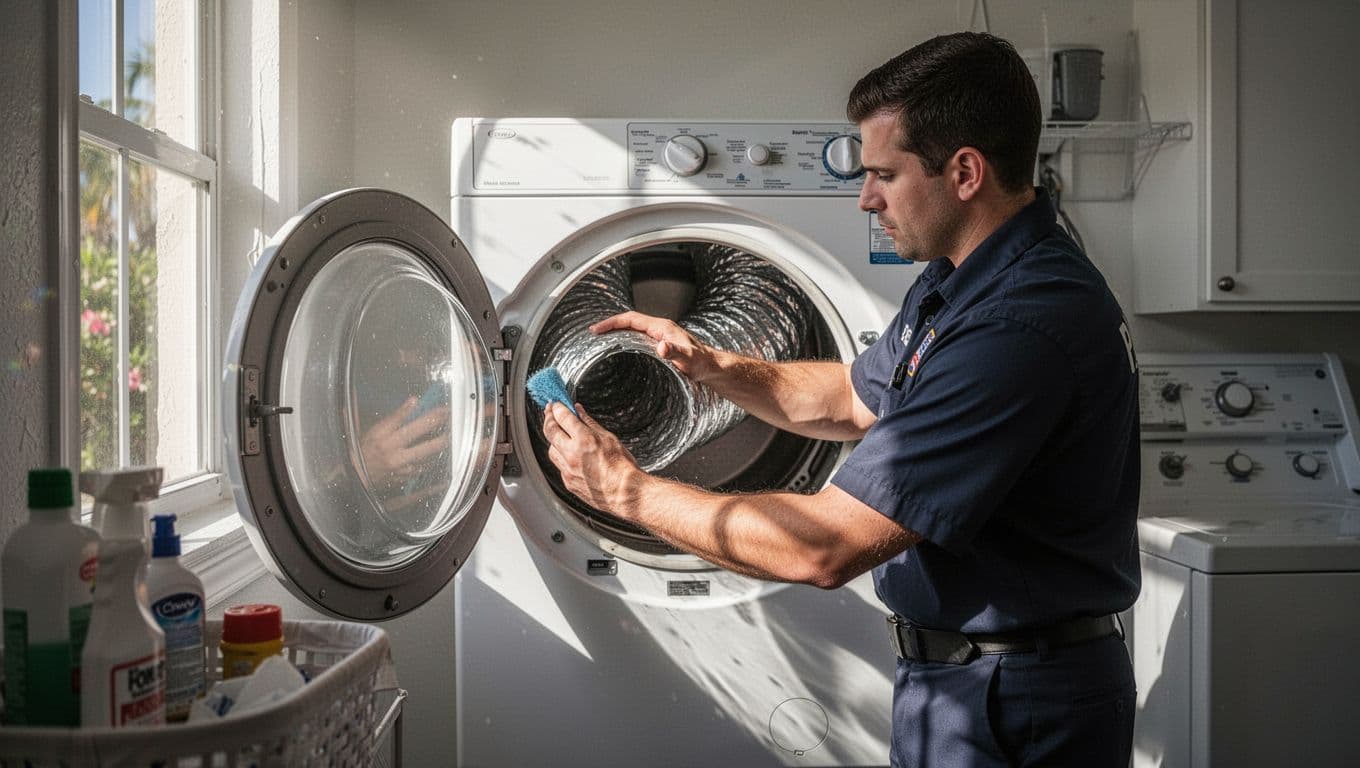
How Often Florida Homes Need Dryer Vent Cleaning

Adkins Duct Cleaning • June 6, 2026

Florida dryers work harder than many homeowners think. For dryer vent cleaning in Florida , the usual answer is once a year for most homes.

Busy households often need service sooner. Pets, long vent runs, and warning signs like slow drying or excess heat can shorten that timeline fast. Moist air and constant laundry use can turn a small lint issue into a bigger problem.

The Short Answer for Florida Homes

Most Florida homes should schedule professional dryer vent cleaning about once every 12 months. That gives average households a solid baseline for safety and airflow.

Some homes need a tighter schedule. Large families, heavy laundry use, pet owners, and homes with long or twisty vent paths often do better with service every 6 to 9 months. If your dryer already shows warning signs, don't wait for the calendar.

Home type Suggested cleaning schedule Why it changes
Average household Once a year Normal lint buildup over time
Large family or frequent laundry Every 6 to 9 months More dryer cycles create more lint
Pet owners Every 6 to 9 months Hair and fluff clog vents faster
Long vent run or roof vent Every 6 to 12 months Airflow drops more easily
Any home with warning signs Right away The vent may already be restricted

If you want a clearer look at what professional service includes, the guide to residential dryer vent care breaks down the process well.

Why Florida Homes Need Extra Attention

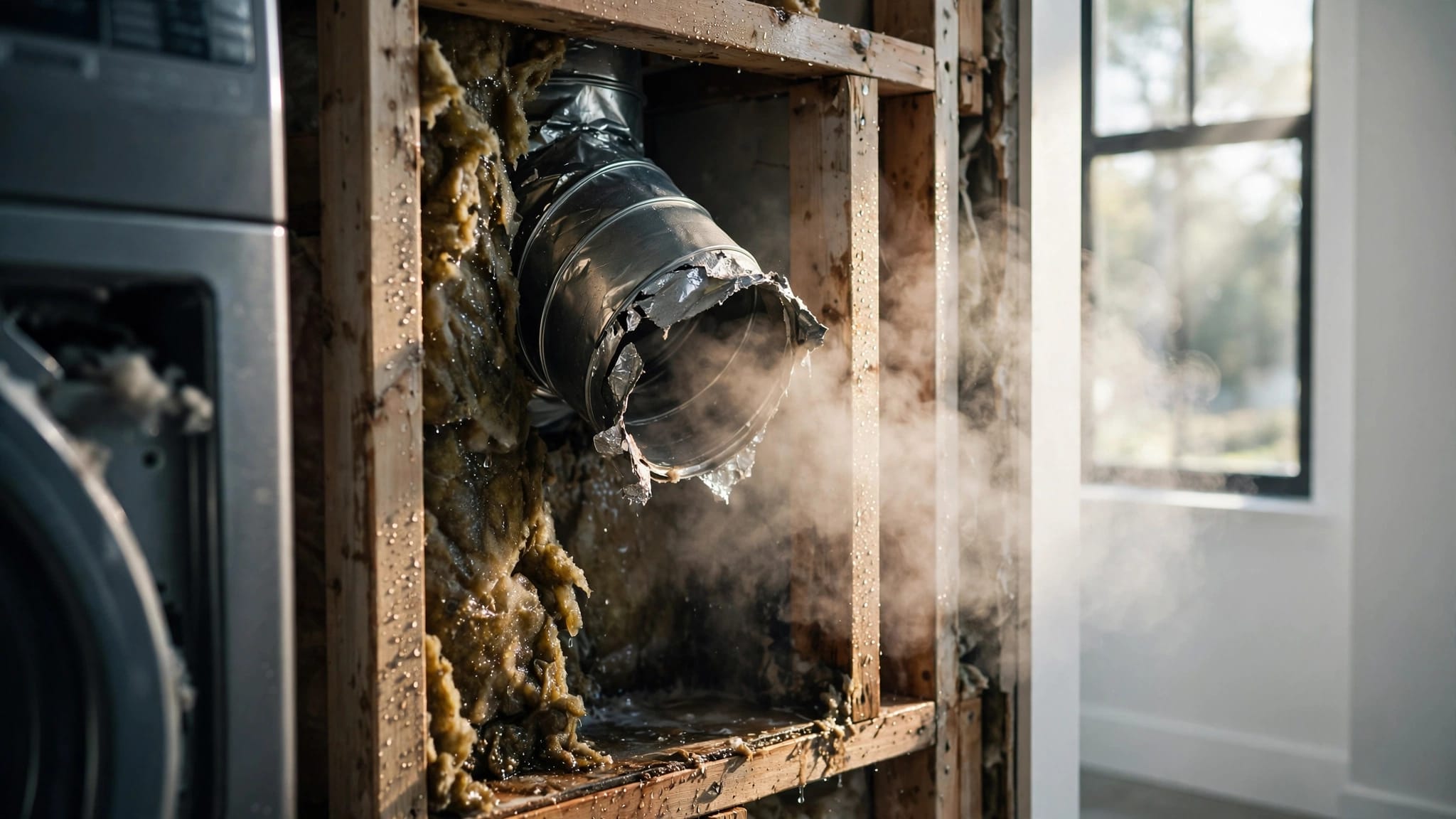
Florida weather puts more stress on dryer vents than many people expect. Heat and humidity can make lint cling inside the vent instead of moving out cleanly. That matters because the dryer depends on strong airflow to push heat and moisture outside.

Homes in Florida also deal with long cooling seasons, so laundry rooms often stay warm. When the dryer runs in that kind of environment, trapped heat has fewer places to go. If the vent already has lint inside, the system works even harder.

Exterior vent caps can also pick up trouble after storms. Leaves, sand, insects, and debris can block the opening. In other words, the vent can slow down inside the wall and at the outside exit at the same time.

Signs You Should Book Service Sooner

A yearly schedule is a good starting point, but your dryer can tell you when it needs help sooner. Watch for these signs:

  • Clothes still feel damp after a normal cycle.
  • The dryer cabinet or laundry room feels unusually hot.
  • You smell a burnt lint odor during or after drying.
  • The outside vent flap barely opens, or it stays closed.
  • Lint collects around the vent opening more than usual.
  • Dryer cycles take longer than they used to.

If the dryer runs longer than usual, treat that as a warning, not a quirk.

A dryer that needs two cycles to finish one load is wasting time and heat. That extra strain adds up fast, especially in a Florida home with steady laundry use.

What Regular Cleaning Does for Your Home

Safer drying

Lint is dry, light, and easy to overlook. It also builds up where heat and airflow meet, which is exactly inside a dryer vent. A clean vent helps hot air move out faster and lowers the chance of dangerous buildup.

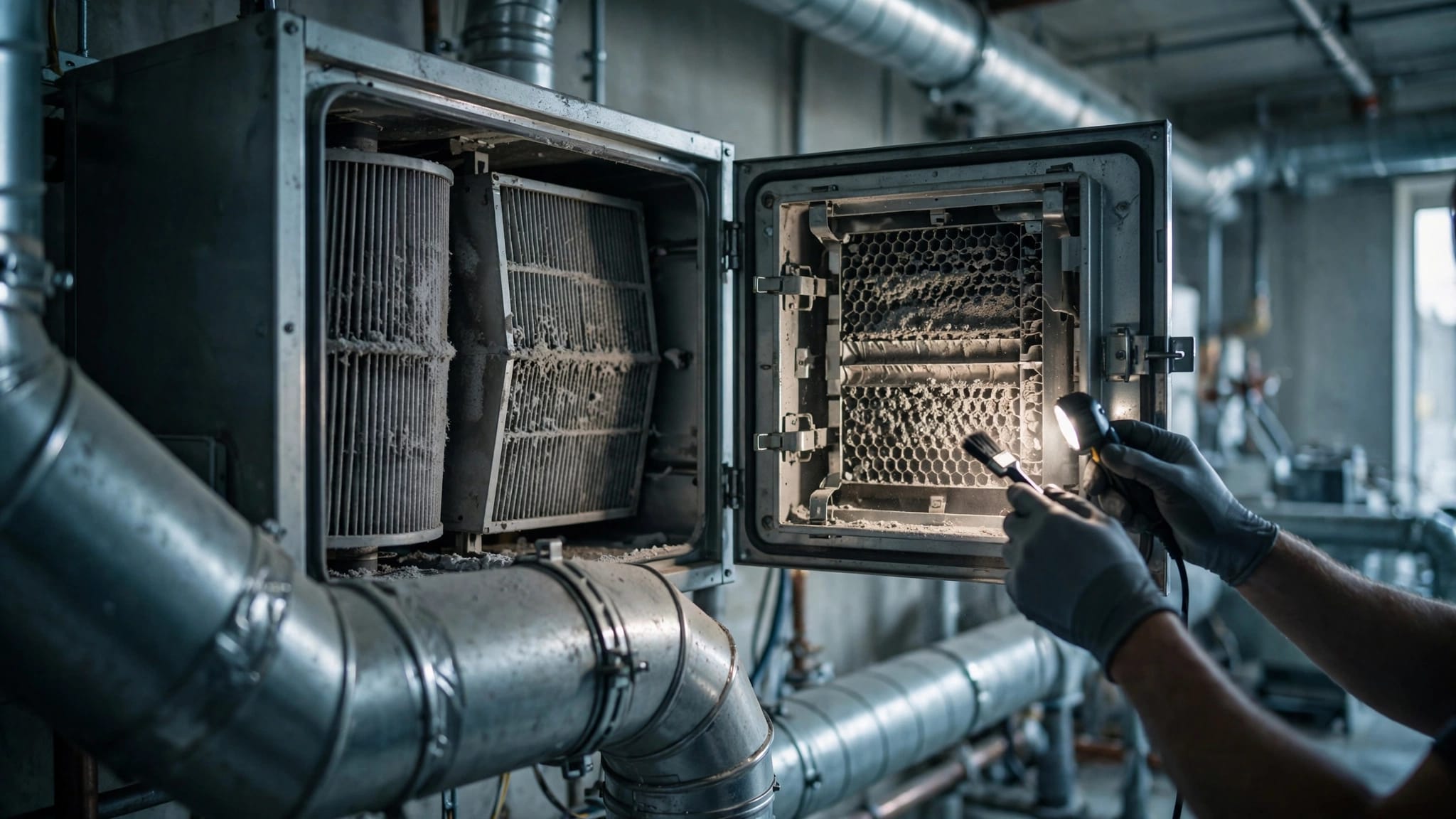
That matters even more in homes where the dryer runs daily. Small clogs can become stubborn fast. Professional cleaning removes lint from the full vent path, not just the trap you empty by hand.

Lower energy use

A clogged vent makes the dryer work longer to do the same job. More time means more power. It also means more heat trapped in the machine and the laundry room.

When airflow improves, clothes dry faster and more evenly. That can help lower wear on the dryer and cut down on repeat cycles. For many homes, the change shows up in the first load after service.

Longer appliance life

Heat is hard on any appliance. So is overwork. A dryer that struggles against a blocked vent has to push harder every time you press start.

Routine cleaning helps the machine run the way it was built to run. That can reduce repair calls and give the dryer a longer useful life. It also keeps the whole laundry setup more reliable, which matters when laundry never stops.

A Simple Maintenance Rhythm That Works

A few habits can stretch the time between professional visits. Clean the lint screen after every load. Check the outdoor vent cap now and then, especially after storms or yard work. If the flap looks stuck or covered, get it looked at before the next laundry day.

For most Florida homeowners, the best rhythm is simple. Keep up with the lint trap, watch for slower drying, and schedule a yearly cleaning. If your home has pets, lots of laundry, or a long vent line, move that schedule up.

When you're ready to make the vent safer and easier to maintain, Get a Free Estimate and ask about service for your home.

The Schedule Most Florida Homes Need

Most Florida homes do well with dryer vent cleaning once a year. That gives you a steady baseline for safety, airflow, and dryer performance.

Still, Florida conditions can push that schedule earlier. If your home has heavy laundry use, pets, a long vent run, or any warning signs, don't wait for the annual mark. A clean vent helps the dryer run cooler, work faster, and last longer, which makes it one of the simplest home care tasks to stay ahead of.

By Adkins Duct Cleaning June 5, 2026
Weak airflow can creep into a house so slowly that you barely notice it at first. One day the vents feel soft, the next the system runs longer, and soon a room that used to stay comfortable feels off. A dirty blower wheel is one possible cause. That wheel is the fan inside the...
By Adkins Duct Cleaning June 4, 2026
Florida heat can make a small thermostat choice feel bigger than it looks. When the AC fan keeps running, your home may feel different, smell different, and even cost more to cool. For most Florida homes, AUTO is the better setting. It helps the system remove moisture, which m...
By Adkins Duct Cleaning June 3, 2026
Florida heat makes a small AC closet work harder than most homeowners realize. When that closet starts to smell musty, the problem is usually moisture, not dust alone. A damp drain pan, a clogged line, or wet insulation can keep the odor alive long after the thermostat is set....