Signs a Dirty Blower Wheel Is Restricting Airflow

Adkins Duct Cleaning • June 5, 2026

Weak airflow can creep into a house so slowly that you barely notice it at first. One day the vents feel soft, the next the system runs longer, and soon a room that used to stay comfortable feels off.

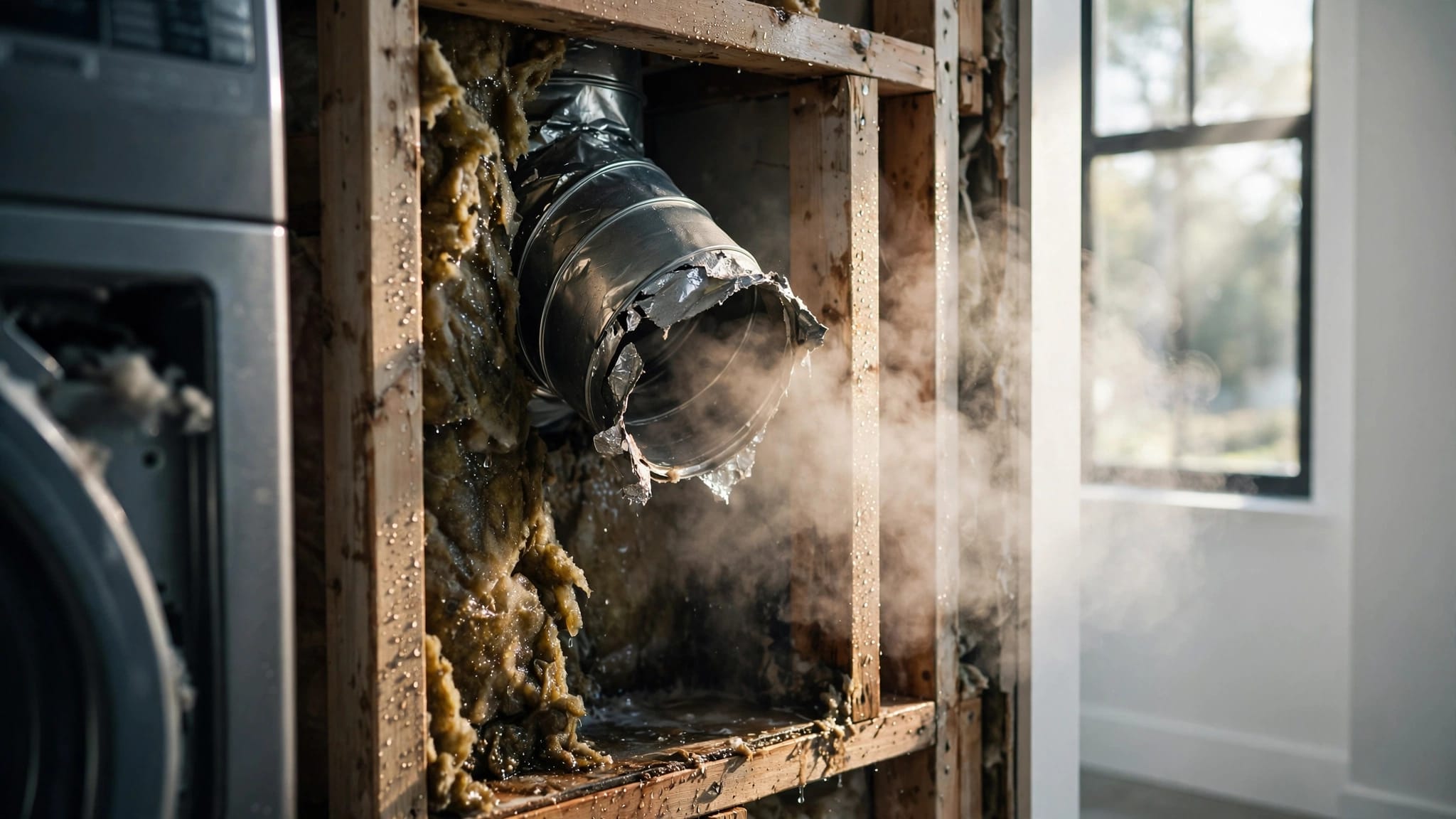
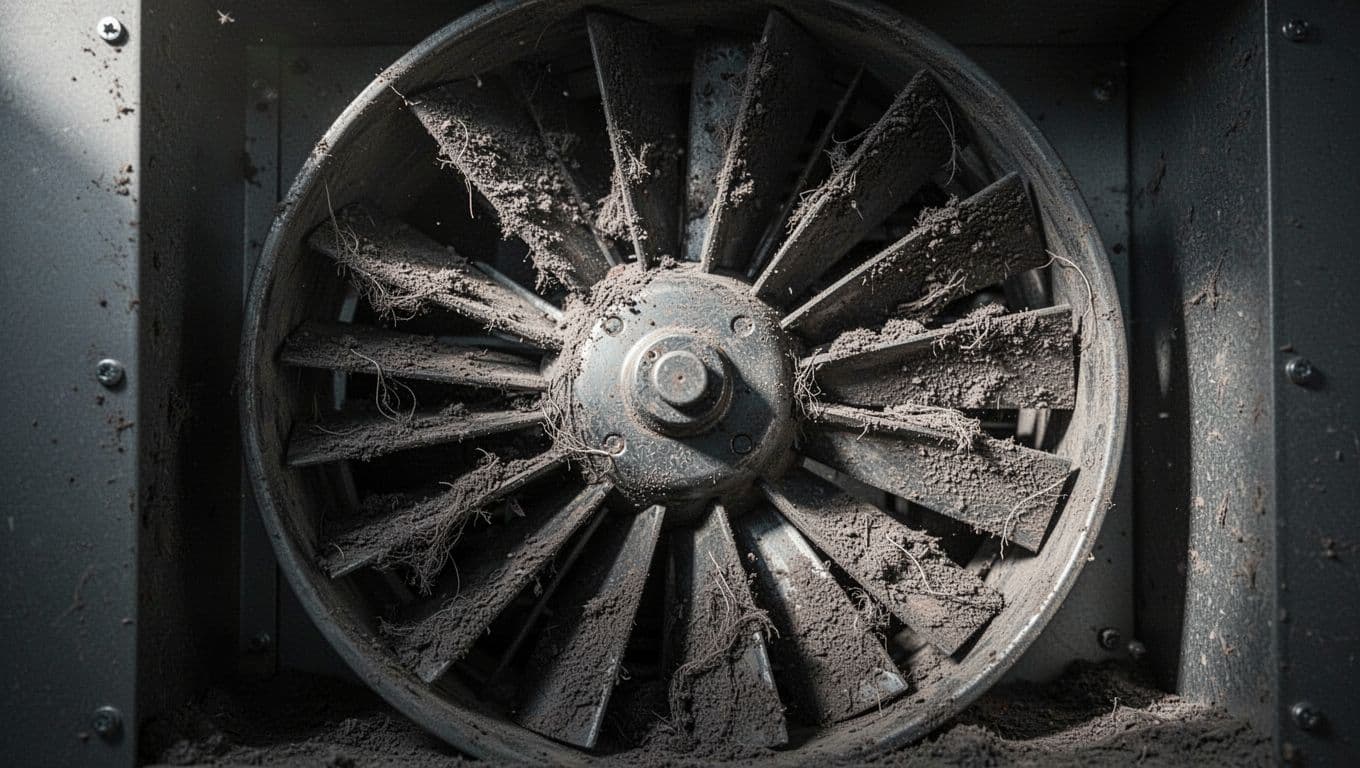
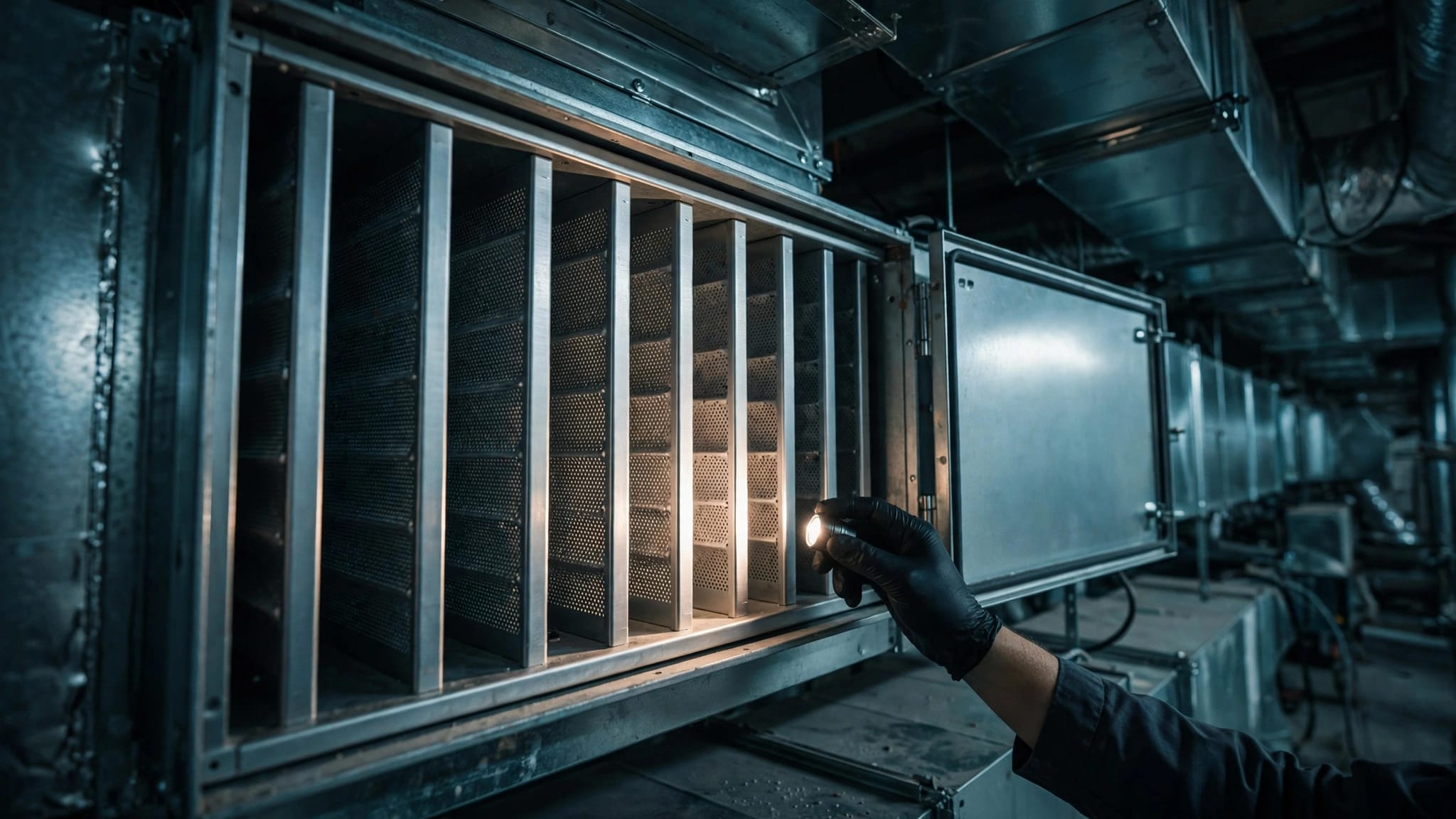
A dirty blower wheel is one possible cause. That wheel is the fan inside the furnace or air handler that pulls air through the system and pushes it through the ducts. When dust, lint, and debris coat the blades, airflow drops and the whole system has to work harder.

If the problem seems centered around the indoor unit, when to clean your air handler vs ducts can help you sort out the next step.

Why the blower wheel matters so much

The blower wheel does the heavy lifting in your HVAC system. It moves air across the coil, through the ducts, and out of the vents. When the blades are clean, air moves with less resistance.

Once the wheel picks up dust, the shape of each blade changes. Air no longer passes through as smoothly, so the fan has to spin harder to deliver the same amount of air. That extra strain can show up in several ways, and some are easy to miss.

The tricky part is that blower wheel problems often look like other HVAC issues. A clogged filter can cause the same weak airflow. So can a duct leak, a closed register, or a blower motor problem. That's why one symptom alone does not tell the whole story.

A good rule is to look for a pattern. If the airflow feels weak, the system runs longer, and the house never quite feels right, the blower wheel deserves a closer look. If you only notice one odd sign, start with the easy checks first.

Weak airflow from vents is usually the first clue

The most common sign is simple. Air coming from the vents feels weaker than it used to. You may notice it in one room first, then across the house.

That slowdown can happen because the blower wheel cannot move enough air. The system still turns on, but the air stream loses force before it reaches the rooms. On a hot afternoon, that can make the AC feel tired even when the thermostat is set correctly.

Here's a quick way to compare what you notice with other likely causes:

Sign What you may notice Other possible causes
Weak airflow Vents feel soft or uneven Dirty filter, closed registers, duct leaks
Longer run times System stays on much longer Low refrigerant, thermostat issue, blower motor trouble
Higher energy bills Bills rise without more comfort Heat, insulation gaps, dirty coil
Uneven temperatures Some rooms stay warm or stuffy Duct imbalance, blocked supply lines

The pattern matters more than any single row. A dirty wheel can create all of these problems, but it can share the blame with other parts of the system.

One symptom rarely tells the full story. A weak system can point to a dirty blower wheel, but it can also point to a filter or duct issue.

If the vents feel weaker after you've changed the filter, that's a stronger clue. If the weakness comes and goes, the problem may be more than dust on the wheel.

Longer run times and uneven rooms point to airflow loss

When airflow drops, the thermostat keeps asking for more cooling or heat. The system runs longer because it takes more time to move the same amount of air through the house. That can be easy to spot if your AC used to shut off sooner and now seems to run almost nonstop.

Long run times also affect comfort. A room near the air handler may still feel fine, while a bedroom at the far end of the house lags behind. In other cases, the whole house feels close enough, but never quite comfortable.

That happens because air movement is part of the comfort equation. When less air reaches the rooms, the temperature changes more slowly. Humidity can also hang around longer, which makes a space feel sticky even when the thermostat says the temperature is close to set point.

Rising energy bills often show up next. The system uses more power to fight the same resistance, and the extra runtime adds up. You may not see a huge jump in one month, but the bill can creep higher over time.

A dirty blower wheel is not the only reason for that pattern. A motor that is losing strength can act the same way. So can duct restrictions or a coil that needs cleaning. Still, if the timing lines up with weaker airflow and longer cycles, the blower wheel belongs on the list.

Dust, noise, and a dirty wheel inside the air handler

Some clues show up around the indoor unit instead of at the vents. Dust near the return grille, more debris on nearby surfaces, or a musty smell at startup can all be part of the picture. None of those signs prove the blower wheel is dirty, but they should get your attention.

A wheel with heavy buildup can also make new sounds. You might hear more whooshing than usual, a light rattle, or a low vibration that was not there before. If the wheel loses balance because of packed-on dust, the sound can get worse over time.

A blower wheel can get dirty long before the problem becomes obvious. By the time the airflow drops enough for you to notice, the buildup may already be thick enough to reduce comfort across the house.

Dust is also easy to misread. If shelves, floors, and vent covers keep collecting dust, the issue may involve duct leaks or poor filtration as well. That is another reason not to overdiagnose based on one sign.

Safe checks you can do before calling for service

A few simple checks can help you narrow things down without opening the unit.

  • Replace the air filter if it looks gray, bent, or packed with dust.
  • Make sure supply vents and return grilles are open and not blocked by furniture, rugs, or curtains.
  • Listen to the system at startup, then note whether the airflow feels weaker than usual.
  • Walk through the house and see if the same rooms stay warm, humid, or stuffy.

These checks won't tell you if the blower wheel is dirty, but they can rule out easy fixes. If the filter was packed and the airflow returns after replacement, you may have found part of the problem.

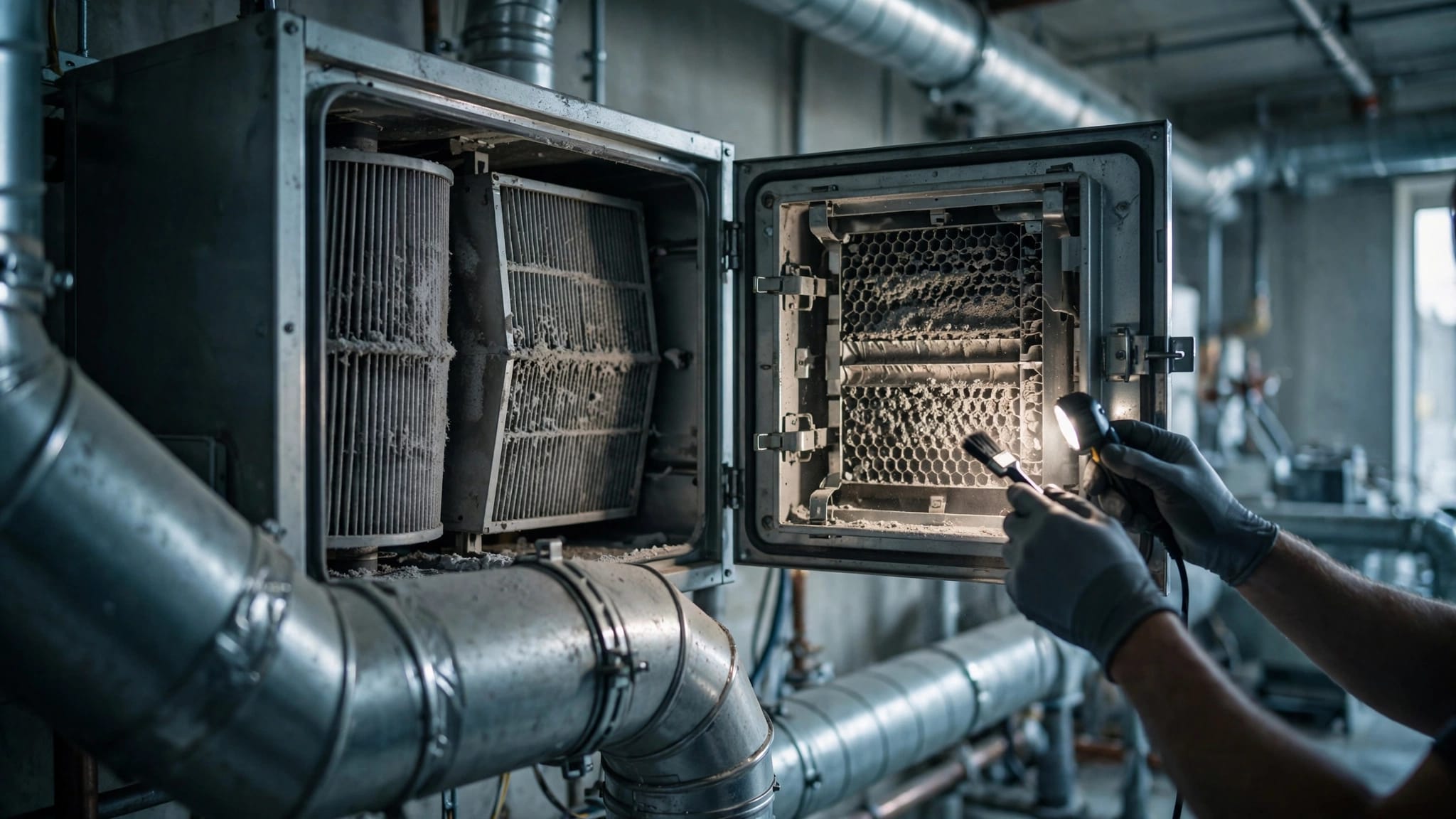
Do not take apart the blower assembly yourself. The cabinet contains sharp edges, moving parts, and electrical components. A careful inspection from a trained technician is the safer choice when the indoor unit needs cleaning.

If the filter is clean, the vents are open, and the house still feels starved for air, the blower wheel may need professional cleaning. Get a Free Estimate if you want an inspection that can sort out the blower wheel, ductwork, and other indoor unit issues.

Conclusion

A dirty blower wheel usually shows up as a comfort problem before it looks like a visible one. Weak airflow, longer run times, uneven rooms, higher bills, dust, and odd sounds all fit the pattern.

Those signs can overlap with a clogged filter, duct trouble, or a blower motor issue, so the safest approach is to check the simple things first. If the system still struggles after that, the indoor unit may need professional attention.

When airflow drops and comfort fades, the blower wheel is one of the first parts worth checking.

By Adkins Duct Cleaning June 4, 2026
Florida heat can make a small thermostat choice feel bigger than it looks. When the AC fan keeps running, your home may feel different, smell different, and even cost more to cool. For most Florida homes, AUTO is the better setting. It helps the system remove moisture, which m...
By Adkins Duct Cleaning June 3, 2026
Florida heat makes a small AC closet work harder than most homeowners realize. When that closet starts to smell musty, the problem is usually moisture, not dust alone. A damp drain pan, a clogged line, or wet insulation can keep the odor alive long after the thermostat is set....
By Adkins Duct Cleaning June 2, 2026
A room that never feels quite right often points to airflow, not the thermostat. If one bedroom stays stuffy, the hall feels fine, and the system runs and runs, your home may need an additional return vent . Return vents pull air back to the HVAC system so it can be cooled or...