How to Prepare Your Home for Air Duct Cleaning
Dust around your vents is easy to ignore until it returns minutes after cleaning. Preparing your home before an appointment helps technicians reach the system, protect your belongings, and remove debris without unnecessary delays.
The best way to prepare your home for air duct cleaning is to clear access, share useful information about your HVAC system, and plan for activity around the house. A few small steps can make the visit safer and more thorough.
Key Takeaways
- Clear furniture, storage, and decorations away from vents, returns, and the indoor HVAC unit.
- Secure pets, protect fragile belongings, and tell the technician about leaks, odors, pests, or visible damage.
- Ask what the service includes, including duct access, air handler cleaning, filter replacement, and optional treatments.
- Prepare the dryer area and exterior vent termination if dryer vent cleaning is part of the appointment.
Walk Through the Home Before the Appointment
Start by locating every visible supply register and return grille. Supply vents push conditioned air into rooms, while return grilles pull air back toward the HVAC system. Technicians may need access to both, so check bedrooms, closets, hallways, bathrooms, and other less-used spaces.
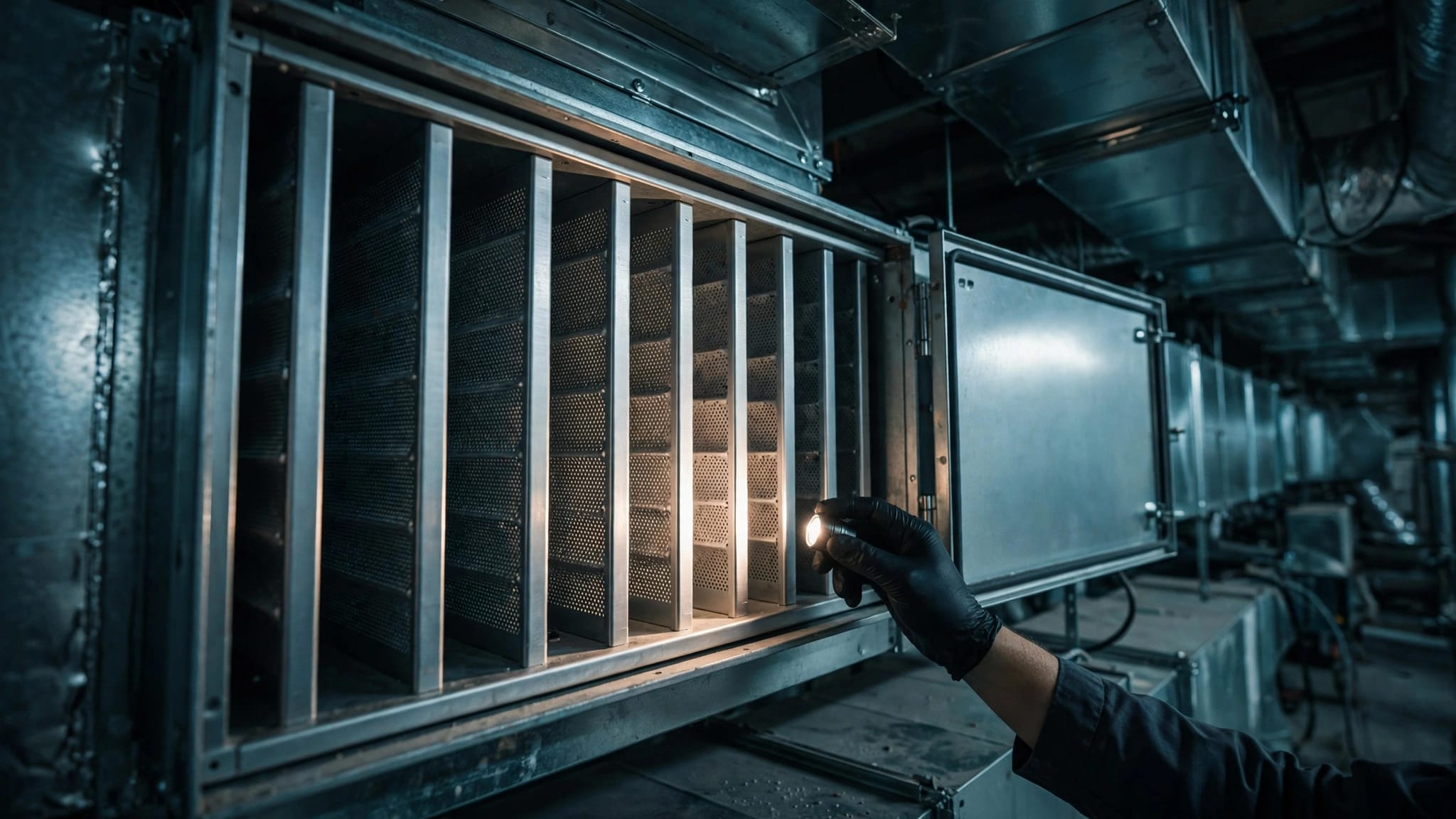
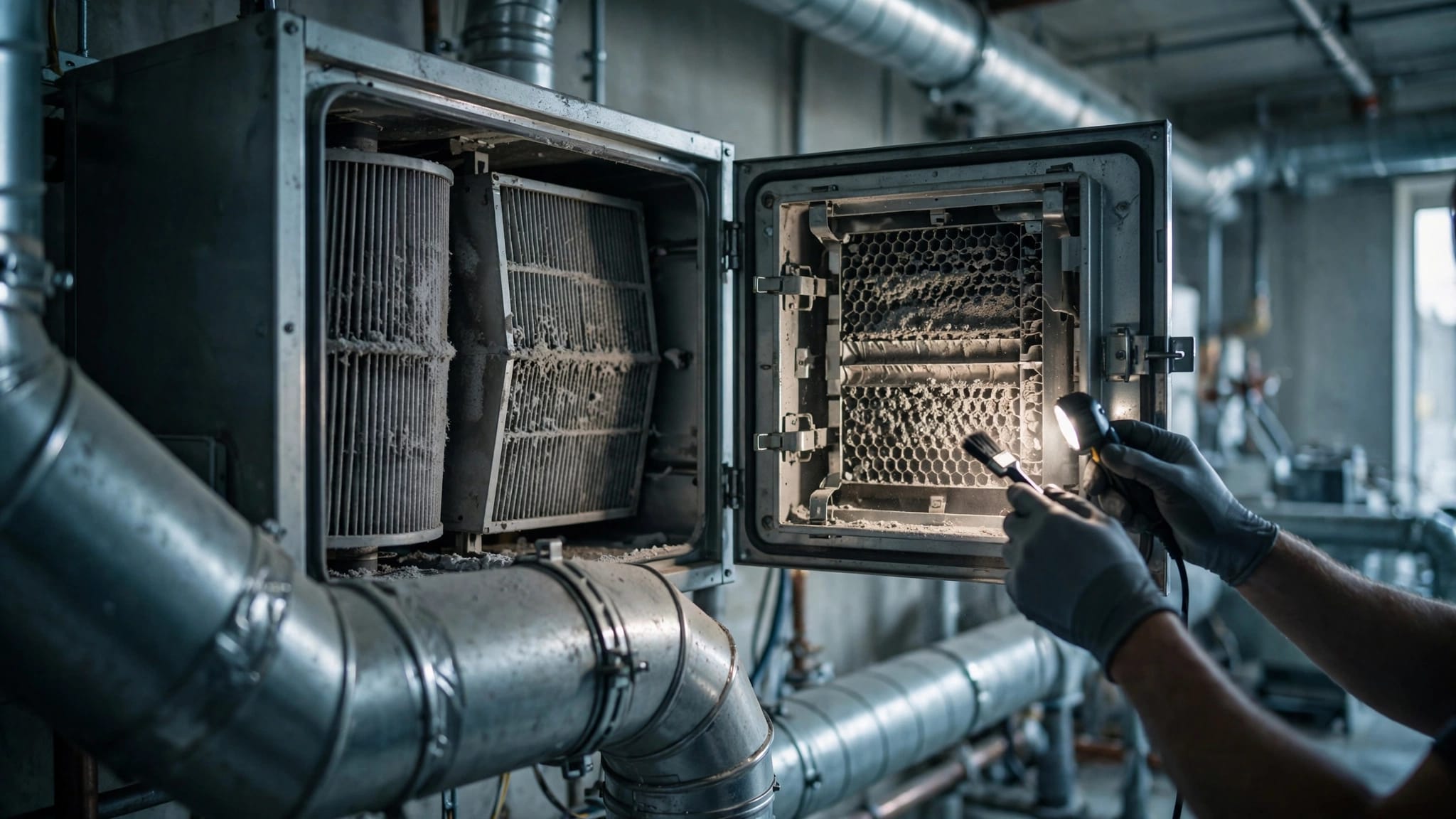
Look for the indoor air handler as well. In Florida homes, it may sit in a garage, utility closet, attic, or ceiling access area. The technician might need room around the unit to inspect connections, open access points, and position vacuum equipment.
Write down anything unusual that you've noticed. Useful details include:
- Rooms that collect dust faster than others.
- Musty, smoky, or chemical odors near vents.
- Weak airflow from one or more registers.
- Water stains, condensation, or signs of past leaks.
- Pest activity around grilles, the attic, or ductwork.
- Recent remodeling, drywall work, or major cleaning.
These observations help the crew focus on the right areas. They also matter when the problem involves more than loose dust. Wet insulation, damaged ductwork, active mold growth, and HVAC equipment issues may require additional work or another qualified professional.
Don't remove every vent cover before the crew arrives unless the company asks you to. Technicians usually handle that step and can protect the screws, grilles, and surrounding surfaces during removal. You can wipe obvious dust from the outside of a grille, but avoid spraying cleaners into the vent.
If the property is vacant for part of the year, prepare it before you arrive. The air duct cleaning advice for snowbird properties includes practical checks for filters, humidity, pests, and HVAC operation.
Clear Access and Protect Your Belongings
Move furniture, boxes, toys, and other items away from vents and returns. A technician needs enough room to remove grilles without bumping a table or dragging equipment across a crowded floor. Clear a wider path when possible, especially between the front door, the HVAC unit, and the rooms with several registers.
Pay close attention to closets and hallways. A return grille hidden behind a dresser can take extra time to reach. An attic access panel may also sit beneath stored items. Moving those belongings before the appointment gives the crew a safer work area and helps the visit stay on schedule.
Protect fragile items that sit near vents or equipment. Glass decorations, picture frames, lamps, and small electronics can collect dust if they remain close to the work area. Put them in another room or cover them with a clean sheet.
Professional crews should protect floors and nearby surfaces, but homeowners can still remove obstacles and point out delicate finishes. Mention hardwood flooring, freshly painted walls, antique furniture, or ceiling areas that need extra care.
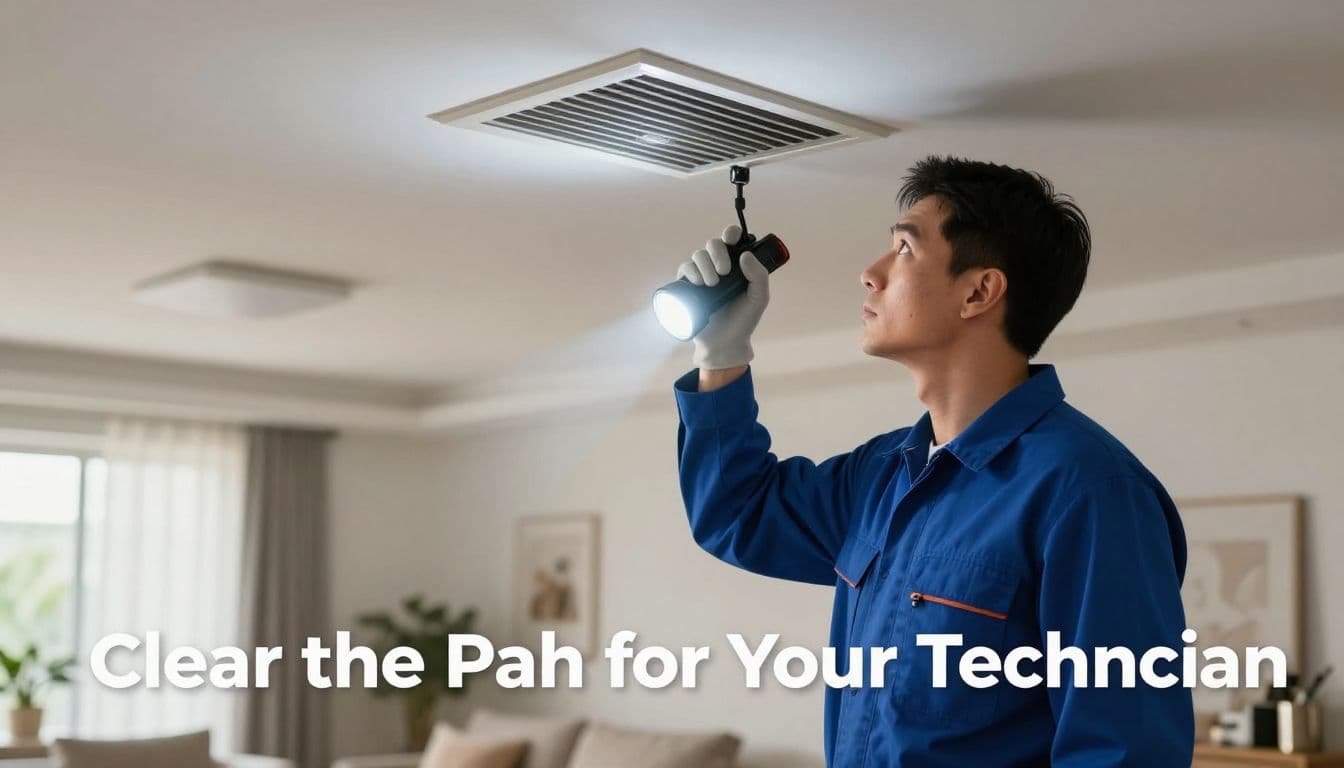
Give the technician a clear route to the electrical panel, thermostat, air handler, and any accessible duct openings. If the unit is in a garage, move vehicles or tools far enough away for the technician to work safely. In an attic, clear the access point and check that the path is free of loose boards or stored containers.
Keep children and pets away from the work zone. Vacuum hoses, ladders, power cords, and open HVAC panels create hazards during the appointment. A closed room or secure carrier can keep pets calm while the crew works.
You don't need to deep-clean the house first. Normal household dust is expected, and the technicians will use professional equipment to control debris. Focus on access and protection rather than trying to make the home spotless.
Prepare the HVAC System and Share Important Details
Ask the company whether you should turn off the HVAC system before the appointment. Some crews handle the shutdown when they arrive, while others provide instructions based on the equipment and service plan. Follow the technician's directions instead of changing thermostat settings on your own.
Check the current air filter and tell the company when it was last replaced. Don't assume you need to install a new filter before cleaning. In many cases, the technician will recommend replacing it after the work, once loosened dust has been removed from the system.
Keep the thermostat and HVAC controls accessible. The crew may need to test airflow, operate the blower, or confirm that the system runs correctly after service. Tell them about unusual sounds, short cycling, uneven cooling, or recent repairs.
A standard duct cleaning appointment may involve supply and return ducts, the blower compartment, accessible air handler components, and other areas listed in the service agreement. The exact scope depends on the system's design and the areas the crew can safely reach.
Before work begins, ask how the company will control dust. Proper equipment should create negative pressure so debris moves into the collection system instead of spreading through the home. You can also ask how the crew handles fiberglass duct board, flexible ducts, or lined sections that need appropriate tools.
If you want a clearer picture of the appointment, review what to expect during an air duct cleaning visit. Knowing the usual inspection, cleaning, and final walkthrough steps makes it easier to prepare the right areas.
Share information about previous treatments or repairs. Tell the technician if another company applied a sanitizer, sealant, odor product, or microbial treatment. This record helps the crew choose compatible products and avoid unnecessary applications.
Get the Dryer Area Ready for Cleaning
Dryer vent cleaning needs a different type of access. The technician may need to reach the back of the dryer, the vent connection, the wall passage, and the exterior termination. Remove laundry baskets, storage bins, cleaning supplies, and other objects around the appliance.
Empty the lint screen before the appointment and clean the area around it. You don't need to take the dryer apart. If the appliance is gas-powered, don't disconnect the gas line yourself. Let the technician handle any required movement or ask whether a qualified appliance professional should assist.
If the dryer sits in a tight laundry closet, open the doors and remove items from nearby shelves. Keep the route to the exterior vent clear as well. On some homes, the vent exits through an exterior wall, soffit, roof, or garage area. Tell the technician where you believe the termination is located.
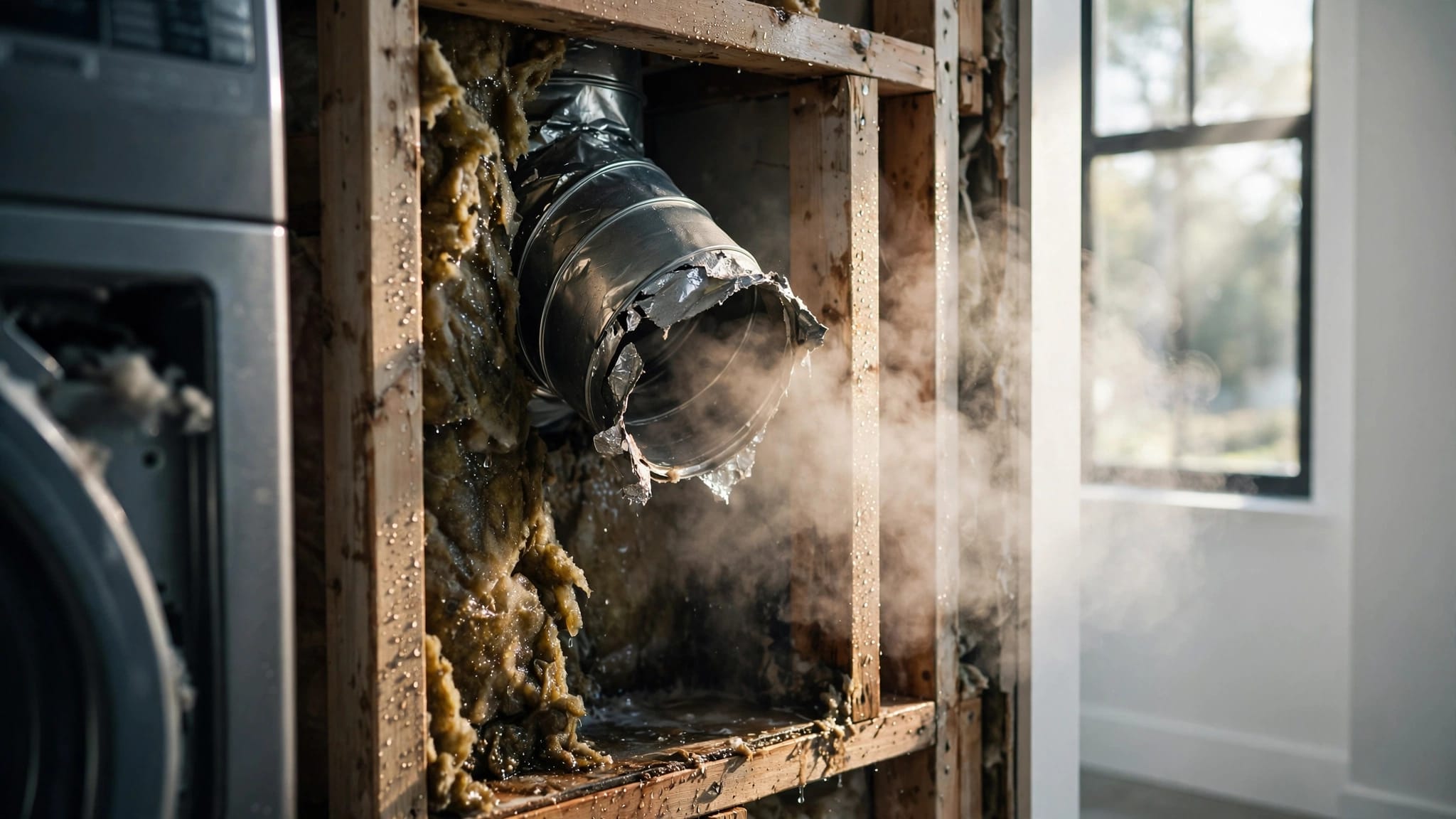
Look for warning signs before the visit. Clothes that take longer to dry, a hot laundry room, a burning smell, or lint around the exterior flap can point to restricted airflow. Mention these symptoms when you schedule service.
Avoid running a full load immediately before cleaning if the dryer becomes hot or difficult to access. The appliance may need time to cool before the technician works behind it. Follow any appointment instructions provided by the company.
Duct cleaning and dryer vent cleaning can occur during the same visit, but they use different tools and address different problems. Cleaning the home's HVAC ducts won't clear lint from the dryer exhaust line, so confirm that both services appear on the estimate if you need both.
Confirm the Scope Before the Crew Arrives
A quick call or written confirmation can prevent confusion on service day. Ask what areas the price covers and whether the company will inspect the system before cleaning. You should know whether the estimate includes registers, return ducts, trunk lines, the air handler, and the dryer vent when requested.
Also ask about access requirements. Some homes have concealed ductwork, limited attic space, or equipment behind removable panels. The company may need to know the number of HVAC systems, the home's approximate size, and whether the property is occupied.
Ask which optional services are recommended and why. Sanitizers, microbial treatments, odor removal, UV lights, and air purification systems address different conditions. A treatment should match an identified concern, such as a persistent odor or confirmed microbial growth, rather than being added without an explanation.
Insurance and workmanship matter when technicians work in attics, garages, closets, and around finished surfaces. Review these questions to ask before hiring a duct cleaning company before you approve the appointment.
Request a clear arrival window and ask how long the work may take. The time depends on system size, access, duct condition, and whether dryer vent service is included. Keep the homeowner or an authorized adult available to answer questions and review the finished work.
If you're ready to discuss your home's needs, Get a Free Estimate for air duct or dryer vent cleaning.
A Clean Appointment Begins With Good Access
Preparing your home for air duct cleaning doesn't require a major house project. Clear the work areas, protect fragile belongings, secure pets, and share any concerns about airflow, odors, moisture, or past repairs.
For dryer vent service, make the appliance and exterior termination accessible without disconnecting gas lines or electrical connections yourself. Then confirm the service scope, equipment, and optional treatments before the crew arrives.
When technicians can inspect and reach the right components, they can spend more time cleaning the system and less time moving obstacles. That preparation helps turn a dusty, disruptive visit into a safer and more organized service appointment.