Duct Cleaning After Insulation: When Is It Needed?
If you've replaced attic insulation, you may wonder whether duct cleaning after insulation work is necessary. The short answer is no, not automatically. However, dusty replacement work can expose weak duct connections, open returns, and loose debris that later enters your HVAC system.
The timing still matters. Duct cleaning after insulation replacement can make sense when contamination occurred, but duct sealing or repair may matter more if the system pulled attic air through leaks. Start by checking what happened above the ceiling, then choose the service that addresses the actual problem.
Is duct cleaning after insulation replacement necessary?
Replacing attic insulation creates a messy work area, but the debris doesn't automatically travel through every duct. Supply ducts carry conditioned air toward rooms and usually stay closed. If they remain intact, insulation around the outside of a duct doesn't mean the inside needs cleaning.
Return ducts deserve more attention. The return side pulls air toward the air handler. A loose joint, torn flex duct, missing end cap, or open return grille near the work area can draw fibers and attic dust into the system. Running the blower while workers disturb insulation can move that material through the return path.
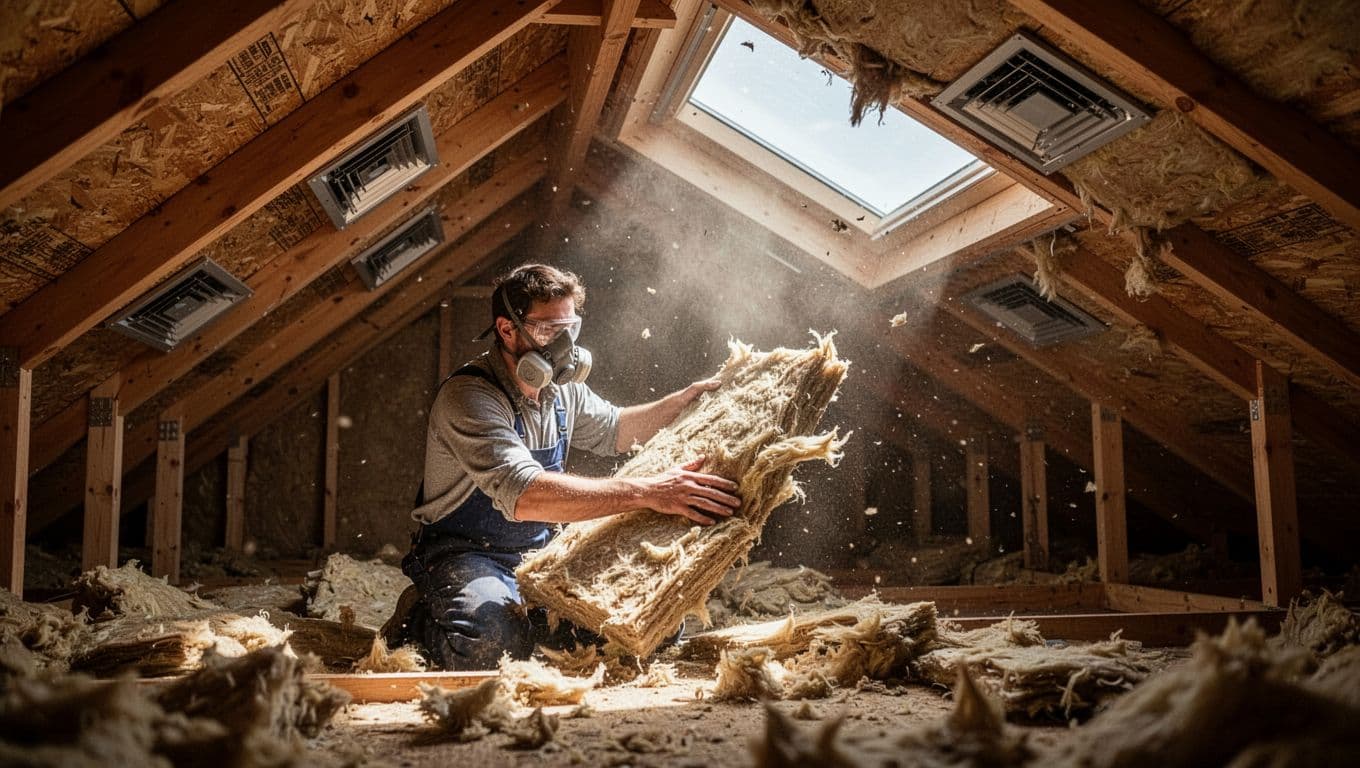
Fiberglass and cellulose insulation create different types of debris. Fiberglass can release light fibers, while cellulose produces fine dust and small pieces of treated paper. Either material can collect at registers, grilles, dampers, or the return plenum if workers leave openings unprotected.
Insulation replacement can also reveal a problem that existed before the project. For example, a return duct may have been leaking attic air for years. New insulation won't stop that leak, and cleaning the duct won't stop it either.
What should you inspect after the work?
Before scheduling a full cleaning, look at the accessible parts of the system. Check whether:
- Any flex ducts were disconnected, crushed, torn, or moved.
- Temporary covers were missing from registers or return grilles.
- Fibers or loose debris appear inside a grille or supply boot.
- The HVAC system ran while old insulation was being removed.
- The filter became dirty much faster than usual after the project.
One sign alone doesn't prove that the entire duct system needs cleaning. It does show where a technician should focus the inspection.
The U.S. Environmental Protection Agency doesn't recommend routine duct cleaning for every home. Visible mold, pest activity, or substantial dust and debris provide stronger reasons to consider professional cleaning.
When duct cleaning after insulation work makes sense
Schedule duct cleaning after insulation replacement when loose material entered the duct system or when the work left visible contamination behind. A dusty attic by itself isn't enough. The debris must have a path into the HVAC equipment or air distribution system.
Cleaning deserves consideration in these situations:
- Insulation dust is visible inside supply boots, return openings, or accessible duct sections.
- Registers release a dusty odor or visible particles after the insulation project.
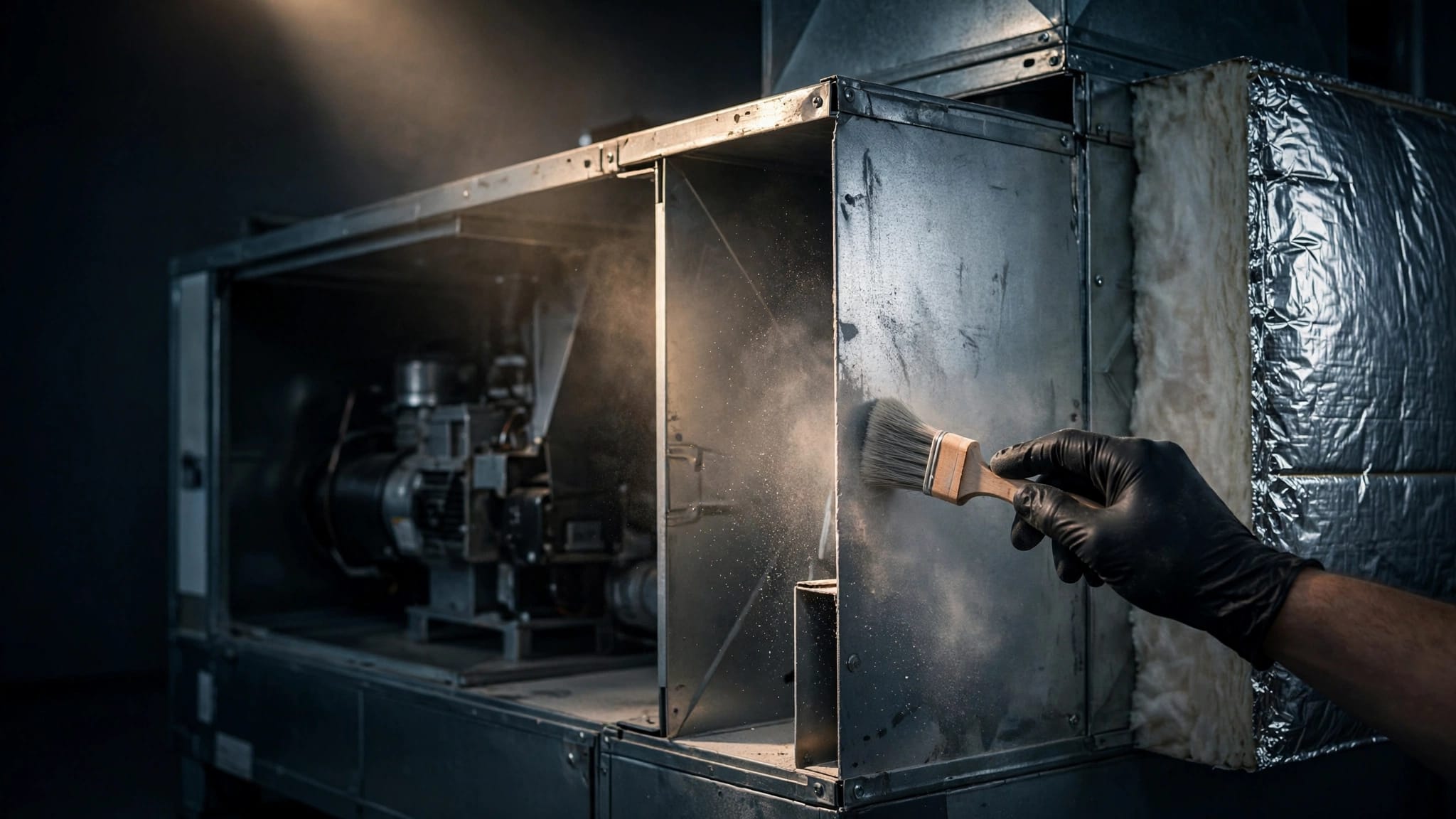
- The blower compartment, return plenum, or evaporator coil area contains loose debris.
- Workers opened, disconnected, or damaged duct sections during removal and installation.
- A filter loads quickly after the work, especially when the system operated during cleanup.
- The property has a documented pest issue, mold growth, or water damage in or near the ductwork.
A dirty register cover doesn't prove that the whole system is contaminated. Remove the grille and inspect the boot with a flashlight. Surface dust may need simple cleaning, while packed debris deeper in the run calls for professional equipment.
Return leaks are especially important because they can pull attic air into the system. Read about how attic dust enters through duct leaks before assuming that cleaning alone will solve recurring dust.
A new filter can catch particles moving through the system, but it can't remove settled debris inside a duct or stop air entering through a leak.
People with allergies or respiratory sensitivities may prefer a careful inspection after a dusty project. Still, duct cleaning isn't a guaranteed treatment for asthma, allergies, or other medical conditions. It can remove loose buildup when contamination exists, but it doesn't replace medical care or control every indoor air source.
Check for duct leaks before paying for cleaning
Cleaning and sealing address different problems. Cleaning removes loose dust and debris from the interior. Sealing closes gaps that allow air and particles to move where they shouldn't.
| What you find | Likely first step | Why it matters |
|---|---|---|
| Loose dust inside intact ducts | Duct cleaning | Removes settled material from the air path |
| Gaps at joints or the return plenum | Duct sealing or repair | Stops attic air from entering the system |
| Torn or crushed flex duct | Duct repair or replacement | Restores the intended airflow path |
| Wet insulation or a musty odor | Moisture investigation | Cleaning won't fix an active water source |
| Dust only on grille covers | Grille cleaning and filter replacement | A full system cleaning may not be needed |
The table points to a simple rule: the source of the problem comes first . If a return connection leaks, a spotless duct can become dusty again. If a supply run is disconnected, cleaning won't restore airflow to the room.
For that reason, ask the contractor to inspect connections, plenums, boots, and accessible flex runs. A camera inspection may help in some systems, although technicians can often identify major issues through visual inspection and airflow testing.
You can also compare duct sealing versus cleaning when dust keeps returning or certain rooms feel uncomfortable. The best service may include both steps, but neither should be recommended without evidence.
Sanitizers and antimicrobial treatments also deserve caution. A provider shouldn't add them automatically because insulation work created dust. These products may have a place when a documented microbial condition exists, but moisture control and source removal must come first.
Schedule insulation and duct cleaning in the right order
The order of work affects the final result. Cleaning the ducts before attic insulation replacement can leave you paying twice if the later project sends dust into the system.
- Coordinate with the insulation contractor first. Ask the crew to shut off the HVAC system during dusty removal work. Registers and return grilles should have temporary protection, and exposed duct openings should be covered.
- Complete attic removal and cleanup. Workers should remove loose insulation from the work area instead of leaving piles around the air handler, ducts, or return openings. The attic should also be checked for wet insulation, roof leaks, and damaged duct insulation.
- Inspect the ductwork after the attic work ends. Look for separated joints, punctures, crushed flex duct, loose boots, and debris near openings. Keep the equipment off until loose material around the system has been cleaned up.
- Replace the HVAC filter. Use the size and filter type recommended for the equipment. An overly restrictive filter can reduce airflow, so don't choose a higher-rated filter without confirming that the system can handle it.
- Clean the ducts if inspection shows contamination. A thorough service may include supply and return runs, grilles, registers, the return plenum, and accessible air-handler components. The contractor should protect furnishings and contain loosened debris during the work.
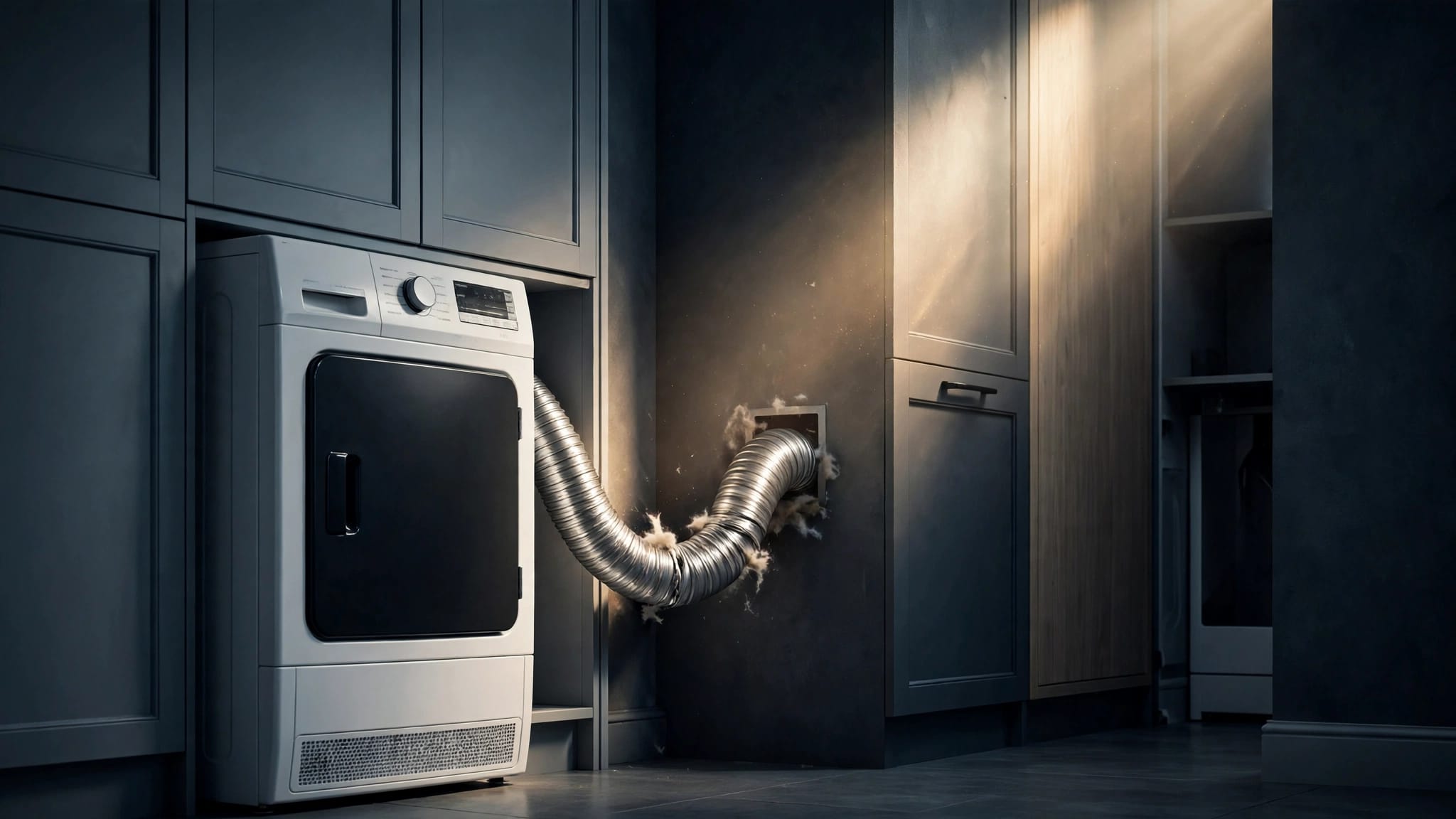
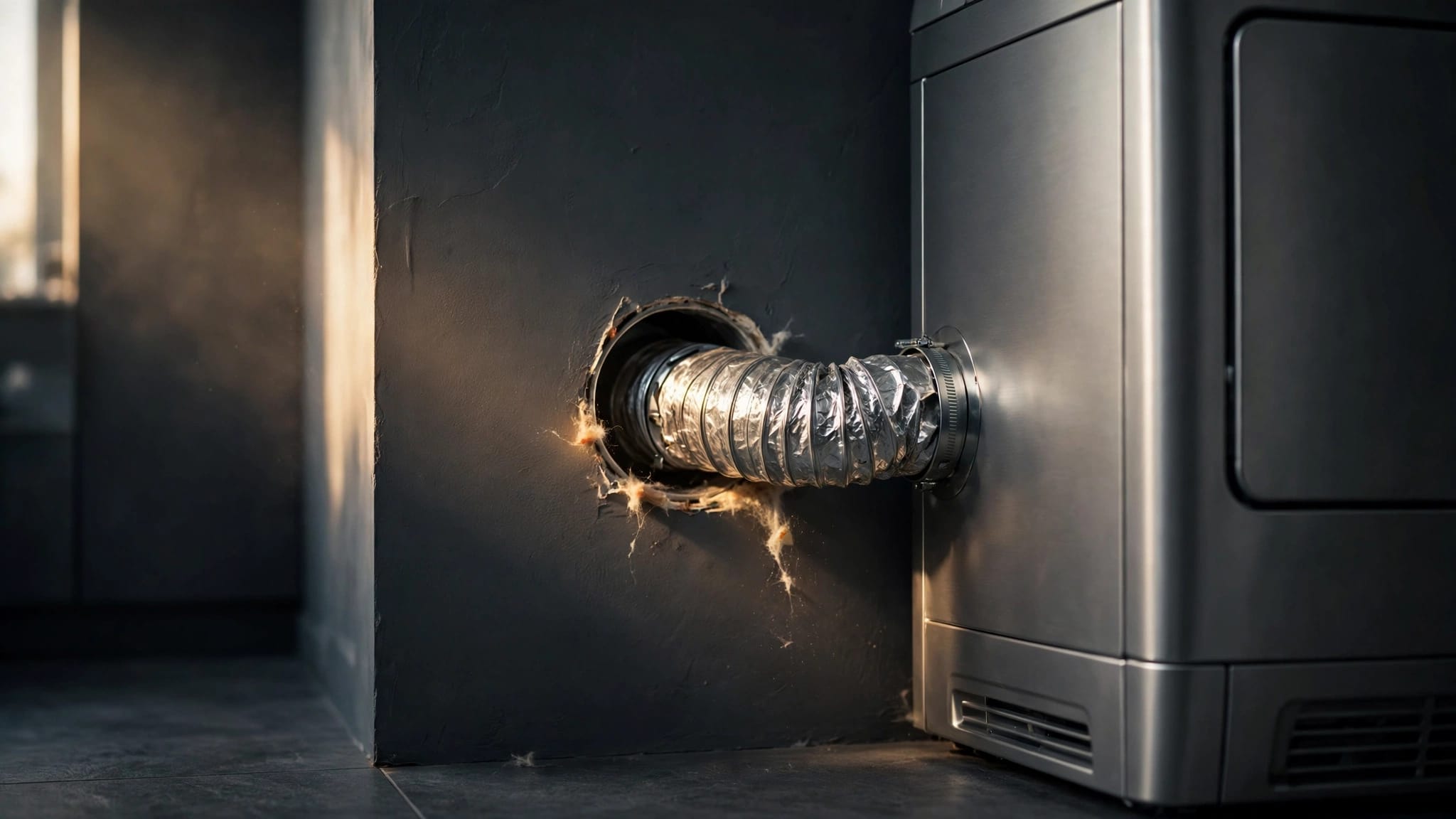
The dryer vent is separate from the HVAC duct system. If a dryer vent runs through the attic, insulation work may compress, disconnect, or cover it. Have that vent inspected as a separate safety and airflow issue, especially if clothes take longer to dry or the dryer feels unusually hot.
Questions to ask a duct cleaning company
A reliable company should inspect before recommending a full cleaning. Ask what the technician found and which parts of the system need service.
Useful questions include:
- Will you inspect the return side and air handler before cleaning?
- Does the estimate include both supply and return ductwork?
- How will you protect floors, furniture, and finished surfaces?
- Will you show me photographs of visible debris or damage?
- If you find a leak, can you explain whether sealing should come before cleaning?
- Will you replace or clean the grilles and registers?
- What filter should I use after the service?
The estimate should describe the work clearly. Be cautious when a company promises medical benefits, quotes a low price without inspecting the system, or recommends chemical treatments without identifying a specific reason.
If the attic project left your home dusty or exposed a duct problem, you can Get a Free Estimate for air duct or dryer vent cleaning.
Conclusion
Attic insulation replacement doesn't create an automatic need for duct cleaning. When the work disturbed debris, opened duct connections, or exposed existing contamination, duct cleaning after insulation replacement may be the right next step.
Inspect for leaks and damage before booking service. Cleaning removes settled material, while sealing prevents attic air from entering again. Completing insulation work first, then inspecting and cleaning the HVAC system when evidence supports it, gives you a cleaner result without paying for unnecessary work.