How to Read a Duct Service Estimate Before Booking
A low duct service estimate can look appealing until extra charges appear on the final invoice. The number at the bottom matters, but the scope above it tells you whether you're comparing the same service.
Before booking air duct or dryer vent cleaning, check what the company will clean, how technicians will access it, which add-ons are optional, and what could change the price. Start by reading the estimate line by line.
Why Looking Past the Bottom Line Matters
An estimate is only useful when it describes the work clearly. One company may quote a whole-home cleaning that includes supply vents, return vents, and the air handler. Another may price a smaller package that covers only accessible vents.
Those services aren't equal, even if both quotes use the words "air duct cleaning."
The total can vary based on several conditions:
- Duct condition: Heavy dust, construction debris, pest contamination, moisture, or microbial growth can require additional work.
- Home layout: Larger homes may have more vents, longer duct runs, multiple floors, or more than one HVAC system.
- Accessibility: Technicians may need extra time when ducts, air handlers, or dryer vent exits are difficult to reach.
- Local requirements: Electrical work, access panels, disposal, or certain treatments may involve local rules or qualified trades.
- Service type: Air duct cleaning, dryer vent cleaning, odor treatment, and HVAC equipment cleaning are separate services unless the estimate combines them.
For reference, a Florida air duct cleaning cost guide lists typical 2026 whole-home prices between $300 and $750 for many homes. Smaller homes with simple layouts may cost less, while larger homes, multiple systems, heavy buildup, or difficult access can push the price higher. Use published ranges as a comparison point, not as a promise for every property.

A clear estimate should help you understand what you are buying before anyone arrives at your home.
How to Read a Duct Service Estimate Before Booking
When you receive a duct service estimate, look for a written description of the property and the equipment. The document should identify the service address, the number of HVAC systems, and whether the price covers the whole home or only selected areas.
A quote that says "complete duct cleaning" without a vent count or system description leaves too much open to interpretation. Ask the provider to define "complete."
Confirm the scope of work
Check whether the estimate includes:
- Supply air ducts and supply registers
- Return air ducts and return grilles
- Main trunk lines
- The air handler or blower compartment
- Accessible evaporator coil areas, if offered
- Vacuum collection and debris removal
- Protective coverings for furniture and flooring
- Basic cleanup after the service
Duct cleaning methods vary by company and system design. Some technicians use a powerful vacuum system with agitation tools. Others may use different equipment based on the duct material, access points, and contamination level. The estimate doesn't need to list every tool, but it should state which parts of the system the crew plans to clean.
Don't assume that cleaning the vents means cleaning the entire duct system. Registers may be removed and washed while dust remains in return lines or trunk ducts. Ask whether the price includes both supply and return sides.
Separate included work from add-ons
Many estimates list a base cleaning price followed by optional services. Those may include sanitizing, antimicrobial treatments, odor removal, dryer vent cleaning, access panel installation, filter replacement, UV lights, or air purification equipment.
Optional work isn't automatically a problem. The concern is approving an add-on without understanding its purpose, price, or limitations. For example, a sanitizer may be offered after cleaning, but it doesn't repair a leaking duct or solve an ongoing moisture source.
A microbial treatment also isn't the same as mold remediation. If the estimate mentions mold, ask whether the company is cleaning surface contamination, applying a treatment, or referring you to a specialist for removal and moisture correction.
A treatment cannot replace repairs that allow moisture, pests, or contaminated air to enter the duct system.
Deconstructing Common Estimate Line Items
A duct service estimate often uses short labels that need more explanation. Ask the company to expand any item that doesn't tell you what will happen inside your home.
The table below shows common line items and the questions each one should answer.
| Estimate line item | What to confirm |
|---|---|
| Whole-home air duct cleaning | Number of systems, supply vents, return vents, and included equipment |
| Per-vent pricing | Whether return grilles, main lines, minimum charges, and setup fees are included |
| Dryer vent cleaning | Whether the service covers the full vent run and exterior termination |
| Air handler cleaning | Which components will be cleaned and whether access is included |
| Sanitizing or antimicrobial treatment | Product purpose, application area, price, and any limitations |
| Odor removal | Odor source being addressed and whether treatment is separate from cleaning |
| Access panels | Panel locations, installation cost, sealing method, and any repair warranty |
| Filter replacement | Filter size, filter type, and whether the filter is included in the price |
| Travel, service, or disposal fee | When the charge applies and whether it is already included |
| Tax and payment terms | Total price, deposit requirements, accepted payment methods, and balance due |
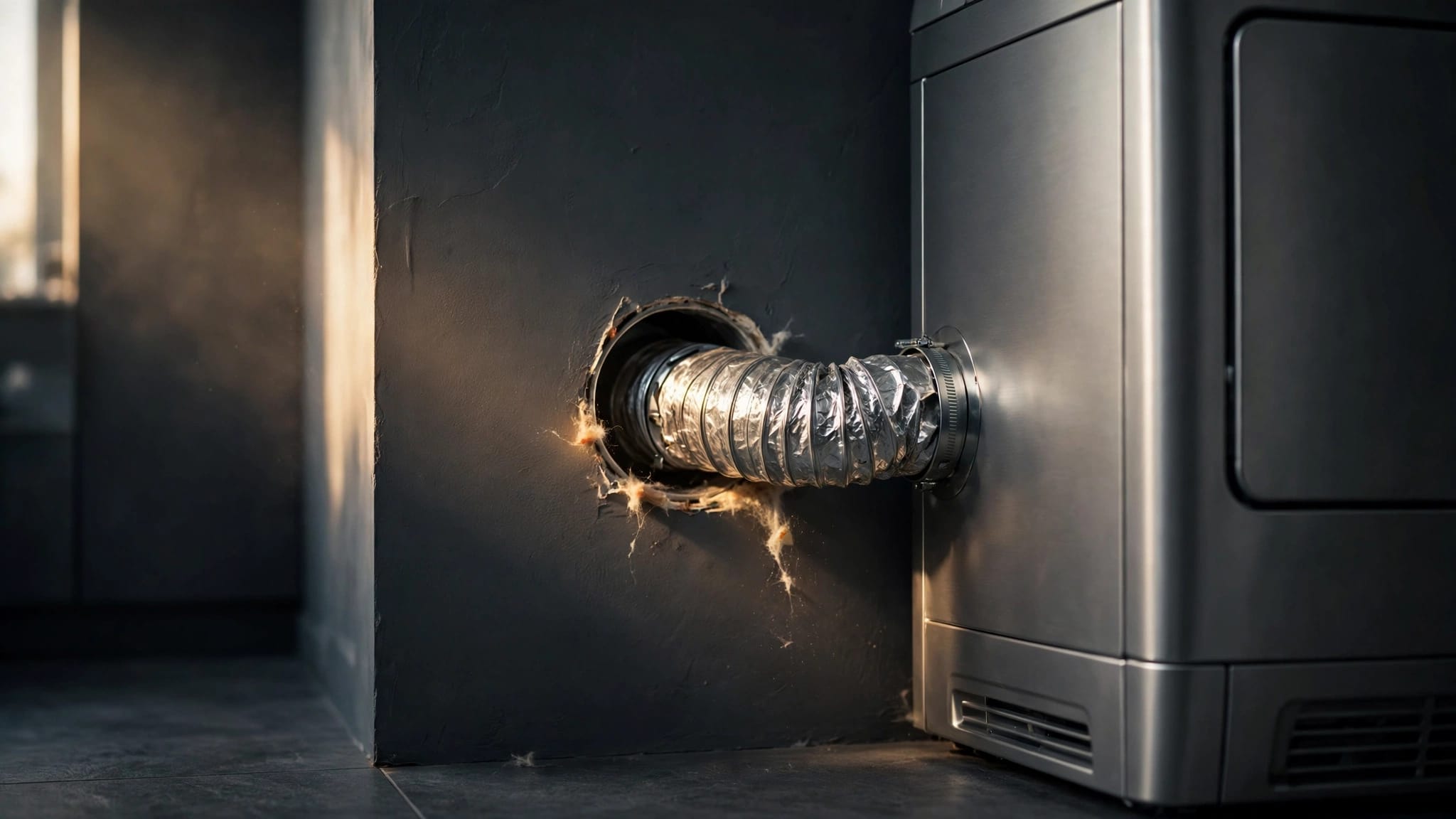
Dryer vent estimates deserve their own review. Ask whether the technician will clean the entire vent path, not only the short section behind the dryer. The route may run through a wall, attic, ceiling, or exterior wall before reaching the termination hood.
The estimate should also state whether the technician will inspect the exterior vent cover and report restricted airflow, crushed ducting, disconnected sections, or other visible concerns. Cleaning won't correct a damaged or poorly routed vent unless repairs are listed separately.
The main takeaway is simple: every charge should connect to a defined task, component, or material.
Compare Estimates by Scope, Not Price Alone
Suppose one company quotes $425 and another quotes $650. The lower price isn't automatically better, and the higher price isn't automatically more thorough.
Compare the estimates side by side. Record how many HVAC systems each quote covers, whether return ducts are included, and whether the price includes dryer vent service. Check for differences in access, treatment products, equipment cleaning, taxes, and possible extra fees.
A written estimate should also explain what happens if the technician finds an unexpected condition. Examples include sealed or inaccessible sections, damaged flex duct, heavy construction debris, pest contamination, or a disconnected dryer vent.
The company may need to revise the price in those situations. However, you should know when a change could happen and whether the technician must receive your approval first.
Look for language such as:
- "Additional work requires customer approval."
- "Price covers one HVAC system."
- "Access panels are not included."
- "Treatment is optional."
- "Repairs are quoted separately."
Vague wording deserves a direct question. Ask, "What could make this price change after arrival?" Then request the answer in writing.
You can also review questions to ask duct cleaning companies before comparing providers. The same questions help you evaluate a phone quote, email estimate, or in-home proposal.
Check the Company Details Before You Approve
The estimate should identify the business name, phone number, service area, and a reliable way to contact the company. Ask whether the crew is insured and whether the people performing the work are employees or subcontractors.
A professional estimate should not pressure you to approve immediately. Take time to compare the scope and ask for clarification. If a company refuses to describe the work, gives a low price without counting systems or vents, or adds urgent claims that weren't in the original conversation, pause before booking.
Ask whether the provider will document the completed work. Depending on the service, useful records may include before-and-after photos, a list of cleaned components, equipment observations, or a written note about dryer vent airflow.
Payment terms matter too. Confirm whether you owe a deposit, when the balance is due, and whether cancellation fees apply. If the estimate says "starting at," ask for the conditions that would place your job above that starting price.
For a local price comparison, you can Get a Free Estimate for air duct or dryer vent cleaning and ask for the scope, included areas, and add-on prices before scheduling.
A Pre-Booking Checklist for Your Estimate
Before approving the job, confirm these details in writing:
- The service address and appointment date are correct.
- The estimate identifies each HVAC system included.
- Supply vents, return vents, and main duct lines are clearly covered.
- Air handler, blower, coil, or other equipment cleaning is defined.
- Dryer vent cleaning states how much of the route is included.
- Optional treatments show separate prices.
- Access panels, repairs, filters, and disposal fees are explained.
- Taxes, travel fees, deposits, and the final payment are listed.
- The company explains when extra work could change the price.
- You must approve added work before technicians perform it.
- The business provides contact information and insurance details.
- You know what cleanup or service documentation you'll receive.
Keep the approved estimate and any written answers. If the technician recommends a change at the appointment, compare it with the original scope before signing a revised work order.
Read the Estimate as a Work Plan
A duct service estimate should tell you more than what you might pay. It should show which system parts technicians will reach, clean, inspect, treat, or leave untouched.
Pricing will vary because homes and duct systems vary. A Florida home with one accessible HVAC system has different labor needs than a larger property with multiple systems, long runs, tight attic access, or a dryer vent that exits through the roof.
The safest choice is the estimate that gives you a clear scope and predictable approval process. When the details are in writing, you can compare services fairly and avoid surprises after the work begins.