Dryer Vent Bathroom Fan: Can They Share a Wall?
Two exhaust ducts can sometimes occupy the same wall cavity, but they should never become one exhaust system. If you're planning a dryer vent bathroom fan setup, the safe answer depends on duct separation, materials, routing, and local building requirements.
A dryer sends hot air, moisture, and lint outdoors. A bathroom fan sends humid air outdoors. Combining those paths can cause backdrafting, condensation, lint buildup, and poor airflow. Sharing the open space between studs is different from sharing a pipe, and that distinction controls the answer.
Before closing the wall, understand how the ducts should be installed and which warning signs indicate a problem.
Can a dryer vent bathroom fan share one wall cavity?
Yes, two independent ducts may be able to run through the same wall cavity. The cavity must have enough room for both ducts to keep their shape, avoid sharp bends, and remain properly supported.
A common setup might place a metal dryer exhaust duct and a smaller bathroom fan duct between the same studs. That arrangement can work when the ducts follow the dryer manufacturer's instructions, the fan manufacturer's requirements, and applicable local code.
The wall cavity itself cannot become the ventilation path. Neither duct should discharge into the open stud space, and neither duct should connect to the other. Each system needs its own continuous route to the exterior.
Space is often the first practical concern. A dryer duct that gets flattened by framing or squeezed beside another duct can develop higher resistance. The dryer may then take longer to dry clothes, run hotter, and collect more lint inside the line. A bathroom fan duct with tight bends can also move less air and leave excess humidity in the room.

A shared cavity is acceptable only when both ducts remain independent, accessible where required, and protected from damage during construction or future repairs.
Why the two exhaust systems must stay separate
A dryer vent and bathroom fan handle different types of exhaust. The dryer produces heated air that carries lint and moisture. The bathroom fan removes humid room air, which can condense when it travels through a cold section of duct.
If the ducts connect, bathroom moisture can enter the dryer exhaust line and settle on lint already inside it. Lint can restrict airflow, while trapped moisture can make the buildup heavier. The dryer then has to push air through a dirtier, more resistant path.
A shared duct can also push dryer exhaust toward the bathroom when the fan is off. That may bring heat, odors, and lint into the room. When both appliances operate, one fan or appliance can affect the pressure inside the other duct.
Each exhaust system needs its own exterior termination. The outlets should remain separate, use suitable dampers or termination caps, and follow local rules for placement. A dryer outlet should not have a screen that catches lint, while the bathroom fan outlet should be appropriate for the fan and outdoor exposure.
A shared wall cavity can be acceptable. A shared exhaust duct is a different matter and should not be used as a shortcut.
For a closer look at airflow problems, lint buildup, and service steps, review what happens during a dryer vent cleaning.
What a compliant shared wall cavity needs
A dryer vent bathroom fan layout needs more than two separate tubes placed between the studs. The installation should account for heat, moisture, movement, fire protection, and future maintenance.
- Independent duct paths keep the systems safe. Each duct should run from its appliance or fan to its own exterior outlet. Do not use a Y-connector, improvised branch, or shared cap.
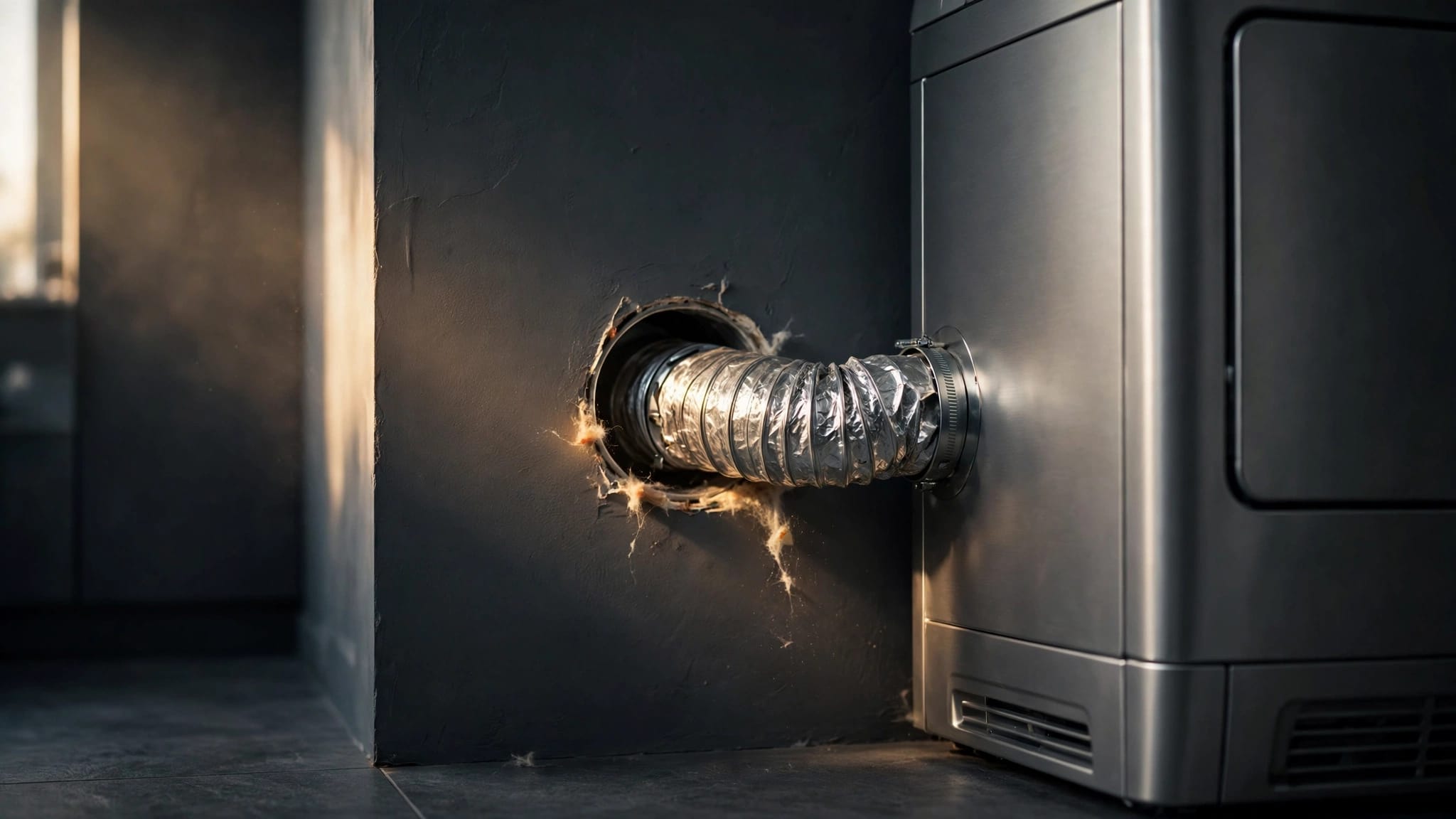
- The dryer duct should use approved materials. Rigid or properly supported metal ducting is commonly required for concealed dryer exhaust. The short transition connection behind the dryer should not be buried inside the wall. Follow the dryer manufacturer's instructions for the allowed transition material and length.
- The ducts need room to stay round and intact. Avoid crushing, kinking, or forcing a duct around electrical wiring and plumbing. Joints should stay secure and sealed with suitable materials. Fasteners that protrude into a dryer duct can catch lint.
- Wall penetrations need proper protection. Cutting through studs, plates, or fireblocking can affect the wall assembly. Penetrations should be handled according to local code, with approved sealing or firestopping where required.
- The route should allow future service. A hidden dryer duct still needs a practical cleaning path. The bathroom fan may also need access for cleaning, motor replacement, or inspection. A layout that cannot be serviced can turn a small airflow problem into an expensive wall repair.
In Florida, local requirements can vary by jurisdiction and project type. The Florida Building Code, local amendments, and product installation instructions all matter. A permit office or qualified contractor can confirm the requirements before drywall covers the work.
When sharing the cavity becomes a bad idea
Some wall cavities are too narrow for both ducts. Others contain wiring, plumbing, insulation, or structural components that leave no safe route. Forcing the dryer duct into that space can reduce airflow and damage the duct.
A shared cavity may also be a poor choice when:
- The dryer route already has a long run or several elbows.
- The duct must bend sharply to reach the exterior wall.
- The bathroom duct would pass through a cold exterior wall without suitable moisture control.
- Neither duct can be inspected or cleaned after installation.
- The proposed route would require removing fireblocking or drilling through structural framing.
- The exterior outlets would end up too close together or in a location that fails local requirements.
A different route may work better. For example, the bathroom fan might travel through the ceiling and attic, while the dryer uses a short path through an exterior wall. That option still needs correct support, insulation where required, and proper outdoor termination.
A wall cavity should never be closed around a duct that is visibly crushed, disconnected, unsupported, or too close to another component.
How to check an existing dryer vent and bathroom fan
You can inspect the visible portions of both systems without opening the wall. Start with the exterior outlets, then look at accessible attic, crawlspace, or laundry-room connections.
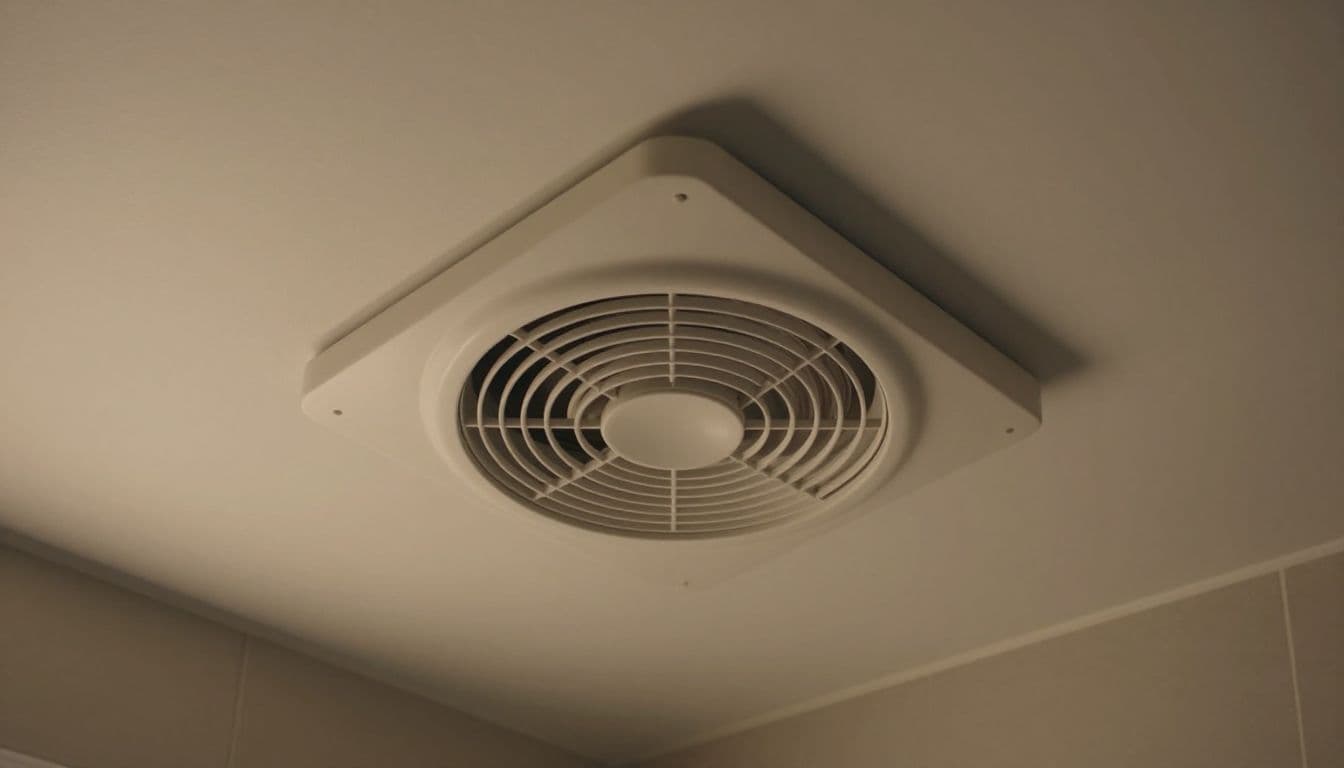
- Turn on the bathroom fan and check its exterior outlet. You should feel air moving, and the damper should open while the fan runs. A weak flow can indicate a blocked duct, damaged fan, or excessive duct length.
- Run the dryer only if it shows no signs of overheating or burning odors. Check the dryer outlet during the cycle. Strong airflow should move the exterior damper, while little or no airflow needs attention.
- Confirm that the two systems have separate exterior outlets. Separate caps do not prove the ducts stay separate inside the wall, but one shared cap is an immediate reason to investigate.
- Inspect accessible sections for crushed flex duct, loose joints, water marks, lint outside the dryer connection, or heavy dust around the bathroom fan duct. Condensation marks deserve attention, especially in an attic or exterior wall.
- Stop using the dryer if clothes need repeated cycles, the cabinet feels unusually hot, or you smell burning lint. These are warning signs that the vent may be restricted. See these signs of a clogged dryer vent before continuing to run the appliance.
A wall cavity cannot be fully verified from the room side alone. A qualified technician can trace the visible routes, inspect accessible connections, measure airflow, and determine whether the layout needs repair.
When to schedule professional dryer vent cleaning
Cleaning removes lint and debris, but it cannot correct a shared duct, poor termination, crushed pipe, or an incorrectly routed fan line. If the dryer takes two cycles, the laundry room becomes unusually hot, or airflow at the exterior cap is weak, schedule an inspection before the problem worsens.
Most Florida homes use annual dryer vent cleaning as a starting point. Homes with heavy laundry use, pets, long duct runs, or repeated warning signs may need service more often. This dryer vent cleaning schedule for Florida homes can help you choose a reasonable maintenance interval.
For a home in Fort Myers, Cape Coral, Naples, or another Gulf Coast community, a local technician can inspect the dryer connection and accessible exhaust route. If you need help checking the system, you can Get a Free Estimate for dryer vent cleaning and related airflow service.
Conclusion
A dryer vent and bathroom fan may share a wall cavity when both ducts remain separate, properly supported, correctly sized, and routed according to code. They should not share a duct, connector, or exterior termination.
The safest installation keeps the dryer exhaust path short and serviceable, gives the bathroom fan its own route outdoors, and protects every wall penetration. If your dryer runs hot or your bathroom stays humid, inspect the visible outlets and arrange a professional evaluation before closing the wall or continuing to use a restricted dryer.