How Leaky Return Ducts Pull Attic Dust Into Your Home

Adkins Duct Cleaning • May 20, 2026

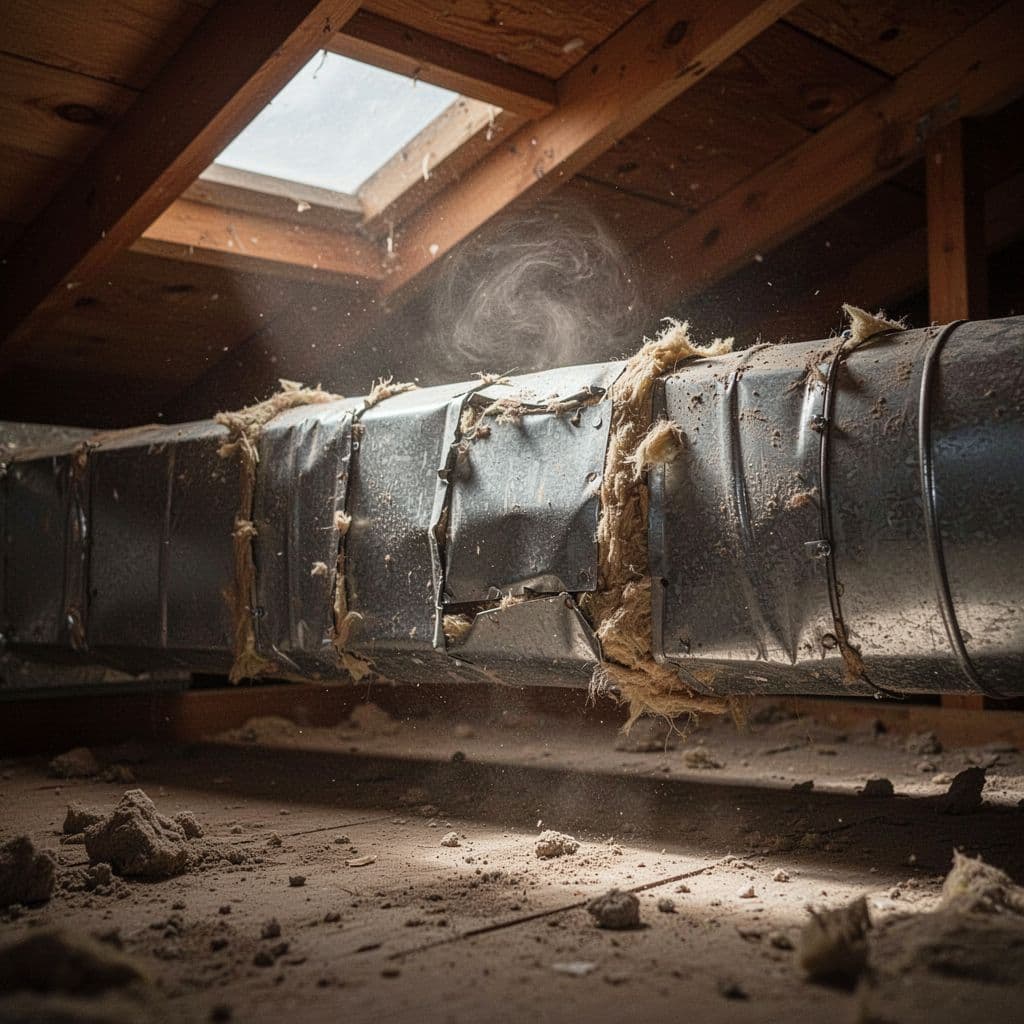
Dust that keeps coming back fast usually has a source. When leaky return ducts pull air from the attic, they can carry insulation fibers, dirt, and other debris straight into your living space.

That hidden airflow problem does more than make shelves dusty. It can hurt indoor air quality, clog filters sooner, and force your HVAC system to work harder. The strange part is that the duct leak may be out of sight, but the effects show up all over the house.

Why return-side leaks pull attic air indoors

Return ducts move air back to the air handler so it can be cooled or heated again. On the return side, the system creates suction. If there's a hole, gap, or loose joint, the duct pulls in air from the easiest nearby space.

In many homes, that space is the attic. So instead of bringing in only indoor air, the system may pull in attic dust, fiberglass particles, insulation scraps, and even pest debris.

That is why return leaks are such a problem. Supply leaks waste conditioned air, but return leaks can bring contaminants into the system.

Return leaks act like a vacuum on the attic side. The blower pulls in the nearest air, and that air is often dirty.

Once those particles enter the return stream, they travel through the air handler and back into rooms. Over time, that cycle leaves a fine layer of dust on furniture, vents, and floors.

The dust clues homeowners notice first

Most homeowners do not see the leak itself. They notice the signs it leaves behind. A home can look clean one day and dusty again a few days later, especially after the air conditioner runs a lot.

Look for these warning signs:

  • Dust builds up quickly after cleaning.
  • Return grilles and nearby walls look gray or dirty.
  • The air filter clogs faster than expected.
  • A musty or stale smell comes on when the system starts.
  • Some rooms feel stuffy, even when the HVAC is running.
  • Family members notice more sneezing, coughing, or itchy eyes.

These signs do not always point to one single cause. Still, several of them together often mean the return side deserves a closer look.

Another clue is uneven dust. If one hallway or bedroom keeps collecting more dirt than the rest of the home, the return path may be drawing in attic air near that area. Small leaks can have a big effect because the blower runs often.

The system can also seem louder or less smooth. When return air flow gets disrupted, the equipment has to pull harder to move air. That does not mean the blower is failing. It may mean the duct path is leaking.

Why Florida attics make the problem worse

Florida attics are hard on ductwork. They get hot, humid, and dusty for long stretches of the year. That mix wears out tape, loosens joints, and dries out older seals faster than many homeowners expect.

Heat can make flexible duct runs sag or separate at connections. Humidity can also make dust stick to surfaces inside the attic, so any leak has more debris nearby to pull in. When the return side has gaps, the attic offers plenty of material for the system to grab.

This is also why return leaks and moisture problems often show up together. If your home has both dust and damp spots near vents, the same weak duct joints may be part of the issue. A related example is why ceiling vents drip water in Florida homes , since poor sealing and attic conditions often overlap.

In other words, a hot attic is not just an uncomfortable place to work. It is a rough environment for duct seals, insulation wrap, and flex connections. The longer the leak stays open, the more attic air the system can pull inside.

What a duct inspection should check

A proper inspection should not stop at the return grille. The problem often starts deeper in the attic or behind a wall. The whole return path needs to be checked.

A solid inspection usually includes these steps:

  1. Visual checks at the grille and filter . A tech looks for dust patterns, loose fits, and signs of bypass air.
  2. Inspection of seams and joints . Loose tape, cracked mastic, and open seams are common leak points.
  3. Review of flex duct condition . Sagging, crushed, torn, or disconnected flex ducts can pull attic air in fast.
  4. Check of the air handler connection . The return plenum and nearby transitions often leak when they age.
  5. Airflow testing or smoke testing . These tests help show where the system is pulling air from.
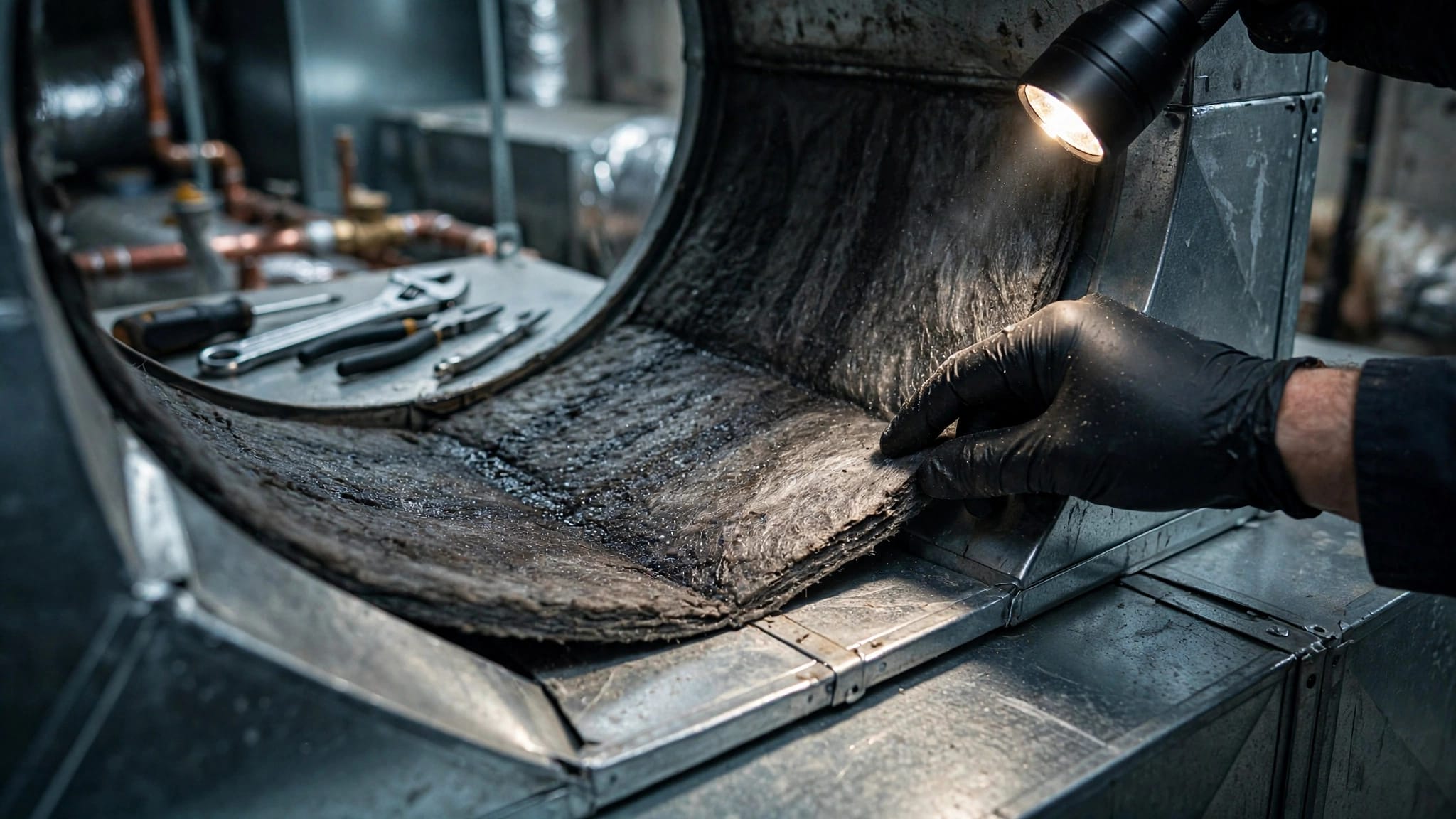
  6. Signs of attic contamination . Dust tracks, insulation fibers, or debris around duct joints point to active leaks.

A good inspector looks for the cause, not just the dirt. Cleaning dust without finding the leak can leave the problem in place.

That matters because return leaks often hide in plain sight. A joint may look fine from the floor, but it can open up once you get into the attic. The goal is to find every weak spot before more dust enters the system.

Why sealing the leak matters more than cleaning alone

Duct cleaning can help remove dust that has already built up inside the system. However, cleaning does not stop attic air from entering through a gap. If the leak stays open, the dust comes back.

That is why sealing the leak source is usually the real fix. Professional duct sealing or repair can close gaps with mastic, repair damaged connections, replace torn flex runs, and secure loose sections the right way. In some cases, insulation around the duct also needs attention.

DIY tape patches often fail in attics. Heat, vibration, and humidity break down weak repairs quickly. A return leak may seem small, but even a small opening can pull in a steady stream of dirty air when the blower runs.

Professional work also helps protect efficiency. When the return system pulls from the attic, the HVAC unit can struggle to move the right amount of air. That can lead to longer run times, more wear, and higher energy use.

If you keep seeing dust after repeated cleanings, the problem may be in the duct system, not on your furniture. A full inspection and repair plan can break that cycle.

If you want a closer look at your duct system, Get a Free Estimate for an inspection and service recommendation.

How to lower the chance of future leaks

Once the ducts are repaired, a few habits can help keep the problem from returning. These steps are simple, but they matter.

  • Change filters on schedule, and use the right size.
  • Keep attic access sealed and insulated where possible.
  • Check vents and return grilles for new dust patterns.
  • Schedule HVAC service before small issues turn into bigger ones.
  • Make sure flexible ducts stay supported, not stretched or crushed.

Regular care will not replace proper sealing, but it does help the system stay clean and balanced. That is especially important in homes where the attic runs hot most of the year.

A return duct that stays sealed will pull indoor air back through the system the way it should. That means less attic dust, better airflow, and a cleaner home overall.

Conclusion

When return ducts leak, the HVAC system can pull attic dust into your home every time it runs. That can leave you with more dust on surfaces, more strain on the equipment, and worse indoor air quality.

The fix starts with finding the leak, not just wiping up the mess. A careful inspection and professional sealing or repair can stop the attic air at the source.

If the dust keeps coming back, the problem may be hiding above your ceiling, not on your shelves.

By Adkins Duct Cleaning May 19, 2026
In Florida, your AC works hard for months at a time, so airflow matters more than most homeowners realize. When one room feels sticky and another feels icy, the problem may be hiding in the vents. The difference between a supply vent vs return vent is simple, but it affects co...
By Adkins Duct Cleaning May 18, 2026
Salt air doesn't need a direct hit from the ocean to cause trouble. In Gulf Coast homes, tiny salt particles ride in on humid air, settle on metal, and keep surfaces damp longer than they should stay wet. Over time, that mix can wear down duct joints, stain registers, and make...
By Adkins Duct Cleaning May 17, 2026
A bedroom door that bangs shut when the AC starts is a clue, not a mystery. The door is reacting to air pressure changes in the room, and that usually points to airflow trouble. In many homes, the problem shows up most when a bedroom door stays closed. The AC pushes air in, bu...