
Why Ceiling Vents Drip Water in Florida Homes

Adkins Duct Cleaning • May 4, 2026

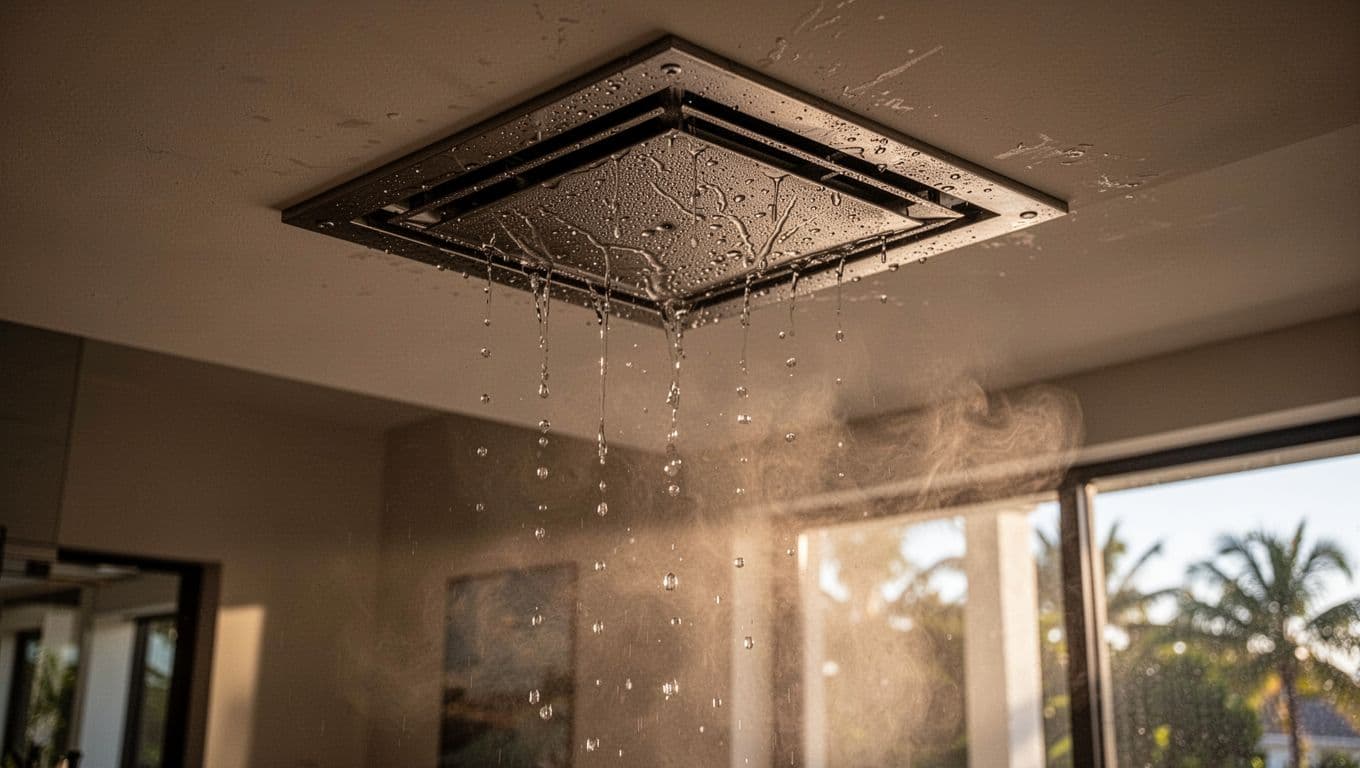
A ceiling vent dripping water is often the first sign that something is off with your cooling system. In Florida, that problem shows up faster because your AC works hard against heavy humidity and long hot seasons.

Sometimes the cause is simple condensation on a cold vent cover. Other times, it points to a clogged drain line, a frozen coil, leaky ductwork, or a leak that has nothing to do with HVAC. The pattern around the vent tells you which one is more likely.

Why Florida Homes Deal With Dripping Ceiling Vents

Florida homes spend a lot of time cooling warm, wet air. That matters because humid air leaves more moisture behind when it touches cold surfaces.

Your ceiling vent is one of those surfaces. Cold air moves through the duct, the metal around the opening cools down, and warm air in the room can condense on it. If the attic is hot and the insulation is thin, the temperature gap gets even worse.

That is why this issue is so common in homes across the Gulf Coast. The AC runs often, the attic gets hotter than the living room, and any weak point in the system can start sweating.

A little moisture on a vent cover may not mean trouble. A steady drip usually means the system is struggling to move water away the way it should.

The Most Common Reasons a Ceiling Vent Starts Dripping

Condensation on a cold vent

This is the mildest cause. When cold air hits a vent opening in a humid room, water can form on the metal surface. It often happens after the AC has run for a while, especially on muggy afternoons.

A small amount of surface moisture can be normal. Dripping is a sign that the vent, duct opening, or nearby insulation is getting too cold for the room conditions.

A clogged condensate drain line

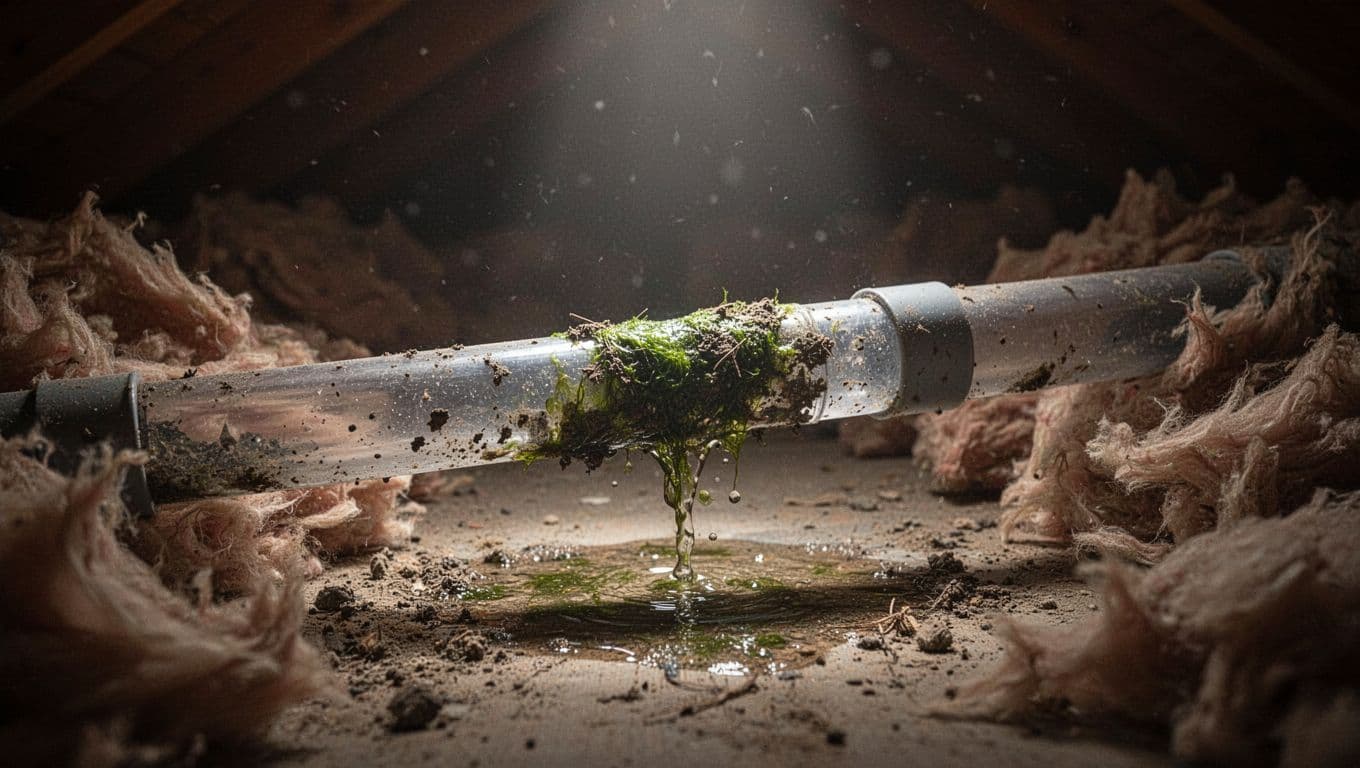
Your AC pulls moisture out of the air. That water is supposed to leave through a condensate drain line , which is a pipe that carries it away from the indoor unit.

If dust, algae, or debris blocks that line, water backs up. Then it can overflow into the attic, soak insulation, or show up around a ceiling vent. This is one of the most common causes of indoor water near vents in Florida homes.

A frozen evaporator coil

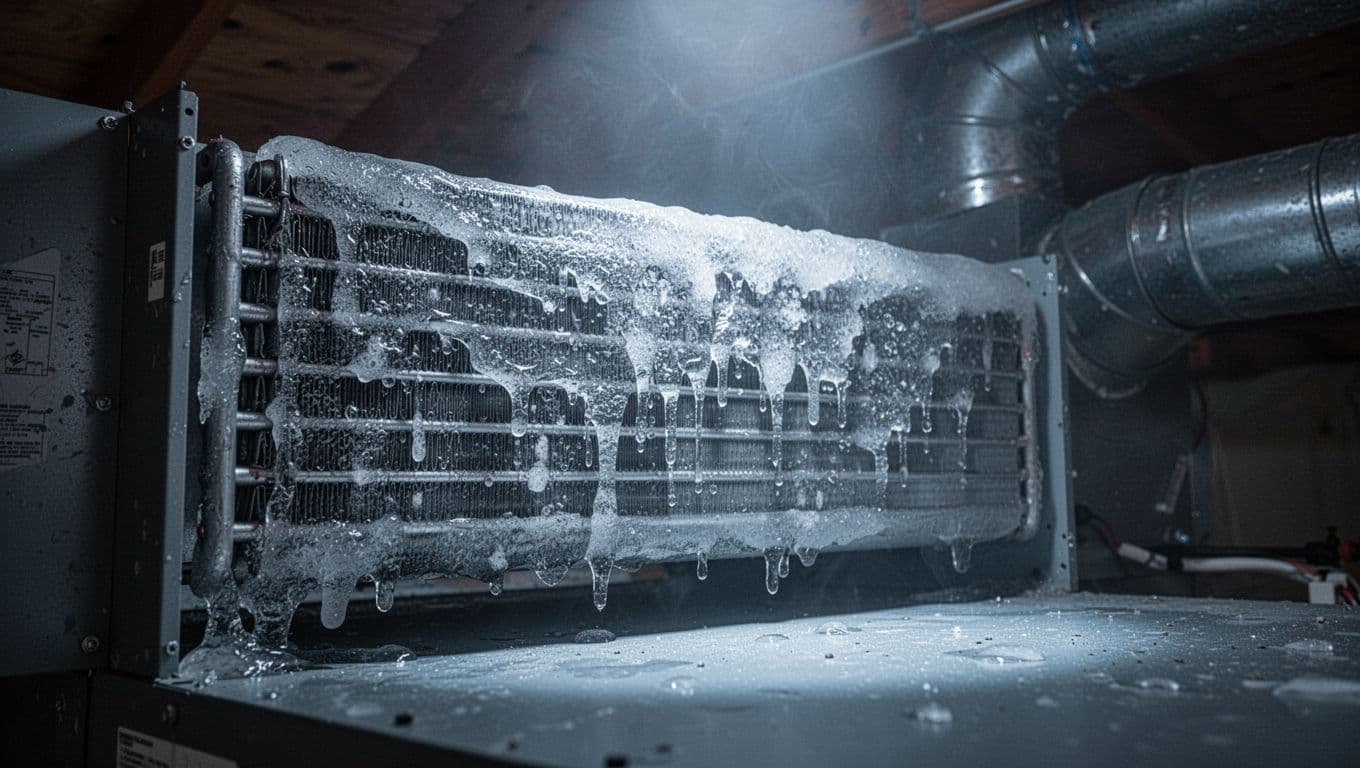
The evaporator coil is the part inside the indoor unit that gets cold and cools the air. If airflow is poor, the filter is filthy, or refrigerant is low, the coil can freeze.

When that ice melts, it can release more water than the drain system can handle. The result is often a ceiling stain, a drip, or water around the air handler.

Duct leaks and insulation gaps

If the ducts run through a hot attic, weak insulation or loose joints can cause trouble. Cool air escaping from a leak can meet humid attic air, then moisture forms on the outside of the duct.

The vent may look like the source, but the real problem sits above the ceiling. In homes with older ductwork, that is common.

A leak that has nothing to do with HVAC

Sometimes the AC gets blamed when the real issue is a roof leak or a plumbing line above the ceiling. If the drip shows up after rain, near a bathroom, or close to a laundry room, look beyond the vent.

That is also why it helps to compare the symptoms before you start any repair. If you need a deeper look at where the problem starts, Air Handler vs Duct Cleaning in Florida Homes explains how the source changes the fix.

How to Tell Condensation From a Bigger Problem

A vent that sweats during a long cooling cycle is one thing. A ceiling that stains, softens, or keeps dripping is another.

A few clues make the difference clearer:

  • Looks more like condensation when the vent feels damp on hot, humid days, the drip is light, and it stops when the AC rests.
  • Points to a drainage problem when you hear water moving inside the ceiling or the drip happens even after a short cooling cycle.
  • Points to a frozen coil when rooms feel warmer than usual, airflow drops, or you see ice on the lines near the indoor unit.
  • Points to a non-HVAC leak when the stain grows after rain or appears near plumbing fixtures.

Brown rings, soft drywall, or a musty smell mean the problem has moved past simple condensation.

One vent dripping water can point to a small insulation issue. Multiple vents or repeated stains usually mean the system needs a closer look.

What You Can Check Safely Before Calling for Help

You can rule out a few common issues without opening sealed parts of the system.

  1. Turn the cooling off if you see ice or steady dripping. More running time can add more water.
  2. Check the air filter. A dirty filter cuts airflow and can trigger coil freezing.
  3. Look at the vent area. If furniture, curtains, or closed doors block airflow, the vent can get colder than it should.
  4. Watch for ceiling stains or soft spots. That means water has been building for a while.
  5. Do not open electrical panels or poke into the air handler. That work belongs to a trained tech.

If the drip stops after a filter change but comes back soon, the issue is probably deeper than the filter.

How to Prevent Repeat Moisture Problems

Florida homes need dry airflow and steady maintenance. That starts with clean filters, good insulation, and a drain line that can move water out of the system.

If your home also has dust, mildew, or a musty smell, Healthy Home Air via Duct Cleaning is worth a look, because dirty ducts and moisture often show up together.

A few habits make a real difference:

  • Change the air filter on schedule.
  • Keep supply and return vents open and clear.
  • Seal and insulate ducts in hot attics.
  • Have the condensate line checked during routine service.
  • Keep indoor humidity under control, especially in kitchens, baths, and laundry rooms.
  • Fix roof or plumbing leaks fast before they spread.

Duct cleaning can help when dust and debris are part of the problem, but it won't fix a leak by itself. The goal is to keep moisture out of the system in the first place.

When It Is Time to Bring in an HVAC Pro

Call for help when the drip keeps coming back, the ceiling is stained, or the air feels damp even after basic checks. The same goes for ice on the coil, weak airflow, or a musty smell near the vents.

A pro can inspect the coil, drain line, duct insulation, and the air handler in one visit. That matters because the right fix depends on where the water starts. If you want help sorting out the cause and the next step, Get a Free Estimate.

Conclusion

Florida humidity makes vent moisture more likely, but a dripping ceiling vent is never something to ignore. The clue is in the pattern. Light condensation on a humid day points one way, while stains, ice, or repeated drips point another.

Start with the safe checks, then move quickly if the problem keeps returning. The right repair is the one that matches the source, not just the symptom.

FAQ

Is a little moisture on a ceiling vent normal in Florida?

A thin film of condensation can happen on very humid days. Drips, stains, or wet drywall are not normal.

Can dirty ducts cause water to drip from a vent?

Dirty ducts do not create water on their own. However, dust and poor airflow can make moisture problems worse.

Should I keep running the AC if the vent is dripping?

If the drip is steady, or if you see ice, turn the cooling off and get it checked. Running it longer can cause more damage.

By Adkins Duct Cleaning May 3, 2026
Florida homes put HVAC systems to work almost nonstop. That steady runtime keeps rooms cool, but it also leaves coils, drain pans, and air handlers damp for long stretches. When homeowners compare UV light vs. air purifier , the real question is simple: where is the problem, o...
By Adkins Duct Cleaning May 2, 2026
Buying a house in Florida comes with sunshine, salt air, and a few hidden questions about the HVAC system. One of the biggest is whether the ducts need cleaning right away. The short answer is no, not always. If the home is dry, the system has been maintained, and the vents lo...
By Adkins Duct Cleaning May 1, 2026
Florida homeowners hear a lot about air handler vs duct cleaning , but the right choice depends on where the dirt sits. If the problem is inside the air handler, cleaning the ducts alone can miss the source. If the ductwork is the dirty part, cleaning the air handler may not s...