
How Salt Air Affects Ductwork in Gulf Coast Homes

Adkins Duct Cleaning • May 18, 2026

Salt air doesn't need a direct hit from the ocean to cause trouble. In Gulf Coast homes, tiny salt particles ride in on humid air, settle on metal, and keep surfaces damp longer than they should stay wet.

Over time, that mix can wear down duct joints, stain registers, and make your HVAC system work harder. The result can be higher energy bills, uneven comfort, and a bigger risk of mold where moisture collects. Here's how salt air ductwork problems start, and what you can do before small damage turns into a costly repair.

Why Gulf Coast Homes Face a Different Kind of Wear

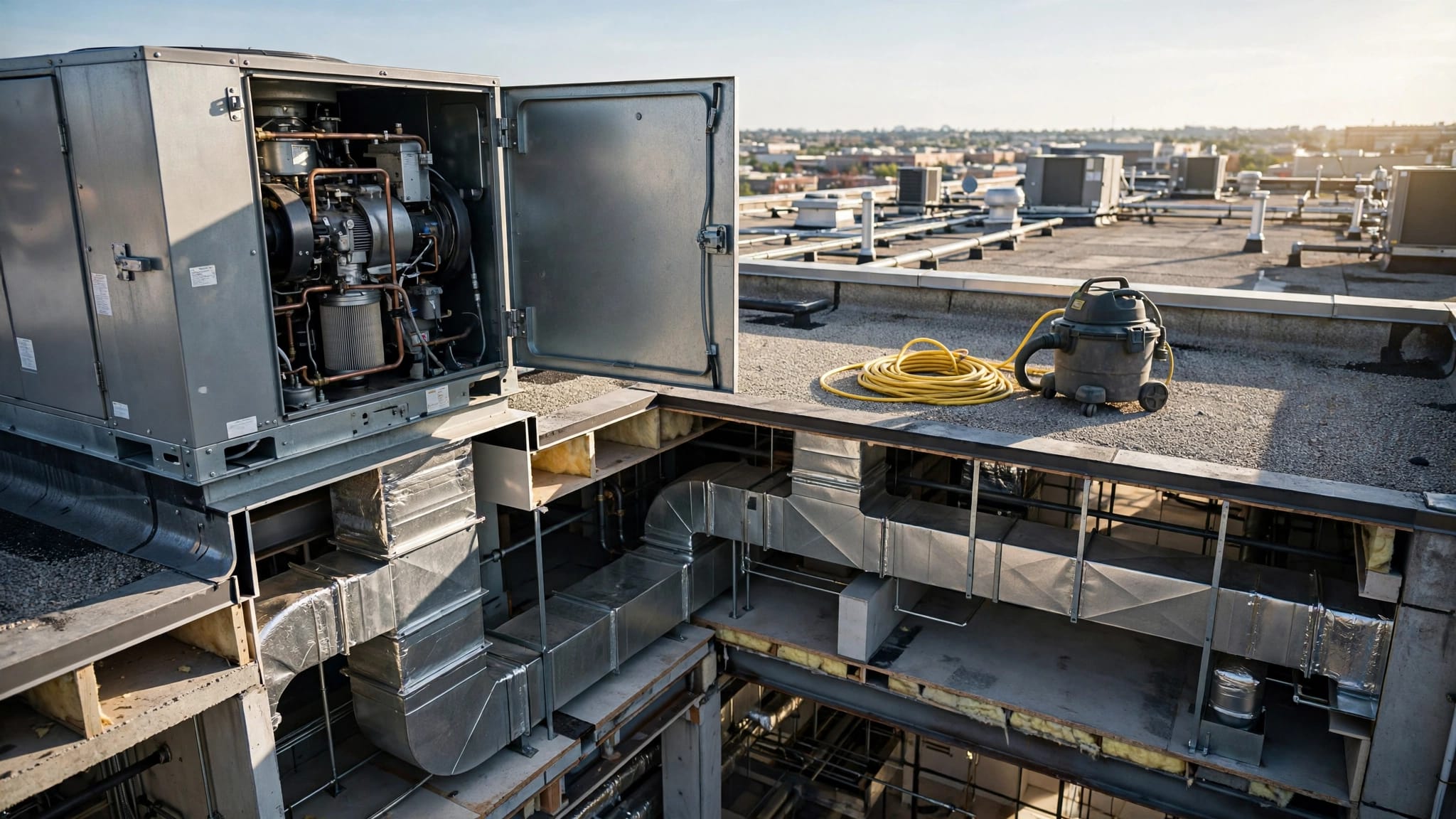
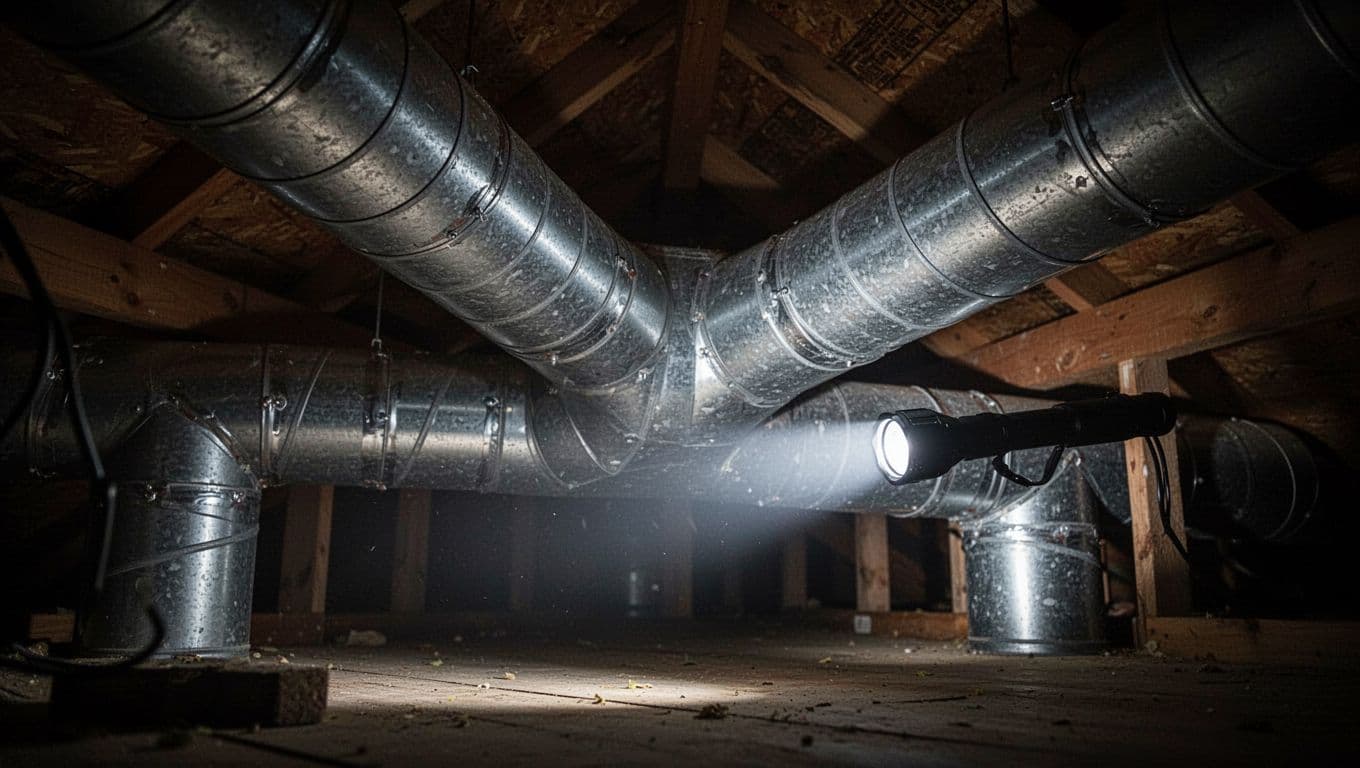
Coastal air carries more than moisture. It also carries salt, and salt clings to metal better than most people expect. That matters in homes where ductwork sits in attics, crawlspaces, garages, and other warm, damp places.

Even homes a few miles inland can feel the effect. Salt moves with wind, rain, and fine spray, then settles on exposed metal parts, screws, and seams. Once it lands, humidity keeps feeding the problem.

That's why two homes with the same HVAC system can age very differently. A house near the water may show rust sooner, leak more air, and need more attention around the ducts. The home itself may look fine, but the system inside can be losing ground.

How Salt Air Damages Ductwork

Salt speeds up corrosion. It breaks down the thin protective layer on galvanized metal, then lets moisture do the rest. The process starts slowly, with a dull finish or light spotting. Later, it can lead to pitting, flaking, and small holes.

The weakest points are usually seams, fasteners, and spots where metal meets insulation. Those areas collect moisture first. If a duct joint loosens, conditioned air leaks out and humid air leaks in. That creates a cycle that keeps the metal wet.

Salt air doesn't have to leave a visible crust to cause damage. If metal stays damp, corrosion can move faster than you think.

The damage is not limited to the duct shell. Hangers, straps, screws, and access panels can rust too. When that happens, ducts may sag or separate at the joints. Airflow drops, rooms feel off balance, and the system has to run longer to reach the thermostat setting.

Why Humidity Makes the Damage Worse

Salt alone is a problem. Salt plus humidity is worse. Gulf Coast air often carries enough moisture to create condensation on cooler duct surfaces, especially when the attic is hot and the ducts are poorly insulated.

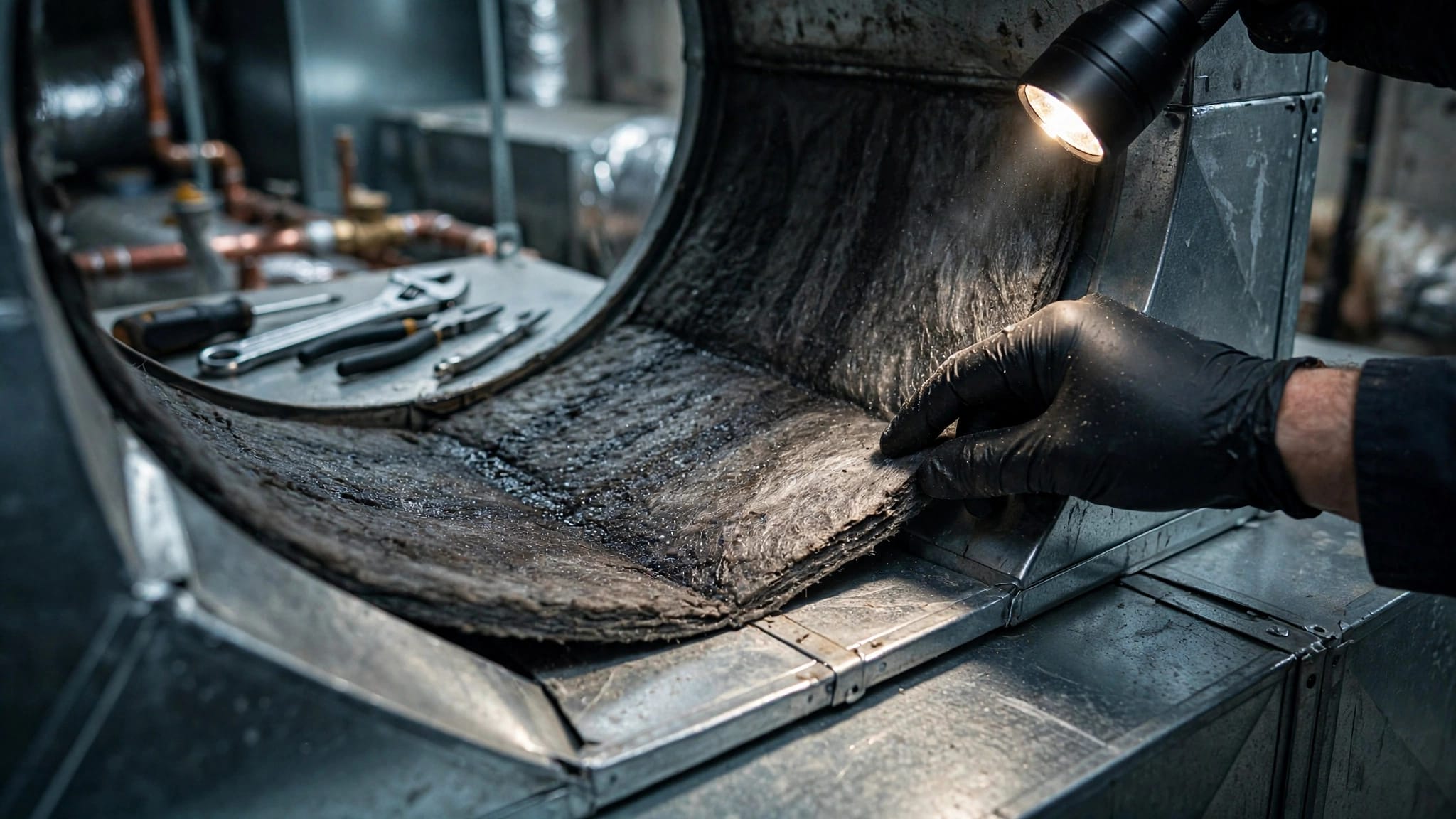
That moisture gives salt more time to sit on the metal. It also soaks into damaged insulation and wet duct wrap. Once insulation gets wet, it loses performance. The air inside the ducts warms or cools too fast, and your system loses efficiency.

The table below shows how the same coastal air can affect different parts of the system.

Ductwork part What salt air does What you may notice
Metal ducts Encourages rust and pitting Rust spots, flaking, small leaks
Seams and joints Weakens seals over time Hissing air, uneven airflow
Insulation and duct wrap Holds moisture and degrades Musty smell, damp areas, poor comfort
Hangers and fasteners Causes corrosion and looseness Sagging ducts, rattling, separation

When insulation gets damaged, mold risk rises too. That is especially true in attics and crawlspaces where air movement is limited. Moisture trapped around ductwork can spread into nearby wood, drywall, and framing. In other words, the duct problem can become a home moisture problem.

Signs Your Ductwork Is Taking a Hit

Some of the first clues are easy to miss. You may notice rust near registers, dusty vents that get dirty again fast, or rooms that never seem to match the thermostat. A musty smell after rain is another common sign.

Watch for these warning signs:

  • Rust around vents, seams, or access panels
  • Uneven temperatures from room to room
  • Rising energy bills without a clear reason
  • Dust that returns soon after cleaning
  • Air leaks, rattling, or loose duct sections
  • A damp or musty smell in the attic or crawlspace

If you recently bought a coastal property, it helps to know what was already happening inside the system. This guide on should you clean air ducts after buying a home is a useful place to start if you're trying to decide between an inspection and a cleaning.

The main point is simple. Rust on the outside often means more is happening inside. When the visible signs show up, the hidden parts may already be leaking air or holding moisture.

Prevention That Protects Your HVAC System

The best defense is regular attention. Coastal ductwork should be checked on a set schedule, especially after storm season, roof work, or any leak in the attic or crawlspace. Small problems are far cheaper to fix when they're caught early.

Keep the space around the ducts as dry as possible. That means sealing roof leaks fast, controlling attic humidity, and checking crawlspace moisture. If insulation is damaged, repair it before it stays wet long enough to feed mold growth.

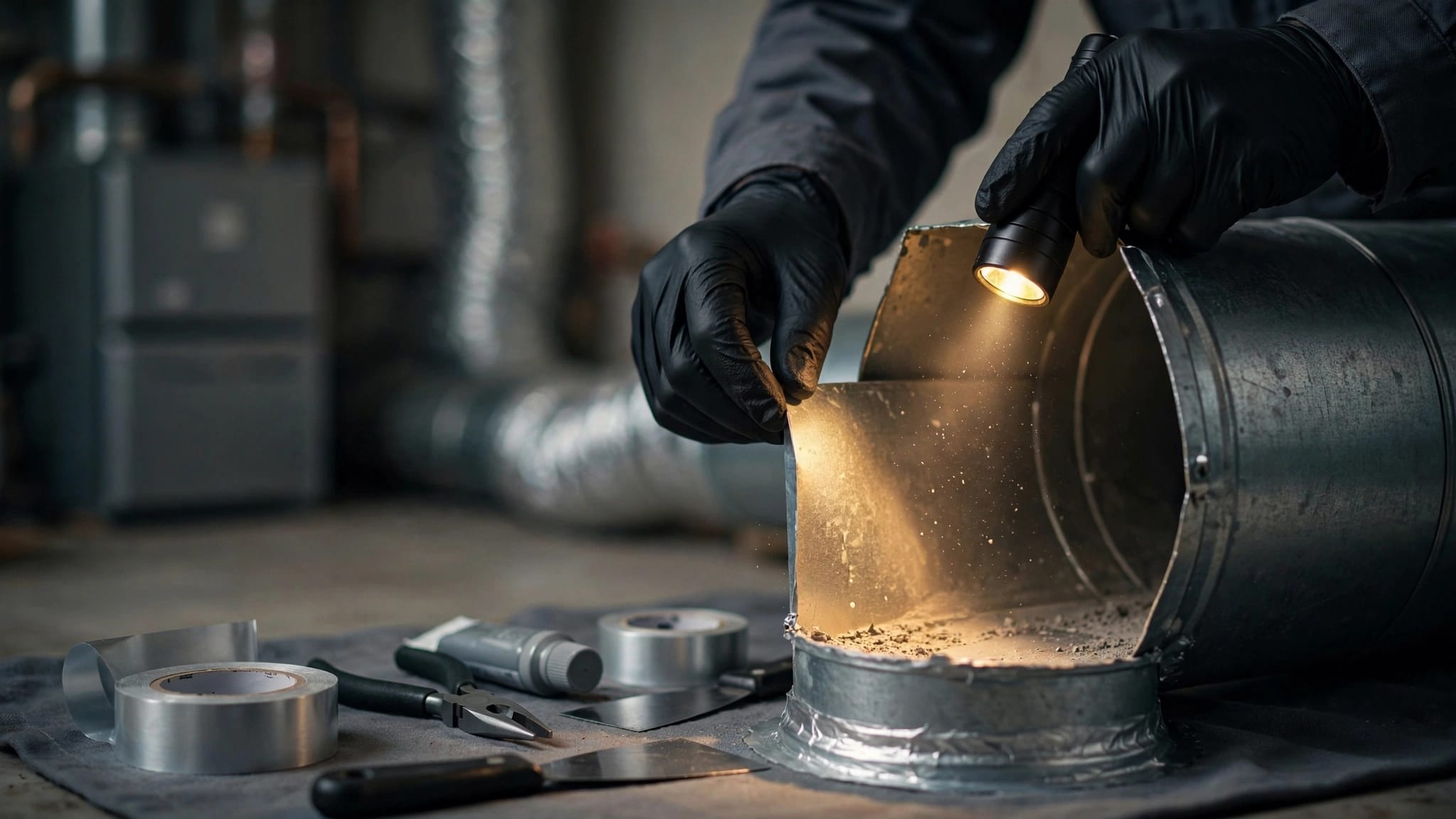
Seal duct leaks with proper mastic or approved foil tape, not cloth tape that dries out and fails. Protect exposed metal where you can, and replace corroded straps, screws, and damaged sections before they weaken the system. Once rust has eaten through the metal, patching is usually a short-term fix at best.

Professional help matters here too. A technician who offers professional air duct cleaning services can remove salt-coated debris, but they can also spot damage that cleaning alone will not solve. That makes the visit useful even when the ducts are not visibly dirty.

If you want to reduce future wear, focus on three things: dry air, tight seals, and sound insulation. Those steps lower the chance that salt and humidity will keep attacking the system after every damp Gulf Coast day.

When Cleaning Is Enough and When Repairs Matter

Cleaning helps when the main issue is buildup. Salt film, dust, and loose debris can restrict airflow and make the system work harder. A thorough cleaning can also reduce odors and help you see hidden trouble spots more clearly.

Repairs matter when the metal itself is failing. If you see pitting, soft spots, open seams, or insulation that stays damp, cleaning won't fix the root cause. The same is true if ducts sag or leak after a heavy rain. Those are signs that a section may need sealing, reinforcement, or replacement.

That is also why attic and crawlspace conditions matter so much. A dry, sealed space slows corrosion. A wet, leaky one keeps feeding it. If one section is badly damaged, replacing it now can protect the rest of the system and improve efficiency right away.

If the rust, odor, or airflow issues keep coming back, it's time for a closer look and a clear estimate. Get a Free Estimate before the damage spreads to more of the system.

Conclusion

Salt air is part of life on the Gulf Coast, but it does not have to wear down your ductwork faster than necessary. Rust, leaks, wet insulation, and poor airflow usually start with small exposure, then grow when moisture stays in the system.

The smartest approach is simple, regular, and practical. Inspect the ducts, seal leaks, control humidity, and replace badly corroded sections before they drag down comfort and efficiency.

By Adkins Duct Cleaning May 20, 2026
Dust that keeps coming back fast usually has a source. When leaky return ducts pull air from the attic, they can carry insulation fibers, dirt, and other debris straight into your living space. That hidden airflow problem does more than make shelves dusty. It can hurt indoor a...
By Adkins Duct Cleaning May 19, 2026
In Florida, your AC works hard for months at a time, so airflow matters more than most homeowners realize. When one room feels sticky and another feels icy, the problem may be hiding in the vents. The difference between a supply vent vs return vent is simple, but it affects co...
By Adkins Duct Cleaning May 17, 2026
A bedroom door that bangs shut when the AC starts is a clue, not a mystery. The door is reacting to air pressure changes in the room, and that usually points to airflow trouble. In many homes, the problem shows up most when a bedroom door stays closed. The AC pushes air in, bu...