Supply Vent vs Return Vent in Florida Homes

Adkins Duct Cleaning • May 19, 2026

In Florida, your AC works hard for months at a time, so airflow matters more than most homeowners realize. When one room feels sticky and another feels icy, the problem may be hiding in the vents.

The difference between a supply vent vs return vent is simple, but it affects comfort, humidity, and system wear all day long. Once you know what each one does, you can spot airflow problems faster and fix small issues before they turn into bigger ones.

What each vent does in a Florida HVAC system

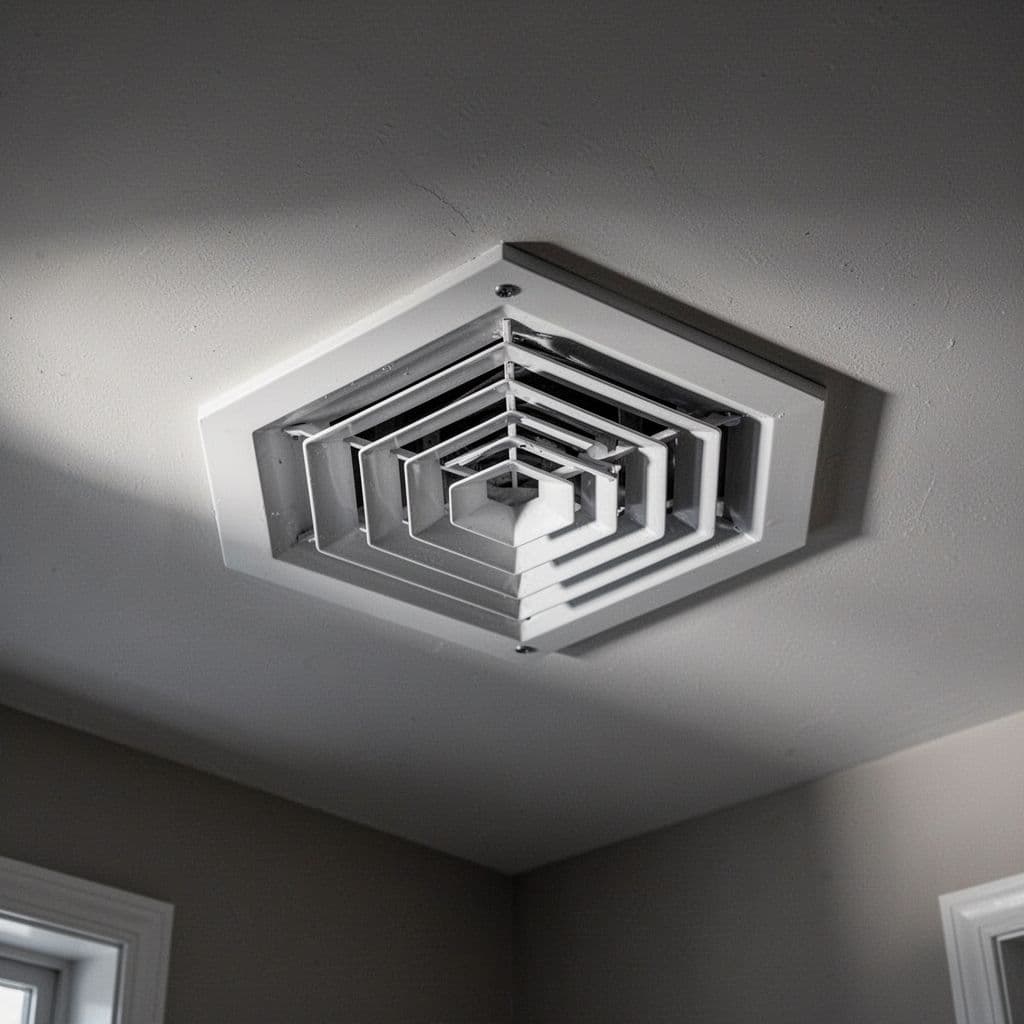
People often call both of them "vents," but they do opposite jobs. A supply vent sends cooled air into the room. A return vent pulls indoor air back to the AC system so it can be cooled again.

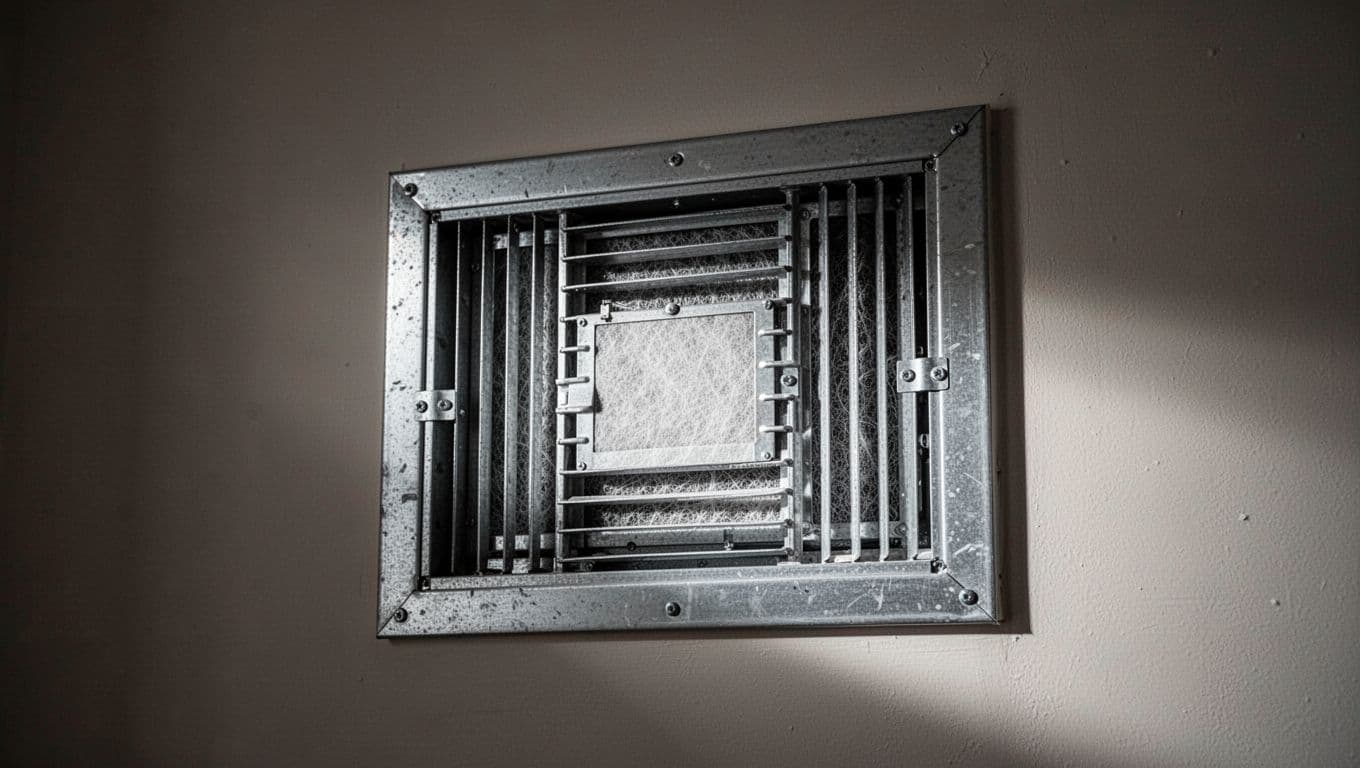
Supply vents are usually smaller and may sit in ceilings, walls, or floors. Return vents are often larger, because they need to move more air back to the system. Some returns hold the filter, while others sit near a filter slot or air handler.

Here's a quick way to compare them:

Feature Supply vent Return vent
Main job Pushes cooled air into the room Pulls air back to the HVAC system
Common size Smaller Larger
Air feeling You feel a breeze blowing out You feel air being pulled in
Usual location Bedrooms, living rooms, hallways Central walls, ceilings, or near the indoor unit
Common problem Blocked by furniture or closed registers Blocked by furniture, dust, or a dirty filter

A good rule is simple. Supply air should come out freely, and return air should have an easy path back. When either side gets restricted, the whole house feels it.

A room cools best when air can move in both directions without strain.

Why Florida humidity makes airflow matter so much

Florida homes deal with heat and moisture at the same time. That makes airflow more important than in a dry climate. Your AC has to do two jobs, cool the air and remove water from it.

When a return vent is blocked or dirty, the system pulls less indoor air back through the filter and coil. That can leave the house feeling damp, even when the thermostat says the temperature is fine. Rooms may also cool unevenly, with one area feeling comfortable and another staying muggy.

A weak supply side causes its own problems. You may notice low airflow from a vent, warm spots near windows, or a room that never catches up. Because the system runs longer, it can also use more energy and put more wear on the blower, coil, and other parts.

In a humid home, poor airflow can feel like a moisture problem before it feels like a temperature problem.

That is why small vent issues matter here. In Florida, comfort depends on steady circulation, not just cold air.

How supply and return vents work together

Your AC works in a loop. Indoor air moves through the return vent, passes through the filter and air handler, gets cooled, and then comes back through the supply vents. If that loop stays open, the house cools more evenly and the system can control humidity better.

Think of the return vent as the intake and the supply vent as the delivery point. Both need room to breathe. If the return is too small, blocked, or dusty, the AC struggles to pull enough air. If the supply side is restricted, the cooled air never reaches the rooms that need it.

Florida homes often show the difference fast. A clogged return can leave a house feeling stuffy after a few hours, while a blocked supply can make one bedroom feel like a refrigerator and another feel warm. That split is a clue that airflow needs attention.

Some houses also have multiple returns, which is normal. Larger homes need more return capacity, because one small return can't always keep up with the amount of air a system moves.

Easy ways to spot each one

You do not need tools to tell them apart. A few quick checks usually make it clear.

  • Hold your hand near the grille. Supply vents push air out, while return vents pull air in.
  • Look at the size. Returns are often bigger and placed in central spots.
  • Check for a filter. Some return vents have a filter behind the cover.
  • Listen for airflow. Supply vents often make a soft whoosh.
  • Watch for dust patterns. Returns often collect more dust around the grille.

Another simple clue is location. Supply vents are often spread through bedrooms and living spaces. Returns are often placed where air can travel back easily, such as hallways, common areas, or near the indoor unit.

If you are still unsure, use a small tissue. Hold it near the grille. If it gets pushed away, that is usually supply air. If it gets drawn toward the grille, that is return air.

Maintenance mistakes that hurt airflow

The easiest mistake is closing supply vents in rooms you do not use. That sounds helpful, but it can throw off airflow and make the system work harder. In many homes, it also creates pressure problems that show up as weak cooling elsewhere.

Blocking return vents is another common issue. Furniture, curtains, baskets, and holiday storage can all get in the way. A return vent needs a clear path, because it is responsible for pulling air back to the system.

Dirty filters also cause trouble. A clogged filter slows the return side, which means less air reaches the coil and less cooled air gets back into the house. In Florida, where the AC runs often, that filter can load up faster than you expect.

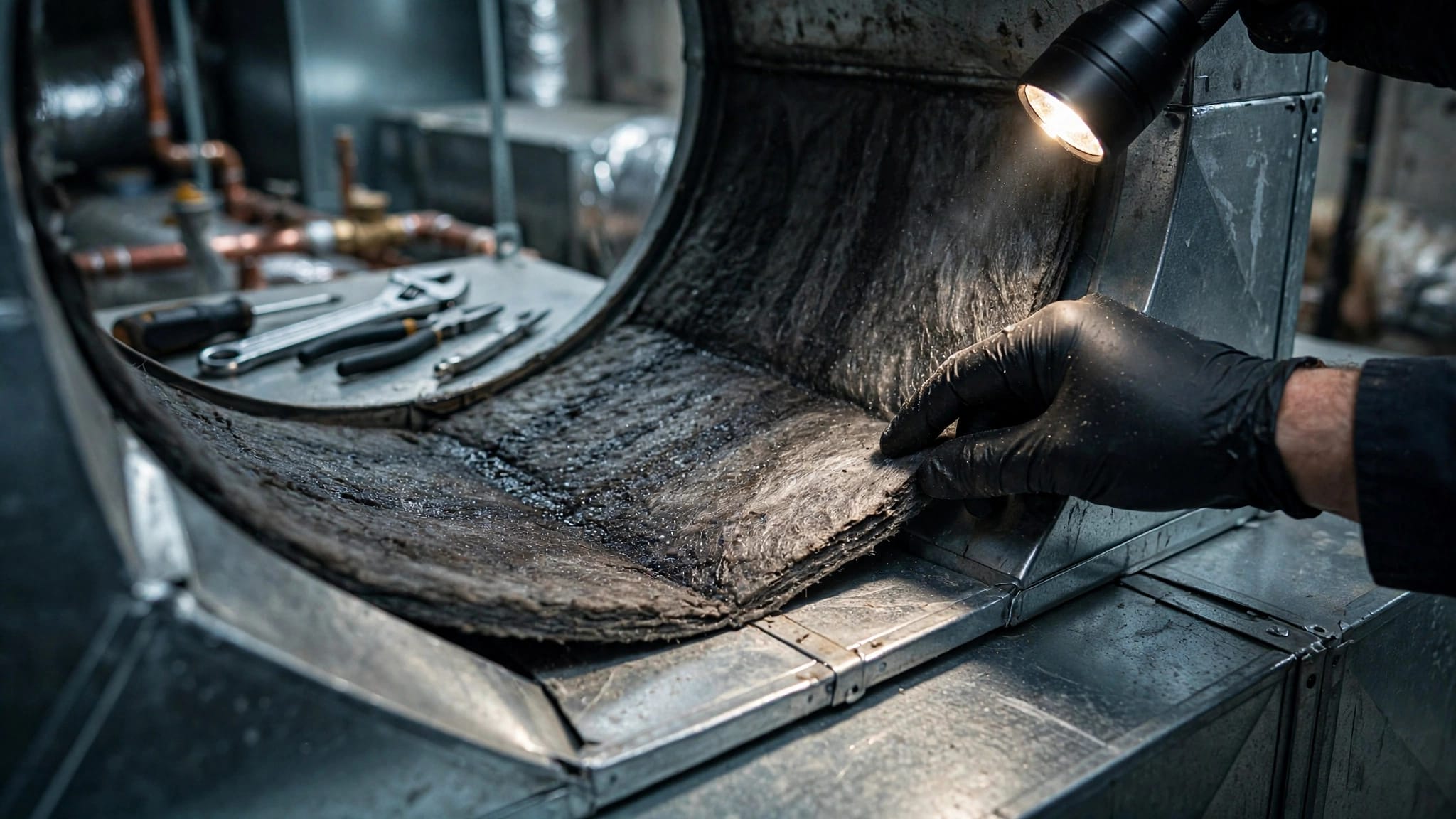
Dust around the return grille can point to a deeper problem. Sometimes the issue sits in the ductwork, but sometimes it starts in the air handler. The difference between air handler and duct cleaning matters here, because the right fix depends on where the buildup is.

Good habits are simple. Keep returns open, replace filters on schedule, vacuum vent covers, and move furniture a few inches away from grilles. Those small steps help the system breathe.

When to bring in a pro

Some vent problems are easy to see. Others point to dirt deeper in the system. If you notice persistent dust, a musty smell at startup, weak airflow in several rooms, or uneven cooling that keeps coming back, it may be time to have the system checked.

A cleaning can also make sense after a move, a remodel, water damage, or a stretch of heavy use. New homeowners in particular often want a closer look at hidden buildup, and air duct cleaning advice for Florida homebuyers can help frame that decision.

If you are seeing dust near returns, airflow issues, or vents that need more than a quick wipe-down, it may be time to schedule service. Get a Free Estimate and take the guesswork out of it.

Conclusion

In a Florida home, supply vents and return vents work as a pair. One delivers cooled air, the other brings it back, and both need a clear path to do their job well.

When that airflow stays balanced, your home feels cooler, the air feels less sticky, and your AC does not have to fight as hard. When it gets blocked, the problems show up fast, especially in humid weather.

The next time a room feels off, look at the vents first. In many homes, that simple check tells you more than the thermostat does.

By Adkins Duct Cleaning May 20, 2026
Dust that keeps coming back fast usually has a source. When leaky return ducts pull air from the attic, they can carry insulation fibers, dirt, and other debris straight into your living space. That hidden airflow problem does more than make shelves dusty. It can hurt indoor a...
By Adkins Duct Cleaning May 18, 2026
Salt air doesn't need a direct hit from the ocean to cause trouble. In Gulf Coast homes, tiny salt particles ride in on humid air, settle on metal, and keep surfaces damp longer than they should stay wet. Over time, that mix can wear down duct joints, stain registers, and make...
By Adkins Duct Cleaning May 17, 2026
A bedroom door that bangs shut when the AC starts is a clue, not a mystery. The door is reacting to air pressure changes in the room, and that usually points to airflow trouble. In many homes, the problem shows up most when a bedroom door stays closed. The AC pushes air in, bu...