Why Your Laundry Room Gets Hot When the Dryer Runs
A little warmth around the dryer is normal. A laundry room that turns stuffy, humid, or uncomfortable is a different story.
That extra heat usually means the dryer is moving hot air poorly. In a Florida home, that problem can show up fast because warm air and moisture have nowhere to go.
If your laundry room gets hot every time you run a load, the cause is often simple. The trick is knowing when it points to a vent issue, a setup problem, or a real safety concern.
What heat is normal, and what is not
A dryer creates heat on purpose. It also pushes out moisture from wet clothes, towels, and bedding. Some of that warmth can spread into the laundry room, especially in a small space.
That said, a normal room should not feel trapped or overheated. You should not notice a sharp rise in humidity, a hot wall behind the machine, or a dryer that stays hot long after the cycle ends.
A good rule is simple. If the room feels warm for a while, that can be expected. If it feels like a closed-up sauna, the dryer is probably not venting well.
The same goes for drying time. When clothes need extra cycles, the machine is working harder. As a result, more heat stays inside the room.
How blocked dryer vents trap heat
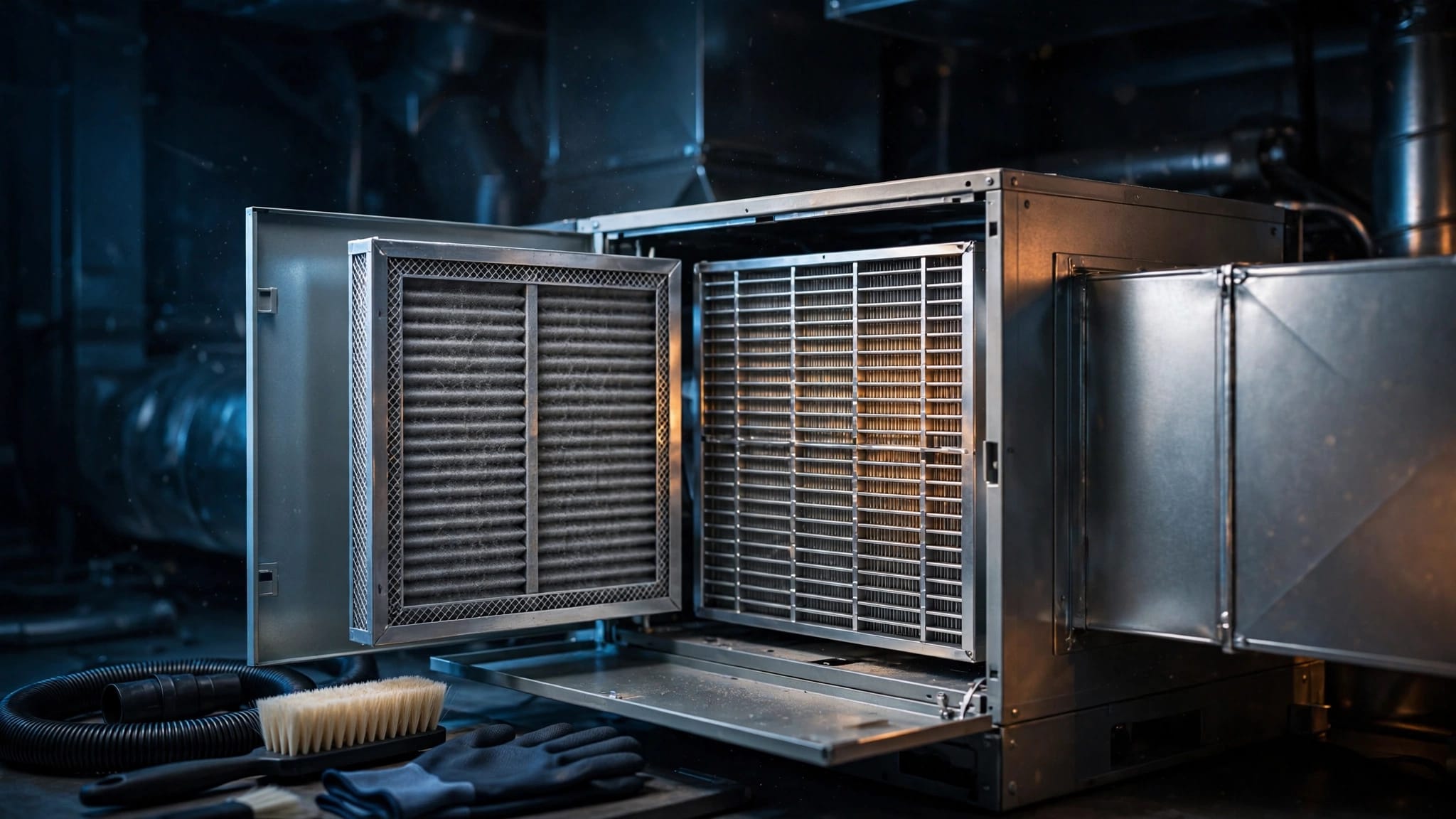
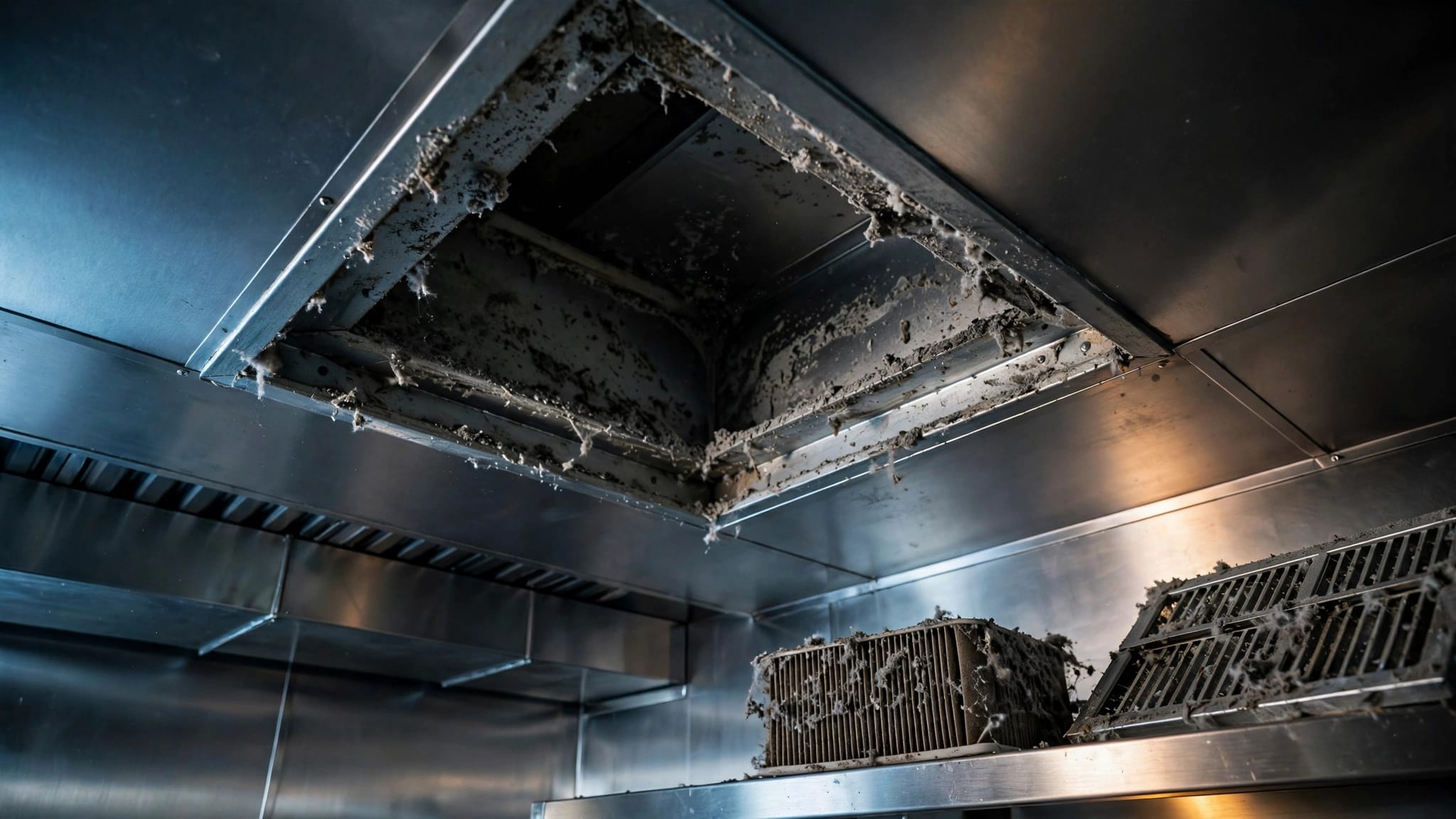
Most hot laundry rooms start with poor airflow. Lint builds up inside the lint trap, vent hose, ductwork, and outside vent cover. When that happens, hot air and moisture cannot leave the dryer fast enough.
A detailed look at dryer vent cleaning and why it matters shows how fast lint can choke off airflow. Even a thin layer of buildup can make the system run hotter than it should.
Crushed or bent vent hoses cause the same problem. So do long vent runs, dirty exterior hoods, and vents blocked by bird nests or debris. In other words, the dryer is trying to breathe through a straw.
A hot dryer room is often a warning, not a quirk. If air cannot leave the system, heat stays behind.
Clean the lint screen after every load, but do not stop there. The screen catches only part of the lint. The rest can collect deeper in the vent line.
Quick checks you can do today
You can rule out a few common problems without tools.
- Clean the lint screen before every load. A clogged screen slows airflow right away.
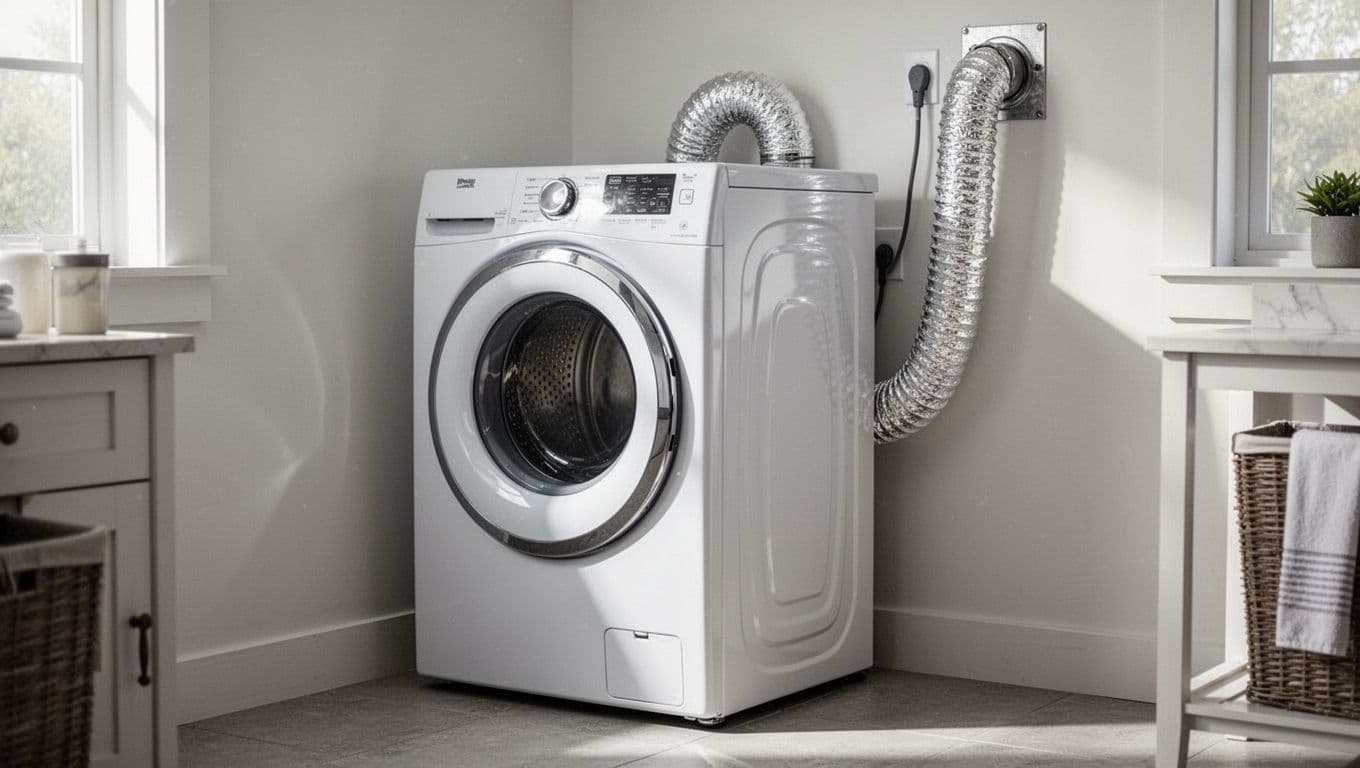
- Check the hose behind the dryer. Make sure it is not pinched, crushed, or folded.
- Look at the outside vent. The flap should open when the dryer runs. If it barely moves, air may be blocked.
- Run one load with the laundry room door open. If the heat feels lower, the room may be holding excess moisture and warm air.
- Watch the drying time. If a normal load takes much longer than usual, the vent path may be restricted.
If these checks do not help, the problem may be deeper in the duct run. At that point, a professional inspection can save time and reduce risk. You can Get a Free Estimate if you want a dryer vent check before the next load starts running hot.
Signs the heat may point to a fire hazard
A warm room on its own is annoying. Certain warning signs deserve faster action.
- A burning smell during or after a cycle
- Clothes or towels that come out unusually hot
- A dryer cabinet or wall that feels very warm
- Lint collecting around the vent opening
- The outside vent has weak or no airflow
- The machine shuts off early or seems to overwork
- The room feels damp and hot at the same time
If you notice more than one of these signs, stop using the dryer until it is checked. Lint is flammable, and heat plus blockage is a bad mix.
The risk rises when people keep restarting long cycles without finding the cause. That only adds more heat and stress to the system.
Dryer vent maintenance that keeps heat down
Regular dryer vent care helps the machine run cooler and safer. It also helps clothes dry faster, which saves time and wear on the appliance.
Start with the lint trap. Clean it every time. Then vacuum around the dryer area so loose lint does not get pulled back into the system.
Next, keep the hose run as short and straight as possible. Sharp bends trap lint and slow airflow. If the vent line is old, damaged, or full of buildup, it may need a full cleaning instead of a quick dusting.
Outside, check the vent cap a few times a year. It should open easily and close when the dryer stops. If it sticks open, debris and pests can get in. If it sticks shut, hot air backs up into the house.
Many homeowners wait until clothes take too long to dry. By then, the vent is already under strain. A better sign is the room itself. If the laundry area keeps getting hotter, the dryer is asking for help.
Conclusion
A laundry room that warms up a little during a cycle is normal. A room that feels hot, sticky, or slow to cool down usually means airflow is being blocked.
Start with the easy checks, then pay attention to warning signs like burning smells, weak vent flow, and long dry times. Heat is a clue , and it often points to lint buildup or a vent that needs attention.
When the room stays hot after the dryer runs, treat it as a maintenance issue first and a safety issue second.