Bird Nests in Dryer Vents: Florida Homeowner Guide
Dryers that take longer to finish a load often point to lint buildup. In Florida, they can also point to something less obvious, a bird nest in the vent.
Warm weather keeps birds active through much of the year, and a vent opening can feel like a ready-made shelter. If you catch the problem early, you can avoid heat, clogs, and a repair bill that keeps growing.
The warning signs are easy to miss, so it helps to know what to look for before you run another load.
Why Florida dryer vents attract nesting birds
Birds look for a dry, narrow space with shelter from wind and rain. A dryer vent gives them that, plus warmth from the appliance. In Florida, that warm spot can stay attractive well past spring.
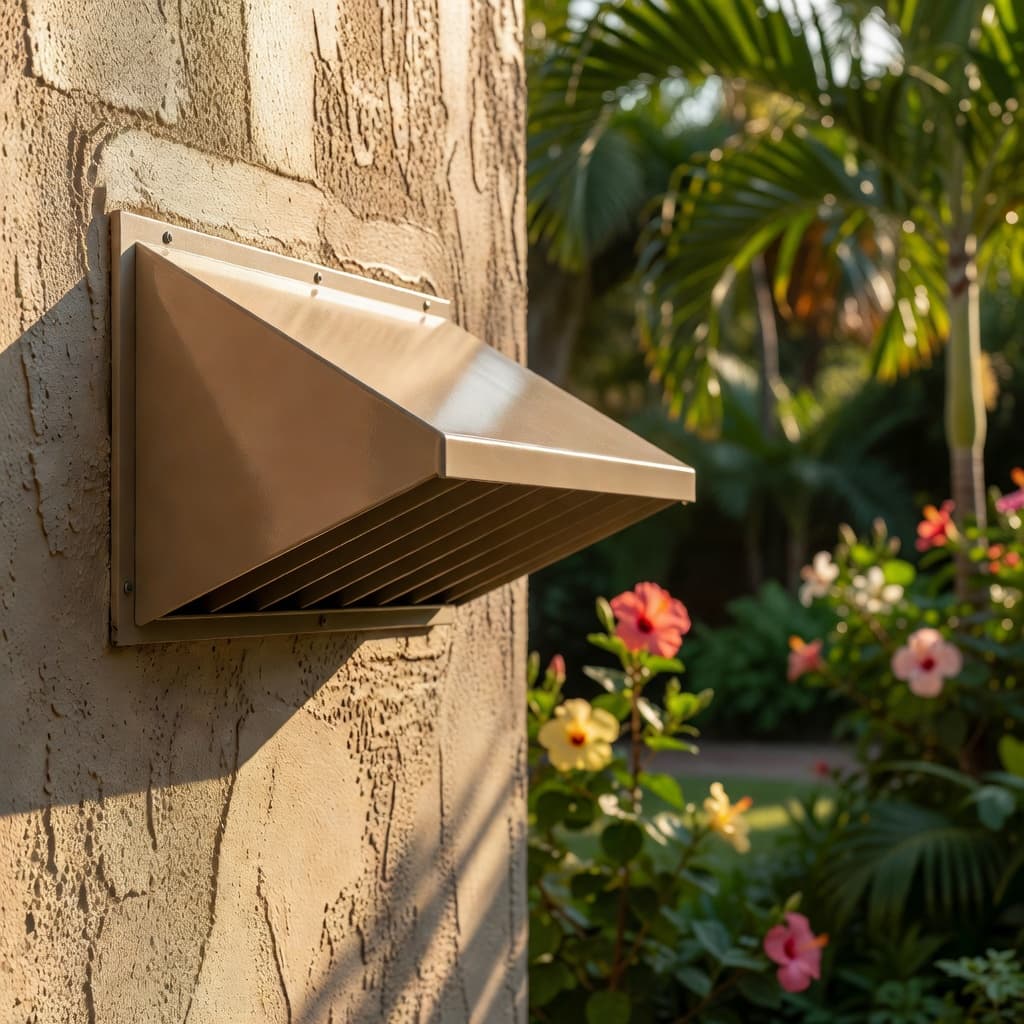
Humidity makes the problem worse. Damp lint clumps near the opening, and loose lint can catch on twigs or grass. If the vent cap is broken, the flap sticks, or the cover is missing, birds do not need much more invitation.
Homes with vents near shrubs, porches, or shaded walls often see more activity. Small birds can move fast, and a nest may start before anyone notices. A vent that looks fine from the yard can still hide a blockage inside.
Warning signs your dryer vent may have a nest
The first clues usually show up in the laundry room. A vent that once worked well starts slowing down, and the dryer needs more time to dry the same load.
Look for these signs:
- Clothes need two cycles instead of one.
- The dryer or laundry room feels hotter than usual.
- You hear chirping, scratching, or fluttering near the vent wall.
- The exterior hood has twigs, grass, feathers, or lint packed around it.
- The vent flap does not open fully when the dryer runs.
- You notice a burning smell, a stale odor, or weak airflow at the outdoor vent.
One clue can point to a simple clog. Two or more together usually mean the vent needs attention. If the symptoms appear fast, treat the vent as blocked.
If the dryer starts taking longer, stop using it until the vent has been checked.
Why a nest in the vent becomes a safety problem
A blocked vent is more than a nuisance. Heat builds up, lint stays trapped, and the dryer works harder on every cycle. Lint burns easily, so a nest gives fire a place to spread.
For gas dryers, blocked exhaust can also push fumes back toward the home. For any dryer, the machine runs longer, parts wear out faster, and the laundry room can hold extra heat and moisture.
In Florida, that trapped moisture matters. It can feed musty odors, leave clothes damp longer, and make the space feel sticky. The nest itself can also trap bugs and debris, which only adds to the mess.
The damage often starts small, then gets harder to ignore. A vent that looks only partly blocked can still be too restricted for safe airflow.
What to do if you suspect bird nesting
Stop using the dryer right away if you suspect a nest. Running it can overheat lint, push debris deeper, and stress any birds inside.
- Turn the dryer off and let it cool.
- Check the outdoor vent from the ground. Look for grass, twigs, feathers, or a flap that stays shut.
- If you see eggs or chicks, back away. Do not pull the nest out or disturb active wildlife without checking local rules.
- If the opening is blocked, call a professional for an inspection and cleaning.
A pro can inspect the full vent line, clear the blockage, and spot broken caps or loose joints. That matters when the nest sits deep in the duct or when the vent runs through a tight attic space.
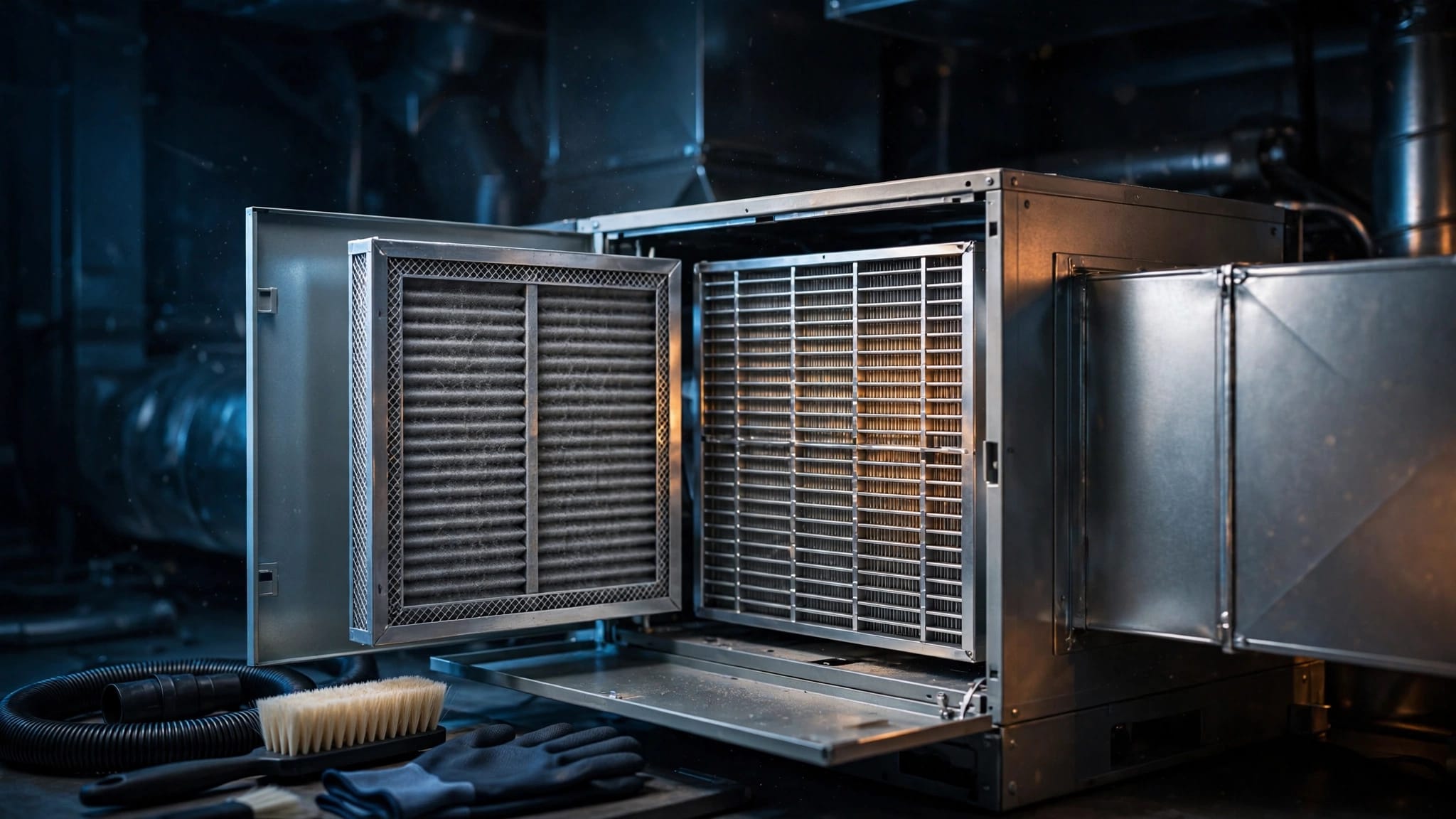
If you want to understand the cleaning process first, this dryer vent cleaning guide explains how lint and debris are removed from the full system. If your vent needs a closer look, Get a Free Estimate for service.
How to keep birds out of dryer vents
Keeping birds out is easier than dealing with a nest later. The goal is simple, a vent that moves air freely and gives birds no easy place to settle.
A few habits help a lot:
- Replace broken vent caps and stuck flaps quickly.
- Trim shrubs, vines, and branches away from the vent opening.
- Check the exterior vent after storms and during nesting season.
- Clean the lint trap every load and schedule vent cleaning on a regular basis.
- Use a vent cover made for dryer exhaust, not a fine mesh screen that can trap lint.
Routine dryer vent cleaning helps remove lint and spot damage before birds move in. That matters even more in Florida, where warm weather keeps bird activity steady and humidity can speed up lint buildup.
Homes near trees, ponds, or thick landscaping need closer watch. A quick exterior check every few months can catch a loose flap, a cracked cover, or early nesting material before it becomes a bigger repair.
Conclusion
Bird nests in dryer vents are easy to overlook at first. In Florida, warm weather, humidity, and year-round bird activity make them a real concern for homeowners.
A slow dryer, a stuck flap, or a scratchy sound near the vent should prompt a pause. If you suspect a nest, stop the dryer, check the opening, and get help before the blockage grows. A clear vent protects your home, your dryer, and the birds outside.